
Jeonju Food Guide – Where to Eat Like a Local
Jeonju, South Korea: The Ultimate Food Guide
Why Jeonju Is Korea’s Food Capital
Nestled in the heart of South Korea’s North Jeolla Province, Jeonju stands as one of Asia’s most vibrant culinary destinations. This charming city has earned its reputation as Korea’s food capital through centuries of royal court dining traditions and a deep commitment to preserving authentic regional flavors. With a population of just over 600,000, Jeonju punches well above its weight in the food scene, attracting visitors from across the globe who come specifically to experience its incredible gastronomic heritage.
The city’s food philosophy centers on using fresh, locally-sourced ingredients prepared with time-honored techniques passed down through generations. Jeonju’s temperate climate and fertile surrounding farmland provide an abundance of seasonal vegetables, grains, and proteins that form the backbone of the local cuisine. Whether you’re exploring the historic Jeonju Hanok Village or wandering through bustling night markets, every corner of this city reveals new culinary treasures waiting to be discovered.
The Legendary Jeonju Bibimbap Experience
Jeonju bibimbap is perhaps the most iconic dish associated with this city, and experiencing it here is fundamentally different from eating it anywhere else in Korea. This carefully composed rice bowl features a perfect harmony of seasoned vegetables, gochujang (red chili paste), a perfectly cooked egg, and premium beef, all mixed together to create an explosion of flavors and textures. The dish’s origins trace back to Jeonju’s royal court kitchen during the Joseon Dynasty, where chefs would combine leftover ingredients into an elegant presentation fit for royalty.
Visit Jeonju Bibimbap Street, located near Nambu Market in the Pungnamsan neighborhood, where multiple restaurants compete to perfect this classic dish. Each establishment has its own signature variation—some use premium Jeonju beef, others incorporate wild vegetables foraged from nearby mountains, and a few even serve the bibimbap in a heated stone bowl called a dolsot. The competition keeps quality standards incredibly high, ensuring that visitors experience bibimbap at its absolute best. Plan to spend between 8,000-15,000 Korean Won for an authentic bowl.
Exploring Jeonju’s Historic Food Markets
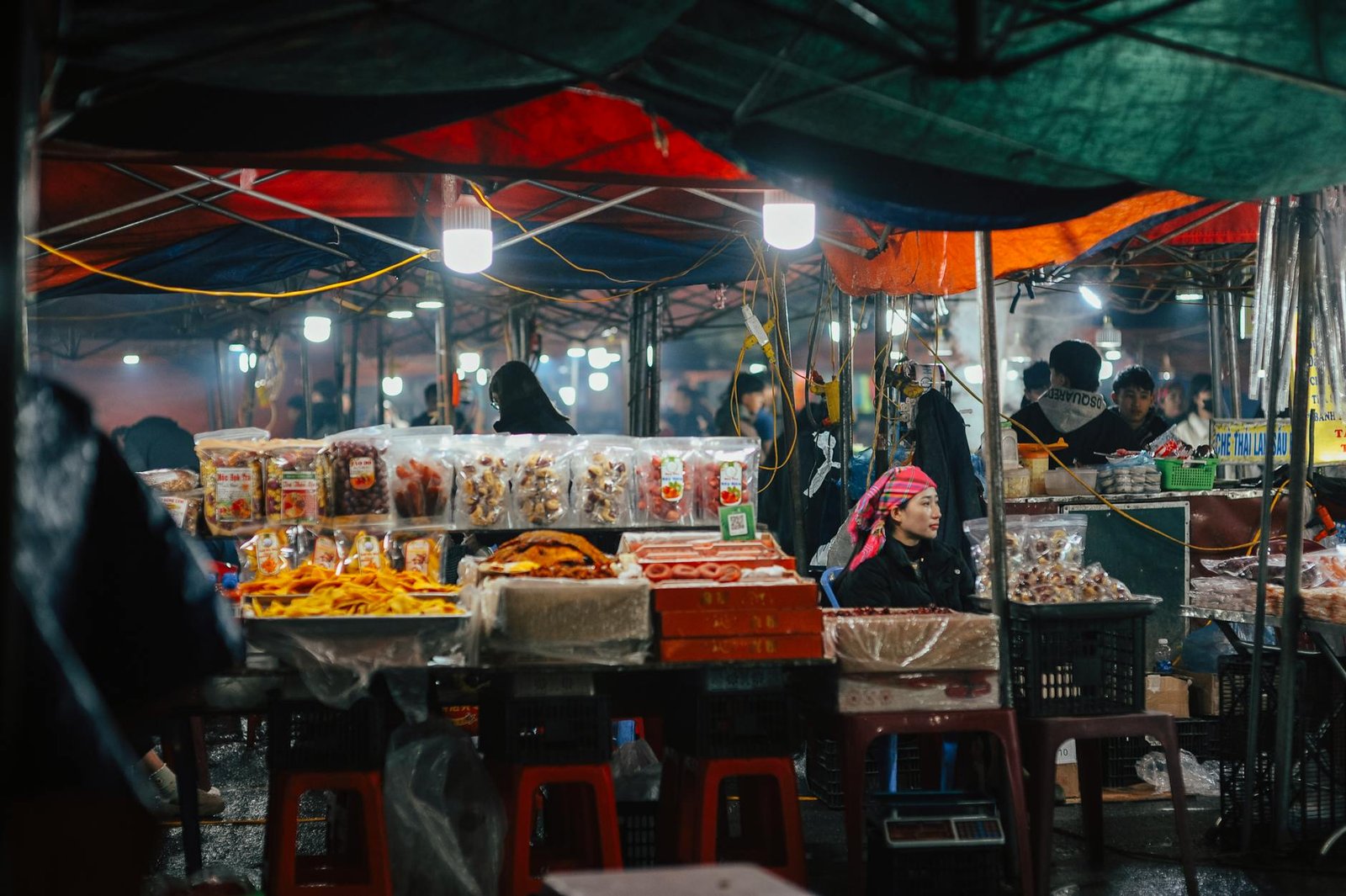
Nambu Market, operating since 1913, remains the beating heart of Jeonju’s food culture. This sprawling traditional market spans multiple streets and alleys, offering everything from fresh produce and seafood to prepared foods and cooking ingredients. Walking through Nambu Market feels like stepping back in time, with vendors calling out their wares and the aroma of grilled fish and boiling broths filling the air. This is where locals shop for their daily ingredients, making it an authentically Korean experience that most tourists miss.
Nambu Market, another essential destination, specializes in vegetables, nuts, and dried goods that are fundamental to traditional Korean cooking. The market features wet produce, dried goods, and a row of tteok vendors downstairs, with an upstairs pojangmacha-style food court run by young local cooks, and a night market on Friday evenings. The market also features prepared food stalls where you can grab fresh kimbap (rice rolls), tteokbokki (spicy rice cakes), and freshly made bindaetteok (mung bean pancakes). Both markets offer the most affordable meals in Jeonju, with most dishes costing between 4,000-8,000 Won.
Top Street Food and Night Market Delights
Jeonju’s street food scene comes alive during evening hours, particularly around the Jeonju Hanok Village and along the thoroughfares near the traditional markets. The city’s most beloved street foods include hotteok (sweet filled pancakes), gyeran-mari (rolled omelet), and fresh seafood pajeon (savory pancakes) that locals queue for despite the wait. Tteokbokki vendors operate small carts where they serve spicy rice cakes in deeply flavorful broths, while takoyaki stalls offer Japanese-influenced octopus balls that have become beloved Korean street fare.
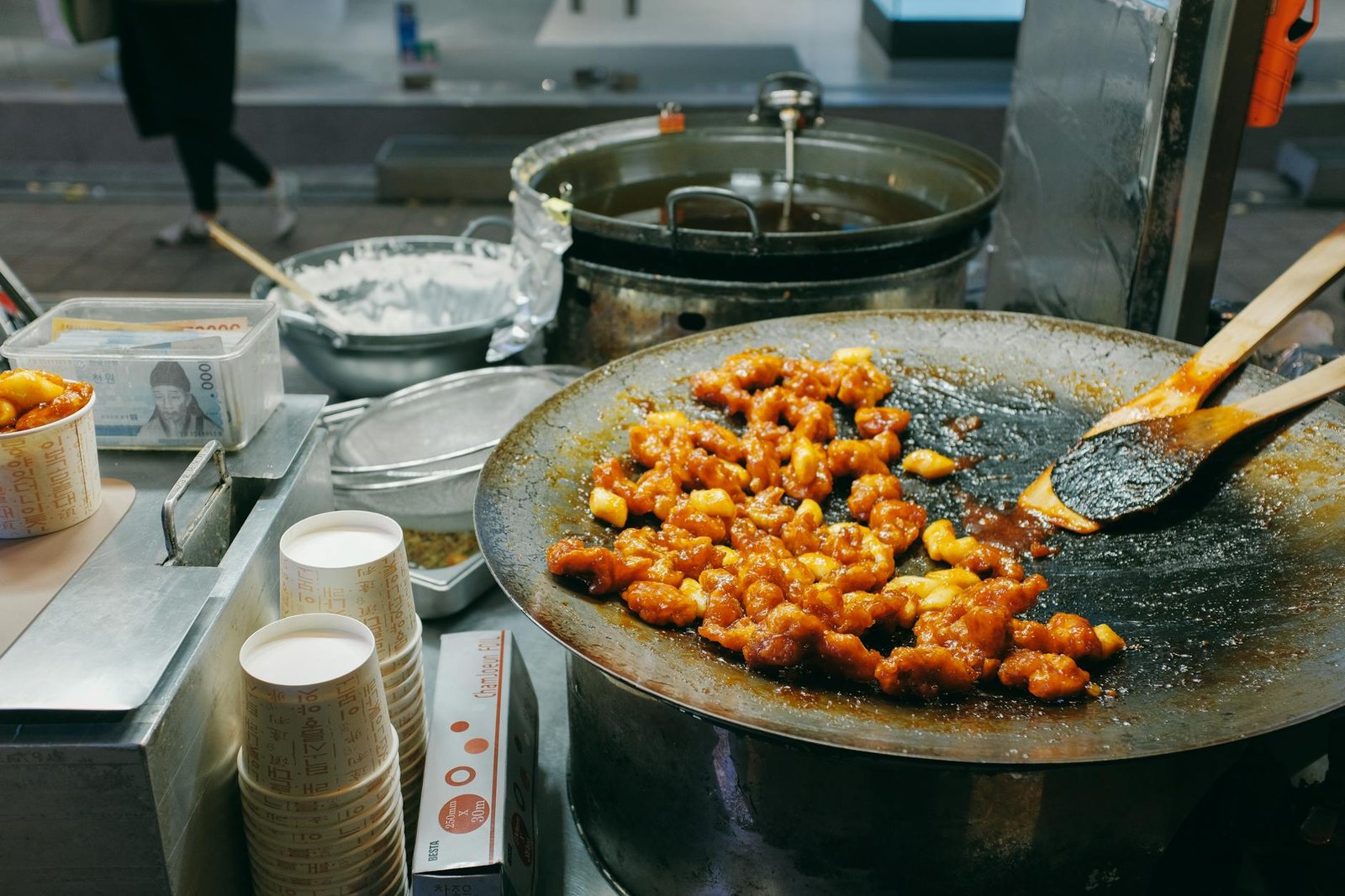
The ultimate street food experience happens at the evening food markets, where vendor after vendor sets up temporary stalls selling everything from grilled scallops and chicken skewers to fish cake soup and hotdogs wrapped in crispy dough. Kongnamul-gukbap (soybean sprout rice soup) served at roadside stands provides comfort food at its finest, perfect for warming up after a day of exploration. Don’t miss the fresh-squeezed citrus juices and traditional Korean beverages like sikhye (sweet rice drink) that vendors prepare fresh throughout the evening.
Best Restaurants for Authentic Jeonju Cuisine
Gogung, located in the heart of Hanok Village, is the city’s best-known bibimbap house, founded in 1996 as successor to Hankookkwan of 1966. Rice is cooked in cow-bone broth and served with local bean sprouts, marinated beef, and house gochujang alongside an impressive array of banchan (side dishes) that elevate the dining experience. The restaurant’s attention to ingredient quality and presentation reflects Jeonju’s commitment to culinary excellence. Expect a queue.
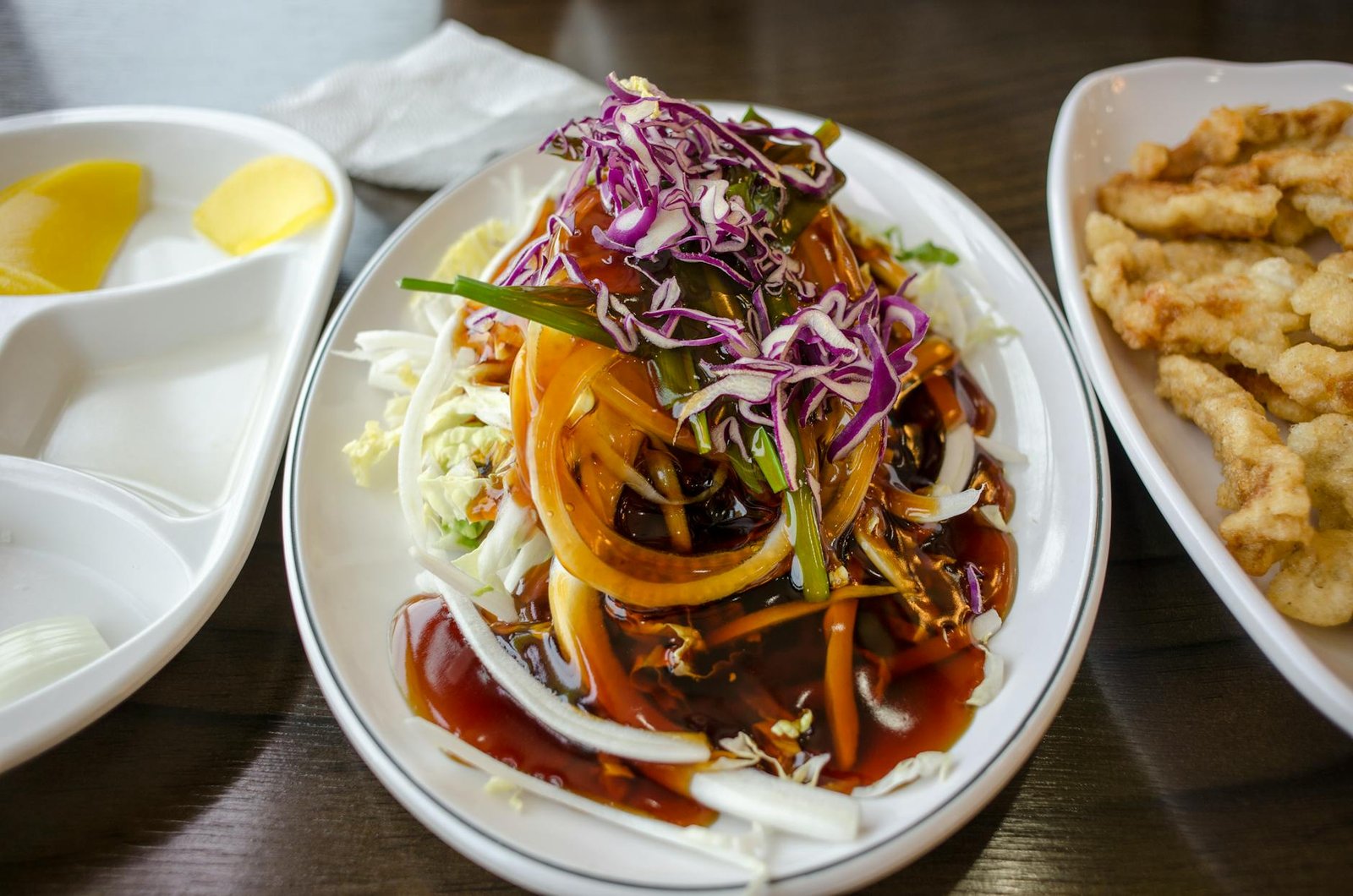
For galbi jjim, a royal court dish featuring premium beef short ribs braised until tender with chestnuts, dates, and vegetables in a delicate sauce, seek out the specialist restaurants around Wansan that have perfected traditional cooking methods passed down through generations. Another essential stop is Jeonju’s tofu restaurants in the Wansan neighborhood, where silken tofu is made fresh daily and served in various preparations from simple bowls with gochujang to elaborate multi-course meals.
Jeonju Hanok Village: Dining in Historic Surroundings
The beautifully preserved Jeonju Hanok Village transports visitors to the Joseon Dynasty era with its 800+ traditional wooden houses featuring distinctive curved tile roofs. Beyond its architectural significance, the village has become a culinary destination unto itself, with numerous restaurants, cafes, and food stalls occupying historic buildings. Walking through the village’s narrow alleyways between dining experiences is itself part of the pleasure, as the serene atmosphere and traditional aesthetic enhance every bite you take.
The village hosts seasonal food festivals and offers several restaurants specializing in hansang (traditional Korean table settings) experiences, where meals feature dozens of small dishes served in the royal court style. These elaborate meals showcase the sophistication and complexity of traditional Jeonju cuisine. Beyond formal dining, the village’s teahouses serve traditional Korean drinks and snacks like hotteok and sikhye, allowing visitors to sample multiple culinary experiences while soaking in the historical atmosphere.
Best Ways to Explore Jeonju’s Food Scene
There are no dedicated food tours bookable in Jeonju through major platforms like Viator right now. What you can book is a Jeonju Hanok Village Full-Day Tour, which gets you into the heart of the old quarter where most of the serious eating happens anyway. Honestly, Jeonju’s food scene is compact and approachable enough that wandering it yourself, with a bit of research beforehand, works just as well. The traditional markets, street stalls, and family-run spots in Hanok Village are easy to navigate without a guide holding your hand.
GetYourGuide features similar offerings with additional options for vegetarian tours and market cooking classes where participants purchase ingredients and prepare traditional dishes with professional instructors. These hands-on experiences provide deeper culinary learning opportunities while supporting local businesses. Both platforms offer flexible scheduling options that accommodate various travel itineraries and dietary preferences, making it easy to incorporate quality food experiences into your Jeonju visit.
When to Visit Jeonju for the Best Food Experiences
Spring (April-May) and autumn (September-October) are genuinely the best times to eat your way around Jeonju. Wild greens and spring shoots show up in everything during April, and autumn pulls in mushrooms, root vegetables, and the harvest’s best produce. Moderate temperatures also mean you can actually enjoy standing at a street stall without sweating through your shirt or freezing between bites. The markets are more pleasant, too, and less frantic than peak summer.
Jeonju hosts several food festivals throughout the year, with the Jeonju International Film Festival in May often featuring special food-related programming and temporary food venues. The Bibimbap Festival typically occurs in October, celebrating the city’s most famous dish with cooking competitions, free tastings, and cultural performances. These festival periods offer unique opportunities to experience Jeonju’s food culture alongside fellow enthusiasts and gain deeper appreciation for local culinary traditions through organized events and expert demonstrations.

Book an Experience in Jeonju
Handpicked experiences — book with free cancellation and instant confirmation.
Explore More Food Tours
More food guides from South Korea:
You might also enjoy:
- Kyoto Food Tour Guide (Japan)
- Nagoya Food Tour Guide (Japan)
- Nara Food Tour Guide (Japan)
Featured in:
Frequently Asked Questions
Are there any bookable food tours in Jeonju?
No, there are currently no dedicated food tours bookable in Jeonju through major platforms. What is bookable is a Jeonju Hanok Village Full-Day Tour, which covers the area where most of the city's best eating happens. For food specifically, you are better off exploring the markets and Hanok Village streets on your own.
How long should I set aside to eat my way around Jeonju?
A solid half-day gets you through the main Hanok Village food stalls and a sit-down bibimbap lunch without rushing. If you want to hit Nambu Market as well, budget a full day. Jeonju is not a huge city, so the food highlights are genuinely walkable and concentrated enough that you do not need to plan military precision logistics.
What local Jeonju foods should I make sure to try?
Jeonju bibimbap is the obvious one, and yes, it really does taste different here than anywhere else. Beyond that, look for jeonju kalguksu (knife-cut noodles), kongguksu (cold soybean noodle soup), and bindaetteok (mung bean pancakes) fried fresh at market stalls. The banchan spread at a proper local restaurant is also worth paying attention to.
Which neighborhoods in Jeonju are best for street food exploration?
Jeonju Hanok Village is the premier destination for street food, featuring traditional snacks like hodugwaja (red bean pastries), bindaetteok (mung bean pancakes), and nurungji (crispy rice crackers). The Nambu Market area is another excellent spot for authentic street food vendors selling everything from tteokbokki to gimbap, offering a more local, less touristy experience than the Hanok Village.
What should I do if I have dietary restrictions while eating around Jeonju?
Go in knowing that many dishes can be adjusted. Bibimbap without meat or egg is a reasonable ask at most restaurants, and staff in the Hanok Village tourist area are used to fielding these questions. Learn a couple of key Korean phrases for your restriction, or carry a written card explaining it. Vegetarians will find options, but full vegans need to be more careful about broths and hidden fish-based condiments.