Kathmandu Food Tour – Best Local Food & Restaurants
Kathmandu, Nepal: The Ultimate Food Guide
A Culinary Journey Through Nepal’s Historic Capital
Kathmandu is a city where food tells the story of centuries of cultural exchange, trade routes, and indigenous traditions. Nestled in the Kathmandu Valley at 1,400 meters above sea level, this ancient capital has absorbed culinary influences from Tibet, India, and China while maintaining its own distinctive gastronomic identity. The narrow alleyways of the old city are filled with the aroma of spices—cumin, coriander, turmeric, and cardamom—wafting from restaurants and street stalls that have served the same dishes for generations. For travelers seeking an authentic food experience, Kathmandu offers an incredible opportunity to taste traditional Newari cuisine, explore bustling food markets, and dine in restaurants ranging from simple family-run establishments to contemporary eateries that celebrate Nepali culinary heritage.
The city’s food scene reflects the unique position of the Newari community, Kathmandu’s original inhabitants, who developed sophisticated cooking techniques and culinary traditions long before the valley became a trading hub. Every corner of the city offers something delicious, from momos sold at street corners to elaborate feasts at heritage restaurants. Whether you’re wandering through the chaos of Durbar Square, exploring the quieter neighborhoods of Thamel, or seeking out hidden gems in Bhaktapur and Lalitpur, your palate will be constantly awakened by new flavors and textures.
Top Street Food Experiences You Can’t Miss
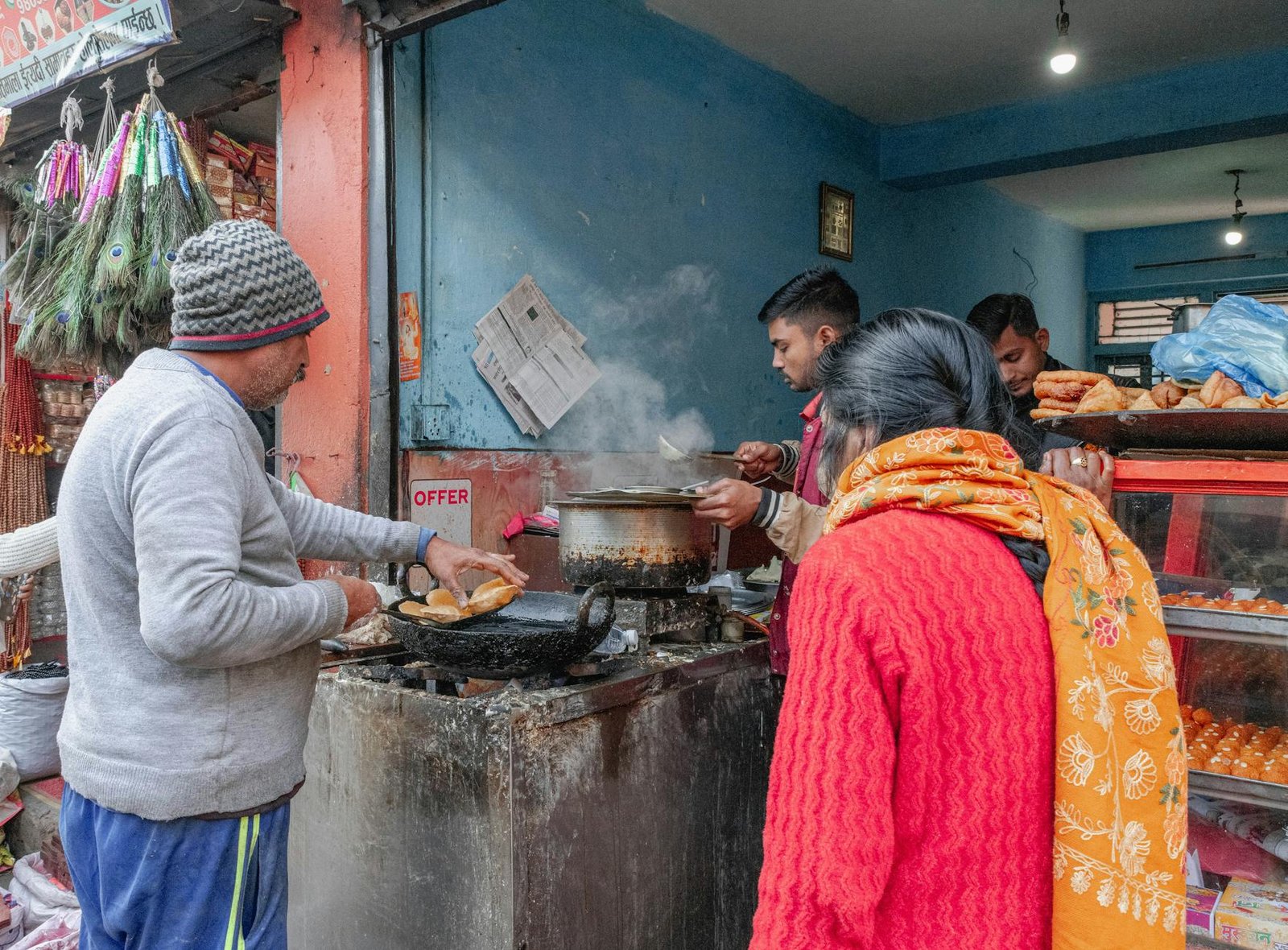
Street food in Kathmandu is not merely a casual snack—it’s an essential part of experiencing the city’s culture. Momos, which are dumplings filled with meat or vegetables, are sold everywhere from dedicated momo stalls to small street vendors. These steamed pockets of deliciousness can be found in every neighborhood, but the vendors near Thamel’s busy intersections offer some of the most consistent quality. You’ll watch them being folded by hand, steamed in traditional brass steamers, and served with spicy achaar (pickle) that brings heat and complexity to each bite. Another must-try street food is sekuwa—meat skewers marinated in yogurt and spices, then cooked over open flames. The smoke curling from the grills near Assan Chowk creates an irresistible aroma that draws locals and tourists alike.
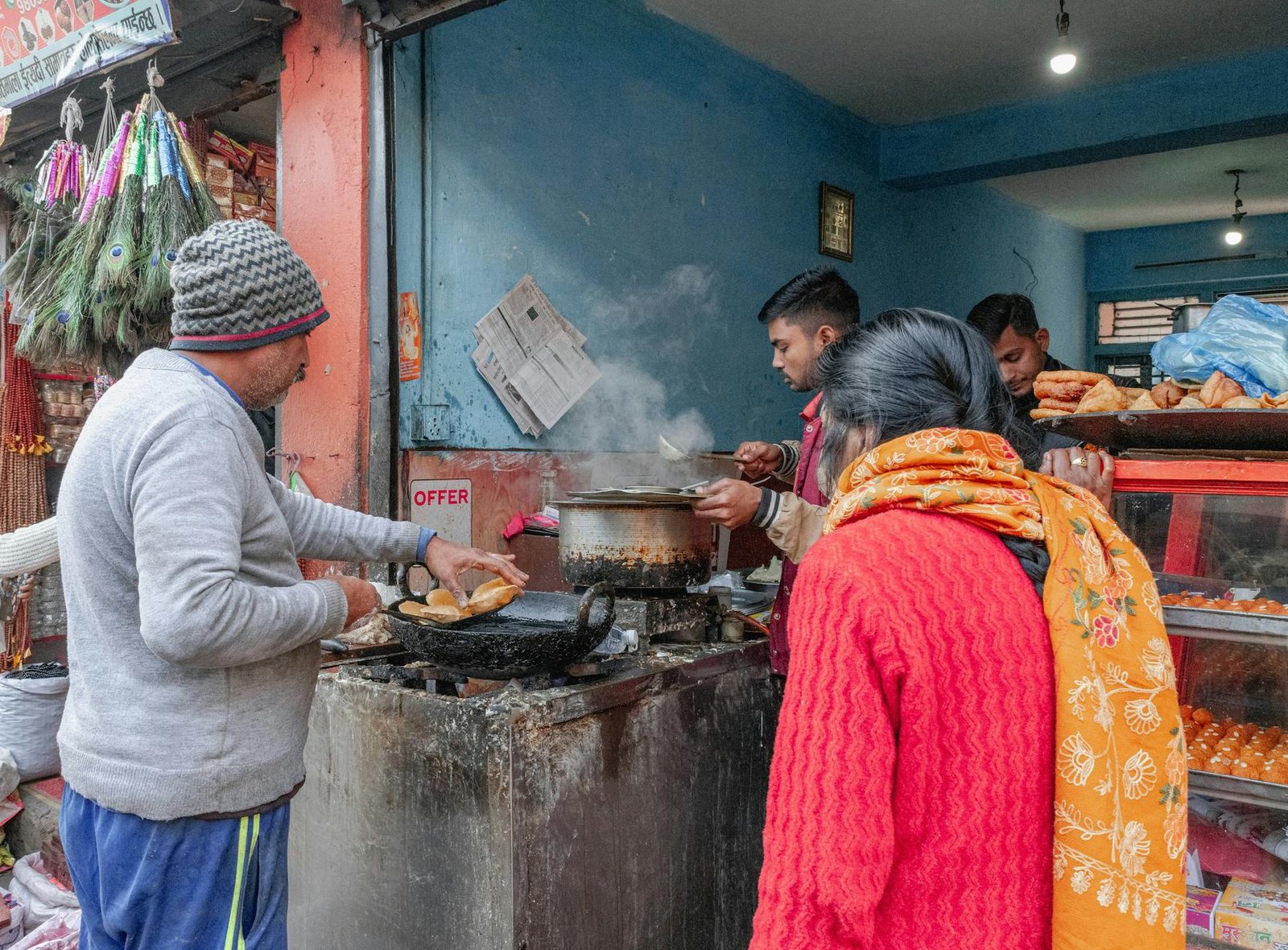
For a lighter option, try sel roti, a sweet circular bread that’s fried to golden perfection and best enjoyed fresh from the pan with a cup of spiced milk tea. Newari chowmein, a local interpretation of noodles made with fresh vegetables and a slightly sweet sauce, is sold from small shops throughout the city and makes for an excellent quick meal. Chatamari, often called the Newari pizza, is a crepe-like dish topped with eggs, meat, and vegetables that can be found at dedicated stalls. Don’t miss yomari, a steamed dumpling filled with chikhalwali (molasses and sesame), especially if you’re visiting during the Yomari Punhi festival in November. These street food experiences offer some of the most authentic and affordable ways to understand Kathmandu’s gastronomic culture.
Authentic Newari Cuisine: The Heart of Kathmandu Food
Newari cuisine represents the pinnacle of culinary sophistication in the Kathmandu Valley and is essential to understanding the region’s food identity. This cooking tradition emphasizes fresh, local ingredients, complex spice blends, and time-honored cooking methods passed down through families. A proper Newari feast, known as bhoj, typically includes seven or more dishes and is traditionally served on special occasions and festivals. Key components of a Newari meal include bara (lentil patties), aalu tama (potato and bamboo shoot curry), and gundruk (fermented leafy greens) that provide layers of flavor and texture. The cuisine makes extensive use of sesame oil, which gives dishes their characteristic nutty aroma and taste.
To experience authentic Newari cuisine, visit restaurants in the old city near Durbar Square where family recipes have been guarded for generations. Newa Chen, located in Bhaktapur’s historic Pottery Square, serves traditional dishes in a beautifully restored heritage building with views of the ancient city. The restaurant’s samay baji (Newari wedding platter) is a comprehensive introduction to the cuisine, featuring beaten rice, various chutneys, preserved vegetables, and meat preparations. Another excellent choice is Krishnarpan Bistro in Thamel, a sophisticated restaurant that presents classical Newari dishes with refined plating and detailed descriptions of each course’s cultural significance. These restaurants bridge the gap between street food authenticity and fine dining presentation, making Newari cuisine accessible and memorable.
Best Food Markets: Where Locals Shop and Eat
Asan Bazaar is the beating heart of Kathmandu’s food culture and a market that shouldn’t be missed by any serious food traveler. Located in the old city near the convergence of ancient trade routes, this narrow, chaotic market is where locals have bought fresh produce, spices, and prepared foods for centuries. Walking through Asan is a sensory overload—colorful arrays of tomatoes, onions, and greens compete for space with stacks of spice containers releasing their fragrant aromas. The market’s upper levels contain dedicated stalls selling prepared foods, from yogurt to dahi (fermented milk products) to various dried goods. Arrive early in the morning to experience the market at its most vibrant, when vendors are arranging their goods and local families are doing their daily shopping.
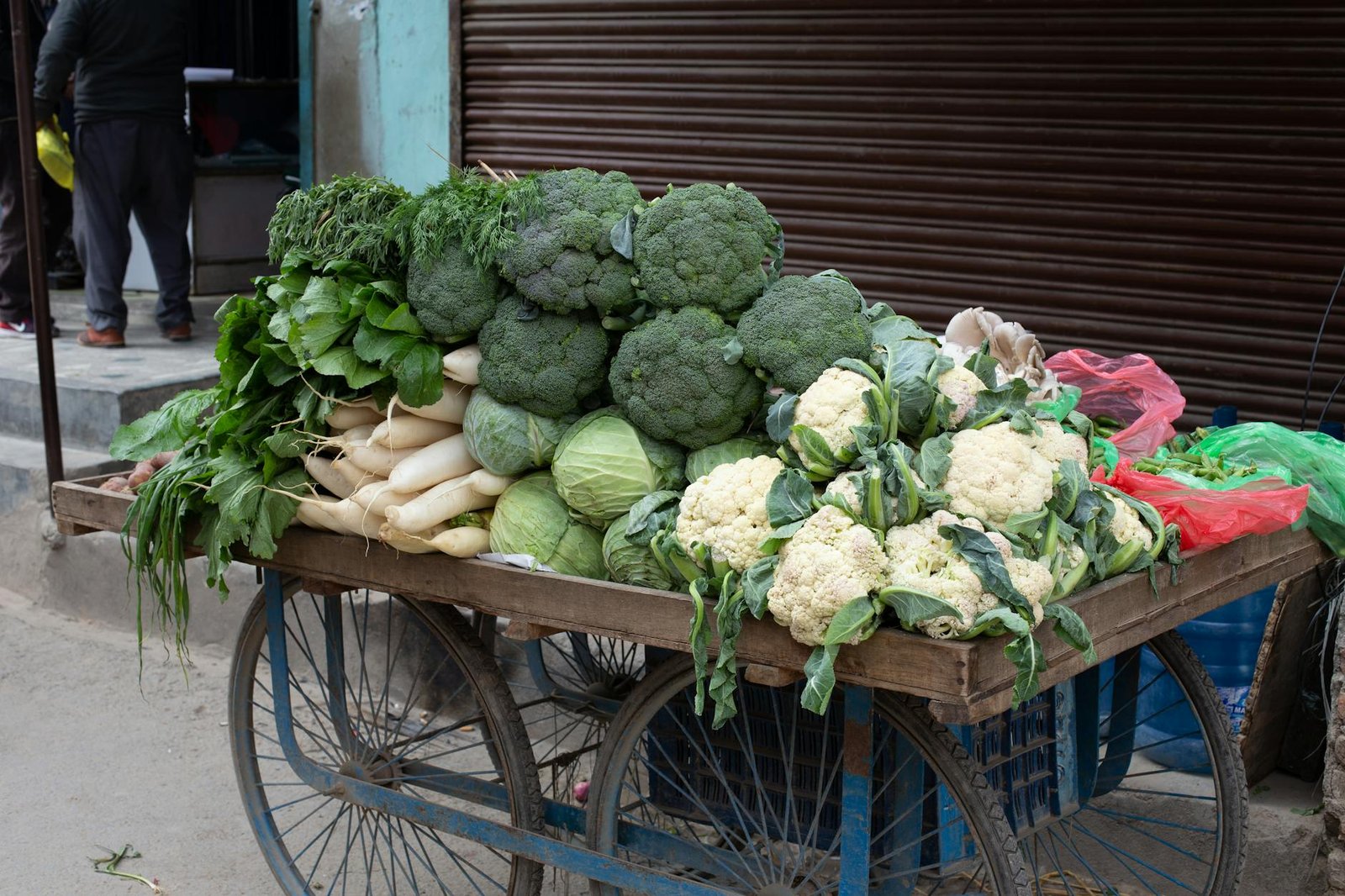
Kathmandu’s other significant food market is Indra Chowk, another historic junction in the old city where vegetable vendors, spice merchants, and food stall operators create a bustling scene throughout the day. Here you’ll find vendors selling everything needed for Nepali home cooking: fresh curry leaves, bundles of cilantro, dried chilis, and locally produced oils and grains. The small restaurants and food stalls scattered throughout these markets serve authentic, affordable meals that change with the seasons. These markets offer not just shopping opportunities but windows into how Kathmandu’s residents actually eat day-to-day, away from tourist-focused restaurants.
Best Restaurants: From Street to Fine Dining
Kathmandu’s restaurant scene offers something for every palate and budget. For upscale Newari cuisine, Bhojan Griha in Dilli Bazaar recreates a traditional Newari house atmosphere complete with courtyards and traditional décor, serving an elaborate set menu of classic dishes. Chakra Restaurant offers contemporary Nepali cuisine with an emphasis on organic ingredients and traditional cooking methods, housed in a beautifully designed space. For those seeking something less formal, Caravan Cafe serves excellent thukpa (Tibetan noodle soup) and momos in a casual atmosphere, while Himalayan Java serves quality coffee alongside Nepali breakfast items like sel roti and bara.
Thamel’s restaurant row offers numerous options, though quality varies. Yangling Tibetan Restaurant stands out for its authentic Tibetan dishes, while Rosemary Kitchen and Coffee Shop specializes in organic preparations of traditional foods. Don’t overlook the simple family restaurants in quieter neighborhoods—some of the best meals in Kathmandu come from small establishments in Patan and Bhaktapur where recipes have been refined over decades of serving the same community. These restaurants often don’t have English menus, making them feel more authentic and rewarding for adventurous eaters.
Best Food Tours Available
For visitors who want guided experiences, several platforms offer excellent food tours. Viator offers various Kathmandu food tours, including walking tours of Thamel and old city neighborhoods that combine cultural sightseeing with street food tastings. These tours typically last 4-5 hours and include visits to multiple vendors and small restaurants, with a guide explaining the history and significance of different dishes. GetYourGuide similarly offers curated food experiences, including market tours to Asan Bazaar and specialized tours focusing on Newari cuisine prepared by local families. These organized tours provide context and insider access that enhances the eating experience, often including stops at places tourists might not find independently.
Local tour companies based in Kathmandu also offer excellent alternatives, often at lower prices with more personalized experiences. Many hotels and guesthouses can arrange informal food tours with guides who have deep personal knowledge of the city’s culinary scene. These smaller tours often feel more intimate and allow for flexible timing and menu adjustments based on your interests.
When to Visit for Food: Seasonal Considerations
The best times to visit Kathmandu for food experiences are October through November and February through March, when the weather is clear and comfortable for exploring markets and eating outdoors. Autumn brings fresh harvests of vegetables and fruits, and these months coincide with several important festivals celebrating food. Yomari Punhi in November specifically celebrates the sticky rice dumpling, with special versions available throughout the city. Tihar and Dashain festivals, celebrated in September-October, mean that families are preparing special foods and sweets, and the city takes on a celebratory culinary atmosphere.
Winter months can be cold but clear, and the dry season means spices and ingredients are at their peak. The monsoon season from June to August is less ideal for street food exploration due to hygiene concerns and heavy rainfall, though serious food adventurers will find quieter markets and more intimate dining experiences. Spring vegetables are particularly excellent, with fresh greens and tender vegetables appearing in markets and on menus throughout March and April.
Essential Nepali Dishes Beyond Momos
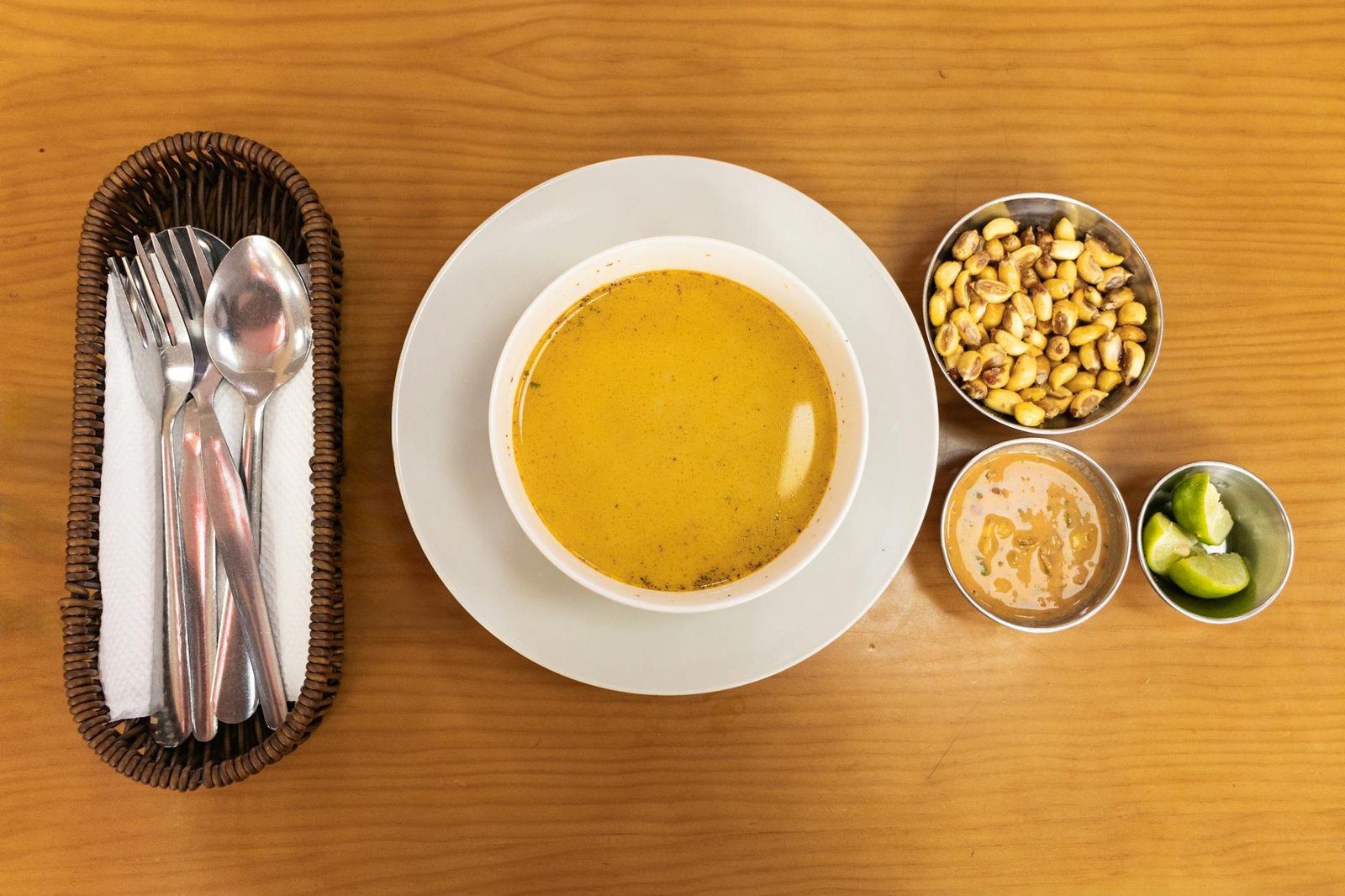
While momos deserve their fame, Kathmandu’s food culture extends far beyond dumplings. Dal bhat is Nepal’s national dish—a combination of lentil soup, rice, and vegetable curries that provides complete protein and satisfying nourishment. Every restaurant serves variations, but the best versions come from simple local establishments where the dal is made fresh daily with carefully balanced spices. Thukpa, a Tibetan-influenced noodle soup with vegetables and sometimes meat or eggs, is particularly warming and comforting. Sukuti, dried spiced meat, is a unique Nepali preparation that develops complex flavors through traditional drying methods.
Samosas and pakora (fried vegetables in chickpea batter) are ubiquitous street foods, while chiya (milk tea spiced with ginger and cardamom) is the beverage that accompanies breakfast and afternoon snacks throughout the city. Lassi, a yogurt-based drink that can be sweet or savory, provides cooling refreshment in warm months. Understanding and tasting these dishes provides a foundation for appreciating Kathmandu’s food culture.



Book a Food Experience in Kathmandu
Handpicked experiences — book with free cancellation and instant confirmation.
Explore More Food Tours
You might also enjoy:
- Jaipur Food Tour Guide (India)
- Chennai Food Tour Guide (India)
- Delhi Food Tour Guide (India)
- Goa Food Tour Guide (India)
- Kolkata Food Tour Guide (India)
- Mumbai Food Tour Guide (India)
Featured in:
Frequently Asked Questions
What is the typical cost of a food tour in Kathmandu?
Most guided food tours in Kathmandu range from $25 to $60 per person, depending on the tour operator and inclusions. Budget tours may cost $15-25 and include basic street food tastings, while premium tours ($50-60) offer more upscale restaurant experiences and longer durations. Many tours include 6-10 food stops with generous tastings that can constitute a light meal.
How long do typical food tours in Kathmandu last?
Standard food tours in Kathmandu typically last 3-4 hours, covering a specific neighborhood with multiple food stops and cultural context. Some operators offer extended 5-6 hour tours that include cooking classes or visits to local markets alongside tastings. Half-day and full-day options are also available for more comprehensive culinary experiences.
What local Kathmandu foods should I expect on a food tour?
You'll typically encounter momos (dumplings with meat or vegetable fillings), dal bhat (lentil soup with rice), newari dishes like bara (fried lentil cakes) and yomari (sweet dumplings), and street snacks like samosas and chatamari (Nepali pizza). Expect to taste authentic jhol momo (soup momos), aloo paratha (potato flatbread), and local sweets like sel roti (ring-shaped fried bread) and kheer (rice pudding).
Which neighborhoods in Kathmandu are best for street food exploration?
Thamel is the most tourist-friendly area with diverse food stalls, restaurants, and night markets featuring both local and international cuisine. Asan Tole in the old city center offers authentic Newari food, traditional sweets, and bustling market atmosphere, while Jhochhen Tole is excellent for finding traditional dal bhat and local breakfast items. Patan Durbar Square area provides excellent access to Newari specialties and traditional family-run eateries.
How can I handle dietary restrictions on a Kathmandu food tour?
Inform your tour operator in advance about vegetarian, vegan, gluten-free, or allergy requirements; Kathmandu has excellent vegetarian options as dal bhat is traditionally meat-free, and many dishes can be modified. Most tour guides are experienced with dietary requests and can direct you to suitable alternatives at each stop, though vegan options may be more limited at traditional street food stalls. Always carry a translation card with your restrictions in Nepali for independent food exploration.