
Sapporo Food Tour – Best Local Food & Restaurants
Sapporo, Japan: The Ultimate Food Guide
Introduction: Why Sapporo is a Food Lover’s Paradise
Nestled in the heart of Hokkaido, Sapporo has emerged as one of Japan’s most exciting culinary destinations. This vibrant capital city combines traditional Japanese cuisine with innovative modern cooking, all while celebrating the extraordinary local ingredients that Hokkaido is famous for. From fresh seafood harvested in nearby coastal waters to premium dairy products and vegetables grown in the region’s fertile lands, Sapporo offers a gastronomic experience that reflects both the bounty of nature and centuries of culinary tradition. Whether you’re exploring bustling food markets or dining in intimate izakayas, every meal in Sapporo tells a story of regional pride and culinary excellence.
The city’s food scene is particularly special because it remains wonderfully authentic despite its modern metropolitan status. You’ll find world-class restaurants standing shoulder to shoulder with humble ramen shops where locals have been ordering the same bowl for decades. This blend of accessibility and sophistication makes Sapporo an ideal destination for food tourists of all budgets and preferences. The city’s commitment to seasonal eating means that your experience will be unique depending on when you visit, with each season bringing different delicacies to the table.
Sapporo Ramen: The Soul of Local Cuisine
No food guide to Sapporo would be complete without discussing ramen, and specifically Sapporo-style ramen. This iconic dish features rich, flavorful miso-based broth, curly noodles, and a distinctive topping of bean sprouts, corn, and a slice of fatty pork belly called chashu. The broth is traditionally simmered for hours with chicken bones, seafood, and vegetables, creating a depth of flavor that perfectly encapsulates Hokkaido’s culinary character. Legend has it that Sapporo ramen was created in the 1950s when a local chef combined traditional miso soup with Chinese-style noodles, creating something entirely new yet profoundly rooted in local ingredients and tastes.
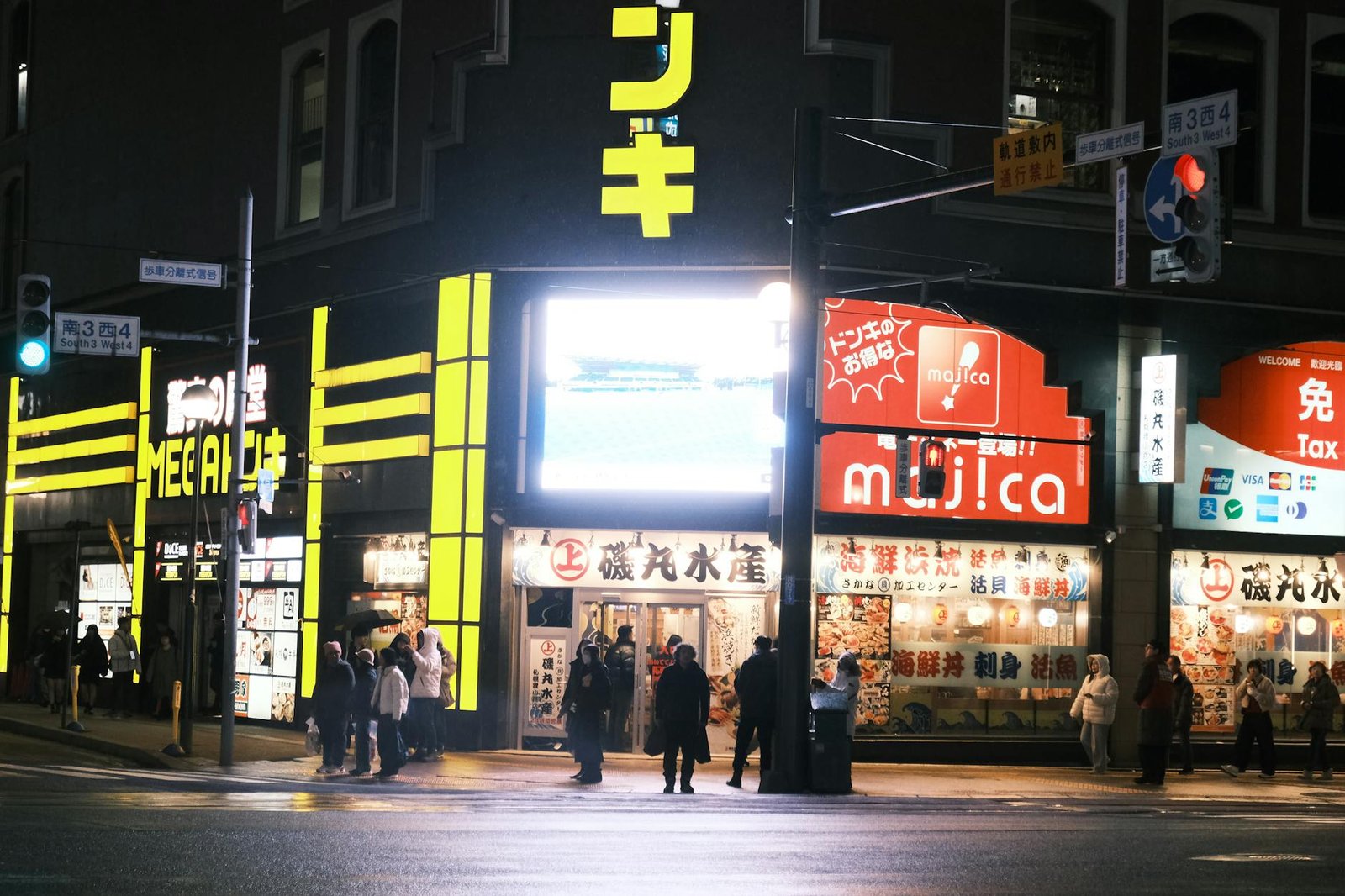
The best place to experience authentic Sapporo ramen is at Ramen Yokocho, a narrow alley in the Gantetsu Ramen Yokocho area packed with eight tiny ramen shops, each with just seven or eight seats. This historic alley has been operating since 1945 and offers an incredibly atmospheric dining experience. For a more refined take, visit Aji no Sanpei, which has been perfecting their miso ramen recipe since 1954. Their signature bowl features a velvety broth and perfectly balanced seasoning that demonstrates why Sapporo ramen remains deeply beloved by locals and visitors alike.
Fresh Seafood at Toyohira Market
Toyohira Market stands as one of Sapporo’s most important culinary institutions, operating since 1957 as the city’s central wholesale market. Here, you’ll find the incredible bounty of Hokkaido’s waters: king crabs from the Bering Sea, salmon, scallops, sea urchin, and countless varieties of fish and shellfish. The market is particularly vibrant in the early morning hours when fishmongers arrange their catches in stunning displays and local chefs arrive to source ingredients for their restaurants. Even if you’re not planning to cook, simply walking through Toyohira Market offers an education in Japanese seafood and the seasons.
The market’s surrounding area features numerous restaurants and food stalls where you can sample incredibly fresh seafood prepared simply to highlight its natural flavors. Many establishments offer kaisendon, a generous bowl of sushi rice topped with multiple varieties of raw fish, often at prices remarkably lower than you’d pay in Tokyo. During specific seasons, you can enjoy delicacies like fresh sea urchin in summer or fatty toro in winter. The market also has a modern shopping section where you can purchase prepared foods and souvenirs to take back to your accommodation.
Top Street Food and Local Snacks
Sapporo’s street food culture reveals the city’s casual yet refined approach to eating. Corn on the cob, grilled with butter and soy sauce, is ubiquitous at street stalls and perfectly represents Hokkaido’s agricultural abundance. You’ll also find tako yaki (octopus balls), okonomiyaki (savory pancakes), and yakitori (grilled chicken skewers) at various food stands throughout the city’s shopping districts and parks. One particularly local favorite is the butter corn at Maruyama Park, which offers sweeping city views alongside delicious grilled snacks. These simple foods showcase how local producers take pride in their ingredients, whether it’s Hokkaido corn or locally-raised chicken.
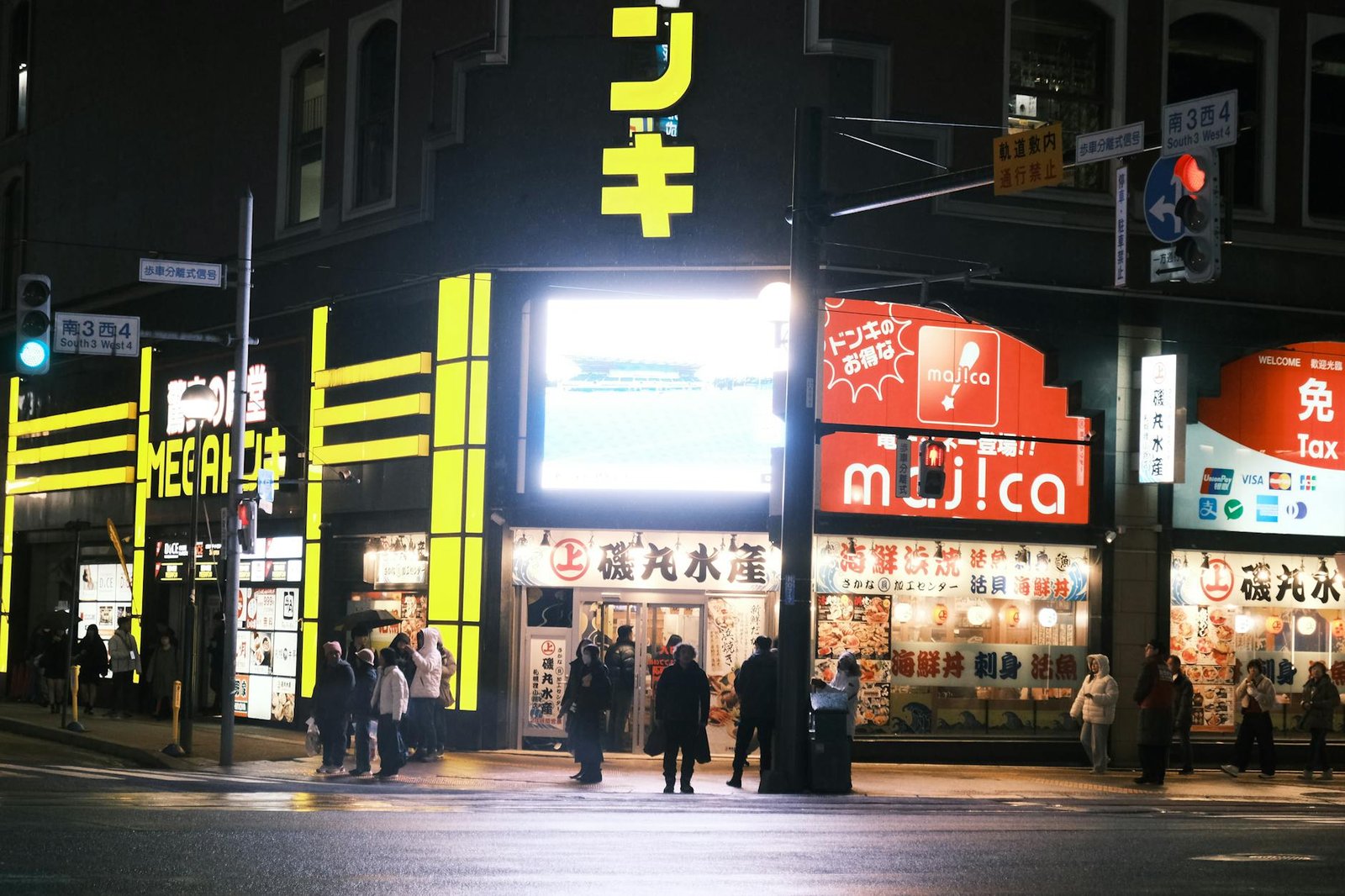
Don’t miss miso corn butter, a regional specialty available at various food stalls and convenience stores throughout Sapporo. This sweet and savory preparation perfectly captures the essence of Hokkaido comfort food. Sweet corn from the prefecture is also available fresh at numerous markets and can be enjoyed boiled simply with butter and salt. For something more substantial, try nikumushi (steamed meat), a local specialty where meat is steamed in miso, creating an intensely flavorful dish that’s particularly popular during cooler months. These accessible foods allow you to experience authentic local flavors without needing reservations or formal dining etiquette.
Best Restaurants in Sapporo
For fine dining experiences, Sapporo offers restaurants that rival those in Tokyo and Kyoto. Another exceptional choice is Sumire, which specializes in miso ramen but elevated to an art form, attracting ramen enthusiasts from around Japan despite its modest appearance. Their attention to detail in both broth preparation and ingredient sourcing demonstrates that ramen can be both humble and haute cuisine simultaneously.
For a more casual yet still excellent dining experience, visit Daruma Ramen, famous for their fish-based broth variant of Sapporo ramen, or explore the restaurants within Gantetsu Ramen Yokocho for authentic neighborhood atmosphere. Sapporo Kani Honke offers exceptional crab preparations reflecting Hokkaido’s status as Japan’s premier crab source, with king, snow and hair crab served as sashimi, steamed, fried and in hotpot, in kaiseki courses. Reservations are recommended for upscale establishments, and many appreciate if you book a day or two in advance.
When to Visit for Food
Each season brings distinct culinary highlights to Sapporo. Summer celebrates fresh corn, berries, and melons, while fall brings mushrooms, pumpkins, and the beginning of seafood season. Winter transforms Sapporo into a paradise for butter and cream-based dishes, with fresh crab and sea urchin at their peak. Spring offers delicate mountain vegetables and renewed appreciation for light broths and fresh preparations. The Sapporo Snow Festival in February, while primarily known for ice sculptures, also features excellent winter food stalls. Autumn, from September through November, represents perhaps the ideal time for food tourism, offering comfortable weather, abundant ingredients, and fewer crowds than summer.
Consider visiting during one of Sapporo’s food-focused events if timing allows. The city occasionally hosts food festivals and seasonal markets celebrating specific ingredients like asparagus or seafood. Winter is particularly special for experiencing comfort foods and hearty broths, when the cold weather makes warming bowls of ramen or miso soup feel essential. However, Sapporo’s markets and restaurants operate year-round, making any season viable for food exploration. If you have flexibility, spring and fall offer the best combination of good weather and ingredient variety.
Best Food Tours
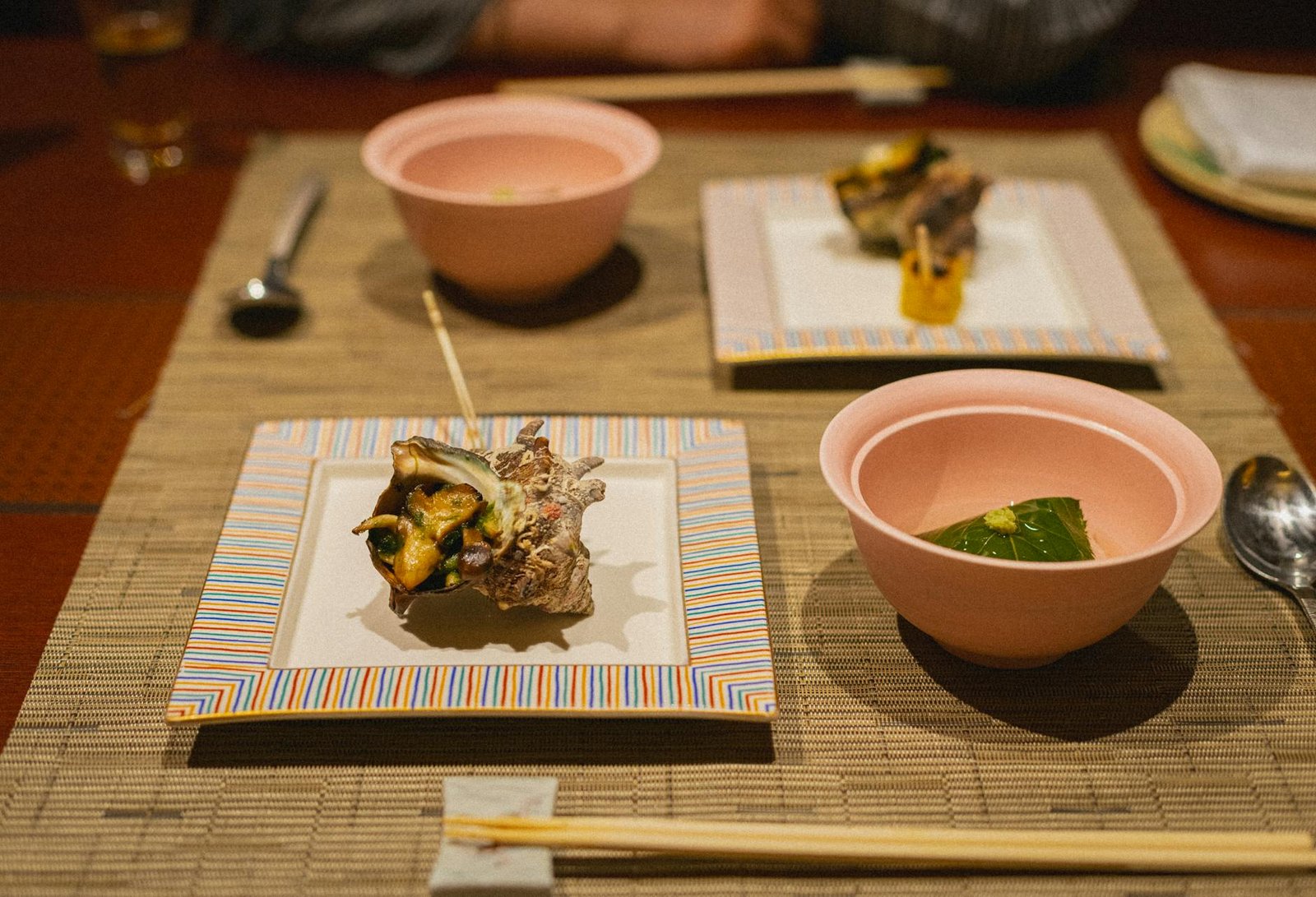
For organized food experiences, Viator offers several Sapporo food tours that include market visits, ramen tastings, and neighborhood walking tours led by knowledgeable local guides. These tours typically include transportation and provide excellent context for understanding Sapporo’s culinary history and current food scene. GetYourGuide similarly offers curated food experiences, including private cooking classes where you can learn to prepare Sapporo ramen or other local dishes. These platforms provide excellent options if you prefer structured experiences with English-speaking guides and insider access to popular restaurants and markets.
Many local tour operators also offer specialized experiences such as sake brewery visits in nearby areas or fishing village tours where you can interact directly with local fishermen and suppliers. These smaller operators often provide more personalized experiences and deeper cultural insights than larger international platforms. Regardless of which tour you choose, booking in advance is recommended, particularly during peak seasons, and guides can usually accommodate dietary restrictions with advance notice.
Practical Tips for Food Touring Sapporo
Learn a few basic Japanese phrases related to food to enhance your dining experience and show respect to restaurant staff. Many smaller establishments, particularly ramen shops and market stalls, have limited English capabilities, but staff remain incredibly hospitable and patient with visitors. Carry cash, as many traditional restaurants and market vendors don’t accept credit cards. Most restaurants are casual about dress codes, though upscale kaiseki establishments may appreciate smart casual attire. Consider visiting markets early in the morning for the best selection and most vibrant atmosphere, then explore neighborhoods and restaurants throughout the day.
Download offline maps before arriving, as cell service can be unreliable in some areas. Restaurant reservations can typically be made through hotels or tourist information centers if calling directly proves difficult. Don’t hesitate to ask locals for recommendations—Sapporo residents are genuinely proud of their food culture and love sharing their favorite spots. Finally, pace yourself; Sapporo’s abundance of excellent food makes it tempting to overindulge, but spreading your culinary adventures across multiple meals ensures you can experience greater variety without overwhelming your palate or stomach.



Book a Food Experience in Sapporo
Handpicked experiences — book with free cancellation and instant confirmation.
Explore More Food Tours
More food guides from Japan:
You might also enjoy:
- Busan Food Tour Guide (South Korea)
- Jeju Food Tour Guide (South Korea)
Featured in:
Frequently Asked Questions
What is the typical cost of a food tour in Sapporo?
Most guided food tours in Sapporo range from ¥3,000 to ¥8,000 per person (approximately $20-55 USD), depending on the tour company and inclusions. Premium tours that visit michelin-starred restaurants or include sake tastings can cost ¥10,000-15,000 or more. Many tours include food samples, drinks, and a knowledgeable guide but may not cover all meals.
How long do typical food tours in Sapporo last?
Most Sapporo food tours last between 2.5 to 4 hours, allowing time to visit multiple venues and enjoy tastings without rushing. Evening street food tours often run 3-4 hours, starting around 5-6 PM to catch the dinner crowd in Ramen Alley or Gantetsu Ramen Yokocho. Some full-day culinary experiences can extend to 6-8 hours with lunch and dinner components included.
What local Sapporo foods should I expect to encounter on a food tour?
You'll definitely experience Sapporo ramen, the city's signature dish with miso-based broth and curly noodles, often visited at historic ramen alleys like Ramen Yokocho. Other local specialties include miso butter corn, fresh Hokkaido seafood like uni and scallops, Jingisukan (grilled lamb), and Sapporo-style gyoza dumplings. Sweet treats like royce chocolate and Hokkaido dairy products such as soft-serve ice cream and fresh milk are also common tour stops.
Which neighborhoods are best for street food tours in Sapporo?
Ramen Yokocho and Gantetsu Ramen Yokocho in the Chuo Ward are the most famous street food destinations, featuring dozens of traditional ramen shops in narrow alleyways. Tanuki Koji shopping arcade offers a mix of street food stalls and casual eateries in the city center, while Susukino district combines nightlife with izakayas and street food vendors. Odori Park area and surrounding neighborhoods provide access to both traditional markets and modern food establishments.
How can I handle dietary restrictions on a Sapporo food tour?
Inform your tour operator at least 48 hours in advance about vegetarian, vegan, halal, or allergy restrictions so they can customize your itinerary and notify restaurants ahead. Sapporo's ramen often contains fish-based broth, but vegetarian alternatives can typically be arranged, and many restaurants accommodate allergies if notified early. Learning basic Japanese phrases for your dietary needs and carrying translation cards can help when communicating with smaller street food vendors who may not have English-speaking staff.