
Miami Food Tour – Best Local Food & Restaurants
Miami, USA: The Ultimate Food Guide
Why Miami is a Food Lover’s Paradise
Miami has transformed into one of North America’s most exciting culinary destinations, blending Caribbean, Latin American, African, and contemporary American cuisines into a vibrant food scene. With its diverse population of over 70% Hispanic residents, the city’s food culture reflects generations of immigration and cultural exchange. From Little Havana’s authentic Cuban cafes to Wynwood’s innovative food halls, Miami offers an incredible range of flavors that tell the stories of the communities that call it home.
The city’s strategic location as a gateway between North and South America has made it a natural hub for ingredient sourcing and culinary innovation. Fresh seafood arrives daily from the Atlantic, tropical fruits flourish in the surrounding region, and international spices and products flow through the port. This abundance, combined with world-class chefs and a thriving restaurant industry, creates an unmatched dining landscape that continues to evolve and surprise visitors.
Cuban Cuisine: The Heart of Miami’s Food Scene
Cuban food is inseparable from Miami’s identity, and Little Havana is the epicenter of this culinary tradition. Walking down Calle Ocho, you’ll find family-run restaurants serving authentic Cuban dishes that have remained virtually unchanged for decades. A must-try is the classic Cuban sandwich (sandwich cubano), featuring pulled pork, ham, Swiss cheese, and pickles pressed on Cuban bread—stop by Versailles Restaurant for their legendary version that locals have been enjoying since 1971.
Beyond sandwiches, don’t miss ropa vieja (shredded beef stew), picadillo (seasoned ground beef), and congrí (rice and black beans cooked together). For breakfast, indulge in Cuban toast with butter and guava jam, paired with a strong cafecito (small espresso). The Calle Ocho corridor offers a window into Cuban culture, and the surrounding area is dotted with small cafeterias where you can grab authentic Cuban coffee and pastries at any hour.
Fresh Seafood and Ceviche Culture
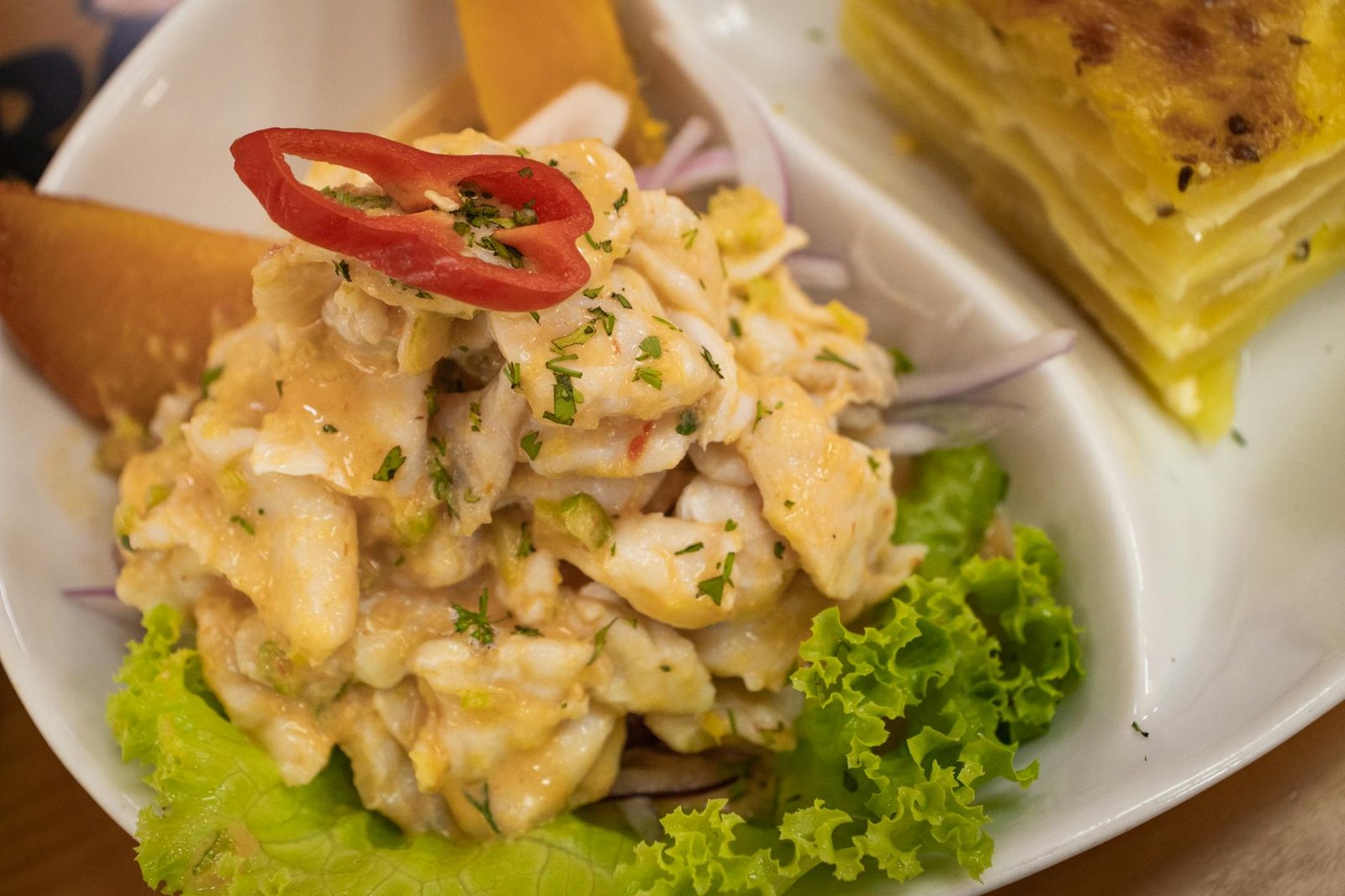
Miami’s coastal location makes it paradise for seafood enthusiasts. The Miami fish market, located near the waterfront, buzzes with activity as fishing boats unload their daily catches. Restaurants throughout the city feature fresh grouper, snapper, mahi-mahi, and stone crab, which is a seasonal delicacy available from October through May. Many establishments prepare seafood simply—grilled with lime, cilantro, and olive oil—allowing the freshness to shine.
Ceviche represents one of Miami’s most beloved seafood preparations, with Peruvian and Latin American influences creating endless variations. Visit García’s Seafood Grille & Fish Market for excellent ceviche paired with tropical juices and cocktails. The acidity of lime juice “cooks” the raw fish, creating a refreshing dish perfect for Miami’s tropical climate. The seafood-centric dining scene extends to everything from simple fish tacos at street vendors to high-end preparations at fine restaurants.
Top Street Food and Market Experiences
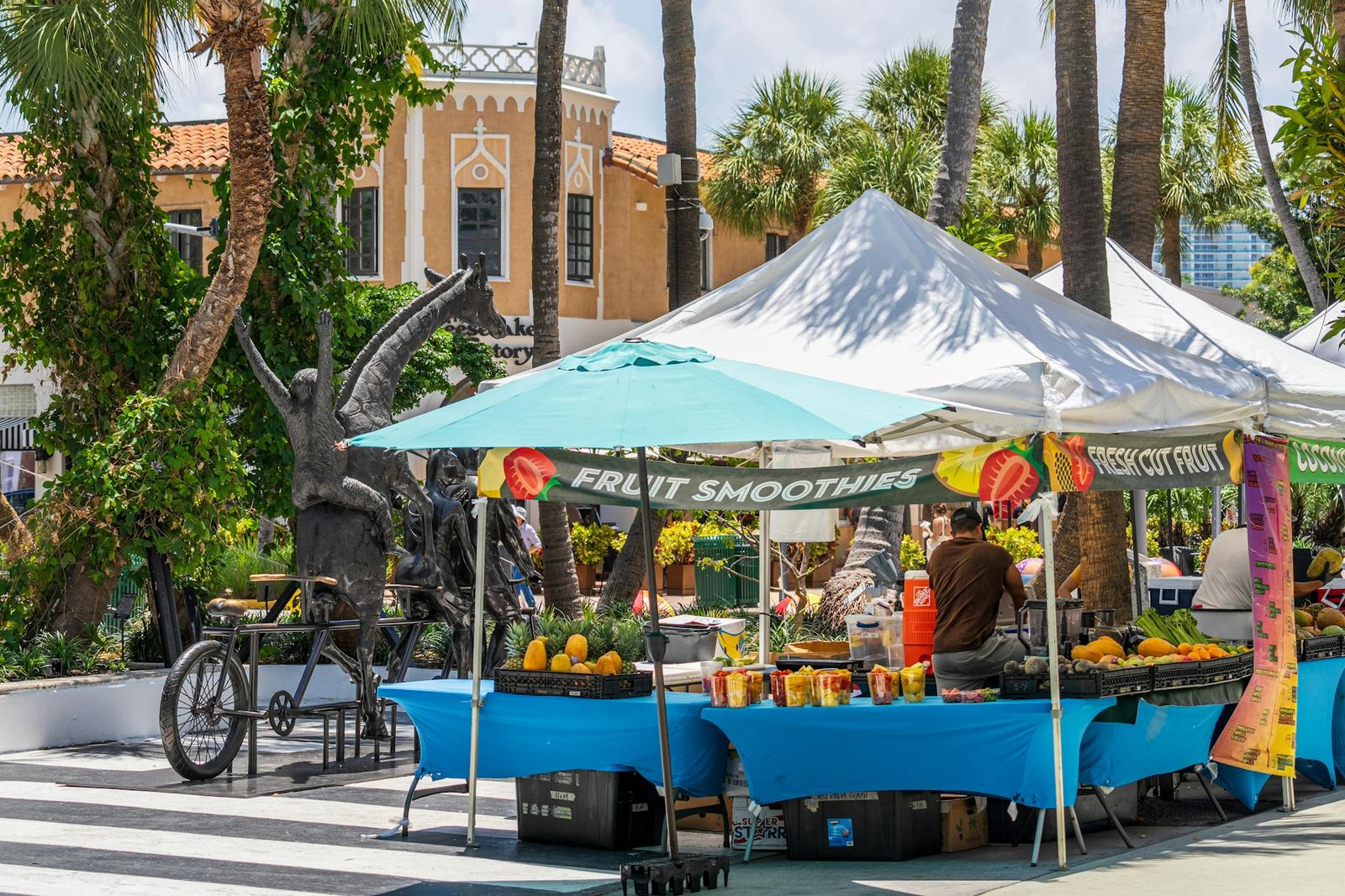
Miami’s street food scene captures the essence of the city’s multicultural makeup. Head to Wynwood Walls area where food trucks and outdoor vendors sell everything from Cuban ropa vieja to Puerto Rican alcapurrias (fried yuca and meat fritters). Wynwood Marketplace, the outdoor venue on NW 2nd Avenue open Thursday to Sunday, showcases local chefs and vendors, featuring everything from Vietnamese pho to Dominican cassava bread. Don’t miss fresh coconut water served straight from the coconut at various street corners, a refreshing tropical drink that costs just a few dollars.
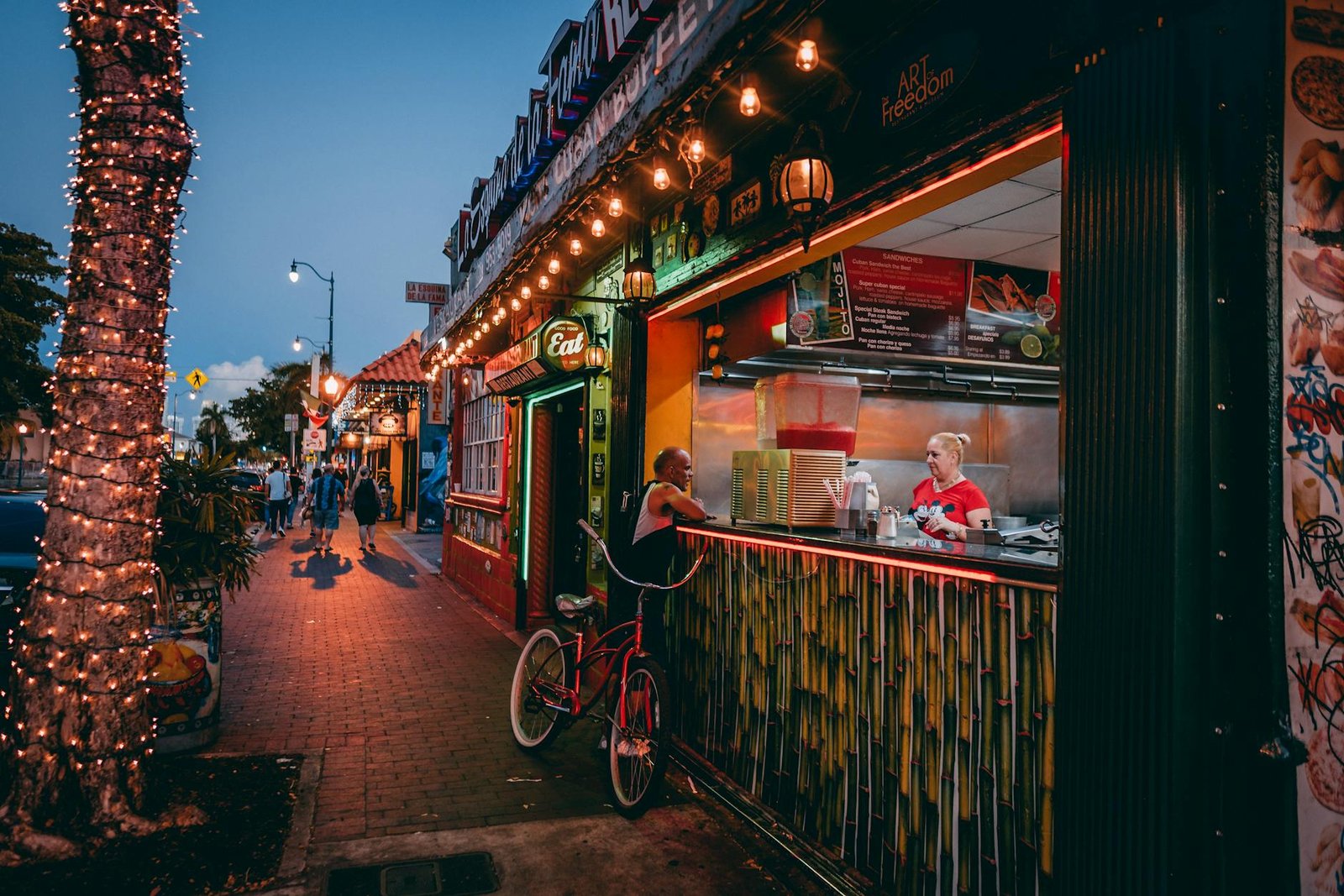
The Buena Vista Market in Wynwood functions as both a market and community gathering space where you can find tropical fruits, specialty ingredients, and ready-to-eat Caribbean dishes. For an authentic market experience, visit Sedano’s Supermarket, a Latin American chain with dozens of locations where you can explore aisles of Caribbean products, fresh plantains, and prepared foods. The Versailles Restaurant on Calle Ocho also serves as an informal gathering spot and street-food destination where you can order at the window and eat standing up, just like locals do.
Wynwood: Miami’s Culinary Innovation Hub
Wynwood has evolved from an overlooked neighborhood into Miami’s most exciting food destination, blending street art, contemporary restaurants, and innovative food halls. Wynwood Marketplace brings together multiple local vendors, offering a range of cuisines in a vibrant outdoor setting open Thursday to Sunday. Nearby, restaurants blend Peruvian, Japanese, and African influences, while Coyo Taco serves elevated street-style tacos that have earned national recognition.
The neighborhood’s appeal lies in its creative energy and willingness to experiment. You’ll find fermentation-focused restaurants, zero-waste dining concepts, and chefs who source from local urban farms. The colorful murals that cover building facades create the perfect backdrop for Instagram-worthy dishes and craft cocktails. Take an afternoon to explore the galleries, pop-up restaurants, and weekend food markets that make Wynwood feel more like a culinary playground than a neighborhood.
Best Restaurants Worth the Visit
Versailles Restaurant on Calle Ocho remains the most iconic Cuban restaurant in Miami, established in 1971 and still family-owned. The menu features traditional dishes at reasonable prices, and the restaurant has hosted everyone from politicians to celebrities. If you’re seeking contemporary American with Caribbean influences, Coyo Taco has achieved cult status with its Korean-Mexican fusion and sustainable practices.
For fine dining, Michael Schwartz’s Michael’s Genuine Food & Drink in Design District serves American comfort food elevated with seasonal ingredients and meticulous technique. For seafood specifically, García’s Seafood Grille & Fish Market offers ultra-fresh fish at a casual waterfront setting, while Casa Tua in Coconut Grove provides an intimate dining experience in a historic Mediterranean-style home with Caribbean and Latin American-inspired dishes. Each restaurant tells a story about Miami’s culinary evolution and multicultural character.
Best Food Tours for First-Time Visitors
Several excellent food tour companies operate in Miami, making it easy to explore neighborhoods with expert guidance. Viator offers guided food tours of Little Havana and Wynwood, where knowledgeable guides share the history of dishes and neighborhoods while you taste authentic foods. GetYourGuide provides similar services with options for small group or private tours, including specific focused experiences like Cuban food tours or seafood-focused excursions. These platforms allow you to book tours directly with verified operators and read reviews from other travelers.
For a more immersive experience, consider joining a walking tour that combines food tastings with cultural history. Many tours include visits to local markets, family-run restaurants, and hole-in-the-wall gems that tourists often miss. Tours typically last 3-4 hours and include multiple food stops with generous portions, making them both delicious and educational. Booking in advance through Viator or GetYourGuide ensures availability and allows you to choose the neighborhood and cuisine type that interests you most.
When to Visit for the Best Food Scene
Miami’s food scene thrives year-round, but certain seasons offer special advantages. Winter months (December through February) bring cooler temperatures, ideal for enjoying street food and outdoor markets without melting. This season also features Miami Spice, a restaurant promotion where participating establishments offer special prix-fixe menus at reduced prices. The winter season coincides with stone crab season (October through May), making it the perfect time to experience this local delicacy.
Spring and fall offer pleasant weather and fewer crowds than winter while still providing excellent dining conditions. Summer brings slightly higher prices and heat, but this is when local farmers markets are most abundant with tropical fruits and vegetables. Plan your visit around food festivals like Miami Culinary Month or specific neighborhood events. Regardless of season, Miami’s tropical climate means fresh seafood and produce year-round, ensuring excellent eating opportunities whenever you visit.



Book a Food Experience in Miami
Handpicked experiences — book with free cancellation and instant confirmation.
Explore More Food Tours
More food guides from USA:
- New Orleans Food Tour Guide
- New York Food Tour Guide
- San Francisco Food Tour Guide
- Best Food Cities in the USA 2026
You might also enjoy:
- Toronto Food Tour Guide (Canada)
- Vancouver Food Tour Guide (Canada)
Featured in:
Frequently Asked Questions
What is the typical cost of a food tour in Miami?
Most food tours in Miami range from $75 to $150 per person, depending on the neighborhood and number of stops included. Premium tours featuring upscale restaurants or private guides can cost $200-$300, while budget-friendly options in Little Havana or Wynwood might be $60-$80.
How long does a typical Miami food tour last?
Most food tours in Miami last between 2.5 to 4 hours, allowing time for walking between venues and enjoying tastings at each stop. Some specialized evening tours or multi-neighborhood experiences can extend to 5-6 hours with more extensive dining experiences.
What local Miami food should I expect to try on a food tour?
You'll likely encounter Cuban specialties like ropa vieja, pastelitos, and Cuban sandwiches, along with fresh ceviche, conch salad, and stone crab—iconic to Miami's Caribbean and Latin American heritage. Expect to sample Cuban coffee, mojitos, and desserts like flan and guava pastries that reflect the city's vibrant cultural influences.
What are the best Miami neighborhoods for street food tours?
Little Havana is the premier destination for authentic Cuban street food and family-owned restaurants with decades of history. Wynwood offers trendy food stands and food halls with diverse cuisines, while Allapattah and Buena Vista are emerging neighborhoods known for authentic Latin American street vendors and casual eateries.
How can I handle dietary restrictions on a Miami food tour?
Always inform the tour operator about dietary restrictions (vegan, gluten-free, kosher, etc.) when booking, as most reputable companies can arrange alternative stops or modify tastings in advance. Miami's diverse food scene makes accommodations relatively easy, and many restaurants offer plant-based versions of traditional dishes or fresh seafood alternatives.