Dubai Food Tour – Best Local Food & Restaurants
Dubai, UAE: The Ultimate Food Guide
A Melting Pot of Culinary Traditions
Dubai’s food scene is a fascinating reflection of its position as a global crossroads, where Emirates, Indian, Lebanese, Pakistani, and Asian cuisines converge in spectacular harmony. This desert metropolis has transformed into one of the world’s most exciting culinary destinations, offering everything from humble street food carts to fine dining restaurants. The city’s diverse expatriate population has shaped a vibrant gastronomic landscape where traditional Emirati dishes sit comfortably alongside contemporary fusion cuisine, creating an unparalleled dining experience that caters to every palate and budget.
What makes Dubai’s food culture particularly special is how it celebrates both authenticity and innovation. You’ll find family-run establishments serving recipes passed down through generations, while forward-thinking chefs experiment with molecular gastronomy and modern presentations. The city’s commitment to food tourism means restaurants and markets actively welcome visitors seeking genuine culinary experiences, making it easy to navigate this diverse food landscape even as a first-time visitor.
Exploring Traditional Emirati Cuisine
To truly understand Dubai, you must taste its native cuisine. Traditional Emirati food reflects centuries of Bedouin heritage and coastal trading influences, characterized by aromatic spices, dates, and lamb. Dishes like Al Harees, a slow-cooked blend of wheat and meat that’s traditionally prepared during Ramadan, represent the soul of local cooking. Machboos, a fragrant rice dish layered with tender meat and spices, and Lugaimat, sweet fried dough pastries drizzled with date syrup, are must-try classics that define Emirati comfort food.
Al Reef Bakery in Deira is an excellent starting point for authentic Emirati breakfasts, offering traditional fare like Chebab (stuffed pancakes) and fresh-baked flatbread. For a more upscale experience with cultural ambiance, visit Arabian Tea House Restaurant in Al Fahidi Historical District, where you can enjoy traditional dishes in a beautifully restored heritage home. The restaurant’s Thareed—a bread and meat stew—and fresh date and cheese pastries provide an authentic taste of Emirati comfort cuisine in an atmosphere that transports you back to old Dubai.
Top Street Food Experiences
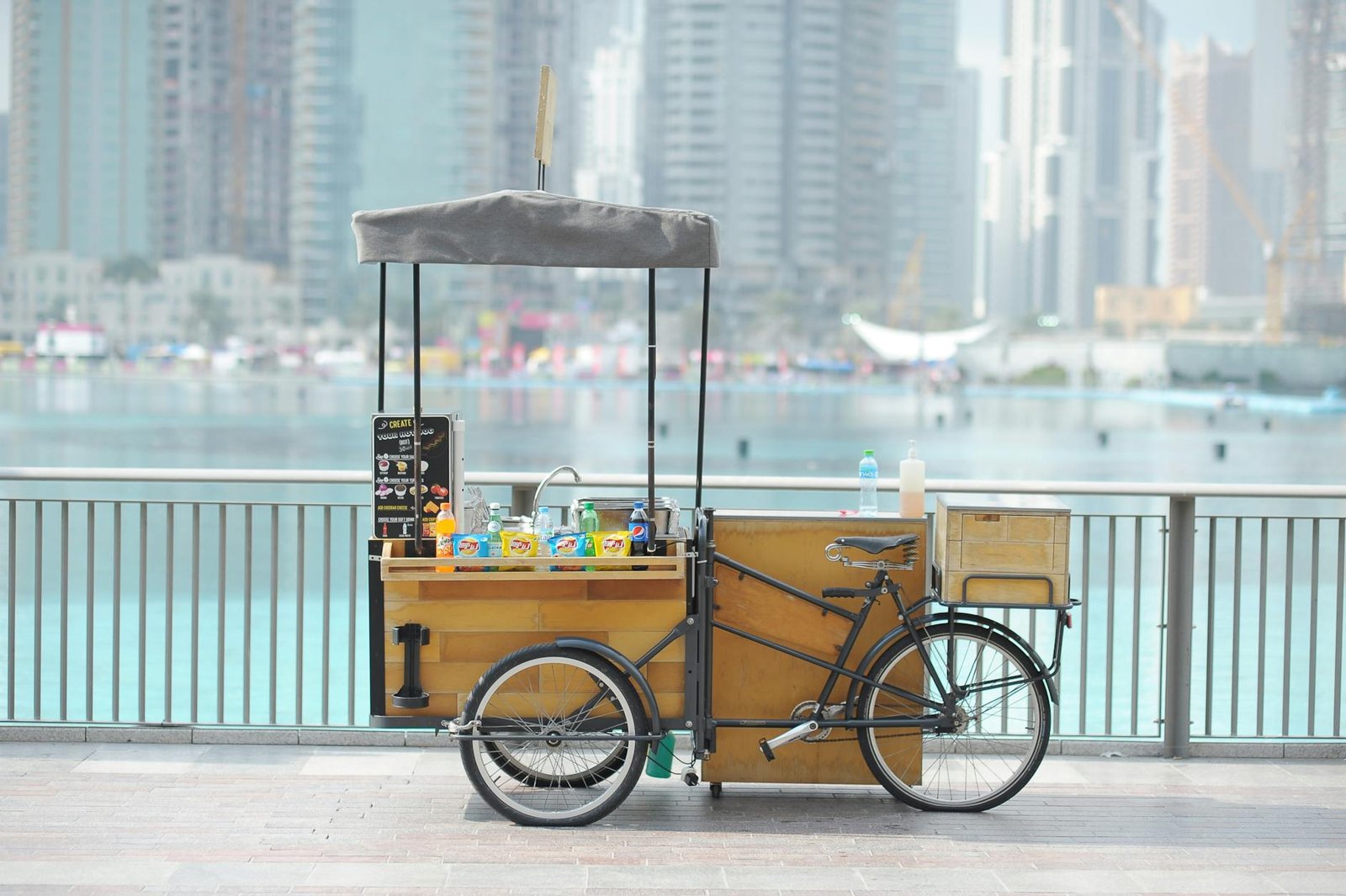
Dubai’s street food scene pulses with energy, particularly around Deira and Bur Dubai. The legendary Zaroob in Al Manara serves authentic Iraqi street food, with their Shawarma Arabi and grilled meats earning cult status among food lovers. The casual outdoor seating and incredibly affordable prices make it perfect for experiencing genuine local flavors without pretense. Al Mallah, a tiny establishment in the heart of Deira, has been serving their famous Chicken Shawarma for decades, with queues forming daily as hungry diners queue for what many consider the best in the city.
For fresh seafood at bargain prices, visit Seafood Market in Deira early morning, where you can select your catch and have it grilled on-the-spot at one of the adjacent restaurants. Ravi Restaurant offers incredibly flavorful Pakistani and Indian street food, including their famous Nihari (slow-cooked meat stew) and perfectly executed Biryani, all served in a no-frills environment that celebrates flavor over formality. These street food destinations offer authentic experiences that cost just a few dirhams, allowing you to eat like a local without breaking the bank.
The Vibrant Markets and Souks
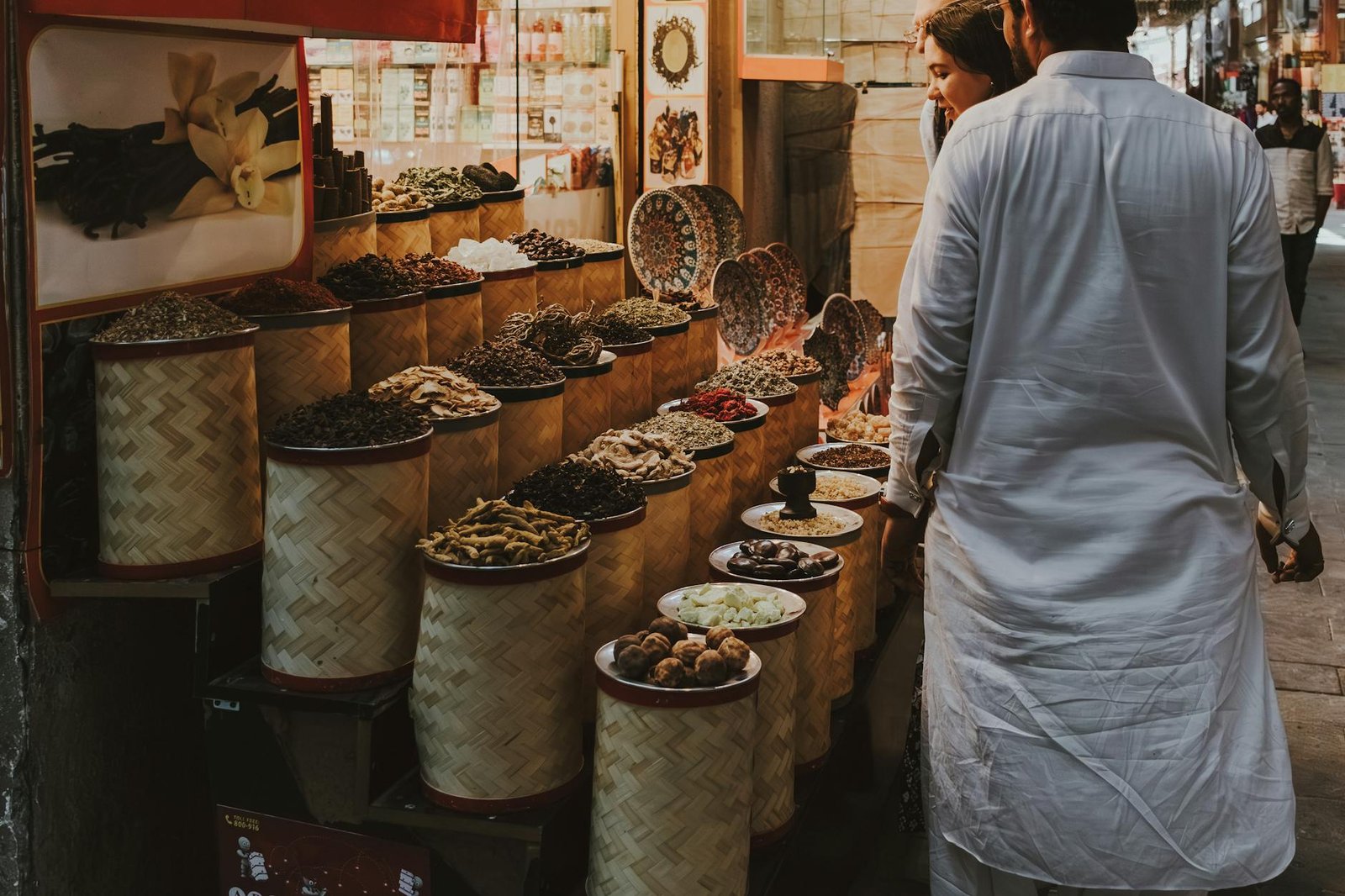
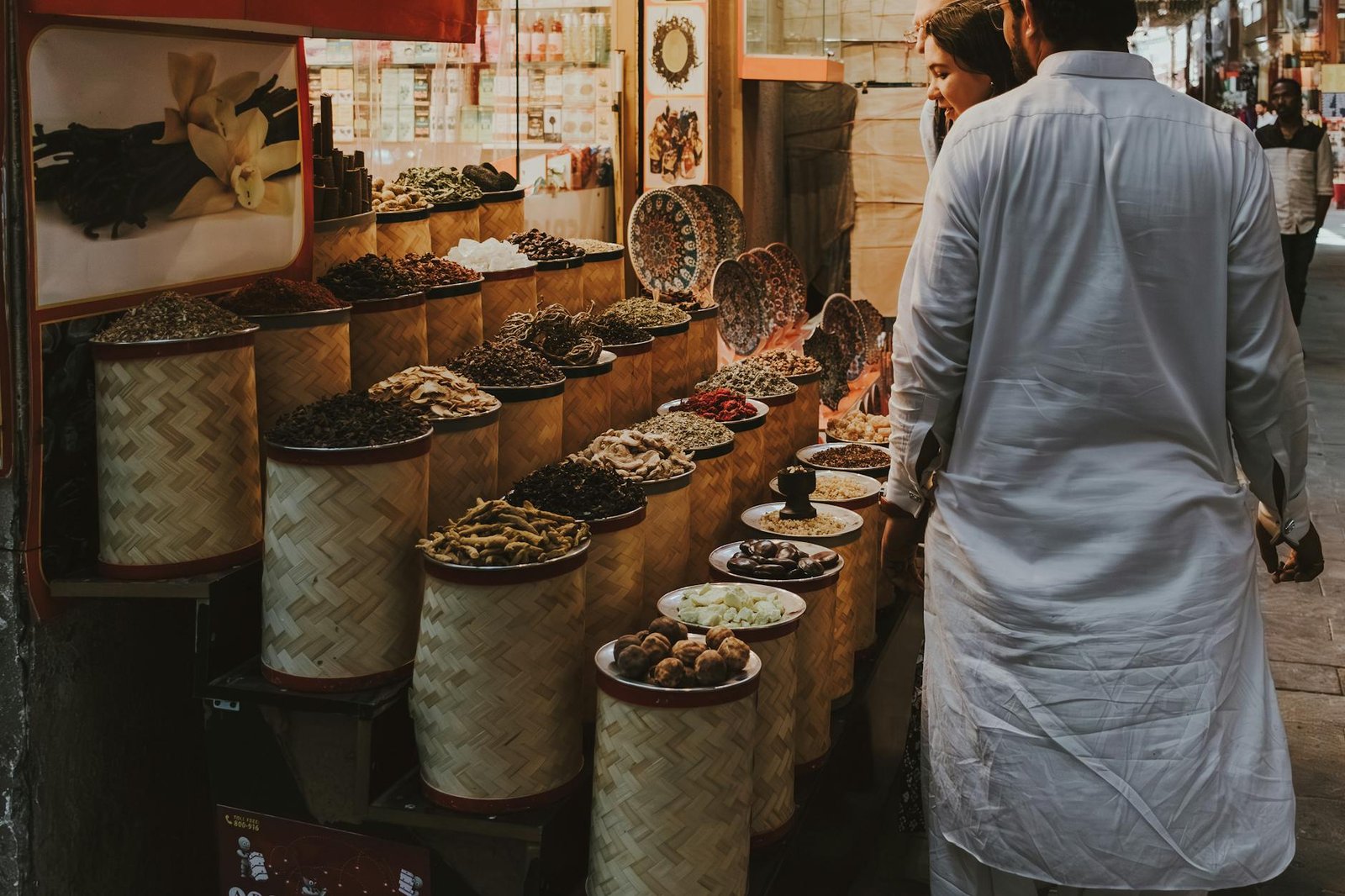
The Gold Souk and Spice Souk in Deira are sensory experiences that go far beyond shopping. The Spice Souk, in particular, is a feast for all senses, with vendors selling saffron, cardamom, sumac, and dozens of other aromatic spices used in regional cuisine. Walking through these narrow lanes, you’ll encounter vendors offering fresh dates, nuts, and traditional Arabic sweets. This is where local chefs source their ingredients, and the vibrant chaos reflects Dubai’s rich trading heritage.
The Central Market in Deira showcases rows of fresh produce, meat, and seafood that supply the city’s restaurants. While primarily a working market, it welcomes visitors interested in seeing where Dubai’s culinary magic begins. The early morning hours are best, when the market bustles with energy and you can observe vendors selecting the finest ingredients. Chatting with merchants about their products often leads to recommendations for nearby eateries and insights into local cooking techniques that you won’t find in guidebooks.
Best Food Tours in Dubai
For visitors wanting guided culinary experiences, Viator offers excellent Dubai food tours that include visits to markets, local restaurants, and cooking demonstrations. Their “Dubai Old Town Food Walking Tour” provides structured exploration of Deira and Bur Dubai with expert guides who share cultural context alongside recommendations. GetYourGuide similarly offers comprehensive food tours, including their popular “Dubai Desert Food Safari,” which combines traditional Bedouin dining experiences with desert activities, providing authentic cuisine within a cultural setting.
Both platforms offer tours tailored to different interests and budgets, from budget-friendly street food walks to luxury dining experiences. Look for tours that include market visits and visits to family-run restaurants rather than tourist-heavy establishments. The advantage of guided tours is that local experts can navigate language barriers, explain cultural significance, and access eateries that might be difficult to find independently. Booking these tours also ensures you’re experiencing food in safe, organized environments with knowledgeable professionals.
Best Restaurants Across Cuisines
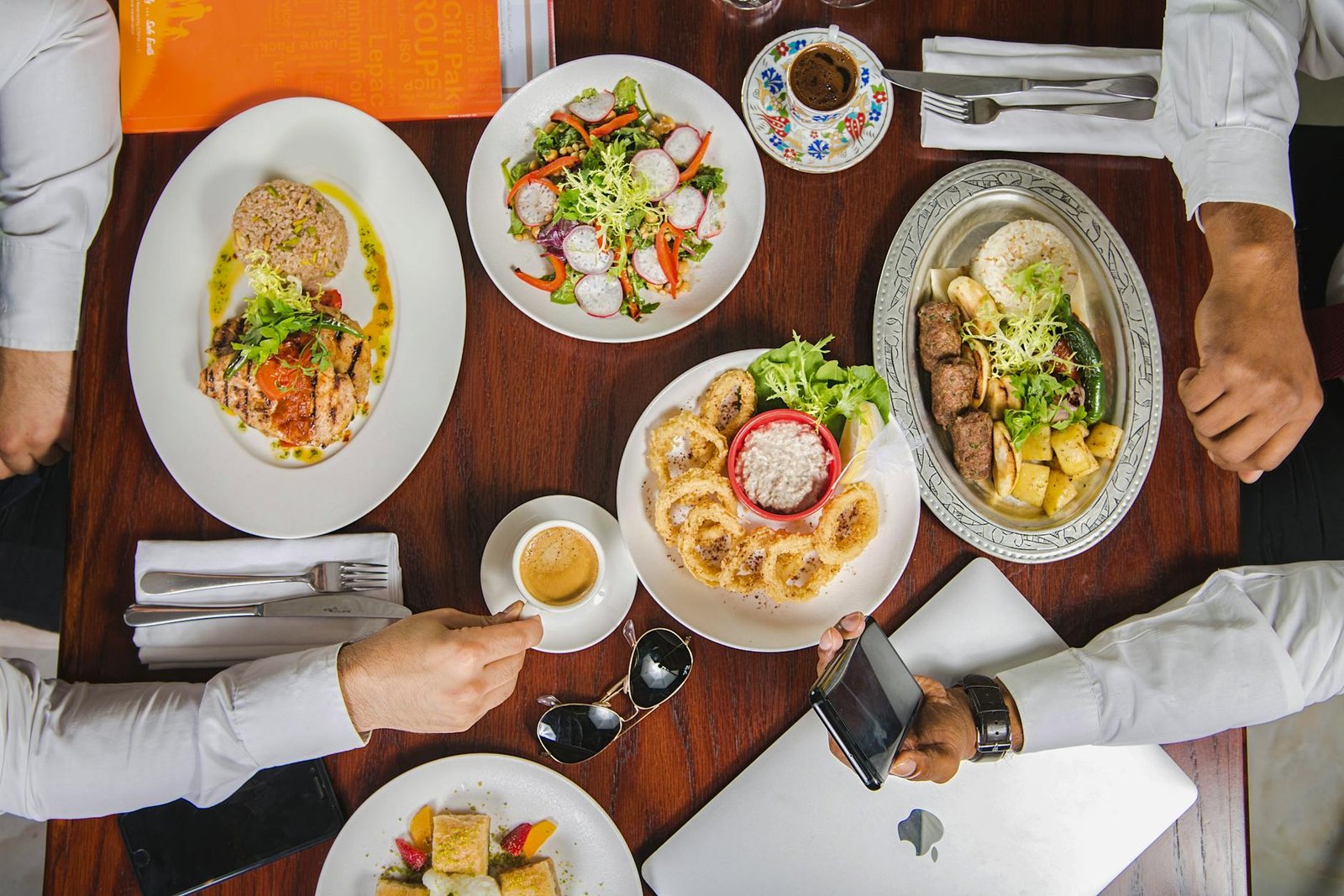
Dubai’s restaurant scene spans the globe. For contemporary Middle Eastern cuisine with artistic presentation, the dining scene offers Japanese-Peruvian fusion in elegant settings overlooking the Arabian Gulf. For traditional Lebanese flavors, Al Mallah and Zaroob provide authentic experiences, while Al Reef Bakery showcases Emirati heritage cuisine. Indian food lovers should experience Ravi, Pawar Family Restaurant, or Indigo for dishes ranging from street food classics to regional specialties.
For fine dining experiences, try Nusr-Et for theatrical salt-bae service and premium cuts of meat, or explore the diverse offerings in DIFC (Dubai International Financial Centre) where restaurants like Zuma and Sexy Fish Dubai cater to sophisticated palates. Budget-conscious foodies should prioritize Deira establishments like Arabian Tea House and small family restaurants serving Pakistani and Indian cuisine. The key to dining well in Dubai is balancing splurge-worthy fine dining with authentic local spots, creating a complete culinary narrative of the city.
When to Visit for Food
The best time to visit Dubai for food tourism is October through April, when cooler weather makes exploring outdoor markets and street food stalls comfortable. Ramadan (typically March-April in upcoming years) offers unique culinary experiences, with evening Iftar meals showcasing special traditional dishes, though many restaurants adjust hours during this month. The annual Dubai Food Festival typically occurs in February and March, celebrating local cuisine with special events, cooking demonstrations, and chef collaborations throughout the city.
During summer months (May-September), when temperatures exceed 40°C (104°F), the pace of food tourism slows, though air-conditioned restaurants continue operating normally. Planning your visit around Ramadan if you’re interested in traditional Emirati cuisine offers unparalleled opportunities to experience communal dining and special holiday dishes. Regardless of season, Dubai’s year-round appeal as a food destination means you’ll find excellent culinary experiences whenever you visit.
Practical Tips for Food Tourism in Dubai
Dubai is remarkably food-tourist-friendly, with clear signage, English widely spoken in most establishments, and multiple payment options. Download the Google Maps app for finding restaurants and reading recent reviews from other travelers. Most authentic local eateries operate on small profit margins, so cash is often preferred and may even earn you discounts. Dress modestly when dining in traditional areas like Deira, and be respectful of prayer times when visiting markets or eating establishments.
Don’t miss trying fresh juices from street vendors—mango, date, and carrot juice blends are refreshing and affordable. Embrace the local coffee culture by enjoying traditional Arabic coffee and dates, a welcoming gesture offered in many establishments. Finally, ask restaurant staff for recommendations on local specialties and don’t be afraid to try unfamiliar dishes. Dubai’s food culture thrives on sharing and hospitality, and locals genuinely enjoy helping visitors discover authentic culinary treasures.



Book a Food Experience in Dubai
Handpicked experiences — book with free cancellation and instant confirmation.
Explore More Food Tours
More food guides from UAE:
You might also enjoy:
- Jeddah Food Tour Guide (Saudi Arabia)
- Riyadh Food Tour Guide (Saudi Arabia)
- Jerusalem Food Tour Guide (Israel)
- Tel Aviv Food Tour Guide (Israel)
- Cairo Food Tour Guide (Egypt)
Featured in:
Frequently Asked Questions
What is the typical cost of a food tour in Dubai?
Most guided food tours in Dubai range from AED 150 to AED 400 per person (approximately $40-$110 USD), depending on the duration and inclusions. Premium tours featuring Michelin-starred restaurants or private guides can cost AED 500-AED 1,000 or more. Budget-friendly options like self-guided street food walks in Deira are available for under AED 100.
How long do typical food tours in Dubai last?
Most food tours in Dubai last between 3 to 4 hours, covering 4-6 food stops with cultural commentary. Evening food tours often run 2.5 to 3 hours and include dinner at a traditional restaurant. Full-day culinary experiences can extend to 6-8 hours with multiple neighborhoods and cooking demonstrations.
What local Dubai and Emirati food should I expect to taste on a food tour?
You'll typically encounter traditional dishes like Al Harees (slow-cooked meat and wheat), Thareed (bread and meat stew), fresh seafood like hammour, and fragrant rice dishes such as Majboos. Street food highlights include shawarma, falafel, fresh dates, and Luqaimat (sweet fried dumplings), along with Arabic coffee and fresh juices. Many tours also feature dishes influenced by Dubai's diverse immigrant communities, including Pakistani biryanis and Indian curries.
Which neighborhoods are best for street food tours in Dubai?
Al Fahidi Historical District and Deira Spice Souk are premier destinations for authentic Emirati and Arabian street food with traditional charm and heritage. Ravi Restaurant area in Karama offers excellent budget-friendly Pakistani and Indian street food options. The Beach Bar and Grill district in Jumeirah provides modern street food, while Bastakiya Quarter combines historic ambiance with traditional local cuisine.
What tips should I follow for food tours if I have dietary restrictions?
Always inform the tour operator of your dietary restrictions at least 48 hours in advance, as many traditional Emirati dishes contain meat or seafood, though vegetarian alternatives exist. Halal meat is standard in Dubai, and many restaurants can accommodate gluten-free requests with advance notice. When booking, ask specifically about ingredient sourcing and preparation methods, as cross-contamination risks exist in busy souks and street food stalls.