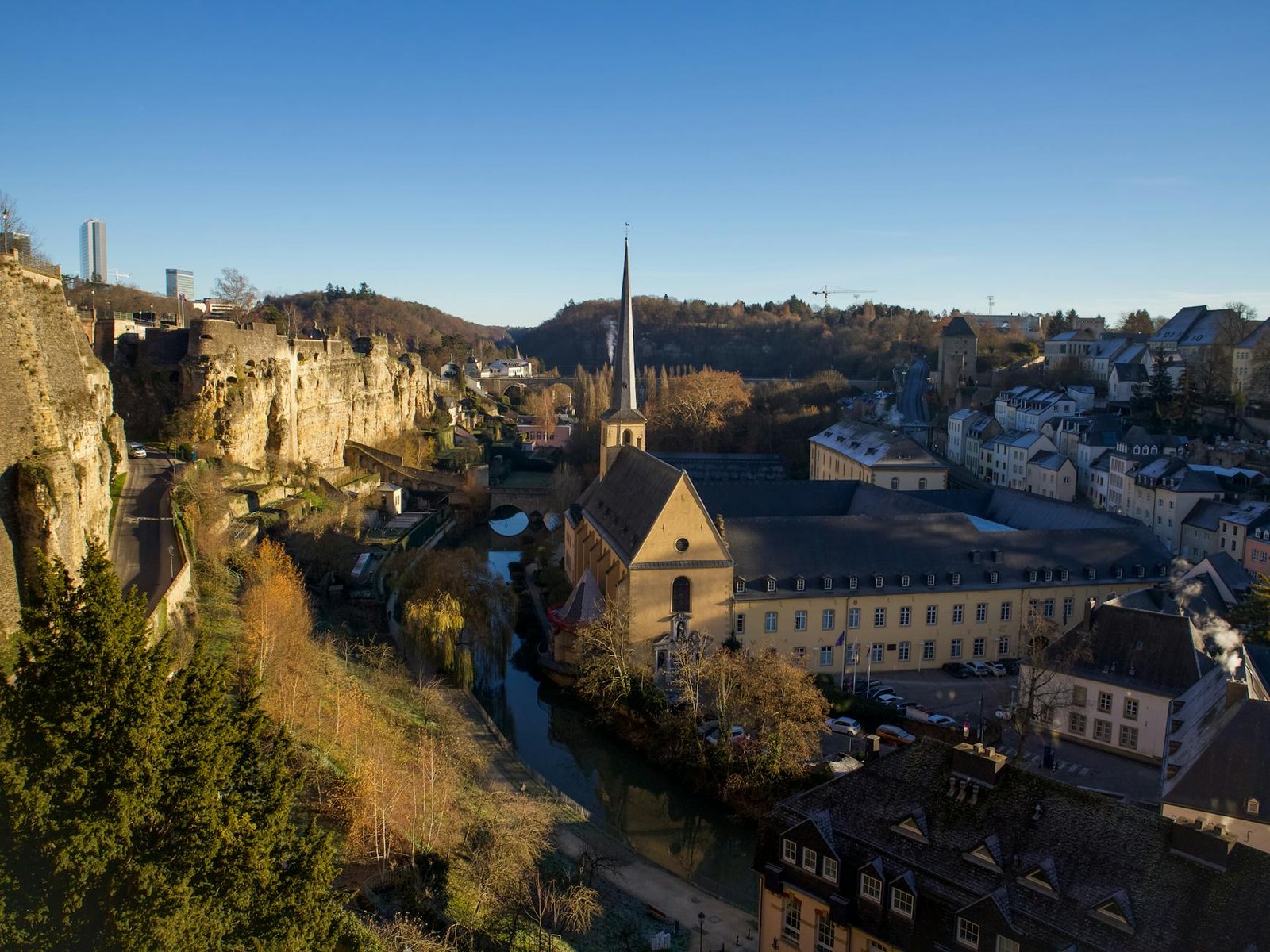
Luxembourg City Food Tour – Best Local Food & Restaurants
Luxembourg City, Luxembourg: The Ultimate Food Guide
Introduction: A Culinary Crossroads in Europe
Luxembourg City is a hidden gem for food lovers, sitting at the crossroads of French, German, and Belgian culinary traditions. This small but vibrant capital punches well above its weight when it comes to gastronomy, offering everything from fine dining to humble street food stalls tucked away in cobblestone alleyways. Despite its modest size, Luxembourg City boasts an impressive food scene that reflects centuries of cultural blending and a commitment to quality ingredients sourced from local producers.
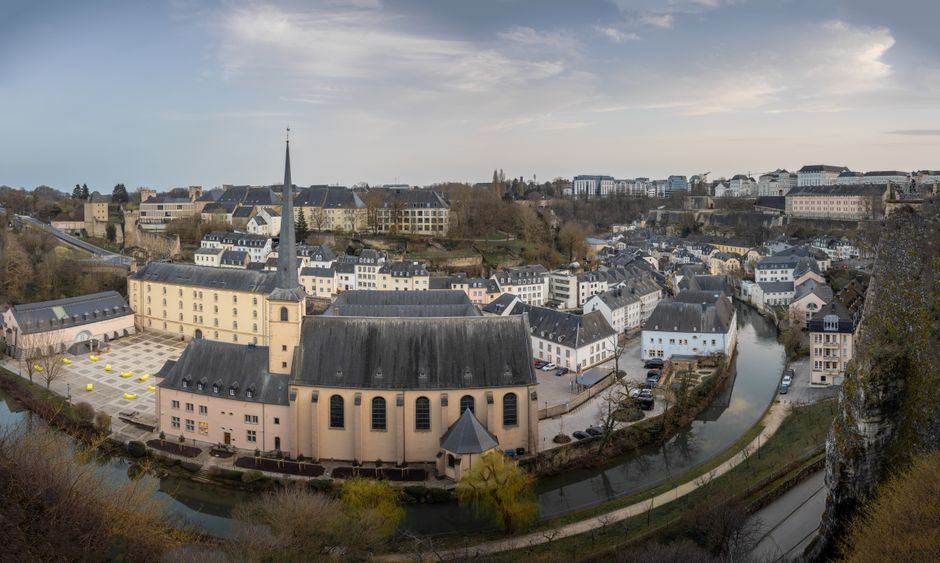
The city’s medieval old town, with its picturesque bridges spanning deep gorges, provides the perfect backdrop for culinary exploration. Whether you’re wandering through the Grund district or exploring the upscale Ville Haute neighborhood, you’ll discover restaurants and eateries that celebrate both traditional Luxembourgish cuisine and contemporary European cooking. The locals, known as Luxembourgers, take their food seriously, and you’ll find that dining here is as much about community and tradition as it is about flavor.
Traditional Luxembourgish Dishes You Must Try
To truly understand Luxembourg’s food culture, you need to taste its signature dishes. Judd mat Gaardebounen, a hearty stew of smoked pork jowl with broad beans, is the national dish and a winter favorite that warms both body and soul. Another essential dish is Träipen, blood sausage served with mashed potatoes and applesauce, which might sound adventurous but offers authentic, comforting flavors that locals have enjoyed for generations. These traditional recipes represent the rural, agricultural heritage of Luxembourg and are served in nearly every restaurant that takes pride in local cuisine.
Fish enthusiasts should seek out Trout à la Luxembourgeoise, freshwater trout prepared with local herbs and butter, reflecting the country’s love of pristine river fish. Don’t miss Knacké, a Luxembourgish sausage specialty that appears everywhere from restaurant menus to street stalls. For something lighter, try Pain de foie gras or Pâté de foie gras, which showcase Luxembourg’s refined approach to charcuterie and are often served as appetizers in fine dining establishments. These dishes tell the story of Luxembourg’s landscape and its people’s deep connection to their land.
Top Street Food and Markets
The old town market scene is a must-visit destination for any culinary traveler, with Wednesday and Saturday morning markets bursting with colorful produce, artisanal cheeses, cured meats, and fresh flowers. Local vendors sell everything from farm-fresh vegetables to homemade jams, and it’s an excellent place to pick up picnic supplies or chat with producers about their craft. The market atmosphere captures the essence of Luxembourg’s commitment to fresh, local ingredients.
For grab-and-go treats, explore the street food scene near Place d’Armes, where you’ll find crepe stands, waffle vendors, and bakeries selling fougasse, a traditional Luxembourgish flatbread. Various bakeries sell Luxembourg’s famous butter cookies and quenelles (small fried pastries). The Gare Centrale area also hosts food vendors selling sandwiches and local specialties perfect for lunch or snacks between sightseeing adventures.
Best Restaurants and Dining Districts
The Grund district, nestled in a dramatic valley, is home to some of the city’s most charming restaurants with stunning views of the gorges, specializing in traditional Luxembourgish cuisine served in intimate, historic settings. The Ville Haute area features more upscale options, including establishments where innovative chefs reimagine local traditions. Brasserie “Favorite” serves excellent regional specialties in a welcoming atmosphere, while Les Copains d’Abord is a quietly beloved neighbourhood spot that locals regularly recommend.
For contemporary dining experiences, the Quartier des Affaires business district has seen tremendous growth in its restaurant scene. Coté Cour serves excellent French-inspired cuisine, while Brasserie “Favorite” offers refined international cooking in a sleek setting. For a more casual experience, head to the streets around Rue de la Loge, where you’ll find everything from Italian trattorias to seafood bistros. Regardless of where you dine, expect high-quality ingredients and professional service—hallmarks of Luxembourg’s food culture.
Cheese, Charcuterie, and Wine Culture
Luxembourg’s dairy tradition runs deep, and while the country produces relatively few cheeses of its own, it’s a major center for cheese appreciation. Luxembourg’s proximity to major cheesemaking regions means you’ll find exceptional varieties here at competitive prices.
The country’s wine culture reflects its geography, with Moselle wines from the eastern border region earning international recognition. Local wine bars and restaurants feature Luxembourg’s crisp white wines, particularly Pinot Gris and Riesling varieties, which pair beautifully with the local cuisine. Specialized wine shops throughout the city offer tastings and recommendations, making it easy to discover new favorites to bring home. Many restaurants feature wine pairings for multi-course meals, introducing diners to Luxembourg’s best-kept vinicultural secrets.
When to Visit for Food
Spring (April-May) is an excellent time to visit, as fresh produce floods the markets and restaurants feature seasonal dishes celebrating asparagus, artichokes, and spring lamb. Summer (June-August) brings outdoor dining and street food festivals, though this is peak tourist season and restaurants can be crowded. Autumn (September-October) offers the best weather and marks the beginning of hunting season, when game dishes appear on menus across the city. Winter (November-February) is the season for hearty traditional dishes like Judd mat Gaardebounen and is arguably the most authentic time to experience Luxembourgish food culture.
If possible, plan your visit to coincide with local food festivals. The Luxembourg City Food Festival, typically held in autumn, celebrates the country’s culinary heritage with cooking demonstrations, tastings, and special menus at participating restaurants. Easter and Christmas also bring special seasonal treats, including traditional pastries and confections found only during these holidays. Visiting during food festivals enhances your understanding of local traditions while supporting the community’s culinary artisans.
Best Food Tours Available
Viator offers several excellent food tours of Luxembourg City, including guided old town walking tours with stops at local markets and traditional restaurants. These curated experiences typically last 3-4 hours and include tastings of signature dishes and wines, led by knowledgeable local guides who share stories about the city’s culinary heritage. GetYourGuide similarly provides comprehensive food tours, including market visits and small-group dining experiences that allow you to explore neighborhoods while learning about local food culture directly from experts.
For independent travelers, food tour apps and self-guided tour maps are available through the Luxembourg City Tourism Office. Many hotels and hostels also arrange specialized food experiences, from cheese tastings to wine-pairing dinners. These organized tours are invaluable for first-time visitors wanting to maximize their culinary exploration while gaining cultural insights that enhance the entire experience.
Final Tips for Culinary Success
Make restaurant reservations in advance, especially for dinner service and at popular establishments, as Luxembourg City’s dining scene can get crowded despite the city’s small size. Learn a few food words in Luxembourgish—the locals appreciate the effort, and it enhances your cultural experience. Don’t rush meals; dining is a leisurely social experience here, and restaurants expect you to linger over courses without pressure to vacate quickly. Budget accordingly, as Luxembourg is one of Europe’s pricier destinations, though quality justifies the cost.
Embrace both fine dining and street food equally—some of your best memories will come from casual encounters and simple pleasures. Bring cash for markets and smaller eateries, though most restaurants accept cards. Finally, ask locals for recommendations; Luxembourgers are proud of their food culture and genuinely enjoy sharing their favorite spots with curious visitors. This warm hospitality combined with exceptional cuisine makes Luxembourg City an unforgettable culinary destination.


Book a Food Experience in Luxembourg City
Handpicked experiences — book with free cancellation and instant confirmation.
Explore More Food Tours
You might also enjoy:
- Hamburg Food Tour Guide (Germany)
- Nuremberg Food Tour Guide (Germany)
- Berlin Food Tour Guide (Germany)
- Cologne Food Tour Guide (Germany)
- Frankfurt Food Tour Guide (Germany)
- Ghent Food Tour Guide (Belgium)
Featured in:
Frequently Asked Questions
How much does a food tour in Luxembourg City cost?
Food tours in Luxembourg City typically range from €25 to €80 per person for a guided group tour. Private tours and premium culinary experiences can cost more, while self-guided food walks are often free or low-cost.
How long do food tours in Luxembourg City last?
Most guided food tours in Luxembourg City last between 2 and 4 hours and include multiple tasting stops. Walking food tours tend to run around 3 hours, while sit-down dining experiences may last longer.
What local dishes should I try on a Luxembourg City food tour?
A food tour in Luxembourg City is the best way to discover authentic local specialties. Your guide will take you to street food markets, traditional restaurants, and neighbourhood gems that locals love — dishes you would never find on your own.
What is the best area for street food in Luxembourg City?
The best areas for street food and local cuisine in Luxembourg City are usually found in the old town, central food markets, and traditional neighbourhoods away from the main tourist hotspots. A local food guide will show you exactly where to go.
Are food tours in Luxembourg City suitable for people with dietary restrictions?
Most food tour operators in Luxembourg City can accommodate vegetarian, vegan, halal, and gluten-free diets with advance notice. Always inform your guide of any dietary requirements when booking so they can plan the best route for you.