
Zadar Food Tour – Best Local Food & Restaurants
“`html
Zadar, Croatia: The Ultimate Food Guide
The Flavors of Dalmatia: What Defines Zadar’s Cuisine
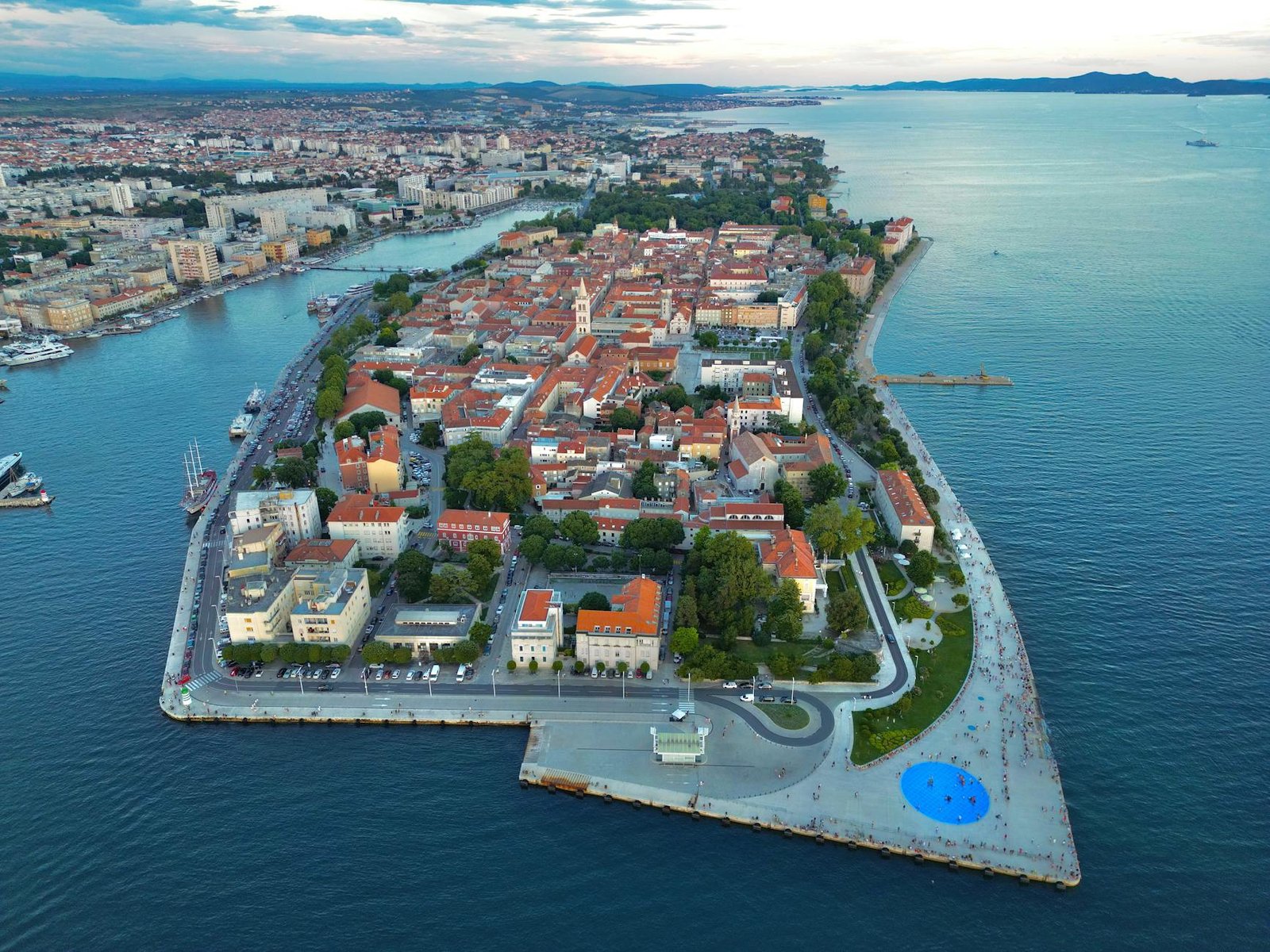
Zadar’s culinary scene is a beautiful reflection of its geographic position on the Adriatic coast and its centuries of Mediterranean influence. This ancient city doesn’t follow the heavily touristic food trends you’ll find in Dubrovnik or Split. Instead, it offers authentic Dalmatian cuisine that has been passed down through generations of locals who understand that food is far more than sustenance—it’s heritage, tradition, and community. The cuisine here balances the simplicity of coastal ingredients with the robustness of inland flavors, creating dishes that tell stories of fishermen, farmers, and centuries-old recipes.
The foundation of Zadar’s food culture rests on incredibly fresh seafood, locally-sourced vegetables, Dalmatian wines, and olive oil that tastes like liquid gold. What makes Zadar special is that these ingredients aren’t merely decorative elements on fine dining plates—they’re the heart and soul of everyday eating. When you eat in Zadar, you’re tasting the Adriatic Sea, the nearby Velebit mountain ranges, and the agricultural traditions of Dalmatia. The city’s restaurants, whether humble konobas or upscale establishments, prioritize quality over pretense.
Must-Try Local Dishes and Specialties
Start your Zadar food journey with a plate of fresh Adriatic oysters and mussels, preferably at one of the waterfront restaurants along the marina. The local oysters, particularly those from the Malostonski Bay region near Zadar, are world-renowned for their briny, clean flavor. Equally essential is trying “brodet,” a traditional Dalmatian fish stew made with multiple varieties of local fish, tomatoes, and served over creamy polenta. Each restaurant has its own family recipe, but the best versions capture the essence of the sea with every spoonful.
Don’t miss “Zadar scampi,” succulent Adriatic prawns prepared simply with garlic, white wine, and olive oil—when they’re this fresh, no heavy sauces are needed. For something heartier, seek out “pašticada,” a slow-cooked beef stew with prunes, pine nuts, and wine that’s particularly popular in Dalmatia. Finally, indulge in “crni rižot,” a dramatic black risotto made with squid ink, white wine, and fresh squid. This dish looks intimidating but tastes absolutely divine—it’s umami-rich and utterly addictive, and practically mandatory for visitors to the Adriatic coast.
Best Restaurants in Zadar
For a genuine fine dining experience that respects local ingredients and traditions, visit Bruschetta in the Old Town, where chef-owner focuses on seasonal Dalmatian preparations. The tasting menu changes regularly based on what’s available from local fishermen and farmers, ensuring you’re always eating at peak freshness.
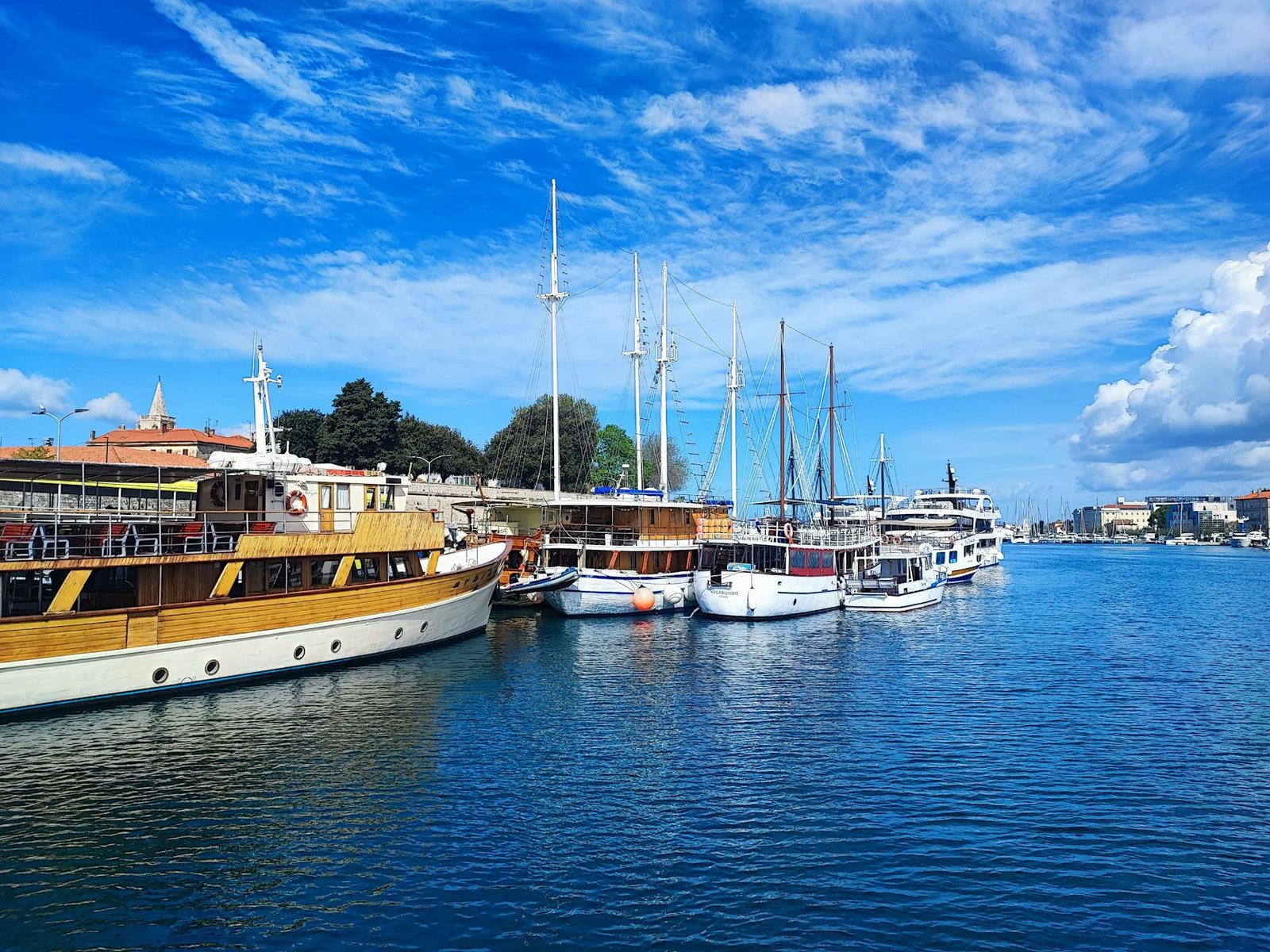
For waterfront dining with exceptional views of the Adriatic, head to Restaurant Foša, named after the old Venetian fortification visible from the terrace. Their grilled fish selection is outstanding, and the wine list features excellent local producers from the Zadar region. If you want to experience authentic konoba culture, Zadar’s documented options include Konoba Rafaelo, Konoba Malo Misto, and Konoba More, each offering unpretentious Dalmatian food served with genuine warmth.
The Heart of Local Food: Zadar’s Markets
The Zadar Green Market, on the old town peninsula, is where you’ll find Zadar’s beating heart. This bustling marketplace is open daily and filled with vendors selling the morning’s catch, freshly picked vegetables from nearby farms, locally-made cheeses, and homemade pasta. Arriving early, around 7 AM, is crucial—this is when everything is freshest and the market energy is most vibrant. Talk to the fish vendors; many speak English and love sharing stories about where each type of seafood was caught.
The market is also perfect for assembling a picnic or grabbing samples of local specialties. You’ll find small producers selling peka (homemade dried fruit), different varieties of Dalmatian cheese, local honey, and fresh figs depending on the season. This is also where you can buy ingredients to prepare your own meals if you’re staying longer, and the vendors are happy to recommend recipes and preparation methods.
Top Street Food and Quick Bites
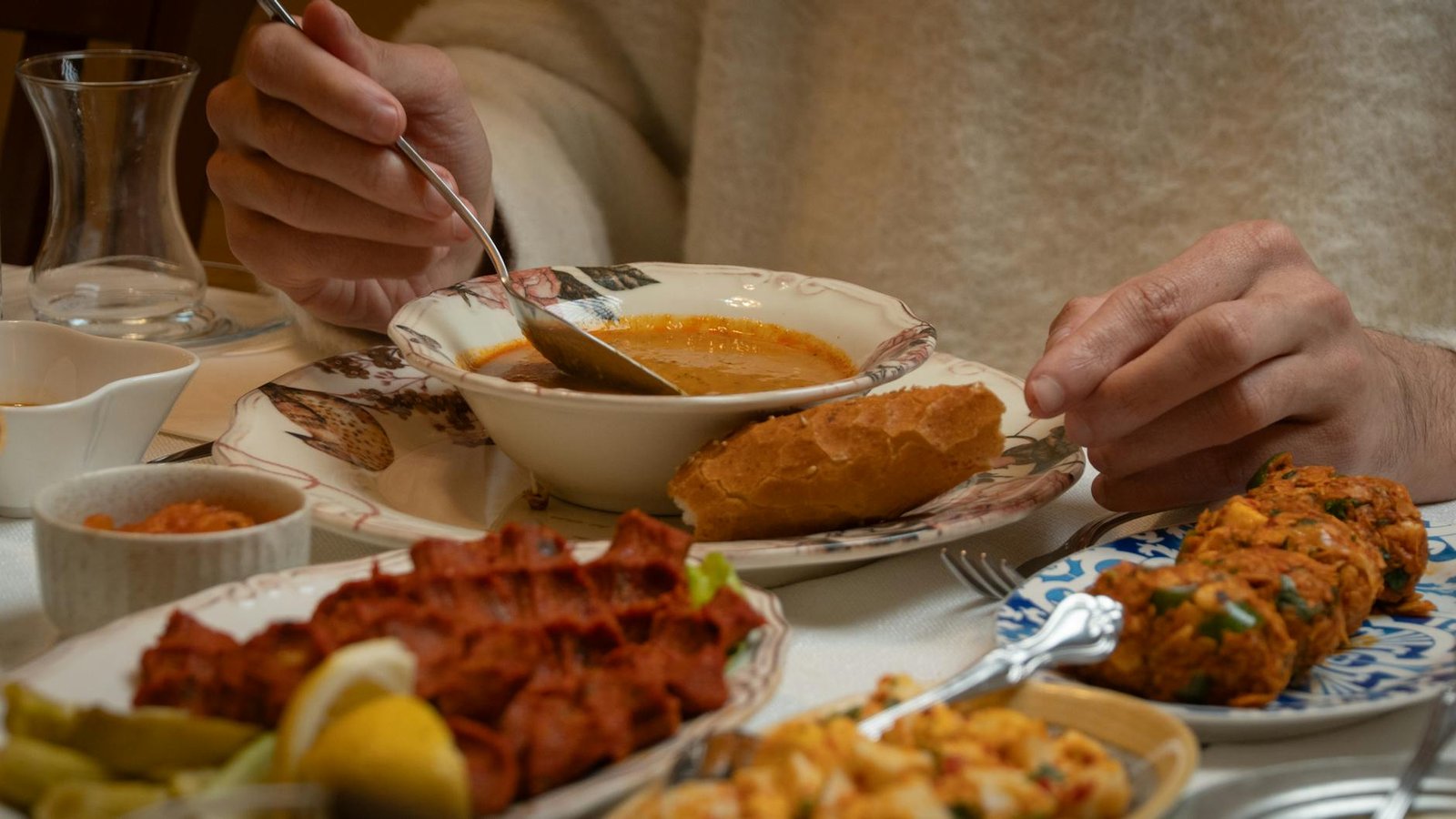
Zadar’s street food scene focuses on quality, quick meals that reflect local tastes. Seek out “ćevapčići,” small grilled meat patties seasoned with spices, typically served with onions and fresh bread—there are several street vendors throughout the Old Town serving excellent versions. For a sweeter treat, try “priganice,” fried dough pastries dusted with powdered sugar, often enjoyed with coffee in the morning. You’ll find them at small bakeries and street stalls, especially near the city’s main squares.
For an authentic grab-and-go meal, visit any of the local “burek” stands selling savory pastries filled with meat, cheese, or spinach. These flaky, golden pastries are Balkan comfort food at its finest. Another Zadar staple is fresh “palačinke” (crepes) served sweet or savory at numerous small stands. The best street food experience happens in the evening when locals gather for “pićenje,” casual socializing with finger foods and local wine at casual spots around the Old Town squares.
Best Food Tours and Experiences
For guided food experiences, Viator offers several excellent Zadar food tours that include market visits, cooking classes, and tastings at local restaurants. Their half-day walking food tours are particularly popular and typically include stops at traditional konobas with samples of local wines and specialties. GetYourGuide features tours specifically designed around the Dalmatian culinary experience, some combining food tastings with visits to nearby islands and wineries.
Consider booking a private cooking class with a local Zadar chef, available through both platforms. These intimate experiences typically involve shopping at the Zadar Green Market together, then preparing a multi-course Dalmatian meal in a residential kitchen or small restaurant. This hands-on approach gives you authentic recipes and cooking techniques you can recreate at home, plus personal insights into local food culture from someone who’s lived it their entire life.
Wine and Beverage Culture
Zadar sits in an excellent wine region, and exploring local wines is essential to understanding the food culture. The Zadar region produces outstanding whites like “Maraština,” a crisp white wine that pairs beautifully with seafood, and “Grk,” grown on the island of Korčula near Zadar. For red wine lovers, seek out “Plavac Mali,” a bold red that complements Dalmatian meat dishes and pašticada perfectly. Visit small wine bars in the Old Town to taste these wines in their native context, often paired with local cheeses and cured meats.
Beyond wine, don’t miss “rakija,” the local brandy made from various fruits—plum rakija is particularly excellent. Order a small glass as a digestif after meals at traditional restaurants. Local coffee culture is also worth exploring; Zadar takes its coffee seriously, and small local roasters produce excellent espresso and specialty drinks worth seeking out during morning wanderings.
When to Visit Zadar for the Best Food
The optimal times for food tourism in Zadar are late May through June and September through early October. During these shoulder seasons, the weather is perfect, the summer crowds haven’t overwhelmed the city, and seasonal ingredients are at their peak. Summer months offer Mediterranean abundance, but restaurants can become tourist-focused. Spring brings fresh vegetables and lamb, while autumn brings hearty preparations and new wine releases.
Avoid visiting during the coldest winter months (December-February) when some local restaurants reduce hours or close temporarily. However, if you do visit in autumn or winter, you’ll experience the most authentic local food culture, as tourists thin out and residents reclaim their city and their restaurants. Late September through October is magical—the sea is still warm, produce is excellent, and the city takes on a quieter, more genuine character that food lovers will appreciate.
“`



Book a Food Experience in Zadar
Handpicked experiences — book with free cancellation and instant confirmation.
Explore More Food Tours
More food guides from Croatia:
- Zagreb Food Tour Guide
- Best Food Tours in Croatia 2026
- Dubrovnik Food Tour Guide
- Hvar Food Tour Guide
You might also enjoy:
- Sarajevo Food Tour Guide (Bosnia and Herzegovina)
- Ljubljana Food Tour Guide (Slovenia)
Featured in:
Frequently Asked Questions
What is the typical cost of a food tour in Zadar?
Most food tours in Zadar range from 60-100 EUR per person for a 3-4 hour guided experience, though premium tours with wine tastings can reach 120-150 EUR. Group discounts are often available, and prices typically include tastings at multiple stops but may exclude beverages beyond samples.
How long do food tours in Zadar usually last?
Standard food tours in Zadar typically last 3-4 hours, covering the Old Town and harbor areas with multiple tasting stops. Some extended culinary experiences can run 5-6 hours and may include cooking classes or visits to local markets.
What local Zadar foods should I expect on a food tour?
You'll typically encounter Zadar's signature dishes including buzara (scampi or mussels in white wine sauce), brudet (Dalmatian fish stew), and local cheeses like paški sir. Fresh seafood prepared simply, black risotto (risotto nero), and marinated fish (marinada) are also staples, along with maraschino liqueur tasting which originated in Zadar.
Which neighborhoods in Zadar are best for street food and local eateries?
The Old Town's narrow streets and the Forum area offer the highest concentration of street food stalls and family-run konobas serving traditional dishes. The harbor front (Riva) is excellent for fresh seafood restaurants and casual spots, while the Cosmacendi neighborhood has emerged as a trendy area with contemporary takes on Zadar cuisine.
How can I handle dietary restrictions on a Zadar food tour?
Most reputable Zadar food tour operators request dietary information when booking and can arrange vegetarian, vegan, or gluten-free alternatives at stops. It's essential to inform your guide in advance, as many traditional Zadar dishes are seafood or meat-based, though Mediterranean vegetables, olive oil, and local wines offer good alternatives.