
Zagreb Food Tour – Best Local Food & Restaurants
Zagreb, Croatia: The Ultimate Food Guide
Zagreb’s Culinary Soul: Where Tradition Meets Innovation
Zagreb, Croatia’s vibrant capital, is a city where centuries of culinary tradition blend seamlessly with contemporary food culture. Nestled between the Pannonian Plain and the Dinaric Alps, Zagreb’s kitchen reflects influences from Austrian, Hungarian, and Mediterranean cuisines, creating a unique gastronomic identity that deserves a place on every food lover’s travel bucket list. The city has undergone a remarkable food renaissance in recent years, with innovative chefs breathing new life into traditional recipes while honoring the authentic flavors that have defined Croatian cuisine for generations.
Walking through Zagreb’s neighborhoods is like taking a delicious journey through time. From the medieval Upper Town to the bohemian streets of Grič, every corner reveals another layer of culinary history. The locals, known as Zagrepčani, take immense pride in their food culture, and this passion is evident in every market stall, family-run restaurant, and neighborhood konoba. Whether you’re sampling fresh produce at a neighborhood market or enjoying a multi-course meal at a fine restaurant, you’ll quickly discover that Zagreb’s food scene is one of Central Europe’s best-kept secrets.
Market Magic: Dolac Market and Beyond
Dolac Market, located in the heart of Zagreb’s Upper Town, is the city’s most iconic food market and an absolute must-visit for any culinary traveler. Open daily since 1930, this bustling marketplace is where locals source their freshest ingredients, and it’s the perfect place to experience authentic Zagreb food culture in action. The market overflows with seasonal produce, local cheeses, cured meats, and fresh flowers, creating a sensory experience that captures the essence of Croatian agriculture and tradition.
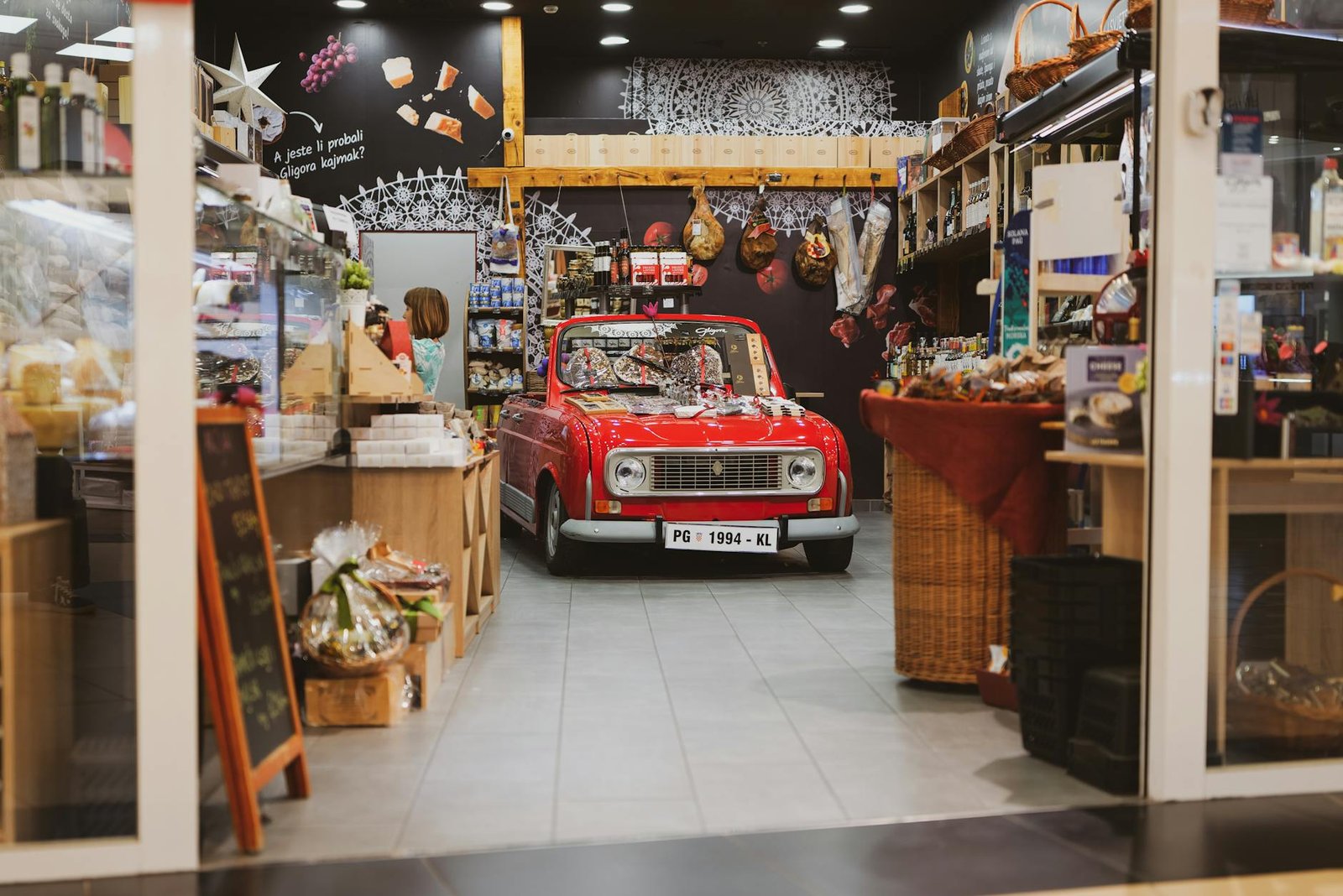
Beyond Dolac, the Barceloneta neighborhood hosts another excellent market where you’ll find everything from organic vegetables to locally-sourced dairy products. The vendors here are remarkably friendly and often happy to share cooking tips or discuss the origins of their products. Early mornings, particularly Thursday through Saturday, offer the best selection and the most authentic market atmosphere. Don’t miss the opportunity to purchase some kajmak, a rich dairy spread similar to clotted cream, or locally-made dairy products that have been crafted using recipes passed down through generations.
Signature Dishes: The Heart of Zagreb’s Kitchen
No visit to Zagreb is complete without experiencing its most iconic dishes. Čobanac, a hearty hunter’s stew made with beef, pork, and sometimes venison, topped with paprika and sour cream, represents the very soul of Pannonian cuisine. This dish, traditionally served in rustic taverns throughout the region, showcases how Croatian cooks transform simple ingredients into deeply satisfying meals. Another must-try is Zagrebački odrezak, a breaded veal cutlet stuffed with ham and cheese, a dish so beloved that it’s become synonymous with the city’s culinary identity.
For those seeking lighter fare, Strukli deserves your attention—these savory pastry rolls filled with cottage cheese, potato, or meat represent Croatian culinary heritage at its finest. Pljeskavica, a spiced ground meat patty that shares similarities with a burger but with distinctly Balkan flavors, is street food royalty in Zagreb. Meanwhile, black risotto (crni rižoto) with squid ink offers a more refined experience, turning simple ingredients into an elegant dish with striking visual appeal. These dishes tell the story of Zagreb’s position at the crossroads of Central European and Mediterranean influences.
Top Street Food and Local Favorites
Zagreb’s street food scene is an adventure unto itself, offering quick, delicious, and authentic experiences at bargain prices. Ćevapi, small grilled meat sausages served with onions and sour cream, can be found at virtually every street corner and are the ultimate grab-and-go meal for hungry travelers exploring the city. The most popular ćevapi vendor in Grič can have lines around the block during lunch hours, testament to the passion Zagrepčani have for these simple but perfectly executed morsels. Burek, a savory pastry filled with meat or cheese, is another street food essential that provides substantial sustenance for a day of sightseeing.
Don’t overlook the humble but delicious sarma—cabbage rolls filled with meat and rice, slow-cooked to perfection. For something sweet, Croatian bakeries throughout the city offer fresh burek with apple or walnut filling, perfect for a mid-morning snack. The small food stands around Ban Jelačić Square and near the Cathedral area offer authentic versions of these classics, often made fresh throughout the day. A simple meal of ćevapi, burek, and ajvar (roasted red pepper spread) from a street vendor costs mere euros but delivers authentic flavors that rival any fancy restaurant.
Best Restaurants: From Casual to Fine Dining
For an upscale dining experience that celebrates traditional Croatian cuisine with modern techniques, Noel offers innovative Mediterranean-inspired dishes in an elegant setting, perfect for special occasions. For traditional fare in a more casual atmosphere, Pod Starim Krovovima in the Upper Town serves authentic Zagreb classics in a charming, historic setting that feels like dining in a local’s home.
Zinfandel’s is another excellent choice for those seeking refined Croatian cuisine paired with local wines. The restaurant’s seasonal menu highlights the best ingredients from Croatian producers, and the staff’s knowledge of regional specialties is impressive. Tip: make reservations at upscale restaurants, but the best neighborhood konobas welcome walk-ins and often fill up with locals during dinner hours.
Best Food Tours: Expert-Led Culinary Experiences
For those wanting guided culinary experiences, Viator and GetYourGuide both offer excellent Zagreb food tours that provide context and access to local vendors and restaurants. The “Zagreb Local Food and Wine Tour” on Viator includes tastings at Dolac Market, visits to family-run restaurants, and insights from knowledgeable local guides who can explain the stories behind each dish. These tours typically last 3-4 hours and cover several neighborhoods, providing both education and delicious samples.
GetYourGuide’s offerings include market-focused tours as well as cooking classes where you can prepare traditional dishes under expert instruction. Many tours include wine pairings, introducing you to Croatian wines from the nearby regions. These guided experiences eliminate guesswork and ensure you’re getting authentic recommendations from people who know the city’s food scene intimately.
When to Visit for Food: Seasonal Considerations
Autumn and spring offer the most ideal conditions for food-focused travel to Zagreb. September through November brings an abundance of fresh produce to markets, wild mushrooms become available, and grapes arrive for wine production. Thanksgiving in autumn means Dolac Market is brimming with seasonal vegetables perfect for traditional holiday cooking. Spring, from April through June, similarly offers fresh produce, baby vegetables, and the season’s first asparagus and greens that inspire lighter, refreshing dishes.
Winter is the season for hearty stews and rich dairy products, while summer, though hot, brings fresh berries and stone fruits to market stands. If possible, avoid July and August when tourist crowds can overwhelm popular restaurant reservations. The shoulder seasons offer the perfect balance of pleasant weather, abundant seasonal ingredients, and manageable tourist traffic.
Wine and Beverage Culture
No complete food experience in Zagreb is possible without exploring local beverages. Croatian wine regions surrounding Zagreb produce excellent white wines, particularly from the Plešivica and Zagorje regions. Local wine bars throughout the city feature these wines at reasonable prices, and most restaurant servers are knowledgeable about regional pairings. Rakija, a potent fruit brandy, is traditionally served as a digestif and makes an excellent gift to bring home.
Coffee culture in Zagreb is deeply social and worth experiencing beyond simple caffeine intake. Spend an hour at any of the city’s numerous coffee bars, and you’ll understand why Zagrepčani consider coffee time an essential part of daily life. Local craft beers have also emerged as an exciting segment of Zagreb’s beverage culture, with microbreweries offering innovative takes on traditional beer styles.



Book a Food Experience in Zagreb
Handpicked experiences — book with free cancellation and instant confirmation.
Explore More Food Tours
More food guides from Croatia:
You might also enjoy:
- Maribor Food Tour Guide (Slovenia)
- Mostar Food Tour Guide (Bosnia and Herzegovina)
Featured in:
Frequently Asked Questions
What is the typical cost of a food tour in Zagreb?
A standard guided food tour in Zagreb typically costs between 60-100 EUR per person for a 3-4 hour experience, though premium tours with wine pairings can reach 150+ EUR. Most tours include 5-8 food tastings at local establishments, with beverages often included depending on the tour operator.
How long do food tours in Zagreb usually last?
Most food tours in Zagreb last between 3-4 hours, covering a neighborhood on foot with multiple stops at restaurants, markets, and cafes. Some specialized evening tours focused on traditional taverns (konobas) may extend to 4-5 hours including wine or rakija tastings.
What local Zagreb food specialties should I expect to taste on a food tour?
You'll typically encounter dishes like čobanac (a hearty meat stew), strukli (cheese-filled pastry rolls), and fresh produce from Dolac Market. Expect to sample local cured meats like kulen and pancetta, fresh cheeses, and traditional desserts such as kremšnita (custard cream cake) and Medimurska gibanica (layered pastry).
Which neighborhoods in Zagreb are best for street food and food tours?
The Dolac Market area is Zagreb's premier street food destination, offering fresh produce, meats, and prepared foods. Tkalčićeva Street in the historic Upper Town is ideal for casual dining and wine bars, while the Gradska Kavana and surrounding downtown area features traditional taverns and bakeries popular on guided food tours.
How can I handle dietary restrictions on a Zagreb food tour?
Inform tour operators in advance about vegetarian, vegan, or allergy restrictions—most reputable companies like Taste of Zagreb can accommodate these with notice. Zagreb has increasingly embraced vegetarian options featuring local cheeses, seasonal vegetables, and traditional pastries that can be adapted, though meat-heavy dishes are traditional to the region.