London Food Tour – Best Local Food & Restaurants
The Ultimate London Food Guide: A Culinary Journey Through the Capital
London is one of the world’s most exciting and diverse food cities — a place where centuries of history, empire, immigration, and sheer stubbornness have collided on the plate in ways that still surprise me every time I visit. From smoky Victorian pie and mash shops tucked beneath railway arches to Michelin-starred tasting menus overlooking the Thames, this city feeds every appetite and budget with zero apology. I’ve eaten my way through London more times than I can count, and it never gets old. This guide from FoodTourTrails.com will help you eat like a local from your very first meal — no guesswork, no tourist traps.
The History of London’s Food Culture
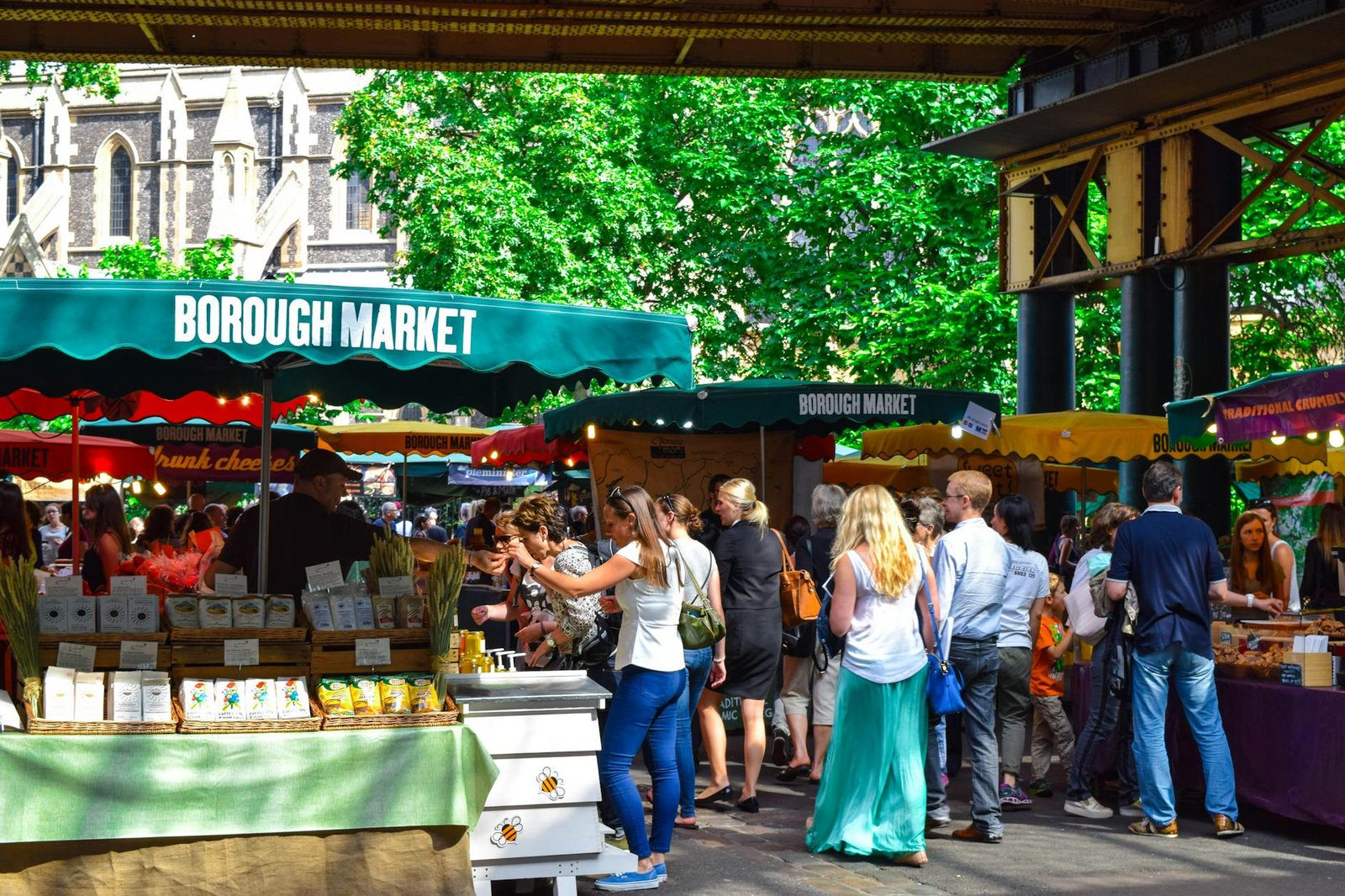
To understand why London eats the way it does today, you need to travel back centuries. Medieval London was a city of street vendors, taverns, and market stalls — bread, ale, roasted meats, and river eels feeding a growing population along the Thames. Borough Market was established in 1014, which makes it one of the oldest markets in the world and tells you everything about how central food trade has always been to this city’s identity.
The Georgian and Victorian eras reshaped everything. The British Empire brought spices, ingredients, and cooking techniques from India, the Caribbean, and Asia into London’s ports, kitchens, and daily life. Workers flooding into the industrial city needed cheap, filling food fast, which gave birth to pie and mash shops, jellied eel stalls, and the first fish and chip shops appearing in the East End during the 1860s. Joseph Malin is widely credited with opening London’s first fish and chip shop in Bow in 1860. A national obsession was born. It hasn’t faded since.

The twentieth century brought waves of immigration that permanently transformed what Londoners eat. The Windrush generation arriving from the Caribbean in the 1940s and 1950s brought jerk seasoning, plantain, and rum cake. South Asian communities settling in Brick Lane and Southall during the 1960s and 1970s built curry houses that became as culturally embedded as any pub. Chinese communities in Soho, Turkish communities in Dalston, Nigerian communities in Peckham, Vietnamese communities in Hackney — all of them staked their claim on the city’s plate, and London is richer for every single one of them.
The late 1990s and early 2000s brought a culinary renaissance, led by chefs like Gordon Ramsay, Heston Blumenthal, and Marco Pierre White, who dragged British fine dining onto the world stage. Then the street food revolution of the 2010s — powered by markets like Maltby Street and KERB — democratised exceptional cooking and gave young chefs platforms to experiment without needing expensive premises. Today, London holds more Michelin stars than any other UK city and consistently ranks among the top global food destinations. The city’s pie-and-mash-eating ancestors would be baffled. And probably delighted.
Must-Try Foods in London
With so many dishes competing for your attention, knowing where to start is genuinely difficult. These six iconic London foods represent the essential eating experiences that every visitor should seek out. Not because some list told you to — because they’re actually that good.
1. Pie and Mash with Liquor
This is London working-class soul food at its most honest. A traditional London pie and mash is a short-crust pastry pie filled with minced beef, served alongside creamy mashed potato and drowned in green parsley liquor — a thin, intensely savoury sauce made from parsley and eel-cooking water. Historically, the eels themselves came alongside, either stewed or jellied, though the pie and mash combo has proven far more enduring. Manze’s in Bermondsey, serving Londoners since 1902, is the most atmospheric place to experience this. The Victorian-tiled interiors, wooden benches, and marble tables make eating here feel like genuine time travel. A full meal costs around £5-6. You won’t find better value anywhere in Zone 1.
2. Chicken Tikka Masala
Yes, the dish’s exact origins are disputed — Glasgow also claims it — but London has embraced and refined chicken tikka masala so completely that it belongs on this list without question. Chargrilled chicken tikka in a rich, creamy, mildly spiced tomato-based sauce, it’s been called an unofficial national dish of Britain, and nowhere will you find more variety and passion for it than here. Brick Lane in the East End is the most famous curry destination, though serious food lovers increasingly head to Tooting and Southall for more complex, authentic South Asian cooking — and for restaurants that are genuinely packed with people from the community, which is always a good sign. Dishoom, with multiple London locations, offers a deeply romantic take on Bombay café culture and serves a chicken tikka masala that has become one of the most talked-about dishes in the city. Book ahead. Always book ahead.
3. Salt Beef Bagel
The salt beef bagel is a direct product of London’s Jewish East End heritage, brought into the city by Ashkenazi Jewish immigrants fleeing persecution in Eastern Europe during the late nineteenth and early twentieth centuries. The combination is deceptively simple but devastatingly good: a fresh, slightly chewy bagel piled high with slow-cooked, intensely seasoned salt beef, finished with a sharp squeeze of English mustard and a handful of tangy pickled cucumbers. Beigel Bake on Brick Lane — open 24 hours a day, seven days a week since 1977 — is the pilgrimage point. The queue often stretches out the door, but it moves fast. The whole thing costs barely a few pounds. It is, without exaggeration, one of London’s greatest eating moments. Go at 2am if you can. The city feels completely different, and the bagel tastes exactly the same.
4. Full English Breakfast
No London food guide is complete without the full English breakfast — a plate of magnificent excess that has fuelled builders, office workers, and hungover students for generations. Back bacon, fried or scrambled eggs, pork sausages, grilled tomatoes, baked beans, sautéed mushrooms, black pudding, thick toast, strong builder’s tea with milk. Quality of ingredients makes all the difference here, which is why the greasy spoon you pick matters enormously. Head to E. Pellicci in Bethnal Green, a family-run Italian-owned café that has been feeding East Enders since 1900 — the panelled wooden interior is Grade II listed and the staff will make you feel like a regular within minutes. Or try The Regency Café in Westminster, a beautifully preserved Art Deco spot that feels like stepping onto a 1950s film set. Both will serve you a full English for around £8-12 that will set you up for an entire day on your feet.
5. Afternoon Tea
Afternoon tea is London’s most theatrical food experience. The tradition — supposedly introduced by Anna, the seventh Duchess of Bedford, in the 1840s to fill the long gap between lunch and fashionably late dinner — consists of a tiered stand of finger sandwiches (cucumber and cream cheese, smoked salmon, egg and cress), freshly baked plain and fruit scones with clotted cream and strawberry jam, and a selection of miniature pastries, cakes, and tarts. All of it washed down with carefully chosen loose-leaf teas. The Ritz on Piccadilly is the gold standard, but book weeks or months ahead and expect to pay around £70 per person — it’s an occasion, not a casual drop-in. For something more contemporary, Sketch in Mayfair serves a wildly inventive afternoon tea inside an extraordinary pink dining room that feels like eating inside a fever dream. Worth every penny of the similarly steep price tag.
6. Smashed Avocado Toast (Borough Market Style)
Avocado toast gets a bad reputation from people who’ve never had a genuinely good one. Borough Market’s version represents London’s contemporary food culture at its most ingredient-obsessed. At stalls and eateries around this legendary South Bank market — which opens Thursday through Saturday, so plan accordingly — you’ll find sourdough baked fresh that morning, topped with perfectly seasoned smashed avocado, poached eggs from free-range hens, dukkah, extra virgin olive oil, and microherbs that were probably growing within 50 miles of where you’re standing. It’s the kind of dish that makes you understand why people moved to London in the first place. Arrive before 10am to avoid the weekend crush, which by midday becomes genuinely difficult to navigate.

Book a Food Tour in London
Join a small-group food tour and taste the best of London with a local guide. Skip the tourist traps — discover the hidden spots only locals know.
Book a Food Experience in Top Destinations
Handpicked experiences — book with free cancellation and instant confirmation.
Explore More Food Tours
More food guides from UK:
You might also enjoy:
- Bruges Food Tour Guide (Belgium)
- Galway Food Tour Guide (Ireland)
Frequently Asked Questions
How much does a food tour in London cost?
Food tours in London typically range from €25 to €80 per person for a guided group tour. Private tours and premium culinary experiences can cost more, while self-guided food walks are often free or low-cost.
How long do food tours in London last?
Most guided food tours in London last between 2 and 4 hours and include multiple tasting stops. Walking food tours tend to run around 3 hours, while sit-down dining experiences may last longer.
What local dishes should I try on a London food tour?
A food tour in London is the best way to discover authentic local specialties. Your guide will take you to street food markets, traditional restaurants, and neighbourhood gems that locals love — dishes you would never find on your own.
What is the best area for street food in London?
The best areas for street food and local cuisine in London are usually found in the old town, central food markets, and traditional neighbourhoods away from the main tourist hotspots. A local food guide will show you exactly where to go.
Are food tours in London suitable for people with dietary restrictions?
Most food tour operators in London can accommodate vegetarian, vegan, halal, and gluten-free diets with advance notice. Always inform your guide of any dietary requirements when booking so they can plan the best route for you.