Cologne Food Tour – Best Local Food & Restaurants
Cologne, Germany: The Ultimate Food Guide
Introduction to Cologne’s Culinary Scene
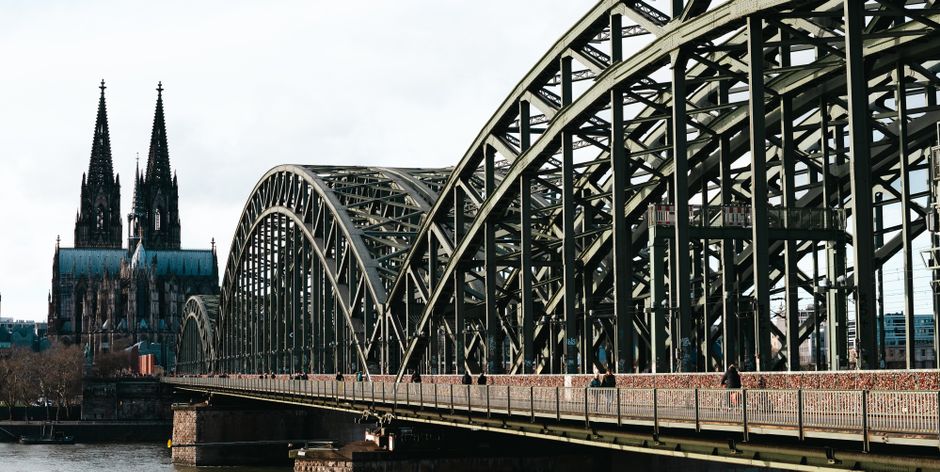
Cologne surprised me. I expected a standard German city with sausages and beer, and while those are absolutely present, the food culture here runs much deeper than I anticipated. Sitting on the Rhine in western Germany, this city has been a trading crossroads for centuries — and that history shows up on every plate. The Rhineland traditions feel genuinely alive here, not preserved for tourists, but actually eaten by locals on Tuesday afternoons.
What strikes you immediately is the pride. Ask someone at a beer hall about Kölsch or Halve Hahn and they’ll tell you the history without being asked. The multicultural influence is real too — walk through Ehrenfeld or Südstadt and the food scene shifts completely from the Altstadt’s old-school taverns. There’s something honest about a city that serves both ancient rye-roll sandwiches and excellent Lebanese mezze within the same ten-minute walk.
Must-Try Traditional Dishes
Start with Halve Hahn. The name means “half chicken,” which makes zero sense, because it’s actually a rye roll stuffed with aged Gouda, mustard, onions, and a bit of caramel. Don’t overthink it — just order one. The sharpness of the cheese against the tangy mustard works better than it has any right to, and it costs almost nothing. You’ll find it at every proper beer hall, and it’s been on menus here for centuries for good reason.
Cologne’s Sauerbraten is worth seeking out specifically — beef slow-cooked in vinegar and spices until it falls apart, served with red cabbage and potato dumplings. The Rhineland version often comes with raisin sauce, which sounds odd but delivers that sweet-sour combination the region is known for. Also try Kölsche Kaviar — that’s the locals’ tongue-in-cheek name for black pudding with onions. It’s a working-class dish and proudly so. Not glamorous. Genuinely good.
Beer Culture and Kölsch Tradition
Kölsch is not just a beer here. It’s almost a civic religion. Brewed in Cologne since medieval times, it comes in small 0.2-liter glasses called Stangen — which initially feels like a joke until you realize the whole point is that it stays cold and fresh the whole time. A Köbes (that’s your waiter) will keep replacing your empty glass until you put a coaster on top. I missed this cue my first visit and ended up on glass number four before I figured it out.
Go to Früh am Dom or Gaffel Haus for the full experience. These aren’t tourist traps — locals genuinely drink there. The food is built around Kölsch too; the beer’s light, slightly bitter character was designed to cut through hearty Rhineland fare. If you’re visiting in May, the Cologne Beer Festival (Kölner Bierfest) takes over the Rhine waterfront and brings dozens of breweries together with food vendors. Worth timing your trip around if you can.
Top Street Food and Market Experiences
Currywurst stands dot the Altstadt everywhere, and they’re exactly what they look like — sliced sausage, spicy curry ketchup, sometimes mayo. Fast, cheap, satisfying. Order one standing up outside a beer hall at 11pm and you won’t have any regrets. Look for Reibekuchen vendors too; these potato pancakes, served with applesauce or sour cream, are one of those things that sounds simple and then somehow becomes the highlight of your afternoon.

For markets, head to Wochenmarkt Köln at Wilhelmplatz — it runs three times a week and the produce is genuinely local. Grab cheese, bread, something to drink, and eat along the Rhine. The Markthalle in Südstadt is a different experience: covered, permanent, with proper butchers and bakers and fishmongers. Spend an hour wandering through and you’ll understand what the city actually eats when nobody’s watching.
Best Restaurants and Dining Experiences
Gilden im Zims is set inside a historic guildhall in the Altstadt — dark wood, candlelight, and food that tastes like someone’s grandmother perfected it over decades. Order the traditional Cologne specialties and don’t rush. This is the kind of place where a two-hour lunch feels appropriate, not excessive.
Ox & Klee holds two Michelin stars and earns them. The tasting menu takes regional German ingredients somewhere genuinely unexpected — not in a gimmicky way, but with real craft. It’s expensive. Book well ahead, particularly on weekends. On the more accessible end, Haus Törtchen in the Altstadt does honest comfort food at fair prices. Gruber’s is another solid option for creative German cuisine in a quieter, more intimate setting. The Cologne restaurant scene covers the full range, from €8 potato pancakes to multi-course tasting menus, and the quality holds up across the board.
Best Food Tours and Experiences
A food tour is genuinely worth it in Cologne, especially if you only have a day or two. The city has layers — you can walk through the Altstadt and miss most of what makes it interesting without someone pointing you in the right direction.
Viator offers walking food tours that move through the Altstadt and Südstadt, combining tastings with real historical context about the neighborhoods and dishes. The guides tend to be locals who know the difference between where tourists eat and where actual Cologne residents eat — and they take you to the latter.
[viator_box]
GetYourGuide has solid options too, including tours focused specifically on beer hall culture, Rhineland cuisine, or market exploration. Some include cooking classes if you want to learn how to make traditional dishes at home. These organized tours are especially useful if your time is limited and you don’t want to spend half a day figuring out which streets to prioritize.
[gyg_box]
When to Visit for Food
May is the sweet spot. The Kölner Bierfest fills the Rhine waterfront with breweries and food vendors, the weather is cooperative, and the city feels festive without the crushing summer tourist numbers. September brings the Rheingau Wine Festival — a different angle, showcasing wines from the nearby Rheingau region alongside local food. Worth it if you’re more into wine than beer.
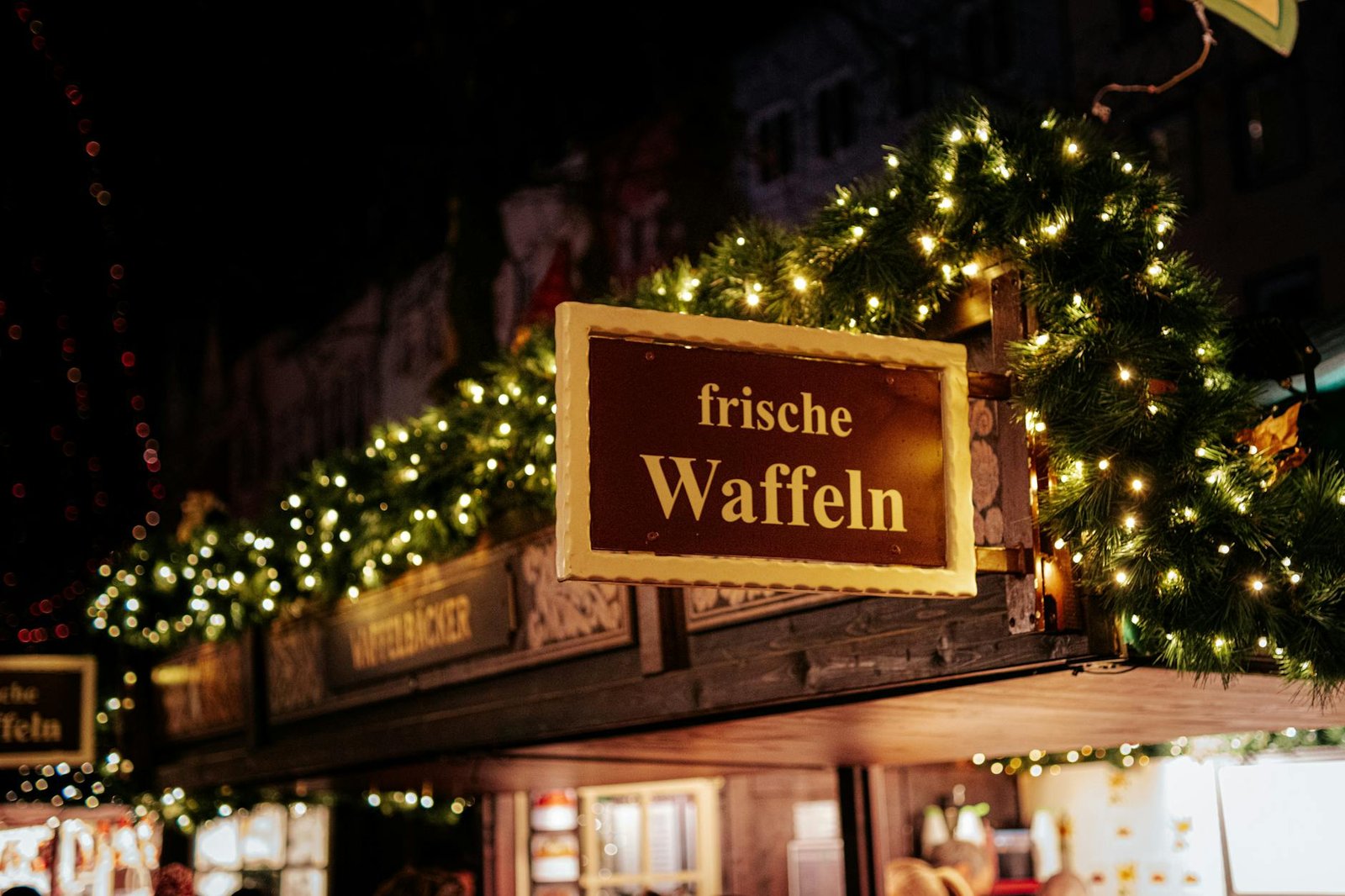
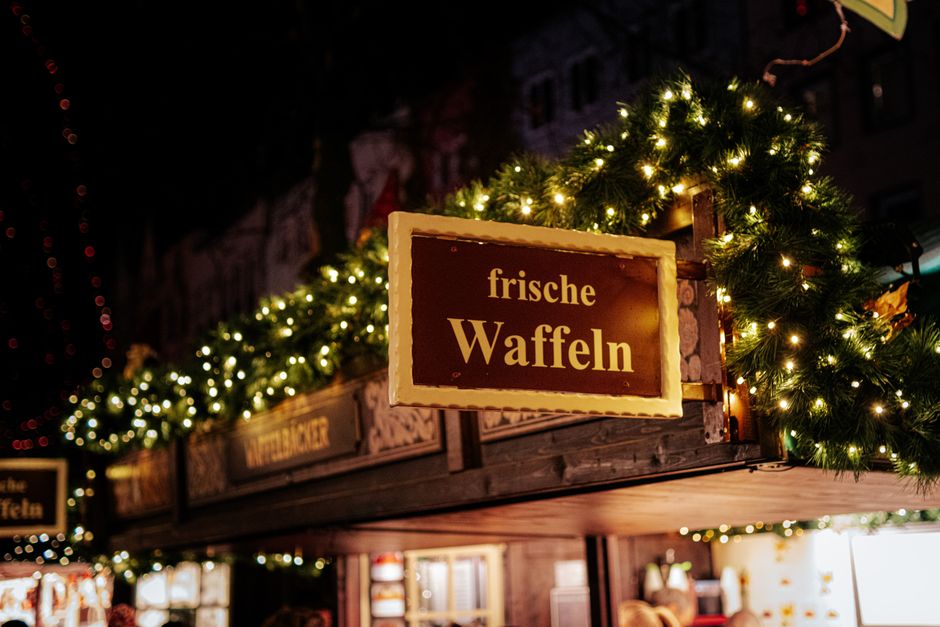
Winter in Cologne means Christmas markets, and they’re genuinely excellent ones. The Altstadt markets sell Glühwein (mulled wine), roasted nuts, and Lebkuchen — gingerbread that actually tastes like something rather than cardboard. Spring and autumn hit a nice balance of decent weather and manageable crowds. Summer is busy and hot, but restaurants run longer hours and the outdoor riverside dining is hard to resist. Honestly, there’s no bad time — the food scene doesn’t take a season off.
Practical Tips for Food Exploration
Carry some cash. Most places take cards now, but the authentic old-school beer halls often still prefer it, and the market vendors almost always do. Many restaurants close between lunch and dinner — roughly 2pm to 5pm — so if you show up at 3:30 expecting to eat, you’ll be wandering around hungry. Plan around this.
Book ahead for Ox & Klee and any Michelin-level dining, especially on weekends. For everywhere else, just show up. The neighborhoods of Südstadt and Ehrenfeld have better value and more interesting food than most of the central tourist zone — don’t be put off by walking fifteen minutes from the Dom. Learn to say “Einen Kölsch, bitte” correctly and people warm up noticeably. And when you sit down, settle in. German dining culture doesn’t rush you out. That’s a feature, not a bug.
Book a Food Experience in Cologne
Handpicked experiences — book with free cancellation and instant confirmation.
Explore More Food Tours
More food guides from Germany:
You might also enjoy:
- Gdansk Food Tour Guide (Poland)
- Krakow Food Tour Guide (Poland)
Frequently Asked Questions
How much does a food tour in Cologne cost?
Food tours in Cologne typically range from €25 to €80 per person for a guided group tour. Private tours and premium culinary experiences can cost more, while self-guided food walks are often free or low-cost.
How long do food tours in Cologne last?
Most guided food tours in Cologne last between 2 and 4 hours and include multiple tasting stops. Walking food tours tend to run around 3 hours, while sit-down dining experiences may last longer.
What local dishes should I try on a Cologne food tour?
A food tour in Cologne is the best way to discover authentic local specialties. Your guide will take you to street food markets, traditional restaurants, and neighbourhood gems that locals love — dishes you would never find on your own.
What is the best area for street food in Cologne?
The best areas for street food and local cuisine in Cologne are usually found in the old town, central food markets, and traditional neighbourhoods away from the main tourist hotspots. A local food guide will show you exactly where to go.
Are food tours in Cologne suitable for people with dietary restrictions?
Most food tour operators in Cologne can accommodate vegetarian, vegan, halal, and gluten-free diets with advance notice. Always inform your guide of any dietary requirements when booking so they can plan the best route for you.