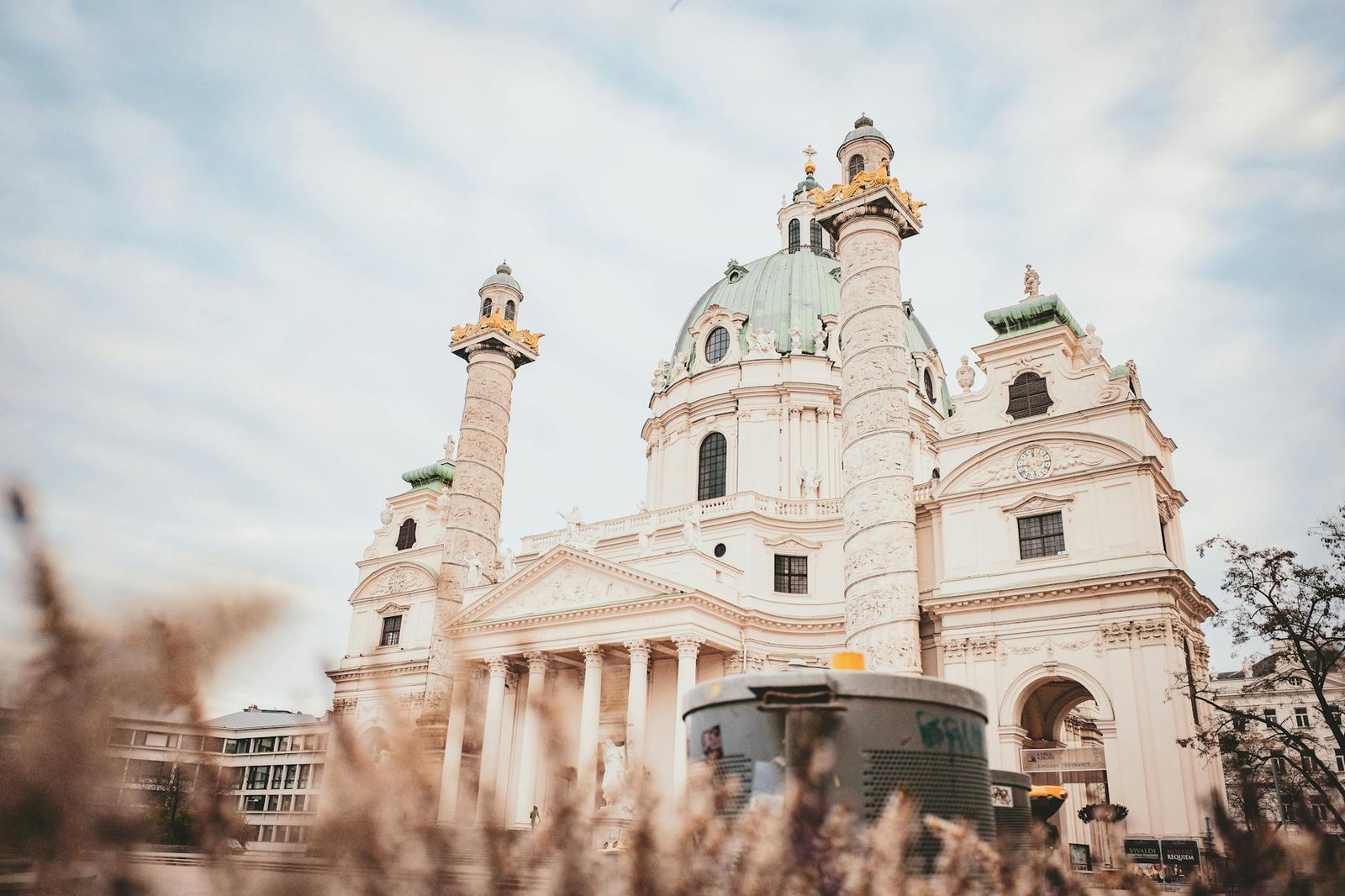
Vienna Food Tour – Best Local Food & Restaurants
Vienna Food Guide: A Culinary Journey Through Austria’s Imperial Capital
Vienna is one of Europe’s most rewarding food destinations, a city where centuries of imperial grandeur have left an indelible mark on every plate. Walk into almost any restaurant here and you’ll feel the weight of history — smoke-mellowed coffee houses serving flaky pastries, old-school taverns ladling out roasted meats that fed emperors and artists for generations. Eating in Vienna isn’t just dinner. It’s a cultural experience that happens to involve a fork.
The History of Vienna’s Food Culture
To understand Viennese cuisine, you have to start with the Habsburgs. For nearly 650 years, they ruled a vast multicultural empire stretching from Spain to Hungary, from the Netherlands to Italy, and as the imperial capital, Vienna absorbed all of it — Czech, Hungarian, Italian, Jewish, Ottoman cooking traditions all folding into something distinctly its own.
The royal court set the tone. Grand imperial banquets demanded elaborate pastries, roasted meats, and refined sauces, which created a professional cooking class that eventually shaped the city’s entire restaurant culture. The Viennese Kaffeehauskultur — coffee house culture — emerged in the late 17th century following the Ottoman siege of 1683. Legend says retreating Turkish troops left behind sacks of coffee beans. True or not, by the 18th century Vienna’s coffee houses had become the living rooms of the city, where writers, intellectuals, and the occasional revolutionary debated ideas over cups of melange and slices of Sachertorte. These weren’t just cafés. They were offices, therapy sessions, and political headquarters all at once.

The 19th century codified everything. The Beisl — Vienna’s version of the neighborhood tavern — became the working-class anchor, reliable and unfussy, serving hearty food at honest prices. Meanwhile, grand hotels like the Sacher and the Imperial were turning Austrian cooking into high art, competing fiercely over who could produce the most refined version of a classic dish. That tension between humble tavern food and aristocratic refinement is still very much alive in Vienna today.
Two world wars and the collapse of the empire reduced the city from the center of a 50-million-person realm to the capital of a small Alpine republic. But the food traditions held. Today’s Vienna balances proud preservation of its imperial culinary heritage with a genuinely exciting modern movement — chefs at places like Steirereck are reimagining Austrian classics for a new generation, while the coffee houses and Beisln carry on more or less exactly as they always have. Both are worth your time.
Must-Try Foods in Vienna
1. Wiener Schnitzel
This is the dish that defines Vienna internationally, and eating a proper one in its home city is something else entirely. A genuine Wiener Schnitzel must be made exclusively from veal — pounded paper-thin, breaded with fine breadcrumbs, and pan-fried in clarified butter or lard until the coating puffs away from the meat in golden waves. It should be so large it hangs off the edges of the plate. Impossibly crispy outside, tender within. Served simply, with a wedge of lemon and a side of potato salad or parsley potatoes. If the menu says Schnitzel Wiener Art instead of Wiener Schnitzel, that’s pork — legally they can’t call it the real thing. Head to Figlmüller Bäckerstraße in the First District for what many consider the definitive version. The schnitzels are practically cartoonish in size, and yes, they’re worth the queue that usually snakes out the door.
2. Tafelspitz
If Wiener Schnitzel is Vienna’s most famous export, Tafelspitz might be its most beloved local dish. Emperor Franz Joseph I reportedly ate it every single day — and honestly, after trying it, you’ll understand the impulse. The dish is prime boiled beef, traditionally the triangular rump tip, simmered slowly for hours in a rich broth with root vegetables, bone marrow, and herbs until it’s extraordinarily tender and deeply flavored. The cooking broth arrives first as a consommé. Then comes the sliced beef with creamed spinach, roasted potatoes, apple-horseradish sauce, and chive sauce — a whole parade of accompaniments that makes the meal feel like a proper ritual. Plachuttas Gasthaus zur Oper, a short walk from the State Opera, is the undisputed cathedral of Tafelspitz in Vienna. Go for lunch if you want to avoid the evening crowds.
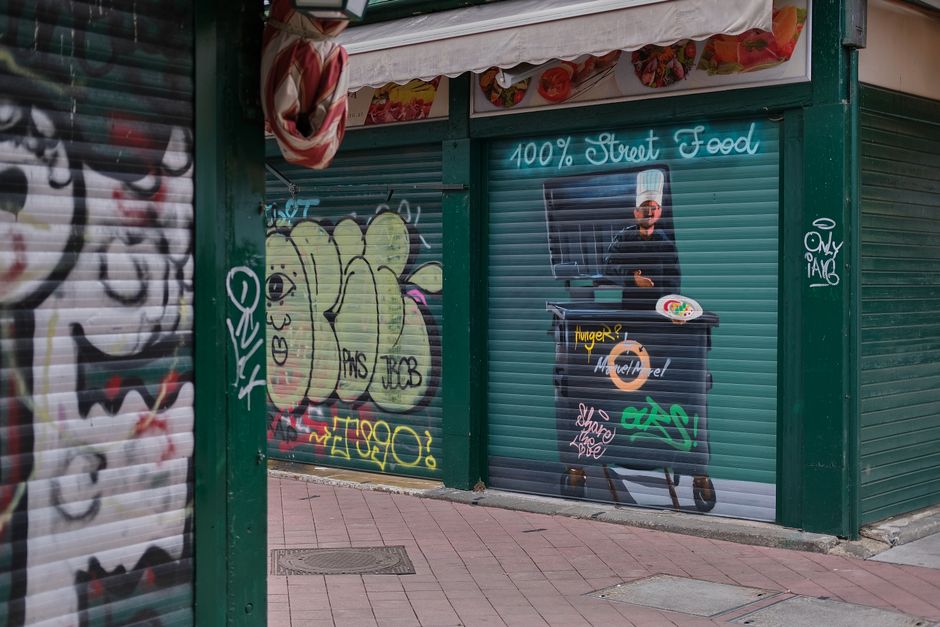
3. Sachertorte
Few desserts carry as much history, rivalry, and genuine emotional weight as the Sachertorte. Dense and deeply chocolatey, sealed with a thin layer of apricot jam and covered in smooth dark chocolate glaze, it was created in 1832 by a 16-year-old apprentice chef named Franz Sacher for the guests of Prince Metternich. The recipe eventually sparked one of the most famous legal battles in Austrian culinary history — both Hotel Sacher and the Demel patisserie claimed ownership of the original for decades. The dispute was finally settled in 1963, with Hotel Sacher winning the right to call its version the Original Sachertorte. Both are genuinely excellent. But eating a slice in Hotel Sacher’s iconic red-velvet café, with a cloud of unsweetened whipped cream alongside and a Viennese melange in hand, is about as quintessentially Viennese as it gets. Don’t skip it.
4. Kaiserschmarrn
Named after Emperor Franz Joseph I, who supposedly demanded this dessert so often it became known as the Emperor’s Mess, Kaiserschmarrn is one of the great comfort foods of central Europe. It starts as a thick, fluffy pancake batter — eggs, milk, flour, sometimes rum-soaked raisins — cooked in butter until golden, then torn into irregular caramelized chunks and dusted generously with powdered sugar. Part pancake, part bread pudding, part cake. The crispy caramelized edges against the soft pillowy interior is the whole point. Served traditionally with warm plum compote or apple sauce, it works equally well as dessert or as a full meal. If you ever make it out to the Vienna Woods for a morning hike, eating Kaiserschmarrn at a mountain hut afterward is one of those simple pleasures that’s hard to beat. Back in the city, Café Landtmann does an excellent version year-round.
5. Apfelstrudel
Apple strudel is so woven into Viennese food culture that bakers at the former imperial court had to prove they could stretch the pastry thin enough to read a newspaper through it. That’s not an exaggeration — the technique, believed to have arrived via Ottoman baklava traditions through Hungary, produces something of extraordinary delicacy that shatters gently rather than crumbles. Inside: thinly sliced apples with cinnamon, sugar, raisins, and breadcrumbs toasted in butter to soak up the fruit’s moisture. Served warm, dusted with powdered sugar, alongside vanilla sauce or whipped cream. Skip the shrink-wrapped versions in tourist shops — they’re not worth the euros. Café Central in the First District does a proper handmade version, and the Strudel demonstrations at the Albertina Museum café are genuinely worth attending if you can catch one; watching a baker stretch that dough across a whole table is impressive every time.
6. Gulasch
Vienna’s deep affection for Hungarian Gulasch is a direct product of imperial history. When Hungary was part of the Habsburg Empire, its bold paprika-rich beef stew migrated to Vienna and gradually became something distinctly its own. The Viennese version is darker, richer, and more intensely flavored than its Hungarian cousin — built on vast quantities of slowly caramelized onions, with sweet and hot Hungarian paprika, caraway seeds, garlic, and marjoram creating a sauce of remarkable depth. The beef, usually shoulder or shank, cooks until it practically dissolves into the sauce. It arrives in
Book a Food Tour in Vienna
Join a small-group food tour and taste the best of Vienna with a local guide. Skip the tourist traps — discover the hidden spots only locals know.


Book a Food Experience in Vienna
Handpicked experiences — book with free cancellation and instant confirmation.
Explore More Food Tours
More food guides from Austria:
You might also enjoy:
- Olomouc Food Tour Guide (Czech Republic)
- Prague Food Tour Guide (Czech Republic)
- Szeged Food Tour Guide (Hungary)
Featured in:
Frequently Asked Questions
How much does a food tour in Vienna cost?
Food tours in Vienna typically range from €25 to €80 per person for a guided group tour. Private tours and premium culinary experiences can cost more, while self-guided food walks are often free or low-cost.
How long do food tours in Vienna last?
Most guided food tours in Vienna last between 2 and 4 hours and include multiple tasting stops. Walking food tours tend to run around 3 hours, while sit-down dining experiences may last longer.
What local dishes should I try on a Vienna food tour?
A food tour in Vienna is the best way to discover authentic local specialties. Your guide will take you to street food markets, traditional restaurants, and neighbourhood gems that locals love — dishes you would never find on your own.
What is the best area for street food in Vienna?
The best areas for street food and local cuisine in Vienna are usually found in the old town, central food markets, and traditional neighbourhoods away from the main tourist hotspots. A local food guide will show you exactly where to go.
Are food tours in Vienna suitable for people with dietary restrictions?
Most food tour operators in Vienna can accommodate vegetarian, vegan, halal, and gluten-free diets with advance notice. Always inform your guide of any dietary requirements when booking so they can plan the best route for you.