Montreal Food Tour – Best Local Food & Restaurants
Montreal, Canada: The Ultimate Food Guide
A Culinary Capital Like No Other
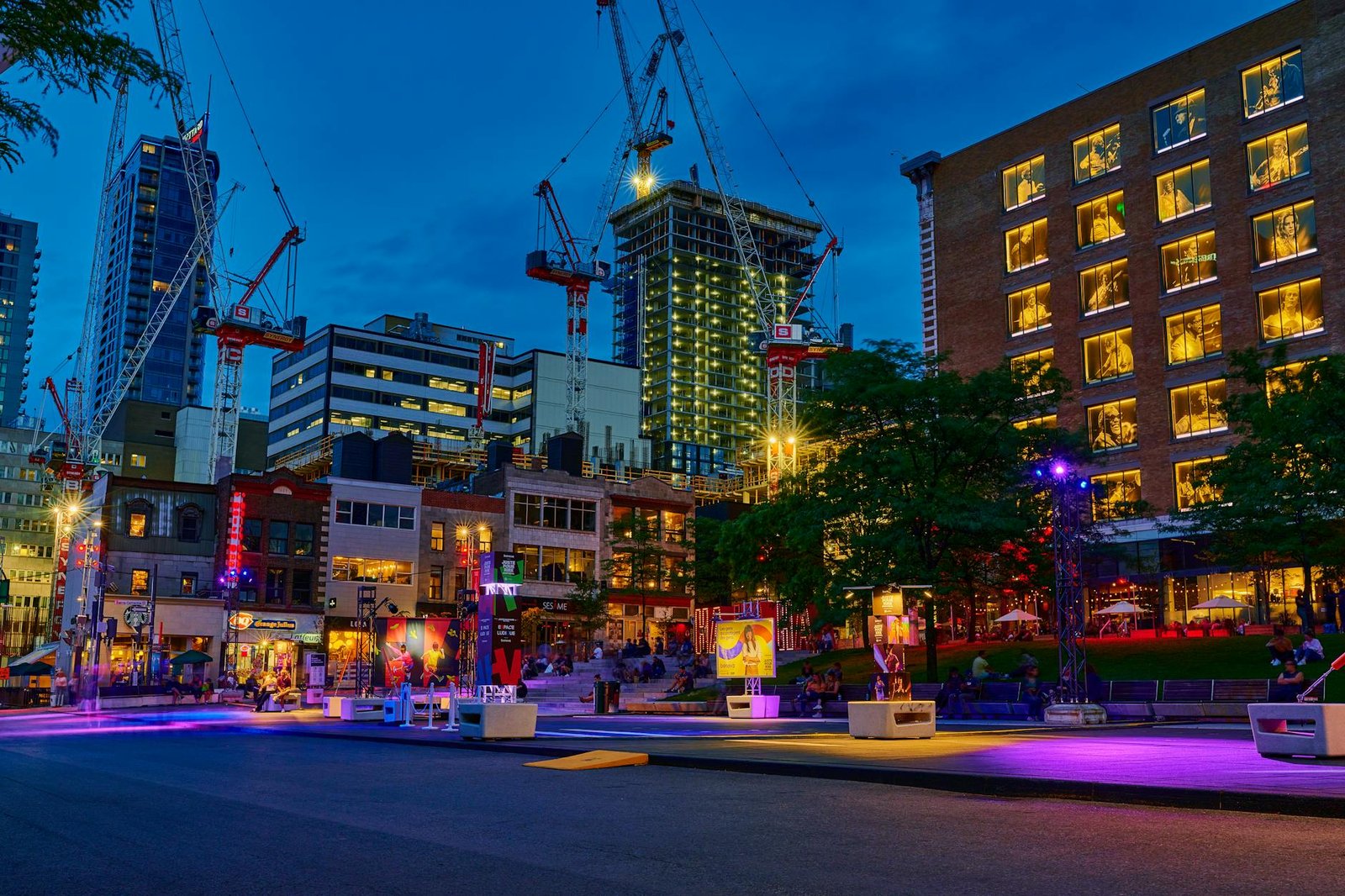
Montreal stands as Canada’s most exciting food destination, where French heritage meets North American innovation in a culinary landscape unlike anywhere else. The city’s rich cultural tapestry—blending French, Italian, Jewish, and contemporary global influences—creates an extraordinary gastronomic experience that attracts food lovers from around the world. Walking through Montreal’s neighborhoods feels like traveling through different food cultures simultaneously, with legendary bagel shops, upscale bistros, and hidden gem restaurants occupying the same streets. This is a city where tradition and experimentation coexist harmoniously, where recipes passed down through generations sit proudly alongside cutting-edge culinary creations.
What makes Montreal truly special is its uncompromising commitment to quality ingredients and authentic preparation. The city’s food scene isn’t about pretension—it’s about passion. Whether you’re biting into a fresh Montreal bagel at 3 AM or enjoying a leisurely three-hour dinner at a fine restaurant, you’ll encounter locals and chefs who take their food seriously. The influence of French culinary traditions runs deep here, creating a foundation of classical technique that both established and emerging chefs build upon with creativity and respect.
The Iconic Montreal Bagel and Bagel Culture
Montreal’s bagels are legendary, and justifiably so. Unlike their New York cousins, Montreal bagels are smaller, denser, and boiled in honey-sweetened water before being baked in wood-fired ovens, creating a uniquely crispy exterior and chewy interior. The two iconic bagel institutions—St-Viateur Bagel and Fairmount Bagel—have been operating since 1957 and 1919 respectively, and both remain must-visit destinations. St-Viateur Bagel, located in the vibrant Mile End neighborhood, serves bagels 24 hours a day, and it’s common to see a line of people at any hour seeking these legendary rounds of dough. The bagels here are handmade and boiled fresh throughout the day, ensuring maximum quality.
Fairmount Bagel, in the Plateau neighborhood, is equally impressive and equally crowded. Watching the bakers hand-roll, boil, and bake the bagels is mesmerizing—they work with extraordinary speed and precision, demonstrating techniques that have remained virtually unchanged for over a century. Both bakeries sell warm bagels directly from the oven, and locals argue passionately about which is superior. The best approach? Visit both and form your own opinion. Pair your bagel with cream cheese, smoked salmon, or simply enjoy it plain to appreciate the subtle sweetness from the honey-water bath.
Best Food Tours and Guided Experiences
For visitors wanting to explore Montreal’s food scene with expert guidance, several exceptional food tour companies operate throughout the city. Viator offers comprehensive Montreal food tours that range from walking tours through the Plateau and Little Italy to guided visits to local markets and specialty food shops. These tours typically include tastings at multiple locations and provide historical context about the neighborhoods and culinary traditions you’re exploring. GetYourGuide similarly features highly-rated Montreal food experiences, including street food tours, market visits, and themed culinary adventures focused on specific neighborhoods or cuisines.
For a more immersive experience, consider booking private food tours with local guides who can customize itineraries based on your interests. Many guides specialize in specific neighborhoods like the Marais district, Chinatown, or Little Italy. These personalized tours often provide access to family-owned shops and restaurants that casual visitors might miss, along with insider knowledge about the city’s evolving food culture. Whether you choose a group tour or private experience, guided food exploration adds valuable context and connections that enhance your culinary journey significantly.
Top Street Food and Markets to Explore
Montreal’s street food scene is remarkably sophisticated and diverse. Beyond bagels, you’ll find poutine—crispy fries topped with gravy and cheese curds—at virtually every corner, but seek out gourmet variations at restaurants like La Banquise, which offers over 30 different poutine combinations. Montreal-style hot dogs, served with mustard, onions, and relish, are a beloved quick bite, particularly from street vendors in the downtown core. The city also boasts an exceptional Vietnamese and Lebanese street food presence, with banh mi sandwiches and shawarma available from countless vendors throughout the Plateau and downtown areas.
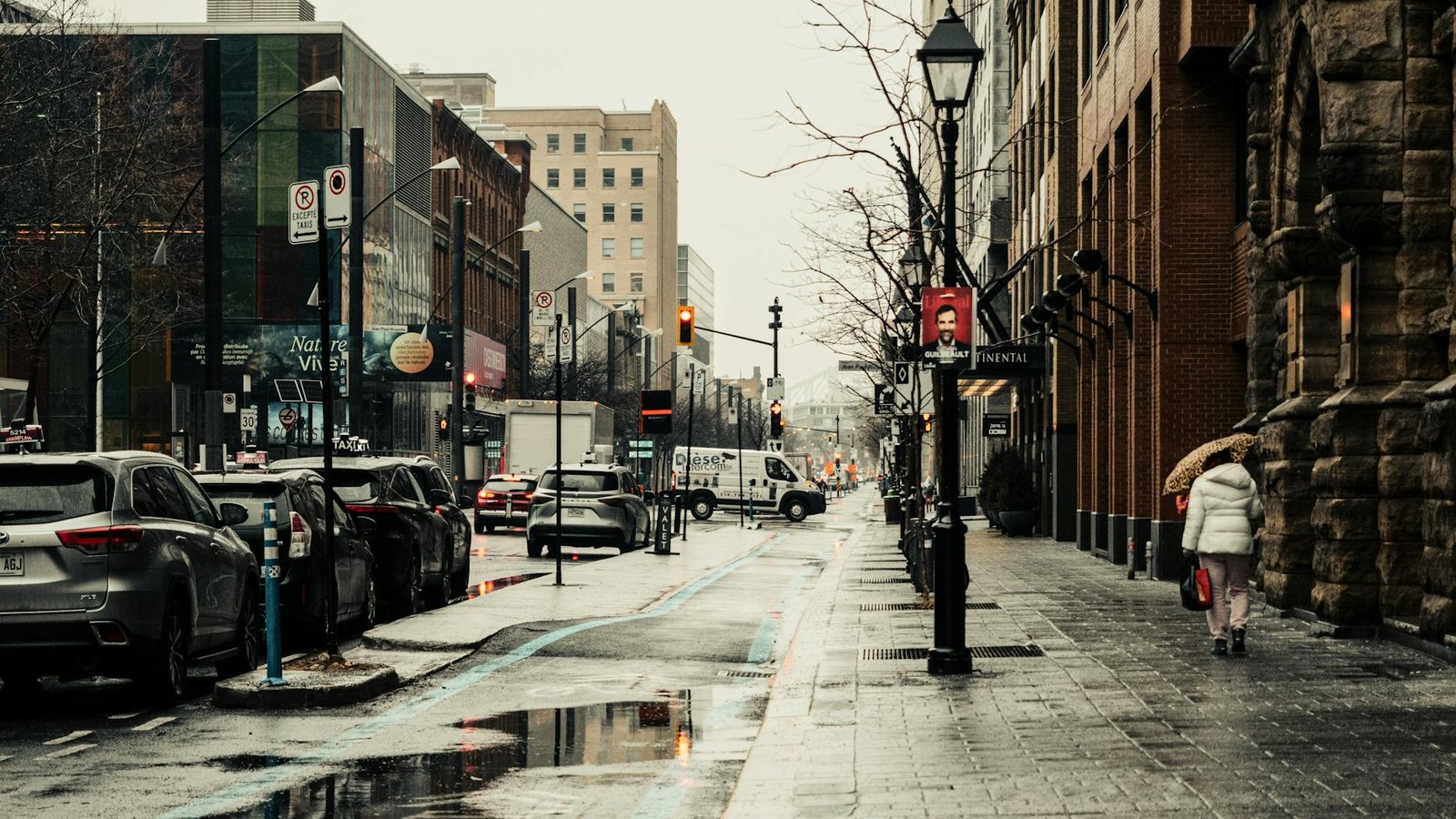
Jean-Talon Market in Little Italy is Montreal’s most famous food market and an absolute must-visit destination. This historic public market bursts with seasonal produce, artisanal cheese, fresh seafood, and specialty foods. Wandering through in summer when local berries and vegetables are at peak season is a transcendent experience. Atwater Market, near the Lachine Canal, offers similarly impressive produce, meats, and prepared foods. Both markets feature small restaurants and food stalls within their premises, making them perfect for casual meals featuring hyper-local ingredients. The markets embody Montreal’s food culture—they’re places where serious cooks source ingredients and where families have shopped for generations.
Best Restaurants: From Casual to Fine Dining
Montreal’s restaurant scene ranges from casual neighborhood establishments to world-class fine dining. For elevated French cuisine with a modern sensibility, Joe Beef remains an institution—a casual yet refined restaurant serving exceptional meat, seafood, and creative preparations in a charming setting. For fine dining, Restaurant Toqué! represents the pinnacle of contemporary Canadian cuisine, showcasing local ingredients prepared with extraordinary technique. Au Pied de Cochon, another acclaimed restaurant, celebrates Quebec’s culinary traditions with hearty, flavorful dishes like foie gras and duck.
For casual dining, explore neighborhood gems like Lilia for Italian fare, Schwartz’s Delicatessen for legendary smoked meat, and countless Vietnamese restaurants around Boulevard St-Laurent. The city’s Chinese restaurants, particularly in Chinatown around rue de la Gauchetière, offer authentic dim sum and Cantonese specialties. Don’t miss poutineries for casual meals, or visit brewpubs that combine craft beer with excellent pub food. Montreal’s restaurant diversity means you can travel the world through food without leaving the city, yet always encounter the local Montreal touch that makes each cuisine distinctly this city’s own.
Culinary Neighborhoods: Where to Spend Your Food Time
The Plateau-Mont-Royal neighborhood is Montreal’s epicenter of food culture, featuring endless restaurants, cafes, and specialty shops along streets like rue Laurier and avenue de l’Espérance. This bohemian neighborhood attracts serious food lovers and casual diners alike, offering everything from trendy restaurants to longtime neighborhood institutions. Little Italy, centered around rue St-Zotique and Jean-Talon Market, maintains strong Italian heritage with pasta shops, bakeries, and trattorias serving generations of families. The Marais district offers French bistros and specialty foods, while Chinatown delivers authentic Asian cuisine and ingredients.
Old Montreal, while more tourist-oriented, features charming restaurants and cafes ideal for leisurely meals with cobblestone street views. The Griffintown neighborhood has emerged as a trendy food destination with contemporary restaurants and craft breweries. Each neighborhood has distinct character and culinary offerings, encouraging exploration beyond main tourist areas. Spending time eating in different neighborhoods provides genuine insight into how Montreal’s diverse communities express themselves through food.
When to Visit for Food: Seasonal Considerations
Montreal’s seasons dramatically influence food availability and dining experiences. Summer (June-August) offers peak market season with local berries, vegetables, and outdoor patio dining at countless restaurants. This season means fresh ingredients in every restaurant and overwhelming abundance at farmers markets. Fall brings root vegetables, squashes, and apples—perfect for heartier cuisine. Winter demands warming foods like hearty stews and poutine, and while outdoor dining becomes impossible, Montreal’s underground tunnels connecting restaurants and shops create a unique climate-controlled dining culture. Spring brings asparagus, fresh greens, and a renewed energy to the restaurant scene.
Spring through early fall represents the ideal visiting season for food-focused travelers, as you’ll encounter maximum market abundance and outdoor dining opportunities. However, winter provides its own charm if you embrace warming foods and the cozy interior dining experience. Holiday seasons, particularly December, bring special foods like tourtière (traditional French-Canadian meat pie) and unique holiday pastries to bakeries and restaurants. Plan your visit based on which seasonal foods most excite you, and time your market visits to coincide with peak ingredient seasons for maximum impact.
Conclusion: Your Montreal Food Journey Awaits
Montreal deserves its reputation as Canada’s food capital. From iconic bagels to celebrated fine dining restaurants, from bustling markets to charming neighborhood bistros, this city offers extraordinary culinary experiences at every level. Every street invites exploration, every neighborhood reveals food treasures, and every meal connects you more deeply to this unique city’s character. Come hungry, stay curious, and prepare for a food adventure that will reshape your understanding of what Canadian cuisine can be.



Book a Food Experience in Montreal
Handpicked experiences — book with free cancellation and instant confirmation.
Explore More Food Tours
More food guides from Canada:
You might also enjoy:
- Cancun Food Tour Guide (Mexico)
- Chicago Food Tour Guide (USA)
- Los Angeles Food Tour Guide (USA)
Featured in:
Frequently Asked Questions
What is the typical cost of a food tour in Montreal?
Most guided food tours in Montreal range from $75 to $150 CAD per person, depending on the tour length and number of tastings included. Premium tours featuring fine dining establishments or private guides can cost $200+ CAD, while budget-friendly options in popular neighborhoods like the Plateau may start around $60 CAD.
How long do typical Montreal food tours last?
Standard Montreal food tours usually last between 2.5 to 3.5 hours, allowing time to visit multiple food establishments and enjoy tastings at a comfortable pace. Extended evening tours or specialized culinary experiences can run 4-5 hours, while quick street food tours might be as short as 2 hours.
What local Montreal foods should I expect to try on a food tour?
You'll likely encounter iconic Montreal specialties including bagels from St-Viateur or Fairmount bagel shops, poutine with various gourmet toppings, smoked meat from Schwartz's Deli, and Montreal-style pizza with its thin, crispy crust. Tours may also feature tourtière (meat pie), butter tarts, French-Canadian pastries, and artisanal cheeses from Quebec producers.
What are the best Montreal neighborhoods for street food tours?
The Plateau-Mont-Royal and Mile End neighborhoods are renowned for vibrant street food scenes with trendy cafes, bagel shops, and independent eateries reflecting Montreal's multicultural heritage. The Old Montreal (Vieux-Montréal) district offers historic charm with European-influenced food vendors, while the Jean-Talon Market in Little Italy provides fresh produce, ready-to-eat items, and authentic Italian food experiences.
How can I handle dietary restrictions on a Montreal food tour?
Most reputable tour operators in Montreal require advance notice of dietary restrictions—whether vegetarian, vegan, kosher, halal, gluten-free, or allergy-related—and will customize stops accordingly. Inform your tour guide immediately upon meeting, as Montreal's diverse culinary scene easily accommodates most dietary needs with alternative tastings at restaurants throughout the city.