
Manila Food Tour – Best Local Food & Restaurants
Manila, Philippines: The Ultimate Food Guide
A City Where Ancient Flavors Meet Modern Innovation
Manila is a vibrant metropolis where centuries of culinary tradition collide with contemporary gastronomy. As the capital of the Philippines, this bustling city has absorbed influences from Spanish colonizers, Chinese traders, American occupiers, and indigenous Austronesian cultures, creating a uniquely Filipino food scene that’s impossible to replicate anywhere else. Walking through Manila’s neighborhoods feels like stepping through different eras and cultures simultaneously—from centuries-old family recipes passed down through generations to cutting-edge restaurants pushing the boundaries of Asian cuisine.
The city’s food culture is deeply embedded in its soul. Filipinos are passionate about eating, and Manila’s streets pulse with the energy of people seeking their next meal. Whether you’re navigating the narrow alleyways of Intramuros at dawn or exploring the sophisticated dining establishments of Makati at dusk, you’ll discover that food here is more than sustenance—it’s a celebration of history, family, and community. Every dish tells a story of Manila’s complex past and its vibrant present.
Intramuros: Exploring Historic Flavors in the Old City
Intramuros, Manila’s oldest district, is where Spanish colonial architecture meets Filipino culinary heritage. Enclosed within centuries-old stone walls, this historic quarter is home to traditional restaurants that have served the same recipes for decades. Walking through its cobblestone streets, you’ll encounter family-run establishments that specialize in Filipino comfort food elevated to an art form. One must-try experience is dining at Ilustrado Restaurant, where executive chef Margarita Forés presents contemporary Filipino cuisine within a beautifully restored colonial mansion.
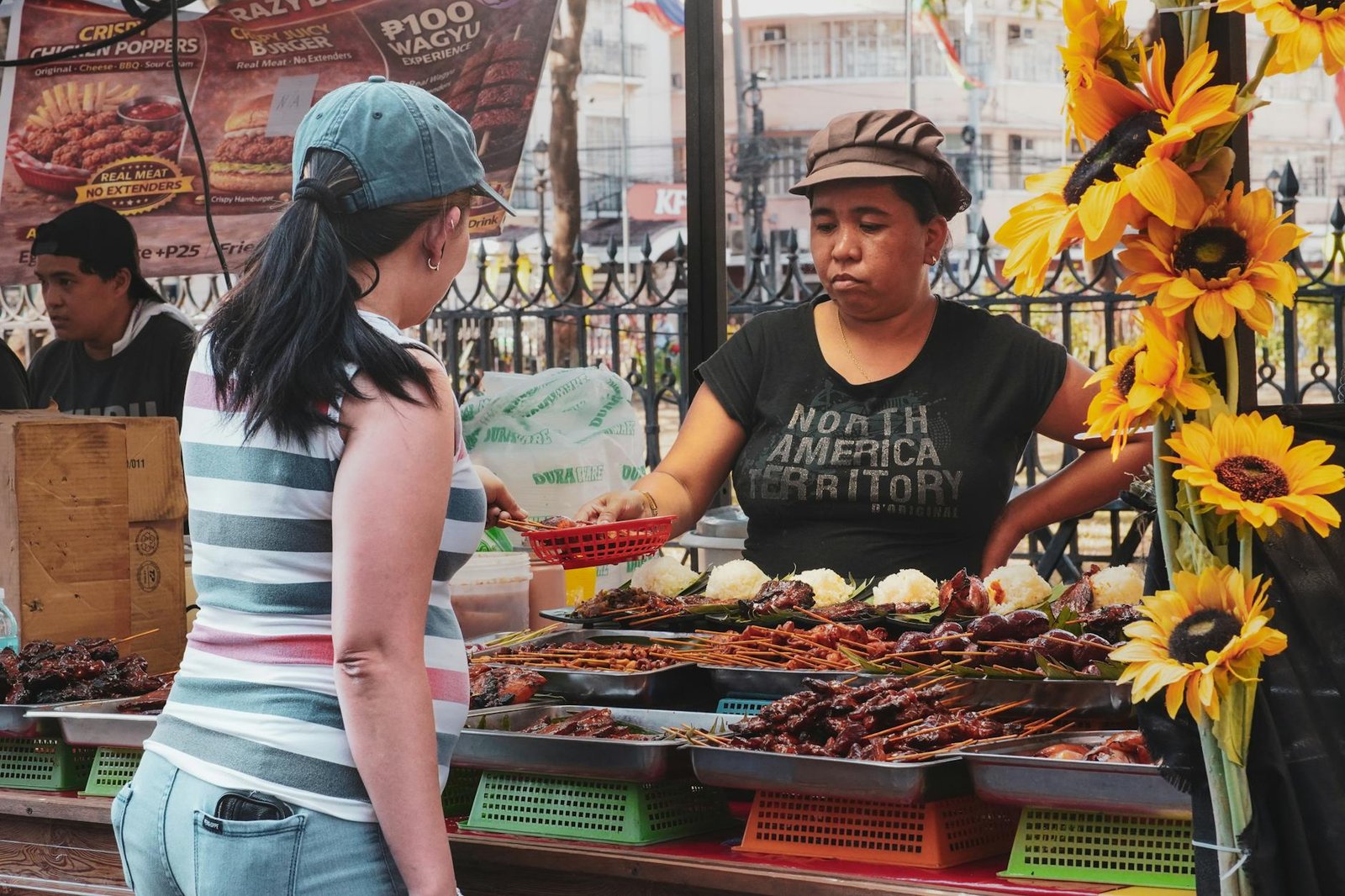
The area is particularly famous for its Spanish-influenced Filipino dishes. Look for restaurants serving dishes like lechon (roasted suckling pig), crispy pata (deep-fried pork knuckles), and caldereta—a Spanish-inspired Filipino stew. Intramuros also offers a more casual dining experience at various Filipino establishments where locals gather for morning arroz caldo (rice porridge) and afternoon merienda (snacks). The neighborhood’s food scene perfectly represents Manila’s identity as a bridge between East and West.
Top Street Food: Where Manila’s Heart Beats
Street food is the lifeblood of Manila’s food culture, and sampling authentic street eats is essential to understanding the city. Makabayan Street, located in Quiapo, transforms into a food paradise in the late afternoon and evening, offering everything from grilled squid to steaming bowls of lugaw (rice porridge). Here you’ll find isaw (grilled chicken intestines), chicken skin, and beef offal cooked on charcoal grills, accompanied by spicy vinegar dipping sauces that locals swear by. For a truly authentic experience, arrive hungry and ready to eat standing up alongside construction workers, students, and Manila’s diverse population.
Don’t miss balut—the famous Filipino street delicacy of a fertilized duck egg boiled and served in its shell. While it may seem challenging to the uninitiated, balut is a rite of passage for serious food tourists. For something sweeter, seek out turon (banana spring rolls with brown sugar), bibingka (rice cake cooked in banana leaf), and putobumbong (sticky rice cake wrapped in bamboo leaves). The Divisoria area, Manila’s main commercial district, offers some of the city’s best street food deals, particularly around the morning hours when vendors sell fresh puto (steamed rice cakes) and pork empanadas.
Binondo: Manila’s Vibrant Chinese Quarter
Binondo holds the distinction of being the world’s oldest Chinatown, and its food scene reflects centuries of Chinese culinary tradition adapted to Filipino tastes. Walking down Ongpin Street, the main thoroughfare, you’ll encounter restaurants ranging from humble noodle shops to upscale establishments serving elaborate Cantonese and Fujian cuisine. This neighborhood is the place to experience authentic Filipino-Chinese dishes like lomi (noodle soup with egg and vegetables), pancit (stir-fried noodles), and siopao (steamed pork buns).
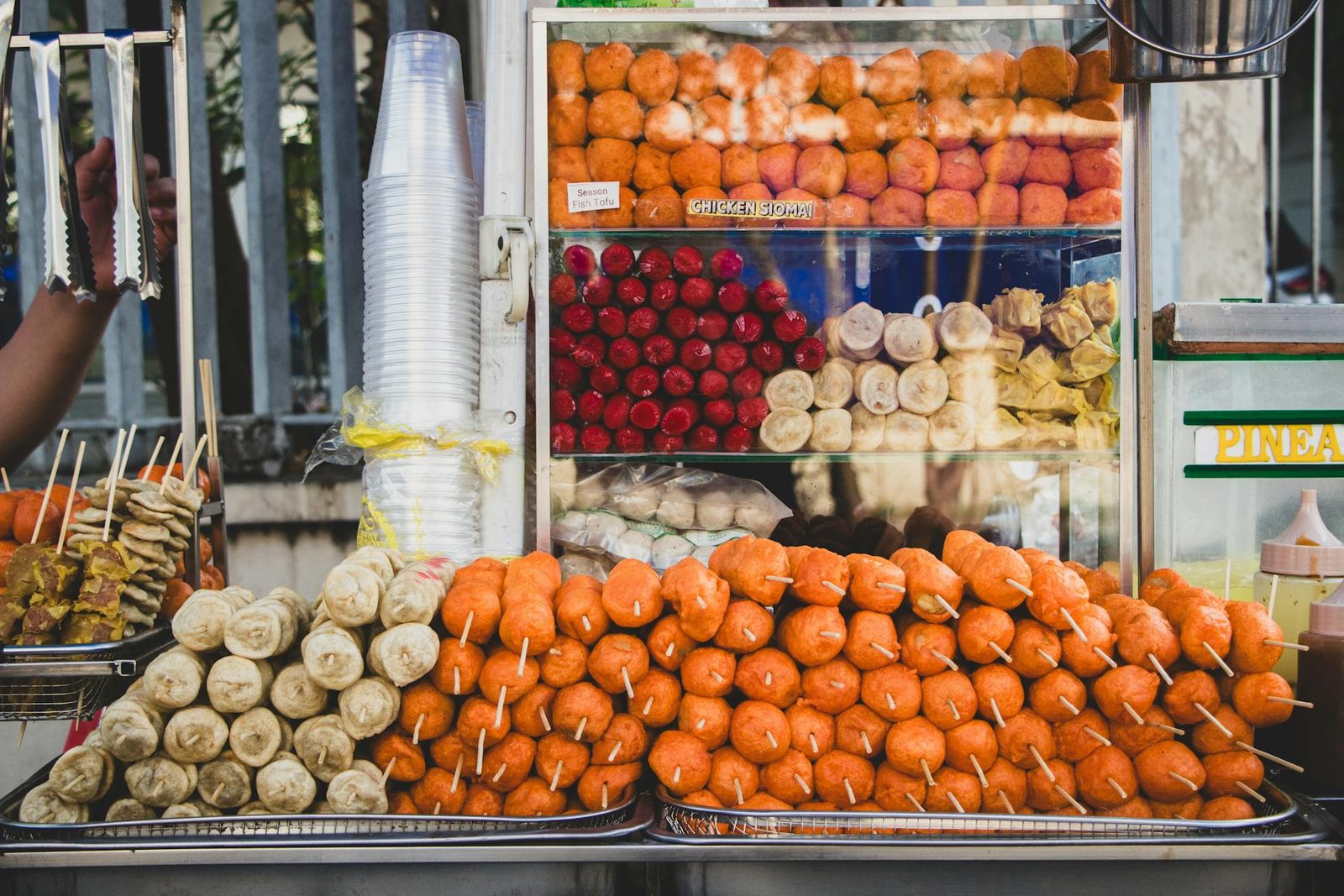
For a deeper dive into Binondo’s food culture, visit Jollibee’s original location or explore the numerous dimsum restaurants that serve carts of these delicate morsels from morning until afternoon. Century-old establishments like Café Golden Dragon serve traditional chop suey and Filipino-Chinese staples that have remained virtually unchanged since their opening. The neighborhood’s wet markets, particularly around Santa Cruz Church, bustle with activity and offer glimpses into where much of Manila’s cooking ingredients originate.
Makati: Fine Dining and Contemporary Filipino Cuisine
Makati, Manila’s central business district, represents the modern face of Filipino gastronomy. Chefs here have established restaurants that reimagine traditional Filipino dishes using contemporary techniques and premium ingredients. Establishments like Locavore and Cote showcase chefs’ deep respect for Filipino culinary traditions while pushing boundaries with innovative presentations and unexpected flavor combinations. These restaurants have put Manila on the international fine-dining map, attracting food enthusiasts from around the world.
Makati’s Poblacion district has emerged as the city’s trendiest food destination, with young Filipino chefs opening casual dining spots that celebrate street food and home cooking. Here you’ll find restaurants serving elevated versions of adobo, sinigang (tamarind-based stew), and kare-kare (peanut-based meat stew). The area’s restaurant scene perfectly encapsulates contemporary Manila—respectful of its past while enthusiastically embracing the future. Graze and other neighborhood gems offer authentic flavors in modern settings that appeal to both tourists and discerning locals.
Best Food Tours: Guided Explorations
For visitors wanting structured culinary experiences, several reputable platforms offer excellent Manila food tours. Viator provides various options including guided street food tours of Intramuros and night food tours through different neighborhoods, allowing you to taste multiple dishes while learning about Manila’s food history from knowledgeable guides. GetYourGuide similarly offers comprehensive food-focused experiences, from market tours at dawn to evening explorations of Binondo’s culinary treasures.
These organized tours typically include visits to historic markets, tastings at established restaurants, and interactions with local vendors and chefs. A guided experience takes the guesswork out of finding authentic spots and provides cultural context that deepens appreciation for each dish. Most tours are reasonably priced and include significant amounts of food, often making them more economical than eating independently while providing educational value and convenience.
Best Restaurants: Manila’s Culinary Landmarks
Manila’s restaurant landscape offers options for every budget and preference. For contemporary Filipino cuisine, Cote by Chef Jordy Navarra is exceptional, offering a tasting menu that celebrates Philippine ingredients. Toyo Eatery presents a more casual atmosphere while maintaining exceptional quality, with dishes that rotate seasonally based on available ingredients. For traditional Filipino comfort food in refined settings, try Abe Restaurant or Ilustrado Restaurant, where recipes passed down through generations are prepared with meticulous care.
For budget-conscious travelers, Andok’s and other local chains provide reliable Filipino favorites at incredibly affordable prices. Visiting both high-end and casual establishments provides a complete picture of Manila’s food scene. Chato, a Japanese-Filipino fusion restaurant, represents the city’s multicultural food future, while establishments like Max’s Restaurant, a Manila institution since 1945, showcase how comfort food has sustained generations of families.
When to Visit for Food: Timing Your Culinary Adventure
The best time to experience Manila’s food scene is during the dry season from November to April, when street food vendors are most active and outdoor eating is most comfortable. December brings additional festive food celebrations, with holiday parties featuring special preparations of traditional dishes. The cooler months also mean more comfortable walking conditions for exploring food markets and street food areas, which is essential for serious culinary tourism.
However, Manila’s food culture thrives year-round. Each month brings special celebrations and seasonal dishes—January features special fiestas with unique local foods, while summer months showcase fresh tropical fruits. Consider avoiding the hottest months (May-June) for extensive street food exploration, though restaurants remain excellent year-round. Allow at least three to four days to experience Manila’s food properly, mixing neighborhood explorations with restaurant reservations and market visits for an unforgettable culinary journey.



Book a Food Experience in Manila
Handpicked experiences — book with free cancellation and instant confirmation.
Explore More Food Tours
More food guides from Philippines:
You might also enjoy:
- Yogyakarta Food Tour Guide (Indonesia)
- Bali Food Tour Guide (Indonesia)
- Bali Vegan Food Guide: Plant-Based Paradise for Travelers (Indonesia)
- Kuala Lumpur Food Tour Guide (Malaysia)
- Penang Food Tour Guide (Malaysia)
Frequently Asked Questions
What is the typical cost of a food tour in Manila?
Most guided food tours in Manila range from 1,500 to 3,500 Philippine pesos (approximately $27-$63 USD) per person for a half-day tour, while full-day tours typically cost between 3,000 to 6,000 pesos. Prices vary depending on the tour operator, neighborhoods covered, and whether meals and drinks are included in the package.
How long does a typical food tour in Manila last?
Most food tours in Manila last between 3 to 4 hours for half-day tours, while comprehensive full-day tours can extend from 6 to 8 hours. Some specialized evening or night market tours typically run 2 to 3 hours and focus on dinner and street food experiences.
What local Manila food should I expect to try on a food tour?
You'll typically encounter iconic Manila dishes like adobo, sinigang, lumpia (spring rolls), balut, isaw (grilled intestines), kwek-kwek (battered quail eggs), and various siomai (dumplings). Tours also feature specialties such as bulalo, pancit, lechon, taho, and fresh tropical fruits like mango, calamansi, and rambutan depending on the season and route.
Which neighborhoods in Manila are best for street food exploration?
Quiapo is famous for its chaotic street food scene with vendors selling isaw, fish balls, and local snacks around the historic church. Binondo, Manila's oldest Chinatown, offers authentic Chinese-Filipino fusion food and dim sum, while Divisoria provides budget-friendly street eats and food stalls selling dried goods and local delicacies like otap and ube pastries.
How can I handle dietary restrictions on a Manila food tour?
Most reputable tour operators in Manila can accommodate vegetarian and vegan diets with advance notice, though options may be more limited as many traditional dishes contain meat or fish sauce. For allergies and religious dietary needs, communicate directly with your tour operator at least 48 hours before the tour so they can plan alternative stops and inform vendors in advance.