Chennai Food Tour – Best Local Food & Restaurants
Chennai, India: The Ultimate Food Guide
Introduction to Chennai’s Culinary Heritage
Chennai, the capital of Tamil Nadu, stands as one of India’s most vibrant food destinations, offering an intoxicating blend of ancient culinary traditions and modern gastronomy. The city’s food culture is deeply rooted in its Tamil heritage, where meals are not just about sustenance but a celebration of flavors, spices, and hospitality. From humble street corners to elegant restaurants, Chennai’s food scene tells the story of generations of cooks who have perfected their craft, passing down recipes that date back centuries. The city’s location on the Coromandel Coast means access to exceptional seafood, while its agricultural hinterland provides fresh produce year-round. Whether you’re a spice enthusiast, a seafood lover, or someone seeking authentic South Indian breakfast experiences, Chennai delivers an unforgettable gastronomic journey that will transform your understanding of Indian cuisine.
Iconic South Indian Breakfast Culture
Chennai’s breakfast scene is legendary throughout India, and for good reason. The city is the birthplace of some of South India’s most beloved morning staples, particularly idli, dosa, and uttapam. These dishes are made from a fermented batter of rice and lentils, creating light, fluffy textures that are quintessentially South Indian. Idli, steamed rice cakes, are typically served with sambar (a spiced vegetable stew) and coconut chutney, while dosa, crispy crepes, come in countless varieties including masala dosa, ghee roast, and the famous Pondicherry dosa with its lighter, more delicate texture. The best way to experience this authentic breakfast is at traditional eateries in neighborhoods like Mylapore, where generations of families have run their dosa stands since dawn.
For the ultimate breakfast experience, visit Murugan Idli Shop, which was founded in Madurai and has seventeen branches in Chennai, known for its ghee roast dosa and kal dosai. Many locals also swear by the breakfast joints near the Parthasarathy Temple in Mylapore, where you’ll find people queuing before 6 AM. Don’t miss the chance to try pongal, a traditional rice and lentil comfort dish, or uppuma, made from semolina and vegetables. These breakfasts typically cost between 30-50 rupees and provide an authentic glimpse into how Chennaiites start their day.
Exploring Traditional Markets and Local Flavors
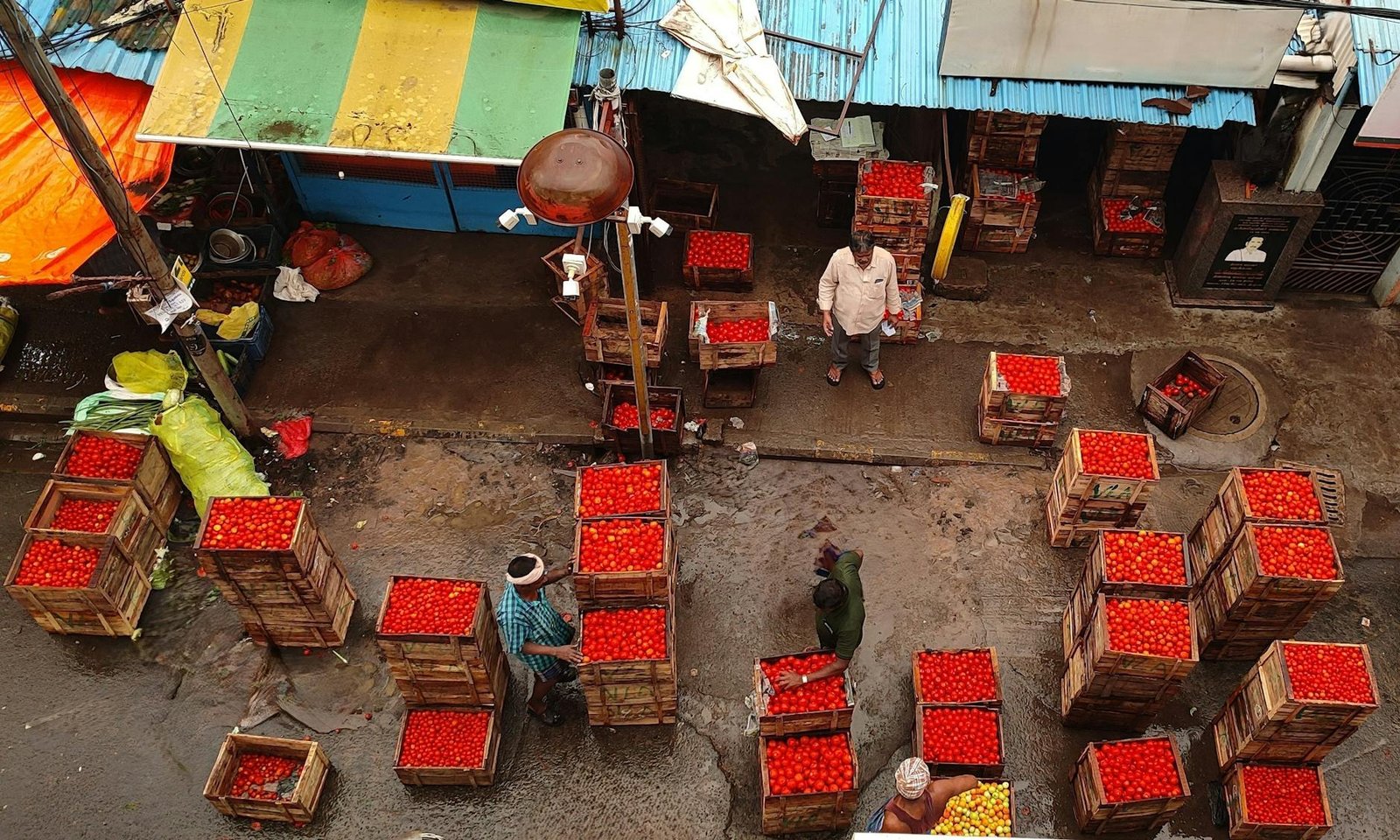
The heart of Chennai’s food culture beats strongest in its bustling markets, where vendors have sold fresh produce, spices, and ingredients for generations. Koyambedu Market, one of Asia’s largest wholesale produce markets, is a sensory explosion of colors, aromas, and flavors where you can find everything from fresh coconuts to exotic spices. Though primarily a wholesale market, early morning visits reveal the incredible variety of ingredients that fuel Chennai’s kitchens. Another must-visit is the Pondy Bazaar in T. Nagar, where food shops selling everything from fresh turmeric to traditional spice blends line the narrow streets, and the air is thick with the fragrance of cumin, coriander, and fenugreek.
The Flower Bazaar in George Town, despite its name, is surrounded by spice shops and food vendors selling traditional ingredients. Here you’ll find dried chilies, fenugreek leaves, curry leaves, and countless other essentials used in Tamil cuisine. These markets offer not just ingredients but also prepared foods—vendors sell fresh coconut chutney, ground spice pastes, and traditional snacks like murukku and chakli. Visiting these markets gives you an authentic understanding of what local families actually eat and how they source their ingredients, making it an invaluable part of any food tour in Chennai.
Top Street Food Experiences
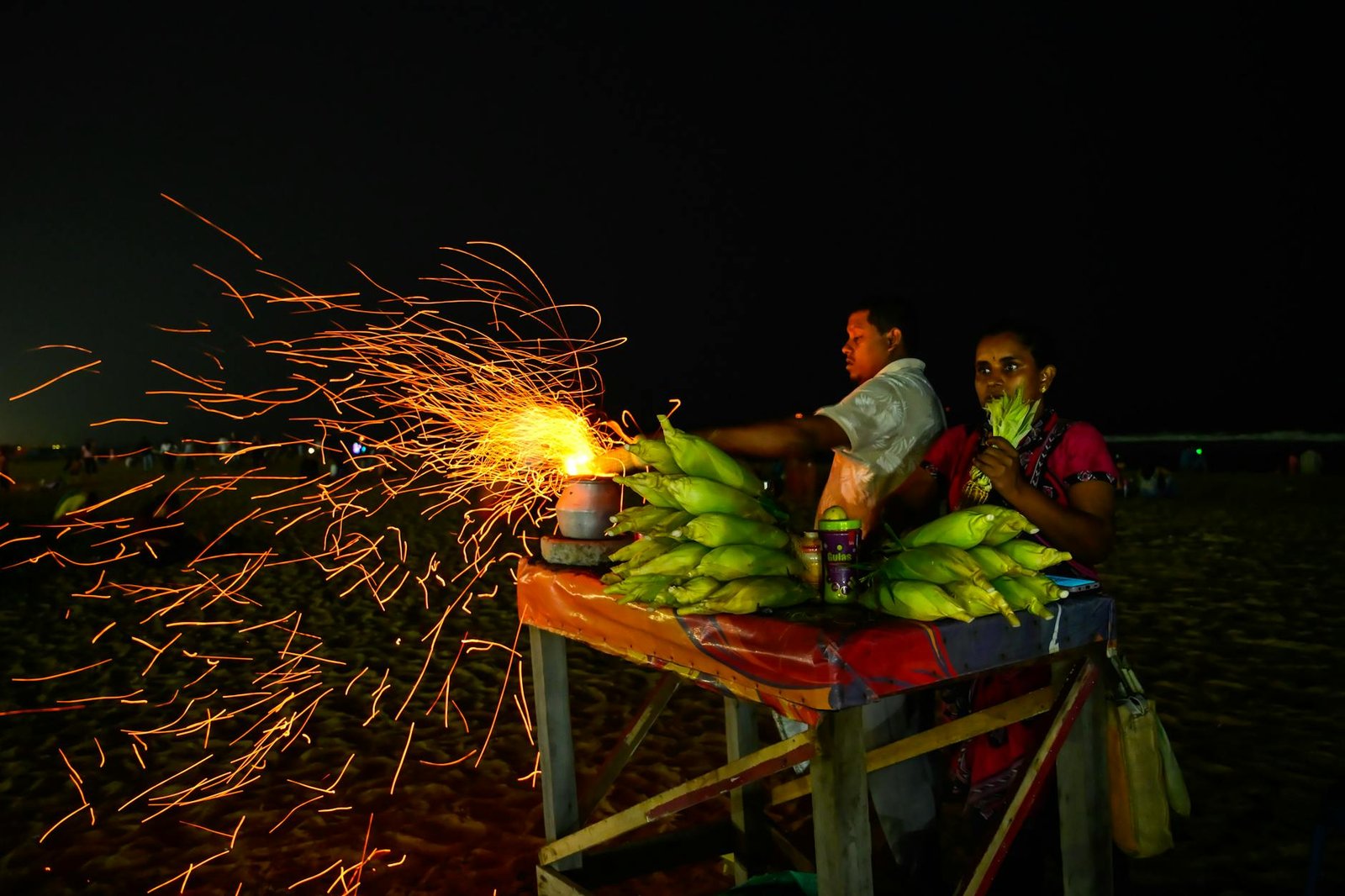
Chennai’s street food scene is incredibly diverse and flavorful, with vendors scattered throughout the city offering specialties that reflect the region’s culinary diversity. Pani puri, a tangy and spicy snack made with crispy shells filled with spiced chickpeas and potatoes, is found on almost every street corner and costs just 10-20 rupees. For something unique to Chennai, try bhajji, which includes varieties like onion bhaji and chili pakora, best enjoyed with a cup of filter coffee. The vegetable-based street snacks here are exceptional, with vendors preparing fresh batches throughout the day. Along Beach Road and in the Besant Nagar area, you’ll find some of the city’s best street food concentrations.
Another must-try street food is bondas, a crispy South Indian snack made with potato or plantain, and the various types of cutlets sold by street vendors. For seafood lovers, the beach areas near Marina Beach offer fresh fish fry and prawns prepared with simple, classic South Indian spices. Don’t miss the egg bajji during monsoon season or the delicious mysore pak from traditional sweet shops. The beauty of Chennai’s street food is that it’s not just delicious but incredibly affordable, with most items costing between 10-50 rupees. The safest approach is to eat where there are crowds of locals—a sure sign that the food is both good and prepared hygienically.
Best Restaurants for Authentic Tamil Cuisine
While street food is essential, Chennai’s restaurants offer refined versions of traditional dishes in comfortable settings. Saravana Bhavan, a legendary South Indian chain that originated in Chennai, serves exceptional dosas, idlis, and traditional Tamil curries across multiple locations. Their butter dosa and onion uthappam are particularly noteworthy, and the restaurant maintains authentic flavors while catering to diverse palates. Another excellent option is Rasa, which focuses on Kerala and South Indian cuisine, offering dishes you won’t find easily elsewhere, including traditional fish curries and coconut-based gravies. For a more upscale experience, Dakshin at the ITC Grand Chola offers traditional Chettinad cuisine, which is particularly rich and spiced, featuring dishes that are rarely seen outside the region.
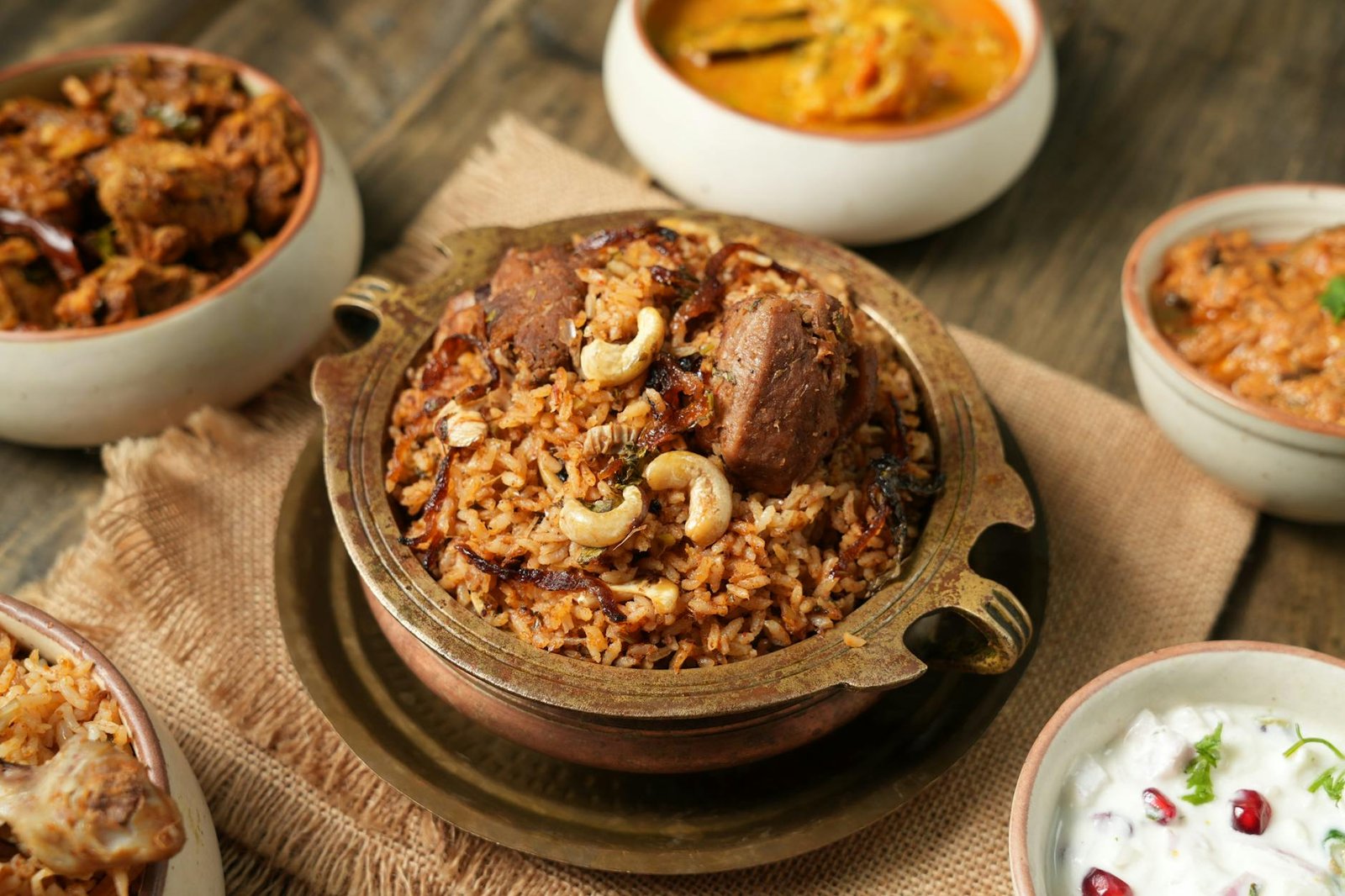
For a deeper dive into regional cuisines, visit Anjappar for authentic Chettinad cuisine, known for its bold flavors and use of dried chilies and spices. The Chettinad biryani here is exceptional, though quite spicy. Hotel Saravana Bhavan’s restaurant in Mylapore offers a more traditional setting where you can experience authentic vegetarian Tamil cuisine. For seafood, visit Lighthouse Restaurant near Marina Beach or Dakshin’s seafood specialties section. Most of these restaurants offer meals in the 150-400 rupee range for main courses, making authentic gourmet dining quite affordable. Don’t hesitate to ask servers for their recommendations or traditional specialties—restaurants in Chennai are generally excellent at guiding visitors through their menus.
When to Visit for Food
The best time to experience Chennai’s food culture is during the cooler months of December through February, when temperatures are pleasant and food festivals are frequent. During this period, the city hosts numerous food festivals and cultural events where you can sample a wide variety of cuisines in one location. The Tamil month of Margazhi (December-January) brings special food preparations and traditional meals, with many restaurants and families preparing time-honored recipes. Avoid the summer months of April to June, when extreme heat can make food spoilage more common and the street food scene is less vibrant. The monsoon season (October-November) brings unique seasonal snacks and fresh produce, though street food hygiene becomes slightly more of a concern.
Additionally, visiting during Tamil festivals like Pongal (January) offers insight into traditional foods and family meals that are central to Chennai’s culinary identity. During this festival, the entire city celebrates with special food preparations, and many families welcome visitors to experience these traditions. Weekday mornings are ideal for experiencing the authentic breakfast culture, as these times are less crowded and offer a more genuine glimpse into local life. Mid-morning visits to markets are perfect for exploring produce and ingredients while avoiding the rush of midday shoppers.
Best Food Tours
For visitors wanting a structured introduction to Chennai’s food scene, several companies offer excellent guided tours. Viator offers “Chennai Street Food and Market Walking Tours” that take you through local neighborhoods, markets, and street food hotspots with knowledgeable local guides who provide context and history behind the dishes. GetYourGuide similarly offers comprehensive food tours that combine market visits with tastings at traditional eateries, allowing you to sample multiple dishes while learning about their origins and preparation methods. These tours typically last 3-4 hours and cost between 2,000-4,000 rupees per person, including food tastings and guide fees.
Local food blogger-led tours have become increasingly popular and offer a more personalized experience with smaller groups and access to family-run establishments that tourists might otherwise miss. Many of these tours can be arranged through hotels or directly through local guides, and they often provide more flexibility than standardized tour company offerings. Whether you choose an organized tour or prefer self-exploration, having a local guide significantly enhances your understanding of Chennai’s culinary traditions, as they can explain the spice combinations, cooking techniques, and cultural significance of each dish you encounter.
Conclusion: Bringing Chennai Home
Your food journey through Chennai will reveal why this ancient city holds such an important place in India’s culinary landscape. From the discipline and precision of making perfect dosas to the bold, unapologetic flavors of Chettinad cuisine, every meal tells a story of generations of culinary mastery. The people of Chennai take immense pride in their food traditions, and this passion is evident in every street stall, traditional restaurant, and family kitchen. As you explore the city’s flavors, you’ll understand that Chennai’s food culture is more than just recipes—it’s a reflection of values, heritage, and the joy of community. Whether you’re savoring your first idli at a humble dawn-time dosa stand or enjoying an elaborate Chettinad feast at an upscale restaurant, you’re participating in a food tradition that dates back thousands of years. Consider bringing home some dried spices, curry leaves, or local condiments to recreate these flavors in your own kitchen, ensuring that your memories of Chennai’s food scene continue to inspire your cooking for years to come.



Book a Food Experience in Chennai
Handpicked experiences — book with free cancellation and instant confirmation.
Explore More Food Tours
More food guides from India:
You might also enjoy:
- Kathmandu Food Tour Guide (Nepal)
- Chiang Mai Food Tour Guide (Thailand)
Featured in:
Frequently Asked Questions
What is the typical cost of a food tour in Chennai?
A guided food tour in Chennai typically costs between ₹1,500 to ₹3,500 per person ($18-$42 USD), depending on the duration and inclusions. Premium tours with cooking classes or visits to high-end restaurants may cost up to ₹5,000 per person, while street food walking tours are often on the lower end of this range.
How long do food tours in Chennai usually last?
Most food tours in Chennai last between 3 to 4 hours, typically covering 5-8 food stops in a single neighborhood. Some comprehensive tours combine morning and evening sessions or offer full-day experiences (6-8 hours) that explore multiple areas of the city.
What local Chennai food should I expect to eat on a food tour?
You'll typically sample iconic Chennai dishes like idli, dosa, vada, sambhar, and rasam, along with local specialties such as chettinad chicken, appam, and puttu. Most tours also include stops for filter coffee, traditional sweets like jaggery-based desserts, and various South Indian snacks that reflect the city's culinary heritage.
Which neighborhoods are best for street food tours in Chennai?
Mylapore, known for traditional vegetarian South Indian food and temple-related cuisine, and George Town, famous for its bustling street food vendors and historic food establishments, are the top destinations. Other excellent areas include T. Nagar for diverse street food options and Besant Nagar for a mix of traditional and modern food vendors.
How can I manage dietary restrictions on a Chennai food tour?
Inform your tour operator about dietary restrictions when booking, as most vendors in Chennai offer vegetarian, vegan, and gluten-free options given the strong vegetarian culture in Tamil Nadu. Many traditional South Indian dishes are naturally plant-based, but ensure to discuss allergies and specific requirements to avoid cross-contamination at street food stalls.