Jaipur Food Tour – Best Local Food & Restaurants
Jaipur, India: The Ultimate Food Guide
Introduction: The Pink City’s Culinary Treasures
Jaipur, the capital of Rajasthan, is renowned for its stunning pink-hued architecture and vibrant culture, but what many travelers overlook is its extraordinary culinary heritage. The Pink City sits at the crossroads of Indian gastronomy, blending royal Mughlai traditions with rustic Rajasthani flavors. From the bustling lanes of the old bazaar to sophisticated rooftop restaurants overlooking the City Palace, Jaipur’s food scene tells stories of centuries-old recipes passed down through generations. Whether you’re a spice enthusiast or a curious foodie, this desert city offers an unforgettable gastronomic journey that extends far beyond what you’ll find in guidebooks.
The city’s food culture is deeply connected to its history as a royal capital. The kitchens of Maharajas once perfected complex dishes that required hours of preparation and premium ingredients from across the region. Today, you can taste these culinary legacies in family-run restaurants and local eateries that have maintained their recipes with unwavering dedication. The local population’s love for bold flavors, aromatic spices, and generous portions means every meal in Jaipur is an adventure in authentic Indian cooking.
Royal Rajasthani Cuisine: Flavors of the Desert Kingdom
Rajasthani cuisine represents the soul of Jaipur’s food identity, developed in the arid desert landscape where preservation and resourcefulness shaped cooking traditions. Dishes here are characterized by bold use of spices, minimal water usage in cooking, and an emphasis on grains, lentils, and dried ingredients. The cuisine reflects the warrior culture of Rajput kingdoms, with hearty, protein-rich meals designed to sustain people through long days. You’ll encounter signature dishes like gatte ki sabzi (a chickpea flour dumpling curry), ker sangri (desert beans with dried fruit), and laal maas (fiery red mutton curry that’s considered the unofficial state dish).
The preparation methods tell stories of ingenuity and tradition. Bajra roti (pearl millet flatbread) and makki ki roti (corn bread) showcase the agricultural heritage of the region, while dal baati churma (lentils served with baked wheat balls and sweetened crumbled bread) represents comfort food at its finest. When visiting Jaipur, seek out restaurants specializing in authentic Rajasthani thalis, where you’ll receive a complete meal on a single platter, allowing you to sample multiple dishes in their intended proportions and flavors.
Top Street Food: Where Jaipur Eats on the Go
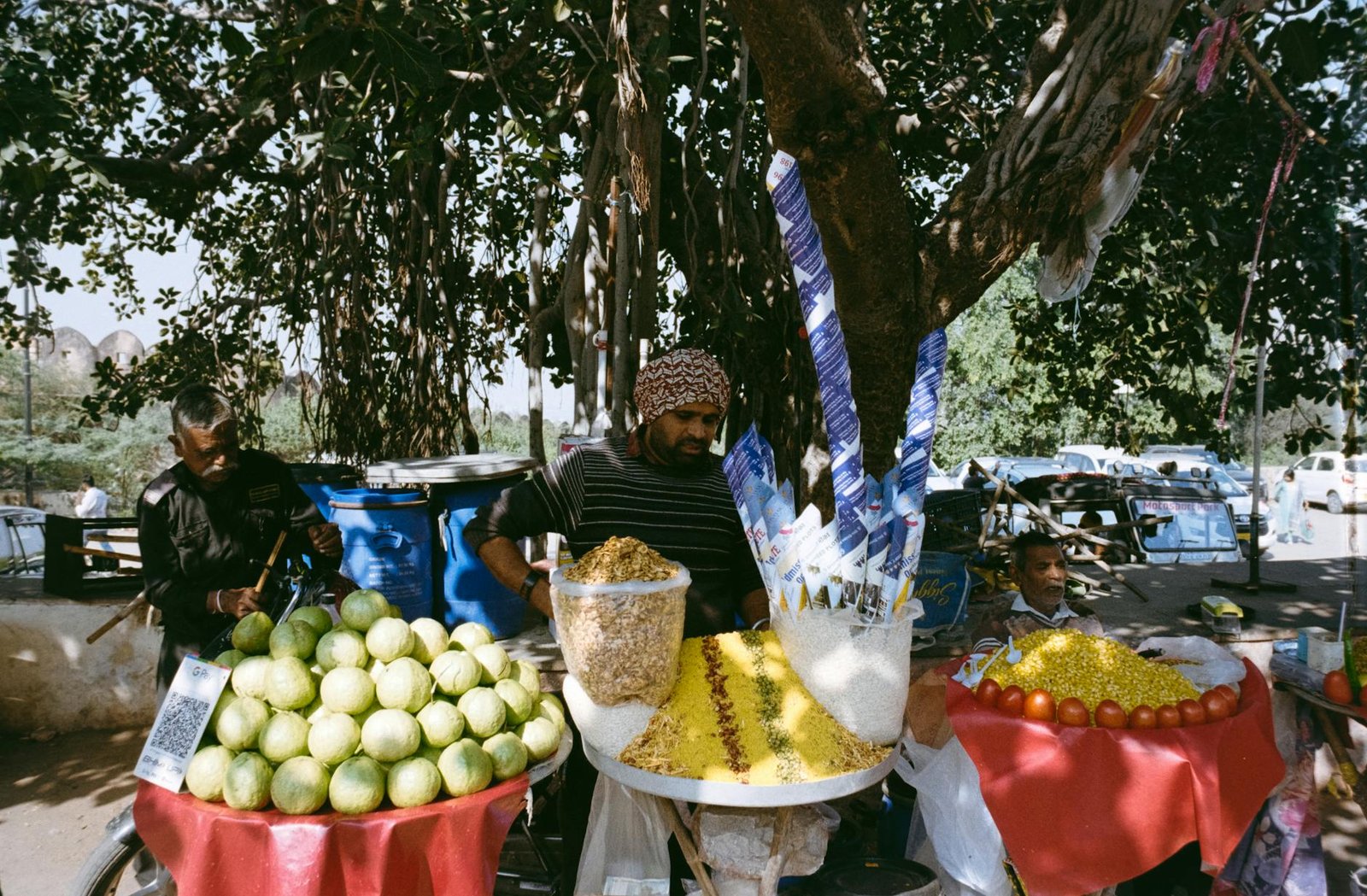
The streets of Jaipur transform into open-air kitchens during morning and evening hours, offering some of the most authentic and affordable eating experiences in the city. Johari Bazaar and Bapu Bazaar are legendary for their street food scenes, where vendors have perfected their recipes over decades. Pyaaz ki kachori (onion-filled pastry) is an absolute must-try, with its crispy exterior and spiced potato-onion filling that melts in your mouth. Equally famous is Jaipur’s unique take on chaat—the local gol gappas here are served with a special green tamarind water and potato mixture that differs from other Indian cities.
Don’t miss the mirchi bada (spiced green chili fritters) served with sweet tamarind chutney, or the mohan mahal malpua (traditional sweet pancakes) that have been served from the same stall in Johari Bazaar for over a century. Samosas here are crafted with precision, their golden shells containing perfectly spiced potato and pea fillings. Evening strolls through the bazaars are incomplete without stopping for a glass of traditional lassi (yogurt-based drink) or fresh juice from the numerous juice stands that line the streets. Street food in Jaipur isn’t just about satisfying hunger—it’s about experiencing the city’s heartbeat through flavors and aromas that have remained constant through generations.
Best Restaurants: Where Tradition Meets Contemporary Dining
Surya Niwas Palace Restaurant offers an immersive royal dining experience in a heritage setting, serving traditional Rajasthani cuisine prepared by chefs trained in palace kitchen techniques. The restaurant’s thalis are comprehensive, featuring dal baati churma, gatte ki sabzi, and several chutneys that showcase regional variations. Another gem is Niros, an institution since 1954, located in MI Road, where generations of Jaipur residents have celebrated milestones over their signature tandoori preparations and North Indian classics.
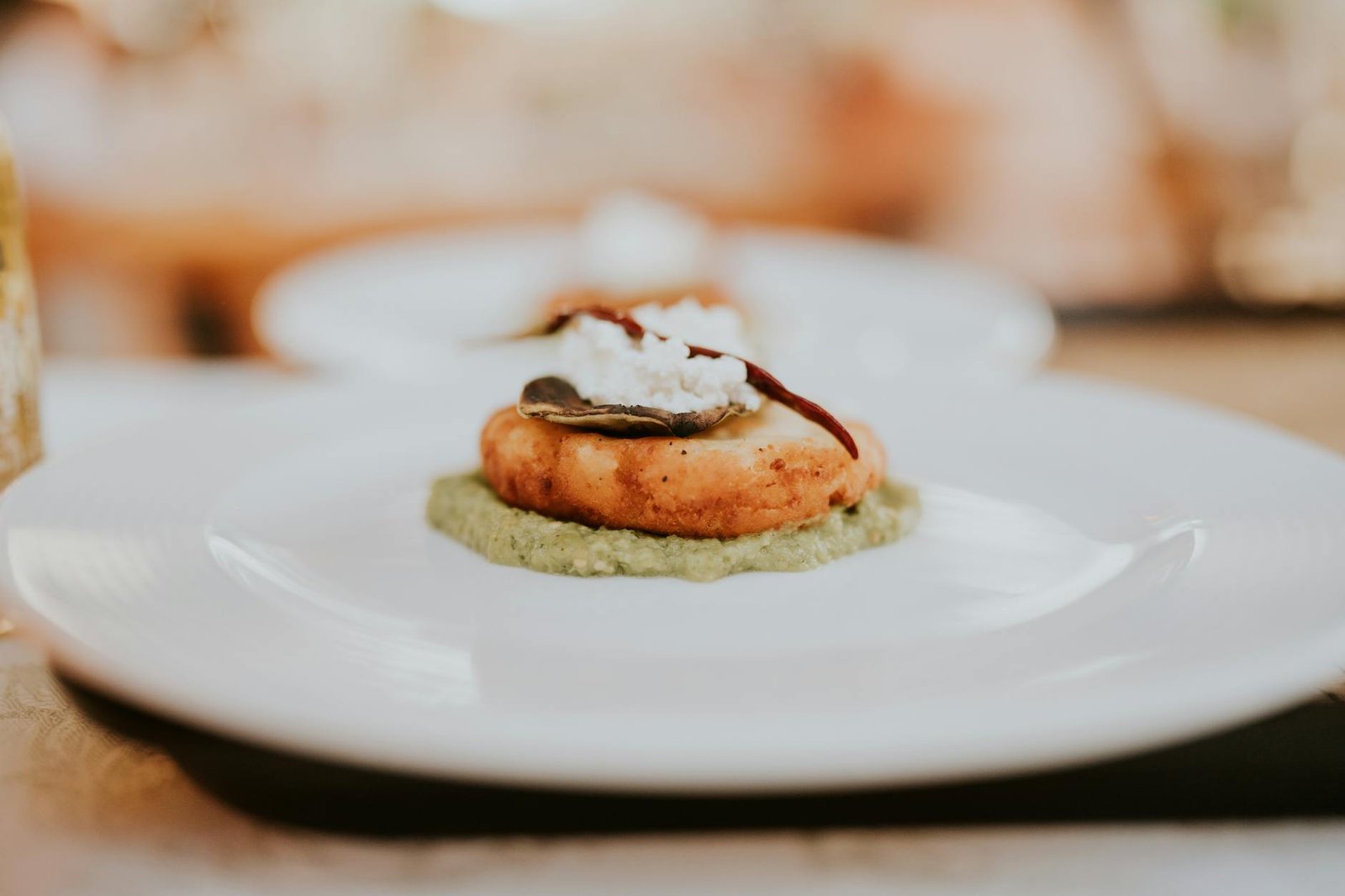
For those seeking modern interpretations of traditional flavors, Mahal (The Taste of Pink City) combines authentic Rajasthani dishes with contemporary plating near the iconic Hawa Mahal. Rajasthane Kitchen offers a unique dining concept celebrating the history and food of Jaipur, with a menu that travels through different regions of Rajasthan. Rajwada Restaurant provides a richly traditional dining experience, while local neighbourhood favourites like Annpoornam serve authentic Rajasthani meals in warm, unpretentious settings beloved by residents.
Markets and Food Shopping: Where Locals Source Their Ingredients
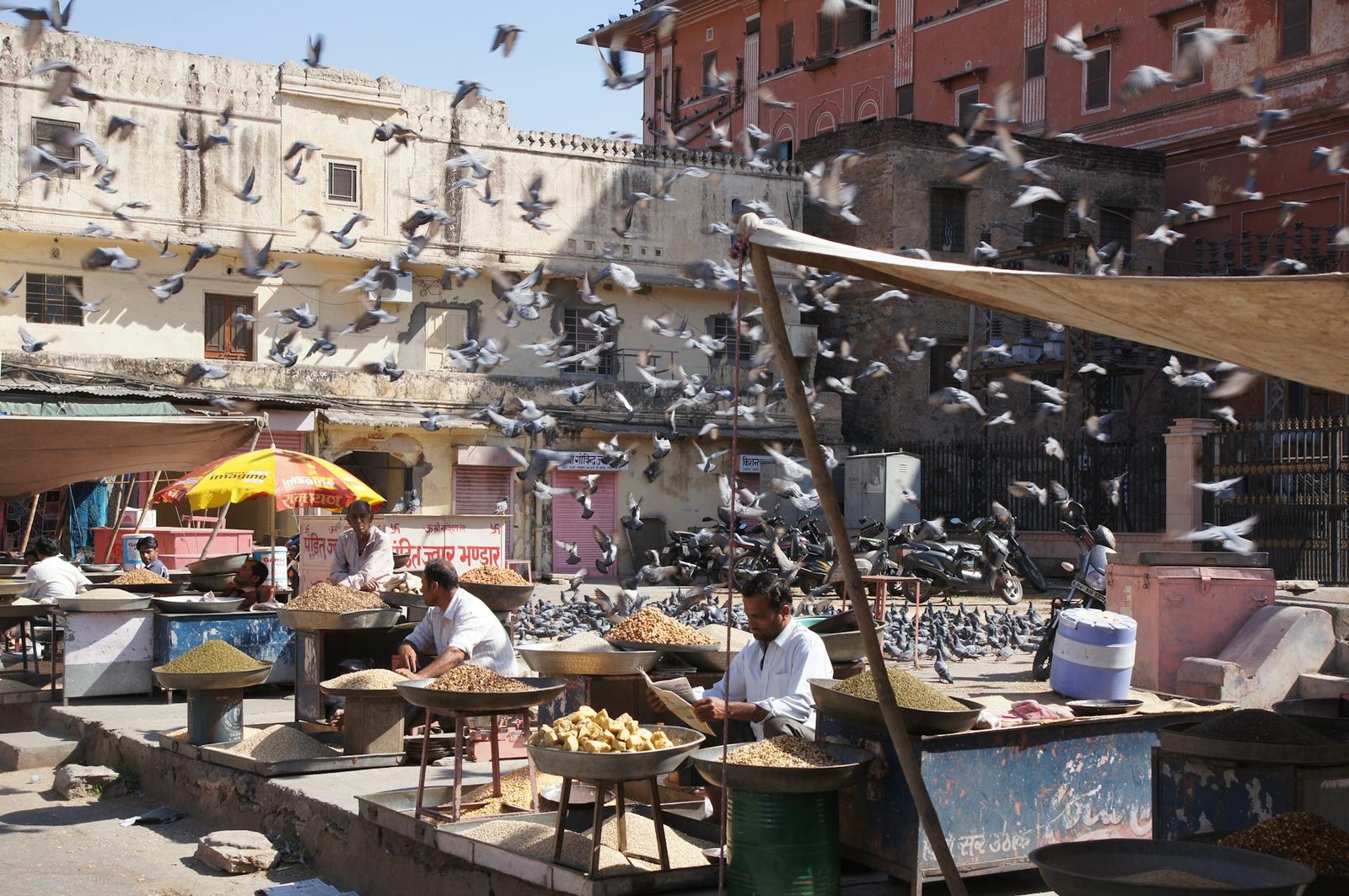
A visit to Jaipur’s food markets provides insight into the region’s culinary backbone and offers opportunities to purchase authentic spices and ingredients. Kishanpol Bazaar is famous for its spice markets, where vendors sell freshly ground masalas and whole spices that fill the air with intoxicating aromas. Walking through these narrow lanes, you’ll observe vendors expertly blending spice mixtures according to family recipes—each shop claims theirs is the finest quality available in the city. This is the place to purchase garam masala, chaat masala, and other spice blends that are essential to replicating Jaipur’s flavors at home.
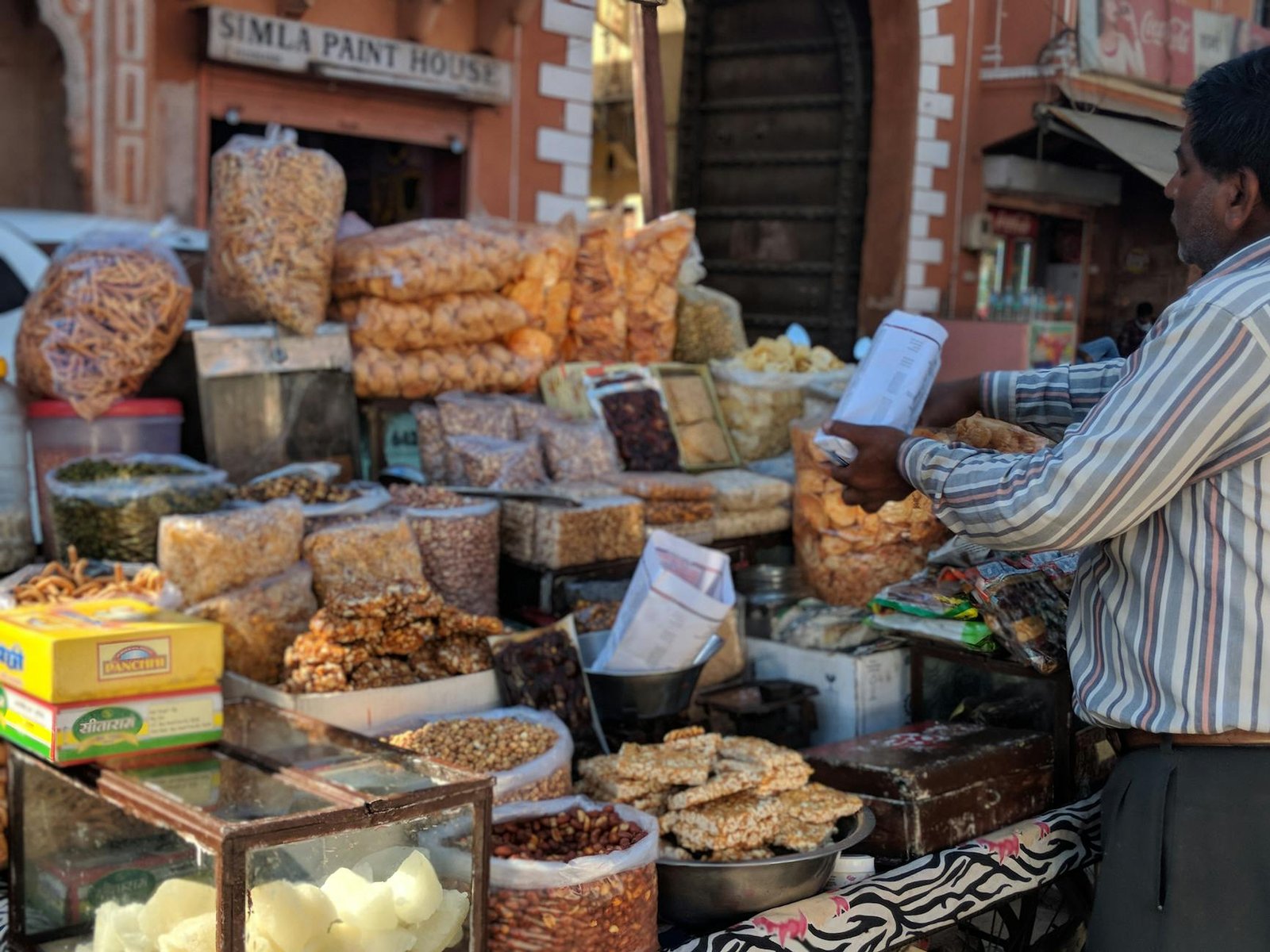
Bapu Bazaar operates as both a street food haven and shopping destination, offering everything from fresh produce to preserved items and sweets. The market’s sweet shops display colorful rows of traditional Indian confections, including Jaipur’s famous Mohan Mahal malpua and ghevar (a disc-shaped sweet made during festivals). Sanganeri Gate Market is another excellent destination for seasonal fruits, vegetables, and locally produced dairy products that form the foundation of home cooking in the region.
Best Food Tours: Professional Guided Experiences
For travelers seeking structured culinary exploration, Viator offers several Jaipur food tours that combine street food tastings with cultural education. Their guided tours typically include visits to major bazaars, tastings at multiple local eateries, and insights into the history behind each dish. These tours are led by knowledgeable local guides who provide context about ingredients, preparation methods, and the cultural significance of various regional specialties.
GetYourGuide features similar comprehensive food tour packages, including evening bazaar food walks that showcase Jaipur’s street food scene in full swing. Many tours include visits to family-run restaurants and hidden eateries that tourists might otherwise miss. These professionally guided experiences typically last 3-4 hours and conclude with dinner at a traditional restaurant, offering excellent value and authentic local insights. Both platforms allow you to read reviews from previous participants and select tours that match your dietary preferences and interests.
When to Visit for Food: Seasonal Culinary Highlights
The best time to experience Jaipur’s food culture is between October and March, when cooler temperatures make exploring bustling food markets and street stalls comfortable. During this period, fresh seasonal produce reaches peak availability—think winter vegetables that feature prominently in local curries and seasonal sweets that appear in shops and homes. The winter festival season also brings special dishes and sweets prepared for celebrations, giving visitors exposure to traditional festive cuisine.
Avoid the scorching summer months of May and June, when extreme heat can impact both food quality and your ability to comfortably explore food markets. The monsoon season (July-September) brings fresh produce but also occasional disruptions to street food vendors. Diwali and Holi seasons (October-March) are particularly special for food tourism, as markets overflow with festival-specific sweets like til ke laddoo and malpua, while restaurants feature special thali menus celebrating regional culinary traditions.
Cooking Classes and Culinary Experiences: Learn to Cook Like a Local
Several cooking schools and home-based experiences in Jaipur allow visitors to prepare traditional dishes under expert guidance. These hands-on classes typically begin with market tours where you select fresh ingredients, followed by preparation sessions where you learn cutting techniques, spice tempering, and cooking methods unique to Rajasthani cuisine. Many classes are conducted by experienced home cooks who’ve spent lifetimes perfecting their craft, providing an intimate understanding of how meals come together in Jaipur households.
The experience typically culminates in enjoying the dishes you’ve prepared alongside your instructor and other class participants, creating memorable cultural exchanges. Classes can range from half-day experiences focusing on a specific dish or meal to multi-day intensive programs covering numerous recipes and cooking techniques. This immersive approach to culinary tourism offers advantages beyond simply tasting food—you gain practical skills, understand ingredient selection principles, and return home with the ability to recreate authentic Jaipur cuisine in your own kitchen.



Book a Food Experience in Jaipur
Handpicked experiences — book with free cancellation and instant confirmation.
Explore More Food Tours
More food guides from India:
You might also enjoy:
- Kathmandu Food Tour Guide (Nepal)
- Penang Food Tour Guide (Malaysia)
Featured in:
Frequently Asked Questions
What is the typical cost of a food tour in Jaipur?
A guided food tour in Jaipur typically costs between ₹800 to ₹2,500 per person ($10-30 USD), depending on the tour operator and inclusions. Premium tours with expert guides and upscale restaurant stops can reach ₹3,500-5,000, while budget street food walks are usually at the lower end of the range.
How long do food tours in Jaipur usually last?
Most food tours in Jaipur last between 2 to 4 hours, with street food tours typically being 2-3 hours and comprehensive culinary experiences extending to 4-5 hours. Some specialized evening food walks focus on night bazaar dining and can run 3-4 hours starting around sunset.
What local Jaipur foods should I expect on a food tour?
You'll encounter iconic Jaipur dishes including gatte ki sabzi (gram flour dumplings in yogurt), pyaaz kachori (crispy pastries filled with spiced onions), dal baati churma (lentils with baked bread), and mirchi vada (stuffed chili fritters). Don't miss Jaipur's famous sweets like fafda-jalebi, ghevar, and khichdi ki kheer, along with chai and traditional lassi from local vendors.
Which neighborhoods are best for street food in Jaipur?
Bapu Bazaar and Johari Bazaar in the old city are legendary for street food vendors selling everything from kachoris to samosas. Mirza Ismail Road (M.I. Road) offers a mix of street food and casual eateries, while Thani Market and Raja Park are excellent for authentic local snacks and sweets.
How can I handle dietary restrictions on a Jaipur food tour?
Inform your tour operator in advance about vegetarian, vegan, gluten-free, or allergy concerns, as most reputable tours can accommodate these needs. Jaipur has abundant vegetarian options since Rajasthan has a strong vegetarian tradition, and many street vendors can prepare dishes without specific ingredients upon request.