Brasov Food Tour Guide 2026: Where to Eat Like a Local
A Brasov food tour is honestly one of the better ways to spend your first full day in this city — and I say that as someone who usually resists organized anything. Brasov surprised me. The food scene here is far more interesting than the medieval architecture postcards suggest, and knowing where to actually eat versus where tourists get shuffled makes a real difference to your wallet and your stomach.
Start Your Morning at Piata Sfatului Market
The central square looks like a film set, and in peak summer it kind of functions like one. But get there before 9am and the market stalls around the edges tell a different story. Local vendors set up near the Council House selling covrigi — Romanian pretzels, warm and slightly chewy — for about 2-3 lei each. That’s less than a euro. A woman named Maria has been selling them from the same corner for years. She’ll give you one with salt or sesame. Get both.
The nearby Agroalimentara market on Strada Piata Mare runs Tuesday through Saturday and is where Brasov residents actually shop. Smoked cheeses from Szeklerland, jars of wild mushroom preserves, honeys that taste like the Carpathians smell. Budget around 50-80 lei if you want to pick up provisions.
Street Food Worth Knowing About
Sarmale and Mici
You’ll find mici — grilled minced meat rolls, similar to skinless sausages — at almost every street vendor near the Black Church on weekends. They come with mustard and fresh bread. Three pieces run you about 15 lei. Don’t skip the mustard. The Romanian version is sharper than what you’re used to.
Sarmale (cabbage rolls stuffed with pork and rice) are harder to find as street food but appear at local festivals. If you’re visiting during the Brasov Juni Pageant in spring or any of the autumn harvest events, you’ll eat better and cheaper than any restaurant in town.
Kürtőskalács — The Chimney Cake Situation
This one requires honesty. Chimney cakes are sold everywhere in Brasov, and most of the stalls targeting tourists near the cable car station are fine but forgettable. The ones worth eating come from the stalls near the Hungarian community neighborhoods around Strada Lungă. They’re crispier, less sweet, and actually taste like they were cooked properly rather than assembled for Instagram.
Best Local Restaurants in Brasov
Sergiana
On Strada Mureșenilor, Sergiana is the restaurant locals send their relatives to when they want to show off Romanian food done properly. The slow-cooked lamb and the bean soup with smoked pork are both exceptional. Mains run 45-90 lei. It fills up by 7pm on weekends so either get there early or accept a wait.
La Ceaun
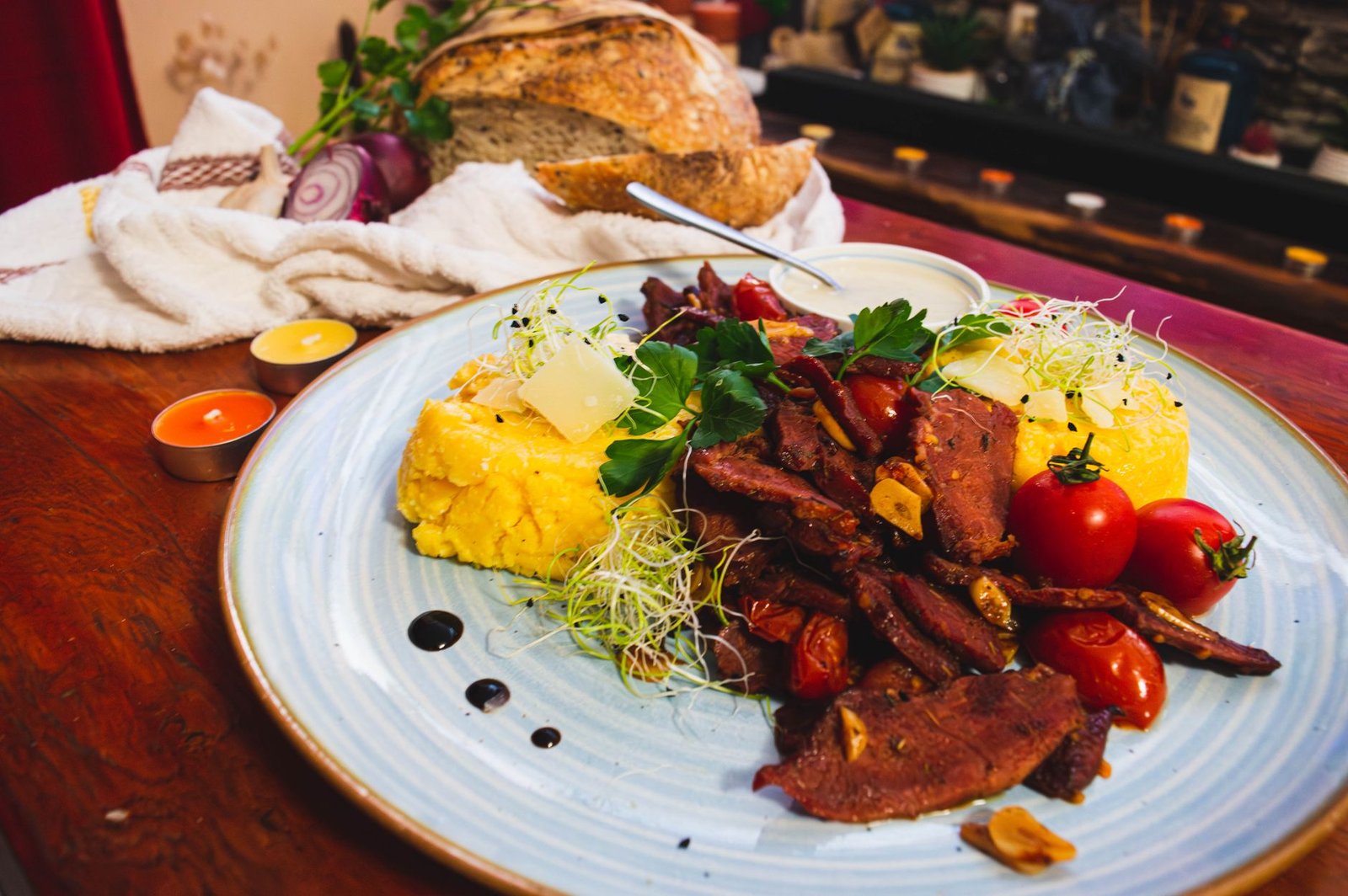
Smaller, slightly off the tourist path near Strada Republicii, La Ceaun specializes in Romanian stew dishes cooked in clay pots. The pork with polenta and sour cream is the kind of meal that makes you reconsider every meal you’ve eaten in the past month. Cash-friendly, usually around 60-70 lei for a full meal with a beer.
Restaurant Bella Musica
This one sits in a medieval cellar and sounds like a tourist trap. It’s actually not terrible. The venison goulash is legitimately good, and the wine list features local Transylvanian producers you won’t find easily outside Romania. Pricier than the others — expect 120-180 lei per person with drinks — but the atmosphere is genuinely historic, not manufactured.
Taking a Guided Food Tour
If you want someone to do the navigation and context-giving for you, guided food tours in Brasov have improved considerably. Platforms like GetYourGuide list a few solid options that combine market visits, tastings, and neighborhood walks for around 35-50 euros per person. The walking food tours that start at Piata Sfatului and end somewhere near the Schei neighborhood give you a proper cross-section of the city’s food culture rather than just the medieval center highlights.
You can also find more niche cooking class experiences through Viator — a hands-on sarmale-making session with a local host runs about 40-60 euros and is worth it if you’re spending more than three days in the city.
Drinks: What to Order and Where
Romanian țuică — plum brandy — is the thing to try once, probably before dinner as locals do. Ask for homemade (de casă) wherever possible; the commercial bottles are flat by comparison. A small glass in most bars costs 8-15 lei.
For wine, Transylvanian whites from the Târnave region are underrated. Look for Fetească Albă or Neuburger varieties. La Vinuri wine bar near the old town stocks a solid selection and the staff actually knows what they’re talking about.
Practical Notes for 2026
- Best time to eat: Lunch between 12-2pm gets you better value set menus (meniu del zi) at 25-40 lei including soup, main, and sometimes dessert
- Language: Most restaurant staff in tourist areas speak English; market vendors appreciate any Romanian attempt, even a broken ‘mulțumesc’
- Cash vs card: Markets are cash-only; restaurants vary, carry both
- Tipping: 10% is appreciated and normal; some places add a service charge so check the bill
- Dietary needs: Vegetarian options have expanded noticeably; vegan is still a challenge outside dedicated spots
Brasov rewards the curious eater. The best meals here aren’t the ones in the guidebooks — they’re the ones you stumble into by following your nose down a side street at noon when every worker in the city is taking their lunch break.


Book a Food Experience in Brasov
Handpicked experiences — book with free cancellation and instant confirmation.
Explore More Food Tours
More food guides from Romania:
You might also enjoy:
- Debrecen Food Tour Guide (Hungary)
- Szeged Food Tour Guide (Hungary)
- Budva Food Tour Guide (Montenegro)
Featured in:
Frequently Asked Questions
What is the must-try traditional dish when visiting Brașov?
You absolutely cannot leave Brașov without trying Tochitură Ardeleană, a hearty Transylvanian stew made with pork, sausage, and polenta topped with a fried egg and pickled vegetables. It is served at almost every traditional restaurant in the old town, with Restaurantul Cetățuia near the citadel being a local favourite. Pair it with a glass of local Dealul Mare red wine for the full experience.
Where do locals actually eat in Brașov rather than tourist traps?
Locals tend to gravitate toward the covered market hall at Piața Sfatului and the neighbourhood restaurants in Schei, the oldest district of the city, which rarely appear in mainstream travel guides. Crama Haiducilor on Strada Mureșenilor is consistently recommended by residents for authentic Romanian food at honest prices. Avoid the restaurants with laminated photo menus right on the main square, as these are almost exclusively priced for tourists.
Is street food a big part of the Brașov food scene?
Street food is growing but still modest compared to other European cities, with the best options found around the central market and during weekend festivals on Piața Sfatului. Kürtőskalács, also called chimney cake, is the iconic Transylvanian street snack you will find at dedicated kiosks throughout the old town. In 2026, the Thursday evening food truck market near Parcul Central has become a local gathering spot worth visiting for modern Romanian street bites.
What is a typical budget for eating well in Brașov for one day?
A comfortable daily food budget in 2026 sits around 150–200 Romanian Lei per person, roughly 30–40 euros, covering a café breakfast, a sit-down lunch, and a full dinner with drinks. If you shop at the central market for fresh produce, pastries, and local cheese, you can eat very well for under 100 Lei. Brașov remains significantly more affordable than Bucharest or most Western European cities, making it excellent value for food travellers.
Are there good options for vegetarians and vegans on a Brașov food tour?
Traditional Romanian cuisine is very meat-heavy, but Brașov has seen a noticeable rise in plant-based options since 2024, particularly in the Centru Civic area. Casa Fermei, a farm-to-table restaurant about ten minutes from the old town by taxi, offers an entirely vegetarian menu using produce from nearby Transylvanian farms. During Orthodox fasting periods, which occur several times a year, many traditional restaurants also expand their meatless menu options significantly.