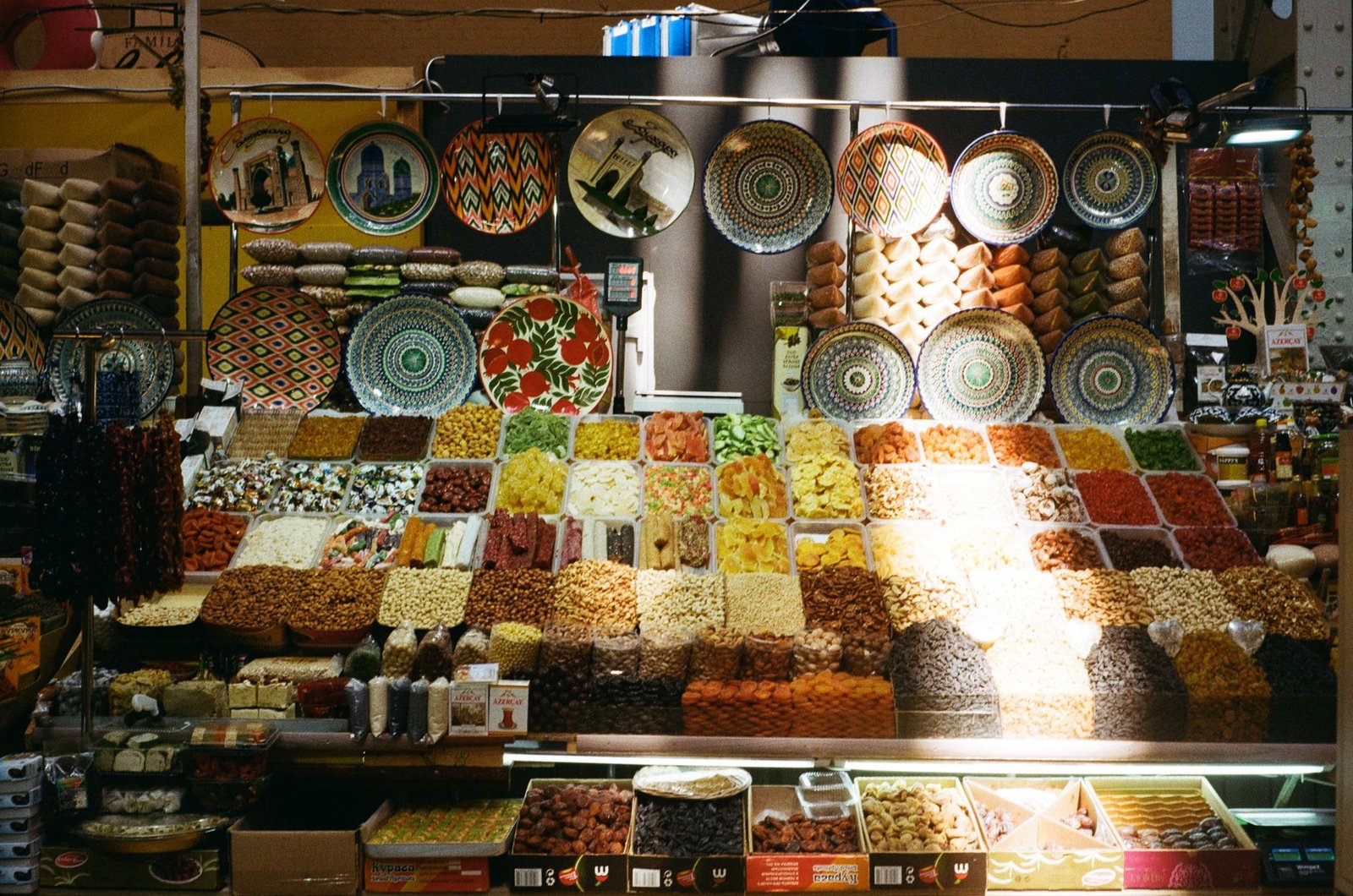
Best Food Souvenirs to Bring Home (That Actually Survive the Flight)
There is nothing quite like cracking open a jar of Sicilian capers or brewing a cup of smoky Turkish tea back home and being instantly transported back to that sun-drenched market where you bought it. Food souvenirs are, without question, the best kind of souvenir. They are useful, they spark genuine joy, and they make for excellent gifts to people who are tired of receiving fridge magnets. But anyone who has ever landed home with a shattered bottle of olive oil soaking through their luggage, or been stopped at customs with an undeclared salami, knows that bringing food home requires a little more planning than tossing things into your suitcase at the last minute. This guide covers exactly what packs well, what to skip, how to get it all home safely, and which country-specific picks are genuinely worth the carry-on space.
What Packs Well and What to Leave Behind
Before you start filling your bag at every market stall, it helps to think in categories. Dry, shelf-stable foods travel brilliantly. Spices, dried pasta, loose-leaf tea, chocolate, and vacuum-sealed items are your best friends. Anything liquid, fresh, or temperature-sensitive requires more thought, and some things simply are not worth the risk.
Spices are arguably the ideal food souvenir. They are lightweight, compact, intensely aromatic, and almost universally allowed across international borders when commercially packaged. Saffron deserves a special mention here. A small tin of high-grade saffron from a Spanish or Iranian source can cost a fraction of what you would pay at home and takes up almost no space. The same logic applies to za’atar from the Middle East, smoked paprika from Spain, or sumac from Turkey.
Dried pasta holds up beautifully in luggage, costs very little, and carries enormous flavour memories. Loose-leaf teas are similarly robust. A well-sealed pouch of Japanese matcha or Chinese oollong tucked inside a rigid container will survive even aggressive baggage handling.
Chocolate is excellent in theory but requires one practical consideration: heat. If you are flying through a hot-weather layover or checking luggage that will sit on a sun-baked tarmac, chocolate can melt and reform into a sad grey block. Carry it in your hand luggage during summer travel, and choose bars with higher cocoa content, which tend to be more heat-stable than milk chocolate.
What to skip or approach with caution: fresh cheeses, cured meats, fresh fruit, and raw honey in large quantities. These items run into customs problems at most international borders, and the heartbreak of having a whole Manchego confiscated at the airport is real and documented.
Understanding TSA Rules and Customs Restrictions
Liquids are where people most often trip up. The TSA’s 3-1-1 rule applies to all liquids in carry-on bags, meaning containers must be 3.4 ounces or 100 millilitres or less, all fitting inside a single quart-sized clear bag. This means that gorgeous bottle of first-press olive oil you bought at a Tuscan farm market absolutely cannot go in your carry-on unless it is a small bottle. Olive oil, vinegar, and other liquid condiments must be packed in your checked luggage, wrapped carefully to prevent leaks.
Customs restrictions are an entirely separate layer of complexity and vary significantly by destination country. If you are returning to the United States, the USDA prohibits most fresh meats, many cheeses (particularly unpasteurised ones), and fresh fruits and vegetables. Hard, aged, commercially processed cheeses like Parmigiano-Reggiano are generally fine. Dry-cured meats like certain salamis are in a grey zone and are often confiscated even when labelled commercially.
Returning to Australia or New Zealand, the rules are even stricter. Both countries have biosecurity regulations that prohibit nearly all meat, dairy, and fresh plant products. Declare everything, because the fines for failing to declare are substantial, and biosecurity officers are thorough.
The European Union has its own restrictions on bringing animal products in from outside the EU. If you are buying food in the EU and taking it home to a non-EU country, the rules of your home country apply. Always check the official customs website for your home country before you travel, and when in doubt, declare it. Customs officers respond much better to honesty than to discovery.
How to Pack Food Souvenirs So They Actually Arrive Intact
Packing food well is a skill that frequent travellers develop fast, usually after one catastrophic leak incident. For liquid items going in checked baggage, the layered approach works best. Place the bottle inside a zip-lock bag, then wrap it in a soft item of clothing, then place that bundle in the centre of your suitcase surrounded by more soft clothing. For extra insurance, wrap the bottle cap in plastic wrap before bagging it, as pressure changes in the cargo hold can cause lids to loosen.
For fragile items like ceramic spice jars or glass vinegar bottles, use your socks and underwear strategically. Roll the item in a thick jumper and position it away from the corners and edges of your bag, which take the most impact. Rigid containers, like small tins for saffron or matcha, are far more travel-friendly than glass jars and worth seeking out at the market specifically for this reason.
For spices bought loose at a market, ask the vendor to heat-seal the bag if possible, or transfer them to a sturdy zip-lock bag at your accommodation before packing. Loose spice powder and open-weave packaging are a recipe for a suitcase that smells like a souk for the next six months, which is either appealing or not depending on your perspective.
Country-by-Country Best Picks
Spain: Saffron and Olive Oil
Spain produces some of the world’s finest saffron, particularly from the La Mancha region. A small tin of genuine Spanish saffron, which retails for around eight to fifteen euros at a reputable spice shop in Barcelona or Madrid, is worth ten times that at a typical Western supermarket. Look for deep red threads with orange tips and a strong floral scent. Spanish extra-virgin olive oil is another outstanding pick. Many food tours in Catalonia and Andalusia, bookable through platforms like Viator and GetYourGuide, include olive oil tastings where you can identify which varieties you prefer before committing to a bottle. Remember: olive oil goes in your checked bag.
Japan: Matcha and Kitchen Knives
Ceremonial-grade matcha from Uji, a small town near Kyoto, is a revelatory souvenir for tea drinkers. Expect to pay between fifteen and forty US dollars for quality ceremonial-grade powder in a sealed tin, which will keep for months. Japanese kitchen knives are another legendary purchase. Cities like Osaka and Tokyo have dedicated knife districts, and many food tour experiences in Osaka’s Dotonbori area introduce visitors to professional-grade tools. Knives must go in checked luggage, and wrapping the blade in a thick layer of cardboard secured with tape is both legally required and practically essential.
Turkey: Baklava and Spice Blends
Istanbul‘s Grand Bazaar and the Egyptian Spice Market are paradise for food souvenir hunters. Turkish spice blends, particularly the mixed kebab seasonings and sumac, are excellent value and pack well. Baklava from a reputable shop like Karakoy Güllüoglu travels better than you might expect if you choose dry, nut-heavy varieties rather than syrup-soaked ones, and pack them in a rigid container. Baklava stays good for up to two weeks at room temperature. Food tours through the Fatih and Karakoy neighbourhoods are particularly good for discovering small-batch producers beyond the tourist-facing stalls.
Italy: Dried Pasta and Balsamic Vinegar
Artisan dried pasta from small producers in Gragnano, the historic pasta-making town near Naples, or from shops in Bologna, is a genuinely superior product compared to anything widely available abroad. Bronze-die extruded pasta with a rough texture absorbs sauce differently, and a kilo costs around three to five euros. Aged balsamic vinegar from Modena, particularly the DOP-certified variety, is worth bringing back but must go in checked luggage due to its liquid nature. The real stuff, aged twelve years or more, comes in small bottles and costs between thirty and eighty euros. Food experiences in Emilia-Romagna, widely available on GetYourGuide, often include tastings at family-run acetaie where you can identify the quality tier that suits your budget before buying.
What Customs Officers Are Actually Looking For
Customs declarations can feel intimidating, but the reality is that officers are primarily concerned with biosecurity risks: live plants, fresh animal products, and items that could introduce agricultural pests or disease. Commercial, shelf-stable, packaged products rarely attract serious scrutiny. What triggers closer inspection is undeclared fresh produce, meat products, and agricultural items. The best strategy is simple: declare anything you are uncertain about on your customs form. Officers appreciate honesty, and declaring an item does not mean it will be confiscated. It means it will be assessed. Failing to declare something that is subsequently found, however, results in fines that can be significant, particularly in Australia and New Zealand where the minimum fine for failing to declare prohibited items starts at several hundred dollars.
Keep receipts for high-value items like saffron or aged balsamic. If an officer questions an item, a receipt from a legitimate retailer helps establish that it is a commercially purchased product rather than a homemade or unregulated one.
Bringing home the right food souvenirs is one of the great pleasures of travel, and with a little planning, almost everything worth buying can make the journey safely. Pack smart, declare honestly, choose dry over fresh wherever possible, and do not underestimate the joy that a well-chosen spice blend or a beautiful bottle of olive oil can bring to a winter evening back home. If you want to discover the best local food products worth carrying home on your next trip, browse our curated food tour recommendations on FoodTourTrails.com and let a local expert show you exactly what to seek out before you even reach the market.
Book a Food Experience in Top Destinations
Handpicked experiences — book with free cancellation and instant confirmation.
Explore More Food Tours
Guides for the cities in this article:
- Tokyo Food Tour Guide (Japan)
- Osaka Food Tour Guide (Japan)
- Kyoto Food Tour Guide (Japan)
- Istanbul Food Tour Guide (Turkey)
- Madrid Food Tour Guide (Spain)
- Bologna Food Tour Guide (Italy)
Frequently Asked Questions
Can I bring vacuum-sealed cheese through customs when returning to the US?
Most hard and semi-hard cheeses like Parmigiano-Reggiano, Manchego, or Comté are allowed into the US when commercially packaged or vacuum-sealed. Soft cheeses and those made from unpasteurized milk face stricter restrictions and are often confiscated. Always declare any food items at customs and check the USDA APHIS website for the most current rules before packing.
What's the best way to pack olive oil or hot sauce so it doesn't leak or break in my luggage?
Always place bottles in sealed zip-lock bags and then wrap them in clothing or bubble wrap to cushion against impact. For carry-on bags, liquid containers must be 3.4 oz (100ml) or under, so olive oil is best packed in checked luggage. Consider purchasing bottles with wax or cork seals rather than screw tops, as pressure changes in the cargo hold can cause loose lids to loosen further.
Which chocolate souvenirs actually hold up during a long-haul flight without melting?
Dark chocolate with a higher cocoa percentage handles heat significantly better than milk or white chocolate, making it the safest bet for long journeys. Brands like Valrhona, Lindt, or locally wrapped bars in sturdy cardboard boxes travel well when kept in the coolest part of your carry-on, away from overhead vents. Avoid pralines or ganache-filled chocolates in summer travel, as their creamy centers spoil and melt far more quickly than solid bars.
Are there any food souvenirs that are almost always confiscated at international borders?
Fresh fruits, vegetables, meats, and products containing meat (like certain European cured sausages or meat-filled pastries) are among the most commonly seized items at US, Australian, and Canadian borders. Fresh truffles, even when gifted or purchased expensively, are frequently flagged because they're considered a raw agricultural product. Stick to fully shelf-stable items like dried spices, packaged teas, commercially sealed jams, and hard liquor to avoid disappointment at customs.
How do I keep delicate items like baklava or macarons intact during the flight home?
Buy these items as close to your departure as possible and ask the shop to pack them in a rigid box rather than a soft bag. Carry them in your personal item or under the seat in front of you rather than in the overhead bin, where they risk being crushed by other luggage. Placing the box inside a hard-sided tote or small cooler bag with an ice pack can also help preserve texture and prevent the condensation that makes pastries soggy.