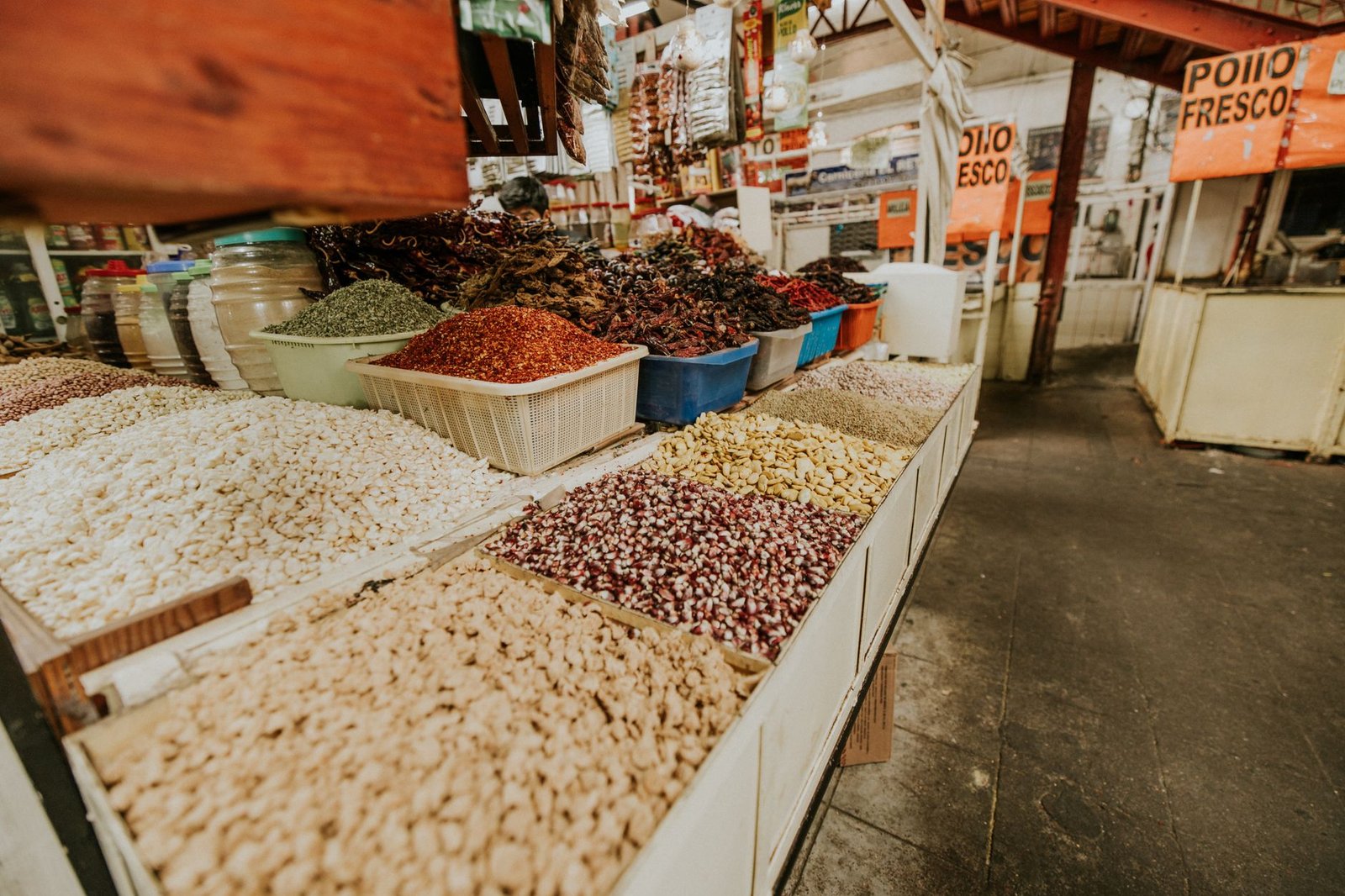
Best Food Markets in Latin America 2026
There is something irreplaceable about walking into a Latin American market at seven in the morning, when the stalls are still being arranged, the coffee is scalding hot, and a señora is already ladling something extraordinary into a clay bowl just for you. Food markets across Latin America are not tourist attractions dressed up as cultural experiences — they are the real engine of daily life, and in 2026 they remain the single best place to understand a city through its food. Whether you are a seasoned traveler who has eaten your way through a dozen countries or a first-timer nervously clutching a phrasebook, these markets will feed you better, cheaper, and more memorably than almost any restaurant in town. This guide covers the best food markets in Latin America right now, with honest advice on what to eat, what to pay, and how to make the most of every visit.
Mercado San Camilo, Arequipa, Peru
If you visit only one market in all of South America, make a strong argument for Mercado San Camilo in Arequipa. Tucked into the historic center of Peru’s second city, this sprawling covered market has been feeding locals since 1879 and shows absolutely no signs of slowing down. The moment you pass through the entrance on Calle San Camilo, you are surrounded by pyramids of fresh rocoto peppers, mountains of choclo corn, and more varieties of potato than most people knew existed.
The food court section, known locally as the picanterías area, is where you want to plant yourself for breakfast or lunch. Order a bowl of ocopa, a cold potato dish drenched in a creamy huacatay and peanut sauce, or go straight for the adobo arequipeño, a slow-cooked pork stew served with fresh bread that is essentially the city on a plate. A full market lunch with a fresh juice will run you somewhere between 12 and 20 Peruvian soles, which in 2026 is roughly three to five US dollars. Ceviche stalls in the market serve a leaner, spicier version than Lima‘s coastal style — ask for the leche de tigre on the side and drink it like a local.
Several food tour operators, including options bookable through GetYourGuide, run dedicated San Camilo market tours that pair guided tastings with a cooking demonstration in a nearby kitchen. These are genuinely worth the 35 to 50 USD price, especially for first-time visitors who want context alongside their chicha morada.
Mercado Central, Santiago, Chile
Santiago’s Mercado Central is one of those places that travel writers have been enthusiastically recommending for decades, which means you may arrive expecting a tourist trap and find instead something genuinely magnificent. Yes, the restaurants along the central rotunda have English menus and waiters who will wave you in from twenty feet away. Walk past them. The real action is along the outer perimeter stalls and the smaller comedores tucked against the walls.
The market was built in 1872 with cast-iron sections imported from Birmingham, England, and the soaring Victorian architecture alone is worth the walk from the Metro Baquedano stop. But you are here to eat, and the fish is extraordinary. Chile’s long Pacific coastline means that whatever landed at dawn is on your plate by noon. Look for caldillo de congrio, a rich conger eel soup that Pablo Neruda once called the most majestic of soups in a famous ode. A generous bowl at a perimeter stall costs around 5,000 to 7,000 Chilean pesos, which is approximately five to seven USD.
Empanada lovers should know that the empanadas de mariscos here — stuffed with shrimp, crab, and cheese — are outstanding. The dough is thicker than Argentine empanadas, slightly buttery, and baked rather than fried. Grab two and a glass of Carménère from the small wine vendors near the south entrance. Viator listings for Santiago food market tours frequently include Mercado Central as a stop alongside La Vega and Barrio Italia, making them an efficient way to cover a lot of ground in half a day.
Mercado 20 de Noviembre, Oaxaca, Mexico
Oaxaca is one of the great food cities on earth, and Mercado 20 de Noviembre is its most important kitchen. Located just off the zócalo on Calle Miguel Cabrera, this indoor market is specifically dedicated to prepared food, which makes it different from its neighbor Mercado Benito Juárez. Every stall here is cooking, and the smoke from the tlayuda griddles creates a haze that smells like the best thing you have ever encountered.
The thing to do is walk the full length of the market before committing to a seat. Vendors will call to you warmly from every direction. Look for the stalls with the longest lines of locals — a reliable signal everywhere in Latin America. The signature move is ordering a tlayuda, a large blistered tortilla spread with black bean paste, asiento (unrefined pork fat), Oaxacan string cheese, and your choice of protein. Tasajo, a thinly sliced dried beef grilled over charcoal, is the classic choice and costs around 80 to 120 Mexican pesos in 2026.
Tamales in Oaxaca are wrapped in banana leaves rather than corn husks, which gives them a slightly silkier, more aromatic quality. Ask for a tamal negro, filled with mole negro and chicken — it is one of the definitive bites of Mexican cuisine and costs about 25 to 35 pesos from any of the tamale vendors near the market entrance. Mezcal tastings happen informally at several stalls; a small pour of something excellent costs almost nothing and represents a fine way to start an afternoon.
Feira de São Cristóvão, Rio de Janeiro, Brazil
The Centro Luiz Gonzaga de Tradições Nordestinas, universally known as the Feira de São Cristóvão, is unlike any other market in this guide because it is not just a food market — it is a living cultural institution dedicated to preserving the food, music, and crafts of Brazil’s northeastern region. Located in the São Cristóvão neighborhood and open Thursday through Sunday, the fair draws the nordestino community of Rio alongside increasingly curious visitors who have heard about the food and made the trip across town.
The flavors here are different from what you find in standard Rio restaurants. Northeastern Brazilian cuisine is drier, spicier, and more influenced by indigenous and African traditions than the cuisine of the south. Look for carne de sol, sun-dried salted beef served with creamy coalho cheese and tapioca; baião de dois, a deeply savory combination of rice and beans cooked together with dried meat; and caldo de mocotó, a collagen-rich bone broth stew that locals swear is the best hangover cure in the country. Budget around 25 to 40 Brazilian reais for a substantial plate with a drink.
The fair is busiest on weekends when live forró music fills the central pavilion from midday onward. It is an extraordinary atmosphere, and several tour operators now include it as part of Rio cultural itineraries bookable through GetYourGuide. If you are visiting independently, take the Metro to São Cristóvão station and budget at least three hours.
Bargaining Norms and Market Etiquette Across Latin America
A common question from first-time market visitors is whether bargaining is expected or appropriate. The honest answer varies significantly by market type and country. At produce and dry goods stalls throughout Peru, Mexico, and Bolivia, gentle price negotiation is entirely normal, particularly if you are buying in quantity. At prepared food stalls and comedores, however, the price listed or quoted is the price — attempting to bargain for your bowl of soup would be considered odd and slightly rude.
- Always greet vendors with a buenos días or bom dia before asking prices — it signals respect and almost always results in warmer service.
- Carry small bills and coins whenever possible. Market vendors rarely have change for large notes and will thank you for making the transaction easy.
- At produce stalls, buying a full kilo rather than a smaller quantity often comes with a natural discount without asking.
- In Brazilian markets, the word for bargaining is pechinchar — using it with a smile acknowledges the local custom appropriately.
- Never photograph a vendor or their stall without asking first. A friendly request is almost always granted and leads to a much better interaction.
Safety Tips for Market Visits in 2026
Latin American food markets are overwhelmingly safe places during operating hours, and the vast majority of visitors have nothing but wonderful experiences. That said, a few practical habits will make your visit smoother everywhere.
- Wear a crossbody bag that closes securely, and keep your phone in a front pocket rather than displayed on a lanyard or in an open bag.
- Visit during peak morning hours when markets are busiest and most vibrant — between 8am and 1pm is typically ideal at most markets in this guide.
- Drink bottled or filtered water at all markets unless you have a well-established tolerance for local tap water. Fresh juices made with peeled fruit are generally fine.
- Trust your stomach instincts at cooked food stalls — look for high turnover, visible cooking, and stalls where locals are actively eating.
- At Feira de São Cristóvão specifically, avoid the streets immediately surrounding the fairgrounds after dark, when the area is quieter and less well-lit.
- Joining a guided food tour through reputable operators removes nearly all navigation uncertainty and adds cultural context that enriches every bite.
Latin America’s food markets in 2026 are as essential, vivid, and delicious as they have ever been, and visiting them remains one of the most rewarding things a traveler can do on this continent. From the smoky tlayuda griddles of Oaxaca to the forró rhythms drifting over a plate of carne de sol in Rio, these markets offer an honesty and a generosity that no curated dining experience can replicate. Start early, eat slowly, talk to the people cooking your food, and let the market set the pace. If you are ready to plan your Latin American food market adventure, browse our curated food tour listings on FoodTourTrails.com — we have partnered with top-rated local guides in every city featured here to help you eat like you actually live there.
Book a Food Experience in Top Destinations
Handpicked experiences — book with free cancellation and instant confirmation.
Explore More Food Tours
Guides for the cities in this article:
- Rio de Janeiro Food Tour Guide (Brazil)
- Lima Food Tour Guide (Peru)
- Birmingham Food Tour Guide (UK)
- Buenos Aires Food Tour Guide (Argentina)
- Mexico City Food Tour Guide (Mexico)
- Oaxaca Food Tour Guide (Mexico)
Frequently Asked Questions
Which Latin American food market is best for first-time visitors who want to try a wide variety of local dishes in one place?
Mercado Central in Santiago, Chile is ideal for first-timers, offering everything from fresh ceviche to empanadas and traditional cazuela under one roof. The market is well-organized, English-friendly vendors are common, and prices are clearly displayed, making it easy to navigate without feeling overwhelmed. Arrive before noon on weekdays to avoid the lunch rush and get the freshest seafood selections.
Are Latin American food markets safe for solo travelers, especially women traveling alone?
Most major food markets like Mercado de San Telmo in Buenos Aires and Mercado 28 in Cancún are very safe during daytime hours and attract a healthy mix of locals and tourists. It's advisable to visit between 9am and 4pm, keep bags zipped and close to your body, and avoid flashing expensive cameras or phones unnecessarily. Researching the specific neighborhood surrounding each market beforehand adds an extra layer of confidence to your visit.
What is the average budget I should set aside for eating at a top Latin American food market for one full day?
A realistic daily food budget at markets like Mercado de Surquillo in Lima or Mercado Jamaica in Mexico City is between $15 and $30 USD, which comfortably covers breakfast, lunch, multiple tastings, and fresh juices. Street-style stalls inside markets tend to be the most affordable, while sit-down counters or specialty vendors can cost slightly more. Carrying small bills in local currency is strongly recommended, as many vendors do not accept cards or struggle to make change for large notes.
Which Latin American food market is best known for exotic or unusual ingredients that I can't find anywhere else?
Mercado de las Brujas in La Paz, Bolivia stands out for its extraordinary range of Andean ingredients, including dried llama fetuses, coca leaves, and rare native tubers used in traditional cooking and rituals. For purely edible exotica, the Ver-o-Peso market in Belém, Brazil offers Amazonian fruits like cupuaçu, bacuri, and açaí in forms you won't find outside the region. These markets are as much a cultural and anthropological experience as a culinary one.
Do Latin American food markets operate year-round, or are there better times of year to visit?
The vast majority of prominent markets like Mercado Central de San José in Costa Rica or Mercado del Puerto in Montevideo operate year-round, typically six to seven days a week. However, the best experience is generally during local harvest seasons when produce is at peak freshness and variety — for much of the region this falls between November and March. Visiting during local festivals or holidays can offer special foods but also much larger crowds, so planning accordingly helps balance authenticity with comfort.