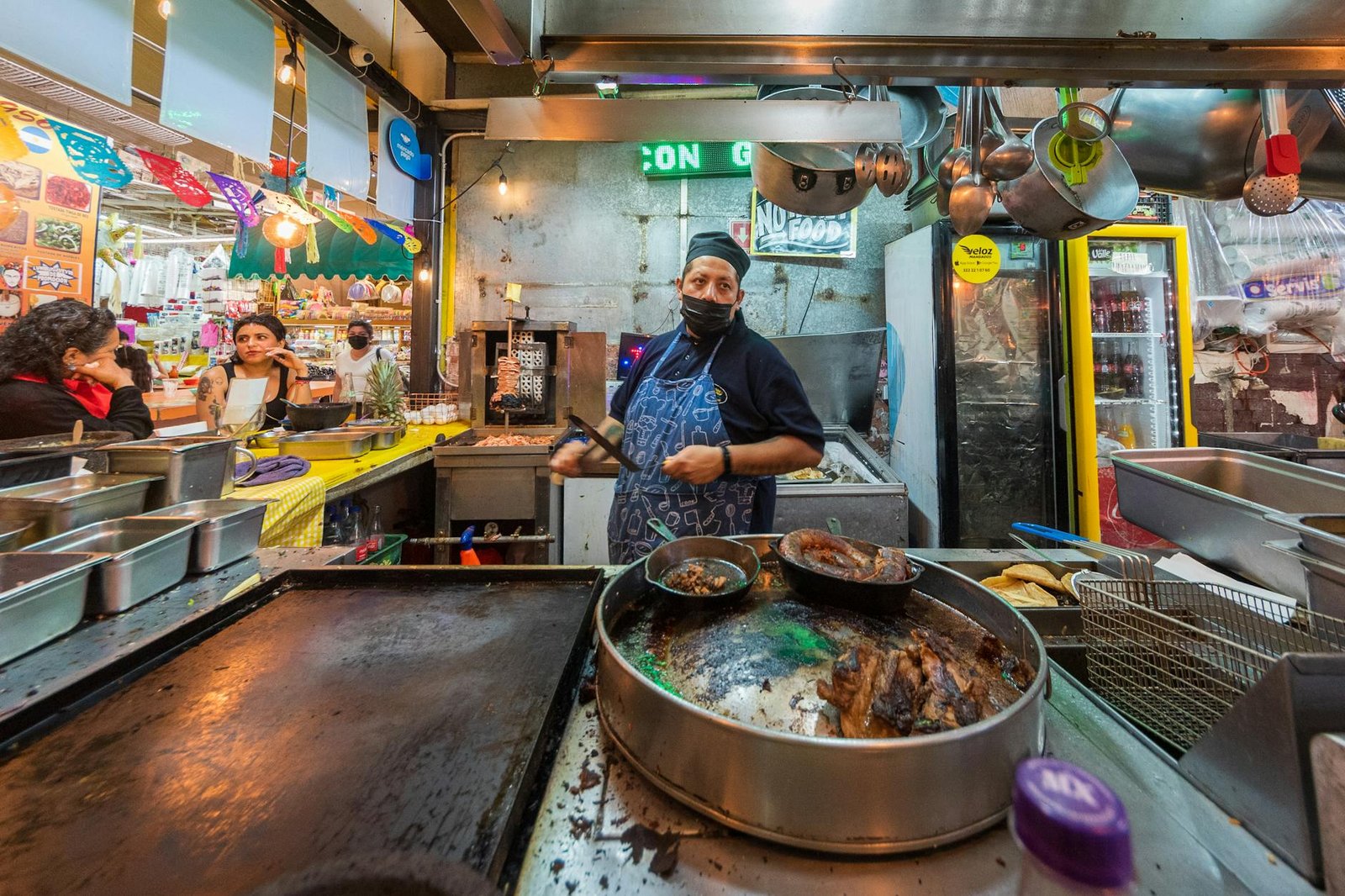
Mexico City Food Tour – Best Local Food & Restaurants
Mexico City Food Guide: A Culinary Journey Through the Heart of Mexico
Mexico City — Ciudad de México, CDMX, whatever you want to call it — is one of the greatest food cities on earth. Full stop. With over 21 million people packed into this sprawling megalopolis and a culinary heritage going back thousands of years, the depth of what you can eat here is genuinely hard to wrap your head around until you’re standing at a street stall at midnight with grease on your chin wondering how a $1 taco just changed your life. Ancient Aztec ingredients sold in noisy markets, boundary-pushing restaurants on international best-of lists, everything in between — Mexico City will fundamentally rewire how you think about food.
The History of Mexico City’s Food Culture
You’re eating in one of the oldest continuously inhabited cities in the Western Hemisphere. That matters. The city started as Tenochtitlán in 1325, built by the Mexica people on an island in Lake Texcoco. At its peak it was among the largest cities in the world, and the famous market at Tlatelolco reportedly left Hernán Cortés speechless when he saw it in 1519. The man had seen a lot. But hundreds of varieties of chili peppers, chocolate, vanilla, live exotic birds, and edible insects all trading hands in one place — yeah, that’ll do it.
When the Spanish took Tenochtitlán in 1521 and renamed it the capital of New Spain, something profound and complicated happened in the kitchens. Indigenous Mesoamerican staples — corn, tomatoes, chili peppers, cacao, squash, beans — collided with Spanish imports like pork, beef, dairy, wheat, and Old World spices. This wasn’t a clean or cheerful fusion. It was a centuries-long negotiation shaped by mestizo cooks, African slaves, and generations of nuns in convent kitchens who spent decades grinding and toasting and adjusting elaborate sauces like mole into the masterworks they are today.

The 19th and early 20th centuries piled on more layers. French influence during Emperor Maximilian I’s reign gave Mexico its pan dulce obsession — those beautiful, sugar-dusted pastries you see stacked in bakery windows across the city. Lebanese immigrants brought tacos árabes, the direct ancestor of tacos al pastor, introducing vertical spit-roasting that locals then rebuilt entirely with Mexican ingredients and instincts. Chinese immigrants settled whole neighborhoods. Each wave left something behind. Today a Mexico City food tour is really an accidental history lesson — the same story, told through what’s on your plate, whether that plate costs one dollar at a street stall or costs considerably more at a white-tablecloth restaurant in Polanco.
And about those restaurants: Mexico City has become a serious global fine dining destination over the past two decades. Pujol and Quintonil both hold two Michelin stars in Mexico’s first Michelin Guide, and Quintonil ranked No. 3 on the World’s 50 Best Restaurants list in 2025. Both are doing deeply researched, technically rigorous work with Mexican ingredients that genuinely deserves the attention. But here’s what I love about this city — nobody thinks the taquero who’s been working the same corner in Colonia Narvarte for 30 years is somehow less serious than the chef at a celebrated fine dining room. Locals respect both equally. That attitude is rare, and it keeps the food honest at every level.
Must-Try Foods in Mexico City
1. Tacos al Pastor
This is the one. If Mexico City street food had a face, it would be a taco al pastor. Thin slices of pork — marinated in dried chiles, achiote paste, vinegar, and spices — get stacked onto a vertical rotisserie called a trompo, usually with a whole pineapple balanced on top like a crown. The meat slowly crisps against the heat, and when you order, the taquero shaves it directly onto a warm corn tortilla in one practiced, almost theatrical motion. White onion, cilantro, a thin slice of caramelized pineapple, salsa of your choice. Done. El Huequito in the Centro Histórico has been doing this since 1959 and the quality hasn’t slipped. El Vilsito in Narvarte is a functioning gas station by day and a legendary late-night taquería by night — the line at 1am tells you everything you need to know. Eat at least three tacos al pastor before you leave. Honestly, eat more than that.
2. Tamales
Tamales are morning food, celebration food, and hangover food simultaneously. Corn dough made from nixtamalized masa gets filled — red chile pork, green chile chicken, rajas con queso (poblano strips with cheese), or sweet versions with strawberry or raisin — then wrapped in corn husks or banana leaves and steamed until the masa turns tender and slightly spongy. Mexico City pairs them with atole, a warm, thick masa-based drink that comes flavored with chocolate, vanilla, or fruit. The specific combination you want is a tamal con champurrado — a tamale with thick chocolate atole — eaten standing up at a street cart while the city rattles awake around you at 7am. Vendors set up early and sell out fast, so don’t sleep on it. Literally.
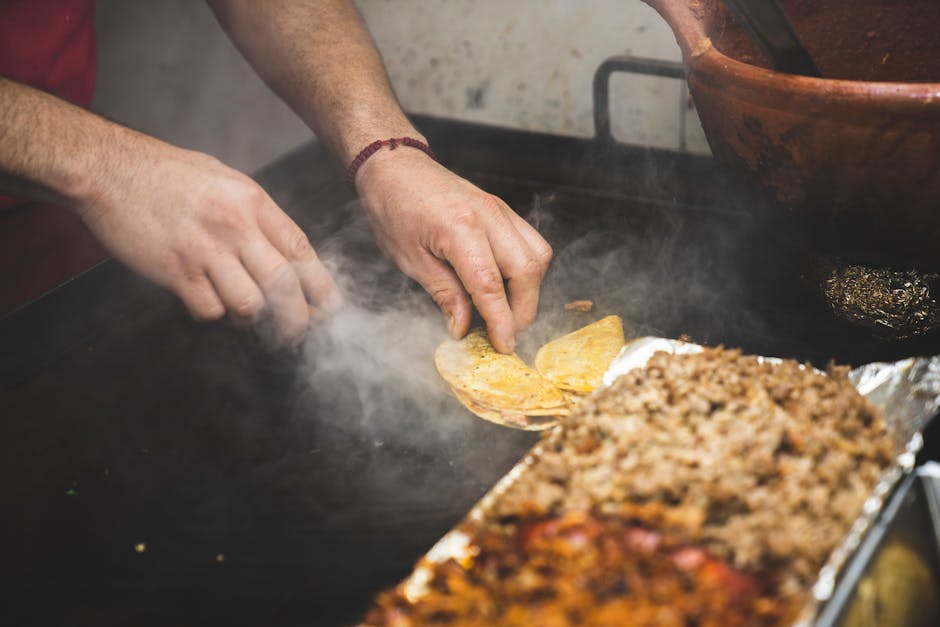
3. Tlayudas and the Broader World of Antojitos
Because Mexico City pulls in migrants from every state in the country, it’s also the best single place to eat regional Mexican food without buying 31 plane tickets. The category called antojitos — “little cravings” — covers the vast universe of corn-based snacks and small plates that constitute everyday eating here. Tlayudas from Oaxaca are worth seeking out specifically: large, crispy-yet-pliable corn tortillas smeared with black bean paste and lard, then loaded with quesillo (Oaxacan string cheese), tasajo (dried beef), and fresh vegetables. Beyond those, eat sopes — thick fried corn discs topped with beans, meat, and salsa. Eat huaraches, which are elongated sandal-shaped masa cakes piled high with toppings. Eat memelas. Mercado de Medellín in Colonia Roma and Mercado de Jamaica are both good places to work through a lot of these in one go without committing to a single restaurant.
4. Mole
Mole is the most philosophically complex sauce in Mexican cuisine, and a great one stops you mid-bite. The word comes from the Nahuatl molli, meaning sauce, and the category covers dozens of regional variations. In Mexico City you’ll most commonly find mole negro — that near-black sauce built from multiple dried chile varieties, chocolate, tomatoes, roasted nuts, seeds, charred tortillas or day-old bread, and a spice list that can run past 30 ingredients. It takes days to make properly. Served over turkey or chicken with rice and tortillas, it hits smoky, sweet, bitter, spicy, and deeply savory all at once. Nothing else in world cuisine quite does that. Expendio de Maíz Sin Nombre in Colonia Doctores does a serious version. Alternatively, find a neighborhood fonda serving Sunday mole — that’s usually where the real stuff lives, made by someone who learned from their grandmother and hasn’t changed the recipe since.
5. Chilaquiles
Chilaquiles are the undisputed Mexico City breakfast. Day-old corn tortillas get cut into triangles, fried or baked crispy, then briefly dunked in red sauce (rojos, made from tomatoes and dried chiles) or green sauce (verdes, made from tomatillos and fresh chiles). The chips absorb just enough sauce to soften at the edges while keeping some crunch — the ratio matters enormously and bad chilaquiles are soggy, which is a crime. Finished with crema, crumbled queso fresco, sliced onion, and cilantro, usually with a fried egg on top and optional shredded chicken or avocado. The debate
Book a Food Tour in Mexico City
Join a small-group food tour and taste the best of Mexico City with a local guide. Skip the tourist traps — discover the hidden spots only locals know.



Book a Food Experience in Mexico City
Handpicked experiences — book with free cancellation and instant confirmation.
Explore More Food Tours
More food guides from Mexico:
You might also enjoy:
- Los Angeles Food Tour Guide (USA)
- Miami Food Tour Guide (USA)
Featured in:
Frequently Asked Questions
How much does a food tour in Mexico City cost?
Food tours in Mexico City typically range from €25 to €80 per person for a guided group tour. Private tours and premium culinary experiences can cost more, while self-guided food walks are often free or low-cost.
How long do food tours in Mexico City last?
Most guided food tours in Mexico City last between 2 and 4 hours and include multiple tasting stops. Walking food tours tend to run around 3 hours, while sit-down dining experiences may last longer.
What local dishes should I try on a Mexico City food tour?
A food tour in Mexico City is the best way to discover authentic local specialties. Your guide will take you to street food markets, traditional restaurants, and neighbourhood gems that locals love — dishes you would never find on your own.
What is the best area for street food in Mexico City?
The best areas for street food and local cuisine in Mexico City are usually found in the old town, central food markets, and traditional neighbourhoods away from the main tourist hotspots. A local food guide will show you exactly where to go.
Are food tours in Mexico City suitable for people with dietary restrictions?
Most food tour operators in Mexico City can accommodate vegetarian, vegan, halal, and gluten-free diets with advance notice. Always inform your guide of any dietary requirements when booking so they can plan the best route for you.