Da Nang Food Tour Guide 2026: Mi Quang, Banh Xeo & Beach City Eats
What a Da Nang Food Tour Is Actually Like
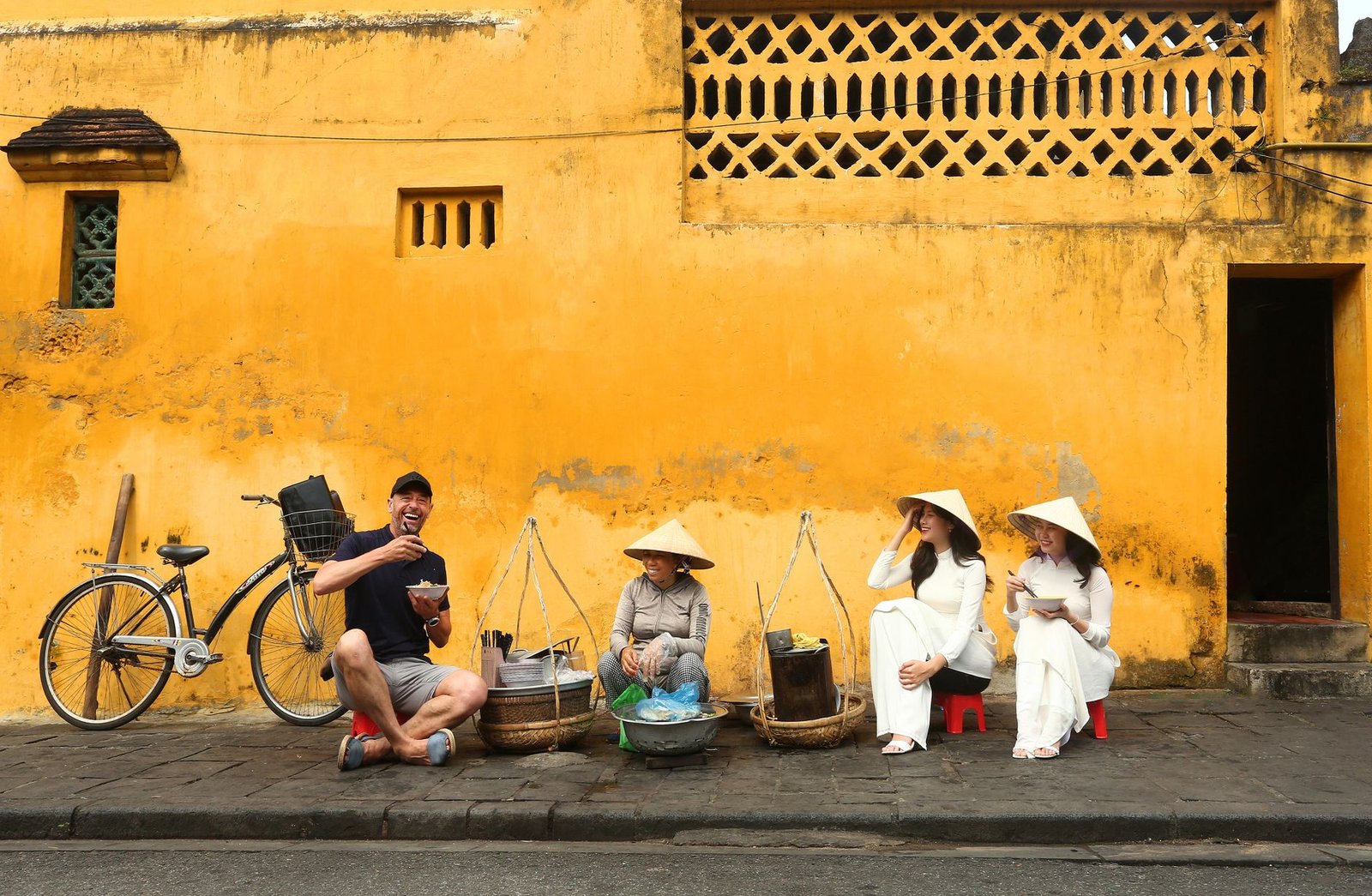
A Da Nang food tour is not a polished, air-conditioned experience where someone hands you bite-sized samples on toothpicks. You’re sitting on a plastic stool at 7am eating a bowl of mi quang that costs 30,000 VND (about $1.20), surrounded by locals who have been eating here for twenty years. That’s the point. Da Nang’s food scene sits squarely between Hoi An‘s tourist-polished restaurants and Hue’s intensely complex royal cuisine — it’s approachable, filling, and genuinely good. Do a food tour in Bangkok or Hanoi and you’re navigating massive cities with hours of travel between stops. Da Nang is compact. A good walking tour can cover six or seven spots in three to four hours without anyone dying of heat exhaustion. Con Market, and the backstreets around Bach Dang are where real eating happens. The beachfront restaurants look pretty. The food is mostly mediocre.
Who It’s For (and Who Should Skip It)
Most food tours here are genuinely accessible. You’ll walk between two and four kilometers total, mostly on flat ground, and stops are frequent enough that it never feels like a march. Age 10 and up is realistic — kids tend to love banh xeo (Vietnamese sizzling crepes) and the novelty of eating on tiny stools. Older travelers do fine.
Skip it if you have serious food allergies, particularly to shellfish, peanuts, or gluten. Vietnamese cooking layers these ingredients in ways that are hard to trace, and local kitchens are not set up to accommodate substitutions. People with a strong aversion to noise, smells, or close quarters inside busy markets will also have a rough time — this isn’t a sanitized experience. If you want a sit-down meal with English menus and air conditioning, just go to a restaurant. No shame in that. But don’t book a street food tour and then complain it’s chaotic.
What It Costs
Self-guided eating is spectacularly cheap. A full breakfast of mi quang and a Vietnamese iced coffee runs 60,000–80,000 VND. Banh xeo for two people with all the herbs and dipping sauce lands around 120,000 VND. You can eat extremely well for 300,000–400,000 VND ($12–16 USD) per day if you know where to go.
Guided food tours range from budget group options at around $25–35 USD per person to private tours with a knowledgeable local guide running $55–80 USD. The pricier ones typically include six to eight food stops, drinks at each, and transport between distant spots by motorbike or van. Budget tours often cut corners on the number of tastings or rush through stops. Tours booked through GetYourGuide or Viator usually land in the $30–50 range and have verified reviews worth reading carefully. Tips for guides are not included and expected — 50,000–100,000 VND is appropriate.
What’s Included and What to Bring
Typically Included
- Six to eight food tastings at market stalls and local restaurants
- Non-alcoholic drinks (Vietnamese coffee, fresh coconut, sugarcane juice)
- English-speaking guide with actual food knowledge, not just a script
- Transport between stops on longer tours
- Small group size — usually capped at eight to twelve people
What to Bring
- Cash in Vietnamese dong — almost nowhere takes cards
- A small bottle of hand sanitizer (the thing everyone forgets)
- Light, breathable clothing — humidity is real, especially May through August
- A reusable bag if you want to buy anything at the market
- An empty stomach — do not eat a hotel breakfast first
The hand sanitizer matters more than you’d think. Street food stalls don’t always have obvious washing facilities, and you’ll be handling herbs and wrapping food in lettuce leaves with your hands.
Choosing an Operator
The difference between a good food tour operator and a cheap one comes down to the guide’s actual knowledge and where they take you. A good guide grew up eating this food. They know which stall has made the best banh mi at Con Market for fifteen years and which one opened last month to catch tourist traffic. Ask directly: does the guide speak Vietnamese fluently? Are the food stops places locals actually eat, or are they spots that pay a referral fee?
Group size matters. Once you’re above twelve people, the experience degrades — you’re waiting outside while half the group is still inside, the guide is managing crowd control instead of explaining food, and stall owners get overwhelmed. Smaller is better. Six to eight is ideal.
Check whether the operator has a fixed menu or adapts based on what’s good that day. Markets change with seasons. A guide reading from a laminated card is a bad sign. Look for operators with recent reviews from 2025 or 2026 specifically — Da Nang’s food scene shifts, and stalls come and go. Tours listed on Viator with a high volume of recent reviews are a reasonable safety net, but read the one-star reviews too.
Best Time of Day and Year
Go early. The best food tours start at 7am or 7:30am when markets are at full activity, the food is freshest, and the temperature is still survivable. By 10am it’s hot, crowds thin out at the good stalls, and the magic fades. Evening tours (around 5:30–6:30pm) are the second-best option — street food culture picks up again after dark and the heat drops enough to make walking pleasant.
February through May is the best weather window — dry, relatively cool, manageable humidity. June through August is peak heat and occasional heavy rain, though tours still run. September and October bring typhoon season with real disruptions. December and January can be surprisingly rainy and cool — not unpleasant for eating, but pack a layer.
Safety and Honest Warnings
Food safety is the main genuine risk here, and it’s worth being honest about. Street food in Da Nang is generally fine — stalls with high turnover and fresh ingredients are actually lower risk than slow hotel buffets that sit out for hours. But ice in drinks at very cheap stalls can be an issue, raw herbs washed in tap water occasionally cause problems, and shellfish at beachfront stalls that look a bit past their prime absolutely will make you sick. Your guide should know which stalls to avoid. If they take you somewhere that smells off or has no customers, it’s fine to skip that stop.
Traffic crossing streets around the market areas is genuinely chaotic. Don’t assume motorbikes will stop. Walk assertively and steadily. People with serious heart conditions or severe asthma may struggle with market air quality and heat combined.
Is It Worth Booking?
Yes — with one condition. If you’re already a confident solo traveler who speaks a few words of Vietnamese and knows how to navigate a local market, you can eat just as well on your own for a fraction of the cost. The real value of a guided tour is access to context: knowing what you’re eating, why it’s specific to Da Nang rather than the rest of Vietnam, and getting past the obvious tourist spots to places you’d walk past without a second glance. For first-timers or anyone who wants to understand the food rather than just eat it, the $35–50 investment is genuinely worth it.



Book a Food Experience in Da Nang
Handpicked experiences — book with free cancellation and instant confirmation.
Explore More Food Tours
More food guides from Vietnam:
- Da Lat Food Tour Guide
- Ha Long Bay Food Tour Guide
- Hanoi Food Tour Guide
- Ho Chi Minh City Food Tour – Best Local Food & Restaurants
You might also enjoy:
- Chengdu Food Tour Guide (China)
- Chiang Mai Food Tour Guide (Thailand)
Featured in:
Frequently Asked Questions
What is the best time of day to eat Mi Quang in Da Nang?
Mi Quang is traditionally a breakfast and lunch dish in Da Nang, with most locals eating it before noon. The best bowls are found between 7am and 11am when broth is freshest and toppings like peanuts, sesame rice crackers, and fresh herbs are fully stocked. Head to Mì Quảng Bà Mua on Hoàng Diệu Street early to avoid selling out.
How much should I expect to pay for street food like Banh Xeo in Da Nang?
A crispy Banh Xeo (Vietnamese sizzling pancake) at a local street stall or market typically costs between 30,000 and 60,000 VND (roughly $1.20–$2.50 USD) in 2026. Tourist-facing restaurants near My Khe Beach may charge up to 80,000–120,000 VND for larger portions with extra fillings. Always check the menu price before ordering to avoid inflated tourist pricing.
Is it safe to eat seafood from the beach restaurants along My Khe?
Yes, seafood along My Khe Beach is generally safe and very fresh, as most restaurants source directly from local fishermen each morning. Stick to restaurants with visible tanks of live seafood and high customer turnover, which indicates fresh stock. Avoid pre-cooked seafood displayed uncovered in the heat, and always confirm prices per kilogram before ordering to prevent bill surprises.
Are there vegetarian or vegan-friendly food options on a Da Nang food tour?
Da Nang has a growing number of vegetarian options, especially around the 1st and 15th of each lunar month when many locals follow a plant-based diet for religious reasons. Quan Chay (vegetarian) restaurants near Han Market and around the Dragon Bridge serve meat-free versions of local dishes including Mi Quang and Bun Bo. Apps like HappyCow list over 20 vegan-friendly spots in Da Nang as of 2026.
Which Da Nang market is best for sampling the widest variety of local food in one visit?
Con Market (Chợ Cồn) is widely considered the best single destination for sampling Da Nang street food, offering everything from Banh Mi Hoa Ma and Banh Trang Cuon to fresh fruit and local desserts under one roof. The food stalls are concentrated on the ground floor and are most active between 6am and 1pm. It is more authentic and less crowded than Han Market, making it the top recommendation for serious food travelers.