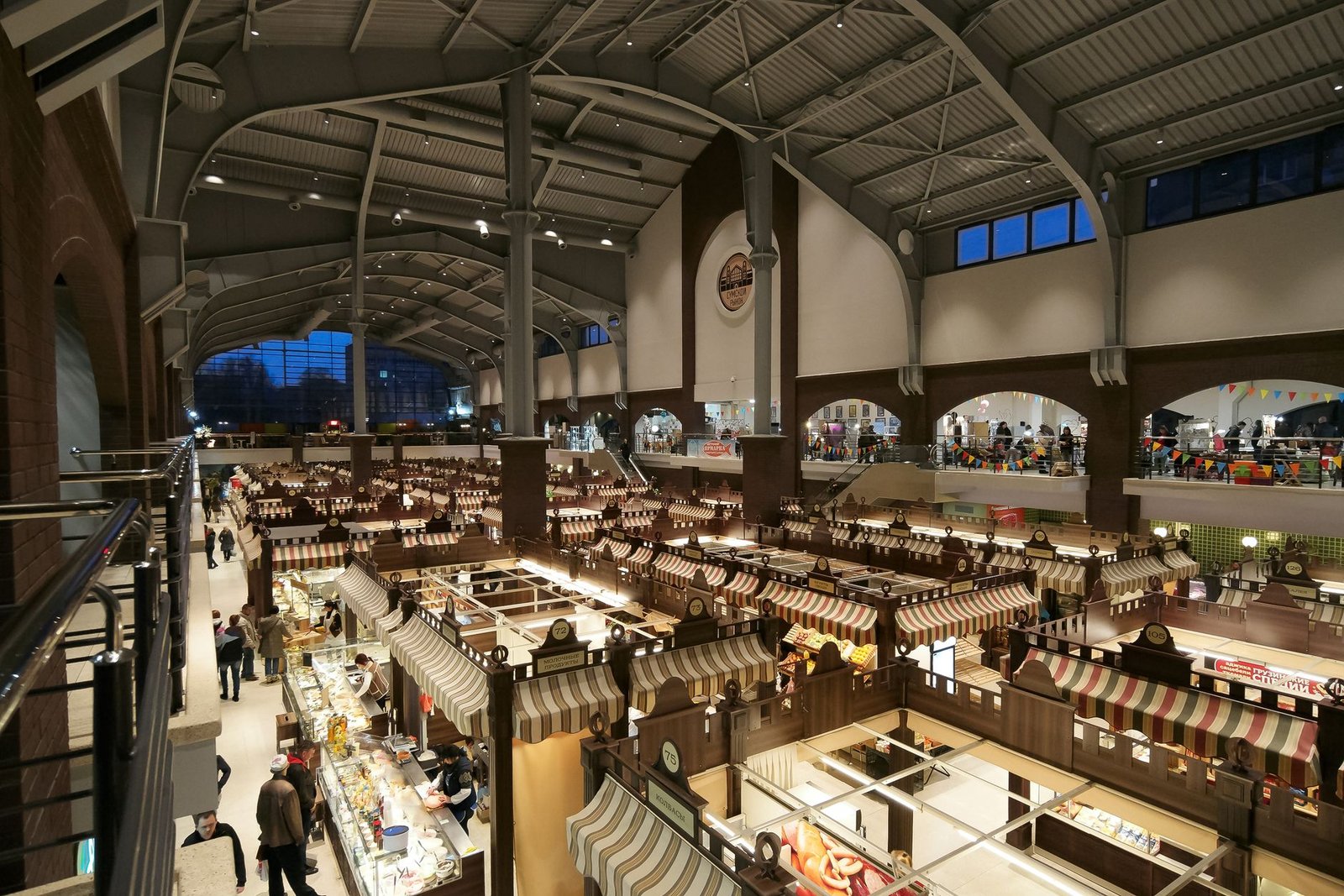
Best Food Halls in Europe: Gourmet Dining Under One Roof
“`html
There’s a moment every traveler knows well: you’re hungry, it’s raining sideways, the cobblestones are slippery, and the charming outdoor market you had bookmarked has turned into a soggy disappointment. This is exactly when Europe’s great food halls earn their reputation. Unlike fleeting street stalls or tourist-trap restaurants near the main square, a well-designed food hall brings together vetted vendors, covered seating, and genuinely excellent food under a single spectacular roof. These aren’t flea markets with a few cheese samples. They’re curated culinary destinations where you might find a celebrated chef selling a €12 bowl of soup next to a third-generation baker who has been perfecting his sourdough for decades. Whether you have two hours or a full afternoon, Europe’s best food halls offer one of the most satisfying ways to eat your way through a city.
What Makes a Food Hall Different from a Street Market
Before diving into the best examples across Europe, it’s worth understanding why food halls deserve their own category. The distinction matters, especially when you’re planning a trip around food experiences.
A traditional street market is wonderful in its own right, but it comes with variables: weather dependency, inconsistent vendor quality, and often nowhere comfortable to sit down. A food hall eliminates most of those friction points. Vendors are typically selected through an application process, meaning the hall’s reputation depends on maintaining quality across every stall. You’ll almost always find proper seating, whether at communal tables, counters, or small bistro setups. The price point tends to be higher than a street snack but lower than a sit-down restaurant, landing in a sweet spot that delivers real value.
Think of it as the difference between browsing a flea market and shopping a curated boutique. Both have their charm, but when you want reliability and comfort alongside great food, the food hall wins every time. They’re also genuinely excellent rainy-day options, which in cities like Lisbon and Copenhagen is practically a survival skill.
Mercado de San Miguel, Madrid
Standing just steps from the Plaza Mayor, Mercado de San Miguel is one of the most photographed food halls in Europe, and for good reason. The building itself is a 1916 cast-iron structure wrapped in glass walls that flood the interior with light, giving the whole space a greenhouse-like warmth even on a grey Madrid afternoon.
Yes, it’s touristy. Yes, the prices reflect its prime location. But dismissing San Miguel as a tourist trap would mean missing some genuinely excellent food. The tapas stalls are the highlight, offering everything from fresh oysters and jamón ibérico carved to order, to gildas (the classic anchovy, olive, and pickled pepper skewer), traditional tortilla española, and an impressive selection of Spanish wines available by the glass from around €3 to €6.
The best strategy here is to graze rather than commit to one stall. Grab a glass of Albariño, pick up a small plate of jamón, wander toward the seafood counter for a few gambas, and let the meal build naturally. Visit on a weekday morning if possible, as weekend afternoons get genuinely packed. A guided food tour through the market, available on platforms like GetYourGuide, often includes insider context about the producers behind each stall and can help you navigate the options more confidently.
Time Out Market Lisbon
If there is one food hall that changed how the world thinks about the concept, it’s Time Out Market Lisbon. Opened in 2014 inside the historic Mercado da Ribeira building near Cais do Sodré, it brought together more than 25 vendors under one vaulted roof, with a crucial twist: several of the stalls are run by Michelin-starred chefs offering accessible versions of their restaurant menus.
Chef Henrique Sá Pessoa, of Alma restaurant fame, has a stall here. So does José Avillez, arguably Portugal’s most celebrated chef, whose stall serves petiscos (Portuguese small plates) that would feel at home on any fine-dining menu. The result is that you can eat exceptionally well for €15 to €25 per person, which would barely cover a starter at the chefs’ flagship restaurants.
Beyond the celebrity chef presence, the market does an exceptional job of representing Portuguese cuisine broadly. Look for bacalhau à Brás (salted cod with eggs and potatoes), pastéis de nata from the dedicated pastry counters, and prego sandwiches that will ruin all future sandwiches for you. The communal seating is enormous, which means finding a table is rarely the struggle it can be at smaller halls. Viator offers several Lisbon food tours that incorporate a stop here alongside neighbourhood tastings in Alfama or Bairro Alto.
Torvehallerne, Copenhagen, and Markthalle Neun, Berlin
These two markets serve very different cities and very different moods, but they both represent exactly what a neighbourhood food hall should feel like: rooted in local culture, slightly less polished than their famous counterparts, and all the more rewarding for it.
Torvehallerne, Copenhagen
Opened in 2011 at Israels Plads in the city centre, Torvehallerne is split across two large glass pavilions and is as much a daily grocery destination for locals as it is a food tourism highlight. Nordic specialties take centre stage here. You’ll find exceptional smørrebrød from stalls like Hallernes Smørrebrød, where open-faced rye bread sandwiches are piled with cured herring, pickled vegetables, and fresh dill for around 60 to 90 DKK (roughly €8 to €12) each. Coffee culture is taken seriously, with specialty roasters like The Coffee Collective having outposts inside. The fish counters are extraordinary, and grabbing a small tub of freshly made gravlax to eat at the outdoor tables on a warm day is one of the simple joys of visiting Copenhagen.
Markthalle Neun, Berlin
In Kreuzberg, Markthalle Neun takes a different approach. The 19th-century market hall hosts vendors throughout the week, but the real event is Street Food Thursday, held every Thursday evening from 5pm to 10pm. The vibe is younger and louder than most food halls on this list, with a rotating cast of vendors serving everything from Vietnamese bánh mì to handmade pasta to natural wine by the glass. Prices are very reasonable by European food hall standards, with most dishes landing between €5 and €12. The hall has a genuine community feel, and it’s deeply embedded in the Kreuzberg neighbourhood rather than positioned for tourist traffic. Come hungry, come early, and expect to stand.
Mercato Centrale Florence and Markthal Rotterdam
Two more food halls worth planning your trip around, each with a completely distinct personality.
Mercato Centrale, Florence
Florence’s Mercato Centrale near San Lorenzo operates on two levels that could not feel more different from each other. The ground floor is a traditional covered market, loud and aromatic, full of butchers, fishmongers, and produce vendors selling to locals and restaurants. Climb the stairs to the upper level and you enter a sleek, modern food hall that opened in 2014. Here you’ll find high-quality vendors covering every dimension of Tuscan cuisine: fresh pasta being rolled by hand, lampredotto (the Florentine street food of braised tripe) served in crusty rolls, excellent Florentine steaks available by weight, and a pasta bar where you can watch your pappardelle being dressed in wild boar ragù. Budget around €15 to €25 for a satisfying meal upstairs. GetYourGuide offers market tours that connect the two floors meaningfully, explaining how the ingredients sold below become the dishes served above.
Markthal, Rotterdam
The Markthal in Rotterdam is arguably the most architecturally dramatic food hall in Europe. Completed in 2014, the building is a massive horseshoe-shaped arch with residential apartments built into its walls and a ceiling covered in a 11,000-square-metre artwork depicting giant fruits, vegetables, and insects in vivid colour. Standing inside and looking up feels genuinely otherworldly. Below the spectacle, around 100 fresh produce vendors and specialty food stalls offer Dutch cheeses, fresh stroopwafels made to order, herring prepared the traditional way (held by the tail, dipped in raw onion), and international street food. Rotterdam itself is Europe’s great underrated food city, and the Markthal functions as both its most visible symbol and a genuine daily market for the city’s residents.
Practical Tips for Visiting European Food Halls
- Visit on weekday mornings when crowds are lighter and vendors are freshest. Weekend afternoons at popular halls like San Miguel or Time Out Market can feel overwhelming.
- Eat strategically. Most food halls reward a grazing approach over committing to a full meal at one stall. Start with something small, walk the full hall before ordering anything substantial, then return to the vendors that caught your attention.
- Many food halls are cashless or strongly prefer card payment, but it’s worth carrying a small amount of cash for older or smaller vendors.
- Guided food tours available through Viator and GetYourGuide often include food hall stops alongside neighbourhood context that makes the experience significantly richer. Many tours include tastings in the price, which can offset the cost considerably.
- Arrive hungry but not ravenous. The best food hall visits are unhurried, and the temptation to load up on the first thing you see is real when your blood sugar is low.
- Check opening hours carefully. Markthalle Neun’s Street Food Thursday is weekly but not daily. Torvehallerne closes relatively early on Sundays. Mercato Centrale’s upstairs hall has different hours than the ground floor market.
Europe’s food halls represent some of the most enjoyable eating experiences the continent has to offer, combining architecture, culture, culinary craft, and convenience in a way that few other venues can match. Whether you’re sheltering from Lisbon rain in the Time Out Market with a glass of Vinho Verde in hand, or watching Rotterdam’s extraordinary ceiling art while a vendor hands you a fresh stroopwafel, these spaces deliver something a restaurant alone rarely can: a sense of a city’s full culinary identity in a single afternoon. If you’re planning a food-focused trip to any of these cities, add the local food hall to your itinerary early and let it guide the rest of your eating. Browse our destination guides at FoodTourTrails.com to find curated food tours, market recommendations, and neighbourhood eating guides for every major European city.
“`
Book a Food Experience in Top Destinations
Handpicked experiences — book with free cancellation and instant confirmation.
Explore More Food Tours
Guides for the cities in this article:
- Lisbon Food Tour Guide (Portugal)
- Florence Food Tour Guide (Italy)
- Rotterdam Food Tour Guide (Netherlands)
- Berlin Food Tour Guide (Germany)
- Copenhagen Food Tour Guide (Denmark)
- Madrid Food Tour Guide (Spain)
Frequently Asked Questions
What is the best food hall in Europe for first-time visitors?
Mercado de San Miguel in Madrid is widely considered the perfect introduction to European food halls, offering an elegant iron-and-glass structure filled with pintxos, jamón ibérico, and Spanish wines. It's compact, central, and open late, making it easy to fit into a sightseeing day. Time Square Market in Copenhagen and Time Out Market in Lisbon are close runners-up for their curated local vendor selections.
Are European food halls expensive compared to regular restaurants?
Prices vary significantly by city and venue — London's Borough Market and Harrods Food Hall skew premium, while markets like Mercado Central in Valencia or Naschmarkt in Vienna offer genuinely affordable local produce and street food. As a general rule, budget around €10–€20 per person for a satisfying grazing meal at mid-range halls. Sharing small plates across multiple vendors is the most cost-effective strategy.
What is the difference between a food market and a food hall in Europe?
Traditional food markets like La Boqueria in Barcelona primarily sell raw produce, cheeses, meats, and ingredients for cooking at home, though many now have standing bars. Modern food halls like Time Out Market Lisbon or Eataly in multiple cities are purpose-built dining destinations where all vendors serve ready-to-eat meals in a shared-seating environment. Many historic European market buildings now blend both concepts under one roof.
When is the best time to visit busy food halls like La Boqueria or Borough Market?
Arriving right when doors open — typically between 8–10am — gives you the best experience before tour groups arrive and popular stalls sell out. Weekdays are dramatically quieter than weekends at nearly every major European food hall. Midweek mornings also mean fresher produce and more attentive service from vendors who aren't overwhelmed with crowds.
Which European food halls are best for vegetarians and vegans?
Amsterdam's Foodhallen and Helsinki's Old Market Hall (Vanha Kauppahalli) both offer strong plant-based options alongside traditional fare. Eataly locations across Italy, Paris, and Munich always include dedicated vegetarian counters with seasonal produce-driven dishes. Copenhagen's Torvehallerne market is particularly praised by vegan travellers for its Nordic-inspired plant-based vendors and fresh juice bars.