
Bogota Food Tour – Best Local Food & Restaurants
Bogota, Colombia: The Ultimate Food Guide
Introduction to Bogota’s Culinary Scene
Nestled high in the Andes at 2,640 meters above sea level, Bogota has emerged as one of South America’s most exciting culinary destinations. The capital of Colombia offers an intoxicating blend of traditional indigenous ingredients, colonial Spanish influences, and innovative modern cuisine that reflects the country’s rich cultural tapestry. From humble street stalls serving arepas to restaurants pushing gastronomic boundaries, Bogota’s food scene caters to every palate and budget. The city’s elevation and diverse microclimates have historically made it an agricultural hub, providing chefs with access to ingredients found nowhere else in the world.
What makes Bogota truly special is how food culture intertwines with daily life. Markets overflow with exotic fruits you’ve never heard of, neighborhoods each have their own food identity, and locals take immense pride in sharing their culinary heritage. Whether you’re a fine dining enthusiast or street food adventurer, Bogota welcomes you with open arms and full plates. The city has witnessed a renaissance in recent years, with young chefs returning from international training to reinterpret traditional recipes and establish Bogota as a gastronomic capital on par with Lima and Buenos Aires.
La Candelaria and Historic Food Heritage
La Candelaria, Bogota’s historic colonial heart, serves as the perfect starting point for understanding the city’s food roots. This charming neighborhood preserves the architectural and cultural soul of the city, complete with cobblestone streets, centuries-old churches, and some of the most authentic eateries serving traditional Colombian fare. Here you’ll find family-run establishments that have been perfecting their recipes for generations, where the walls tell stories of Bogota’s past and the kitchen smells transport you back decades. The neighborhood’s restaurants pride themselves on using recipes passed down through families, maintaining the authentic flavors that define Colombian cuisine.
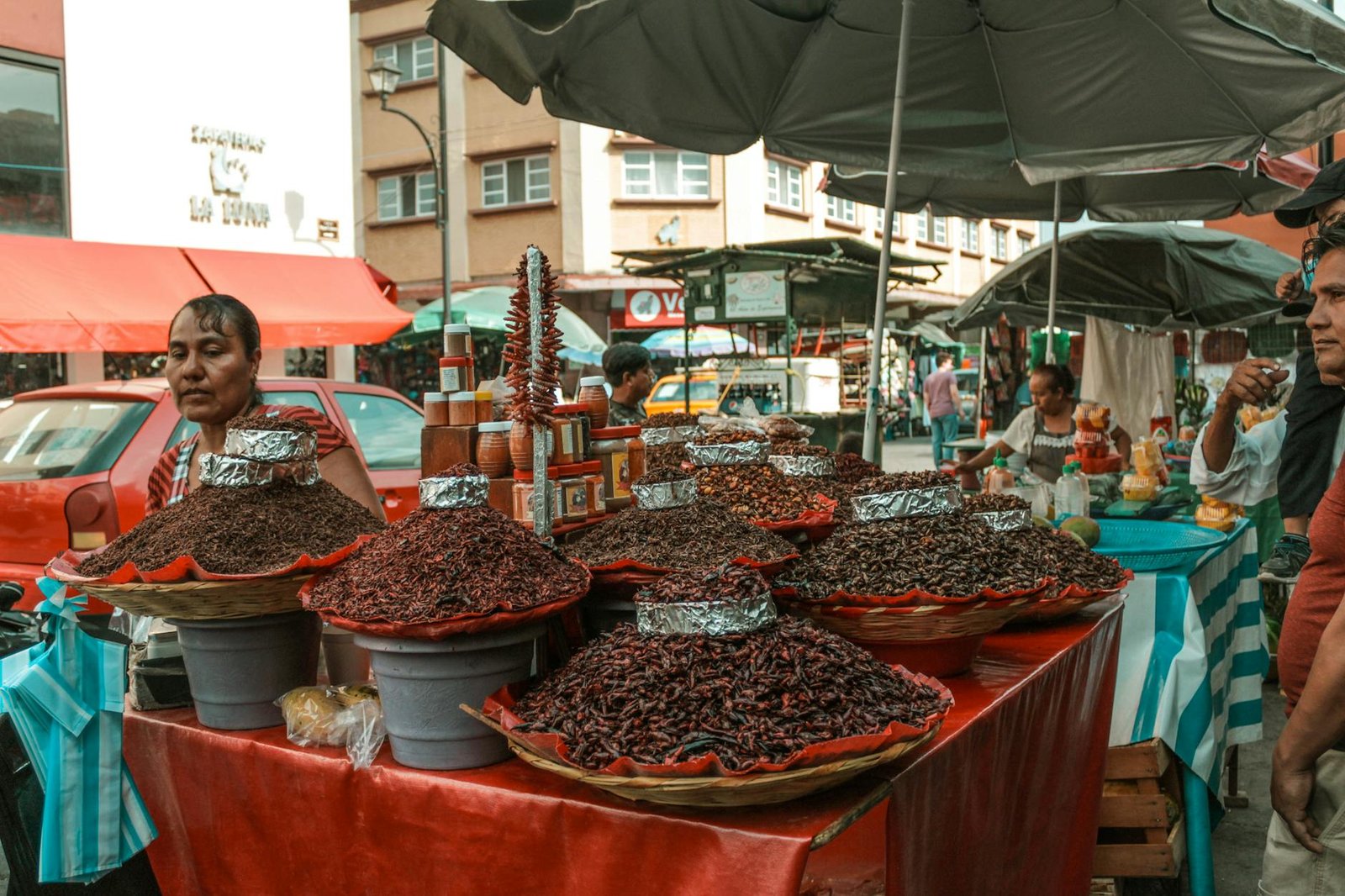
Must-try dishes in La Candelaria include ajiaco, Bogota’s signature soup made with three types of potatoes, corn, and chicken, finished with avocado, cream, and local herbs. For a genuine experience, visit Café de la Carreta or similar longtime establishments where locals gather. The neighborhood also offers excellent opportunities to try bandeja paisa influences and regional specialties from across Colombia, as many restaurants celebrate the country’s diverse food regions. Walking through La Candelaria’s food scene offers a delicious history lesson in Colombian gastronomy.
Usaquen: Where Tradition Meets Innovation
The neighborhood of Usaquen represents Bogota’s food evolution perfectly, blending ancestral recipes with contemporary techniques and presentation. Located in the northern part of the city, Usaquen has transformed into a foodie haven where colonial charm meets trendy restaurants, artisanal bakeries, and upscale gastropubs. The tree-lined streets are dotted with establishments ranging from casual cafes to fine dining venues, each telling a story of Colombia’s gastronomic awakening. On weekends, the Usaquen Plaza transforms into a vibrant market where local producers sell fresh fruits, vegetables, and artisanal products.
In Usaquen, you can experience restaurant concepts that honor traditional ingredients while exploring new flavor combinations. Many chefs source directly from local farmers, creating seasonal menus that showcase Colombia’s incredible biodiversity. Don’t miss the opportunity to visit Andrés Carne de Res, an iconic Colombian steakhouse that’s part barbecue haven, part cultural experience, combining excellent beef with an atmosphere that celebrates Colombian culture. The neighborhood also features excellent coffee shops, as Bogota sits at the heart of Colombia’s coffee region, and these establishments often source directly from highland farms.
Top Street Food and Market Experiences
Bogota’s street food scene represents the city’s most authentic culinary expression, where vendors perfect their craft through years of dedication. Arepas reign supreme—these thick corn cakes appear everywhere, filled with cheese, meat, avocado, or simple butter and salt. The humble arepa is Colombia’s soul food, and each vendor has their own technique and recipe perfected over decades. Beyond arepas, you’ll find empanadas with savory fillings, freshly made tamales wrapped in corn husks, and patacones—crispy fried plantain slices that appear as both snack and side dish throughout the city.
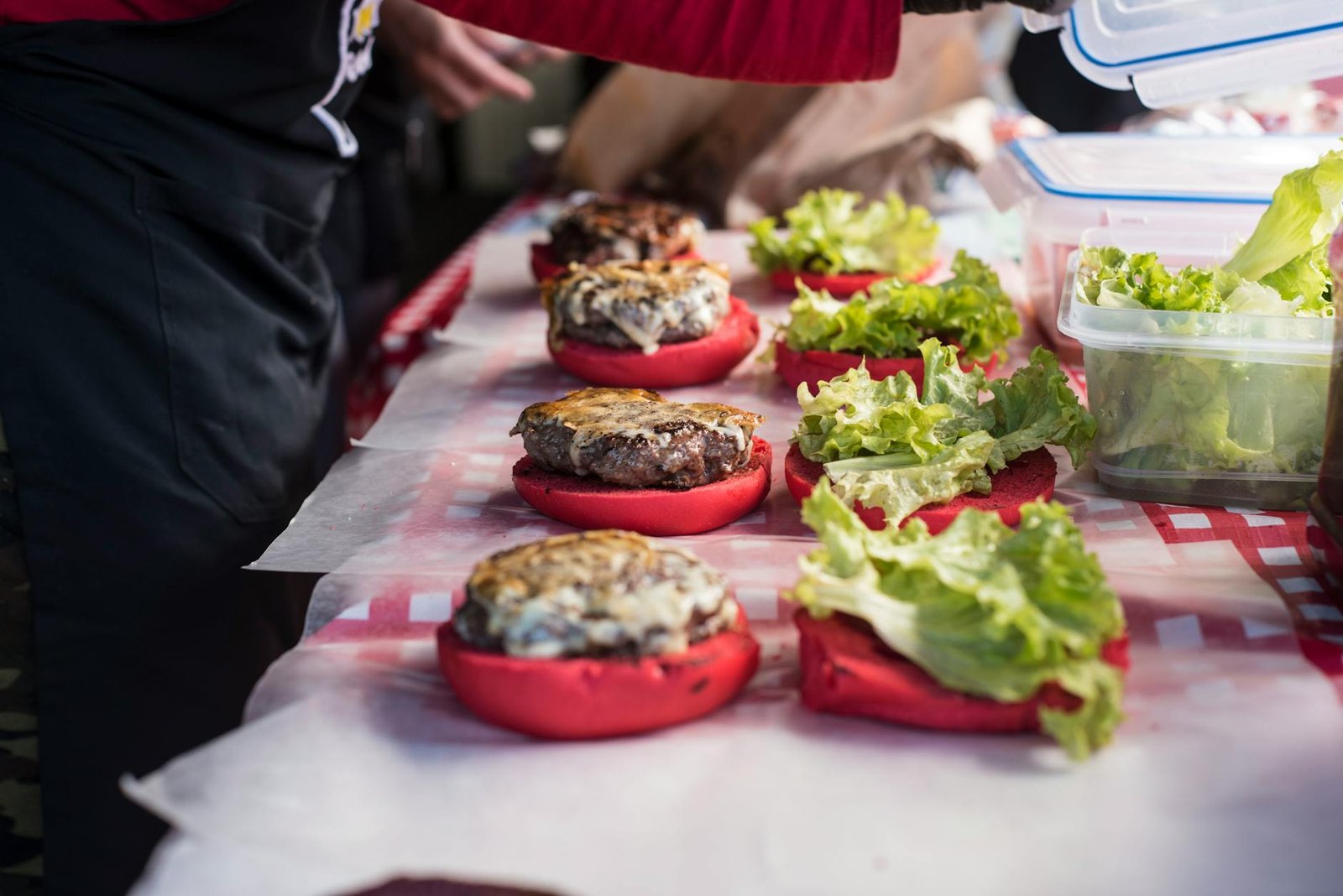
Central de Abastos and Paloquemao Market offer overwhelming sensory experiences where you can taste your way through Colombia’s agricultural abundance. These markets are where locals shop, where food speaks louder than words, and where you’ll discover fruits and vegetables that don’t exist in most countries. Vendors will let you sample products before buying, and the atmosphere buzzes with genuine commerce. Street corners throughout Bogota feature carts selling fresh tropical fruit juices—try lulo, guanabana, and passion fruit combinations that locals have perfected. For a more curated experience, visit the weekend markets in Usaquen or the artisanal food stalls that have emerged in neighborhoods like Chapinero.
Best Restaurants in Bogota
Bogota’s restaurant scene has matured into something truly exceptional, with establishments that rank among South America’s finest. Leo, helmed by chef Leonor Espinosa, focuses on ancestral Colombian ingredients and techniques, offering a dining experience that’s educational and delicious. Andrés D.C. represents modern Colombian cuisine in an elegant setting. These restaurants represent the new generation of Colombian chefs who’ve trained internationally but returned home to redefine their national cuisine.
For more casual but equally impressive dining, La Puerta Falsa, just off Plaza Bolivar in La Candelaria and open since 1816, offers tamales and ajiaco in an intimate space that seats under twenty people—expect a queue. Masa offers incredible fresh seafood and ceviches in a relaxed atmosphere. Punto G specializes in high-quality grilled meats and traditional preparations. Budget-conscious diners should seek out the menú del día offerings at lunch—these fixed-price menus include soup, entrée, sides, dessert, and a drink, providing exceptional value and authentic local cooking. Many neighborhood restaurants offer these lunch specials, allowing you to eat like a local for just a few dollars.
Best Food Tours and Experiences
To maximize your Bogota food experience, consider organized food tours that provide context, access, and insider knowledge. Viator offers several Bogota food tour options, including market tours focusing on Central de Abastos and cooking classes that teach you to make ajiaco and arepas from scratch. These tours typically include tastings at multiple locations and transportation to neighborhoods that might be difficult to navigate alone. GetYourGuide features similar experiences, from half-day culinary walks through La Candelaria to farm-to-table experiences in the surrounding regions.
Many boutique tour operators specialize in Bogota’s food scene, offering intimate small-group experiences led by local guides with deep restaurant connections. These tours often include neighborhood walks where guides share stories about each area’s culinary identity, stops at family-run establishments that don’t advertise, and tastings of dishes most tourists never discover. Cooking classes held in local homes or professional kitchens allow you to learn directly from Colombian cooks and take techniques home. These experiences typically cost $40-80 per person and offer far more value than guidebook recommendations alone.
When to Visit for Food and Seasonal Highlights
Bogota’s high altitude means the weather remains consistently cool and mild year-round, making it a destination you can visit anytime for food experiences. However, certain seasons highlight specific ingredients and celebrations. Mango season (April-May and August-September) brings explosive flavors to markets and menus, with chefs incorporating the fruit into both sweet and savory dishes. Strawberry season peaks in spring, while avocado season in late fall means creamy perfection in every guacamole and salad.
Visit during Bogota Gastronomía, the city’s major culinary festival typically held in September, when restaurants offer special menus, chefs collaborate on events, and the entire city celebrates its food culture. During this festival, restaurants often offer tasting menus at reduced prices, and special events showcase everything from traditional recipes to experimental cuisine. Avoid visiting during major holidays when some restaurants close or operate with limited menus. The rainy seasons (October-November and April-May) shouldn’t deter you—locals joke that rain brings better ingredients to market and cozier reasons to enjoy restaurant meals.
Coffee Culture and Sweet Treats
Bogota sits in the world’s premier coffee region, and the city’s coffee culture deserves dedicated attention. Cafe culture isn’t just about caffeine—it’s a social ritual where locals gather for conversation, business meetings, and simple enjoyment. Visit specialty coffee shops like Geisha or Juan Valdez to understand Colombia’s coffee diversity, from single-origin high-altitude beans to traditional blends. Many cafes offer tastings and explanations of different growing regions and processing methods, transforming coffee from beverage into educational experience.
Don’t overlook Colombian sweets and desserts, which blend indigenous ingredients with Spanish colonial influences. Alfajores—shortbread cookies filled with dulce de leche—appear in every bakery, while brevas con queso (fresh figs with local cheese) represent perfectly balanced sweet and savory. Colombiana bread, pandebono (cheese bread), and bunuelos (fried dough balls) make perfect accompaniments to morning coffee. Bogota’s increasing number of artisanal chocolate shops showcase cacao from Colombian regions, with many featuring chocolate tastings and tours that explain bean-to-bar production from the country’s own farms.



Book a Food Experience in Bogota
Handpicked experiences — book with free cancellation and instant confirmation.
Explore More Food Tours
More food guides from Colombia:
You might also enjoy:
- Sao Paulo Food Tour Guide (Brazil)
- Cancun Food Tour Guide (Mexico)
- Lima Food Tour Guide (Peru)
- Puebla Food Tour Guide (Mexico)
- Rio de Janeiro Food Tour Guide (Brazil)
Featured in:
Frequently Asked Questions
What is the typical cost of a food tour in Bogota?
Most guided food tours in Bogota range from $50 to $100 USD per person, depending on the length and inclusions. Premium tours that visit upscale restaurants or include beverages can cost $120-$150 USD, while budget-friendly street food tours may be $35-$50 USD.
How long do food tours in Bogota typically last?
Standard food tours in Bogota usually last between 3 to 4 hours, covering multiple neighborhoods and food stops. Some specialized tours, particularly evening or wine-pairing experiences, can extend to 5-6 hours.
What local Bogota foods should I expect to try on a food tour?
You can expect to taste iconic Bogota dishes like ajiaco (a hearty potato and chicken soup), empanadas, patacones (fried plantains), bandeja paisa-style offerings, and fresh tropical fruits like lulo and guanabana. Most tours also include fresh Colombian coffee, local cheese, and corn-based snacks like arepas and mazorca.
Which neighborhoods in Bogota offer the best street food experiences?
La Candelaria, the historic downtown district, is renowned for authentic street food and traditional eateries, while Usaquén offers a bohemian food market atmosphere on weekends. Chapinero and Zona Rosa provide more upscale food tour experiences, whereas Engativá and Kennedy neighborhoods showcase authentic local street food culture favored by residents.
How can I communicate dietary restrictions on a Bogota food tour?
Inform your tour operator at least 24-48 hours in advance about vegetarian, vegan, gluten-free, or allergy requirements, as most reputable companies will adjust the itinerary accordingly. Bogota's food scene increasingly accommodates dietary needs, and many traditional dishes like arepas, patacones, and fresh fruit can be easily modified for dietary preferences.