
Best Foodie Cities in Eastern Europe 2026
Few adventures ignite the senses quite like eating your way through a new city — and Eastern Europe in 2026 has quietly become one of the world’s most thrilling destinations for serious food lovers. From smoky sausage stalls tucked inside century-old market halls to avant-garde restaurants reimagining Slavic grandmother recipes, this region is serving up some of the most exciting, soulful, and downright delicious food on the planet. Pack your appetite and your walking shoes — here are the best foodie cities in Eastern Europe right now.
Prague, Czech Republic
Prague has long shaken off its reputation as a city of heavy dumplings and little else, and in 2026 it stands as one of Central Europe’s most dynamic culinary capitals. Yes, you should absolutely sit down to a proper svíčková — slow-braised beef sirloin bathed in a silky root vegetable cream sauce, crowned with cranberry and a billowy whipped cream quenelle — but the city’s food scene stretches far beyond its beloved classics. Talented young Czech chefs are raiding the country’s larder of foraged mushrooms, freshwater carp, and heritage grains to craft menus that feel both rooted and boldly modern.
For the full Prague food experience, start your mornings at the Náplavka Farmers Market along the Vltava embankment, where local producers sell raw milk cheeses, cold-pressed oils, and jaw-dropping pastries every Saturday. From there, wander into the Žižkov and Vinohrady neighborhoods, where a new wave of wine bars and natural-wine-focused bistros has transformed the dining landscape almost overnight. Don’t leave without trying trdelník filled with proper soft-serve ice cream from a quality bakery, and make time for a tasting plate of Olomoucké tvarůžky — the pungent, washed-rind Czech cheese that divides and delights in equal measure.

Explore our full Prague food guide →
Budapest, Hungary
Budapest is a city that cooks with fire and feeling, and every dish tells you something about Hungarian history, landscape, and soul. Gulyás — the deep, paprika-rich beef and vegetable stew that inspired a thousand pale imitations worldwide — tastes completely different here, particularly when made with sweet Kalocsa paprika and served in a cast-iron pot at a family-run étterem. Alongside it, lángos (deep-fried dough slathered in sour cream and cheese), fisherman’s soup from the Danube, and the impossibly flaky rétes pastry stuffed with sour cherry or poppy seed compete for your attention at every turn.
The Great Market Hall on Vámház körút remains Budapest’s cathedral of food — three soaring floors of paprika strands, pickled vegetables, hand-painted ceramics, and butchers who’ve been trading from the same stalls for generations. For a more contemporary edge, the Bálna food complex and the ruin bar district of the Jewish Quarter have cultivated a streetwise dining scene of Korean-Hungarian fusion bites, craft beer, and open-fire cooking. The neighborhoods of Ferencváros and Újlipótváros are particularly rich hunting grounds for independent bistros where reservation books fill weeks in advance.
Explore our full Budapest food guide →

Warsaw, Poland
Warsaw is the great Eastern European food story of the last decade, a city that rebuilt itself from rubble and has now rebuilt its culinary identity with equal determination and flair. Traditional Polish cooking — bigos (hunter’s stew of cabbage and mixed meats), żurek (sour rye soup with hard-boiled egg and white sausage), and pillowy pierogi stuffed with potato and farmer’s cheese — has found a stunning new context here, elevated by chefs who source obsessively from Polish farmers and treat national ingredients with the reverence they’ve always deserved.
Hala Koszyki, a restored 1906 market hall in the city center, is the perfect first stop: a buzzing food hall where you can graze on everything from artisan charcuterie to Japanese-Polish fusion at a single long lunch. The Praga district on the east bank of the Vistula is Warsaw’s coolest, grittiest neighborhood and home to some of its most interesting small restaurants, street art-covered courtyards, and weekend food markets. Look out for bar mleczny — the beloved “milk bars,” communist-era canteens serving cheap, hearty Polish classics that have been reimagined and treasured by a new generation of Warsaw diners.
Explore our full Warsaw food guide →
Kraków, Poland
If Warsaw is Poland’s ambitious culinary future, Kraków is its delicious, living memory. Nestled beneath the shadow of Wawel Castle and threaded through with medieval lanes, Kraków delivers a food scene that is intimate, proud, and deeply satisfying. Obwarzanek krakowski — the city’s own ring-shaped boiled and baked bread, sprinkled with sesame or poppy seeds — is sold from wheeled carts on almost every corner, and eating one while wandering the Cloth Hall market is one of travel’s most uncomplicated pleasures. The city’s Jewish heritage adds another extraordinary layer, with Kazimierz district restaurants serving traditional Ashkenazi dishes alongside modern Polish cooking.
The Stary Kleparz market, operating since the thirteenth century, is where Kraków locals shop for seasonal produce, mountain cheeses like oscypek (smoked sheep’s milk cheese from the Tatra highlands), and locally cured meats. By night, Kazimierz comes alive with candle-lit restaurants, klezmer music floating from open windows, and bars pouring natural Polish wines and craft beers infused with local botanicals. Don’t overlook the zapiekanka — a toasted open-faced baguette loaded with mushrooms and cheese, Kraków’s beloved street food answer to pizza, sold best at Plac Nowy in the heart of Kazimierz.
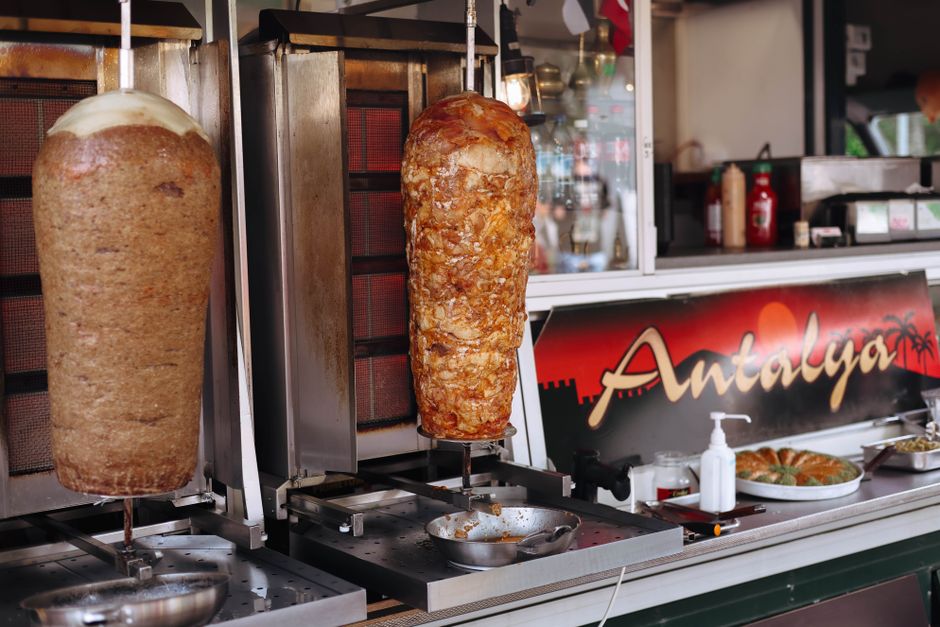
Explore our full Kraków food guide →
Bucharest, Romania
Bucharest surprises nearly every first-time visitor, and nowhere more so than at the table. Romanian cuisine draws on Ottoman, Greek, French, and Austro-Hungarian influences to create something wonderfully its own — think mămăligă (a golden, creamy polenta served with sour cream and brânză cheese), mici (grilled skinless sausages eaten with mustard at every park and stadium), and sarmale (cabbage rolls stuffed with minced pork and rice, slow-cooked in tomato and dill). The city’s restaurant scene has matured dramatically in recent years, with a generation of Romanian chefs proudly reclaiming their culinary heritage and presenting it in spaces of genuine elegance.
Obor Market is Bucharest’s sprawling, authentic daily market — a vivid, sensory overload of vegetables, live poultry, fermented pickles, and mountain honey that gives a true picture of how the city eats. For a more curated experience, the Floreasca and Dorobanți neighborhoods host the city’s finest contemporary restaurants, while the Centrul Vechi (Old Town) buzzes with terrace dining and excellent local wine bars showcasing Romania’s underrated wine regions of Dealu Mare and Cotnari.
Explore our full Bucharest food guide →
Sofia, Bulgaria
Sofia sits at the crossroads of the Balkans and the Byzantine world, and its cuisine reflects every civilization that has passed through — Ottoman spice routes, Slavic fermentation traditions, and a Mediterranean brightness that sets Bulgarian food apart from its neighbors. Shopska salata, a simple but addictive salad of tomatoes, cucumbers, roasted peppers, and a snowfall of sirene white cheese, is Bulgaria’s most iconic dish and proof that the best food is often the simplest. The country’s rose-infused confections, banitsa (flaky filo pastry stuffed with egg and cheese), and tarator (chilled yogurt and cucumber soup) round out a culinary identity that is distinctive and deeply pleasurable.
The Women’s Market (Женски пазар) near Sofia’s city center is the best place to experience daily Bulgarian food life — stalls overflowing with dried herbs, fresh vegetables, and homemade lutenitsa (pepper and tomato relish) sold in repurposed jars. The Lozenets and Oborishte neighborhoods have become Sofia’s creative dining quarters, with wine bars specializing in indigenous Bulgarian grape varieties like Mavrud and Rubin drawing in a young, wine-curious crowd. The city’s food scene remains one of Eastern Europe’s best-kept secrets — but not for much longer.
Explore our full Sofia food guide →
Tallinn, Estonia
Tallinn may be compact, but its food scene punches well above its weight, driven by a fierce pride in Nordic-Baltic ingredients and a culinary philosophy that celebrates the forest, the sea, and the seasons with almost religious devotion. Black bread — dark, dense, slightly sour rye bread — is the edible backbone of Estonian culture, served with everything from smoked Baltic sprat to hand-churned butter. Elk carpaccio, wild mushroom ragout, cloudberry desserts, and smoked eel are just some of the northern delicacies that appear on menus across the city’s increasingly celebrated restaurant scene.
The Balti Jaam Market near the train station is Tallinn’s most authentic food market, where Estonian farmers sell everything from kefir to kama flour (a toasted grain blend eaten with yogurt and berries), and the atmosphere is refreshingly local. The medieval Old Town, while tourist-heavy, hides genuinely excellent restaurants in its stone vaulted cellars, and the Kalamaja neighborhood — Tallinn’s coolest creative district — is where chefs are doing their most exciting, boundary-pushing work with Nordic-Baltic ingredients.
Explore our full Tallinn food guide →
Riga, Latvia
Riga is one of Eastern Europe’s most architecturally stunning cities, and its food scene has grown to match its visual grandeur. Latvian cuisine is rooted in the agricultural rhythms of the Baltic countryside — rye, dairy, pork, freshwater fish, and wild berries form the core of a culinary tradition that is humble, nourishing, and quietly extraordinary. Grey peas with smoked lard and onions (pelēkie zirņi) is Latvia’s beloved national dish, best enjoyed in winter beside a roaring fire, while rupjmaize (sour rye bread) and Latvian cottage cheese with caraway seeds are daily staples that visitors quickly become addicted to.
The Riga Central Market — housed in five enormous repurposed Zeppelin hangars near the river — is one of the most spectacular food markets in all of Europe, and a full morning spent wandering its pavilions of fresh dairy, smoked fish, pickled everything, and local honey is an unmissable experience. The Miera iela street in the Quiet Centre neighbourhood has evolved into Riga’s most fashionable dining corridor, lined with specialty coffee roasters, wine bars, and bistros serving modern Latvian cuisine with genuine craft and creativity.
Explore our full Riga food guide →
Eastern Europe’s food cities are more vibrant, more creative, and more delicious than ever in 2026 — and the best part is that most of them still feel wonderfully undiscovered compared to their Western European counterparts. Whether you’re chasing smoky market stalls, ambitious tasting menus, or the perfect bowl of grandmother’s soup, this region will reward every curious, hungry traveler. Start planning your Eastern European food journey today, and let your taste buds lead the way.
Book a Food Experience in Top Destinations
Handpicked experiences — book with free cancellation and instant confirmation.
Explore More Food Tours
Guides for the cities in this article:
- Riga Food Tour Guide (Latvia)
- Pristina Food Tour Guide (Kosovo)
- Bucharest Food Tour Guide (Romania)
- Tallinn Food Tour Guide (Estonia)
- Sofia Food Tour Guide (Bulgaria)
- Warsaw Food Tour Guide (Poland)
Frequently Asked Questions
Which Eastern European city has the best street food scene?
Budapest, Hungary stands out with its iconic ruin bars serving traditional langos and chimney cakes, while Kraków, Poland offers exceptional pierogi and zapiekanka from street vendors around the main square. For the most affordable gourmet street food experience, consider Warsaw's revitalized food markets and pop-up vendors in the Praga district.
Do I need to speak the local language to enjoy fine dining in these cities?
No, most upscale restaurants in major Eastern European cities like Prague, Budapest, and Bucharest have English menus and multilingual staff accustomed to international visitors. However, learning a few basic food-related phrases enhances the experience and is appreciated by local chefs and restaurant staff.
What's the best time of year to visit for seasonal food experiences?
Late summer through early autumn (August-October) offers peak availability of seasonal produce, wild mushrooms, and game that feature prominently in Eastern European cuisine. Spring (April-May) is ideal for experiencing fresh asparagus, wild greens, and Easter specialties, while winter showcases hearty stews, preserved foods, and traditional holiday dishes.
Are food tours worth booking in advance or can I find good guides on arrival?
Booking reputable food tours 1-2 weeks ahead ensures smaller group sizes and access to exclusive restaurants and markets, while same-day bookings may have limited availability. Many cities have excellent last-minute options through hotels and local tourism boards, though premium experiences like private chef dinners should be reserved earlier.
What's the average cost of eating well in these Eastern European foodie cities?
You can enjoy excellent three-course meals at mid-range restaurants for $15-25 USD, while fine dining typically ranges from $50-100 USD per person including wine pairings. Street food and traditional markets offer exceptional value at $2-5 USD per item, making Eastern Europe significantly more affordable than Western European food destinations.