
Jeju Food Tour – Best Local Food & Restaurants
Jeju, South Korea: The Ultimate Food Guide
Welcome to Jeju’s Culinary Paradise
Jeju Island is South Korea’s most enchanting destination, and its food scene is equally captivating as its volcanic landscapes and pristine beaches. This UNESCO World Heritage site has developed a unique culinary identity that reflects its geographic isolation and agricultural abundance. From fresh seafood pulled directly from the surrounding waters to indigenous vegetables grown in volcanic soil, Jeju’s cuisine tells the story of an island that has perfected the art of seasonal, locally-sourced eating.
Unlike the spicy, heavily seasoned dishes often associated with mainland Korean cuisine, Jeju food celebrates subtlety and the natural flavors of premium ingredients. The island’s food culture has been shaped by its history as a trading hub, its thriving agricultural sector, and the resourcefulness of its people. Whether you’re a culinary adventurer or simply someone who loves eating well while traveling, Jeju offers an unforgettable gastronomic journey that should be at the top of your South Korea itinerary.
Jeju’s Signature Dishes and Local Specialties
Jeju black pork, known locally as “Jeju heukdwaeji,” is arguably the island’s most celebrated contribution to Korean cuisine. Raised on the island’s unique grasslands and fed on grain and locally-grown sweet potatoes, this premium pork is distinctly tender and flavorful. You’ll find it grilled at virtually every restaurant on the island, often served with fresh lettuce wraps, ssamjang (Korean dipping sauce), and an impressive array of side dishes. The meat’s delicate marbling and sweet undertones make it instantly recognizable even to visitors unfamiliar with Korean cuisine.
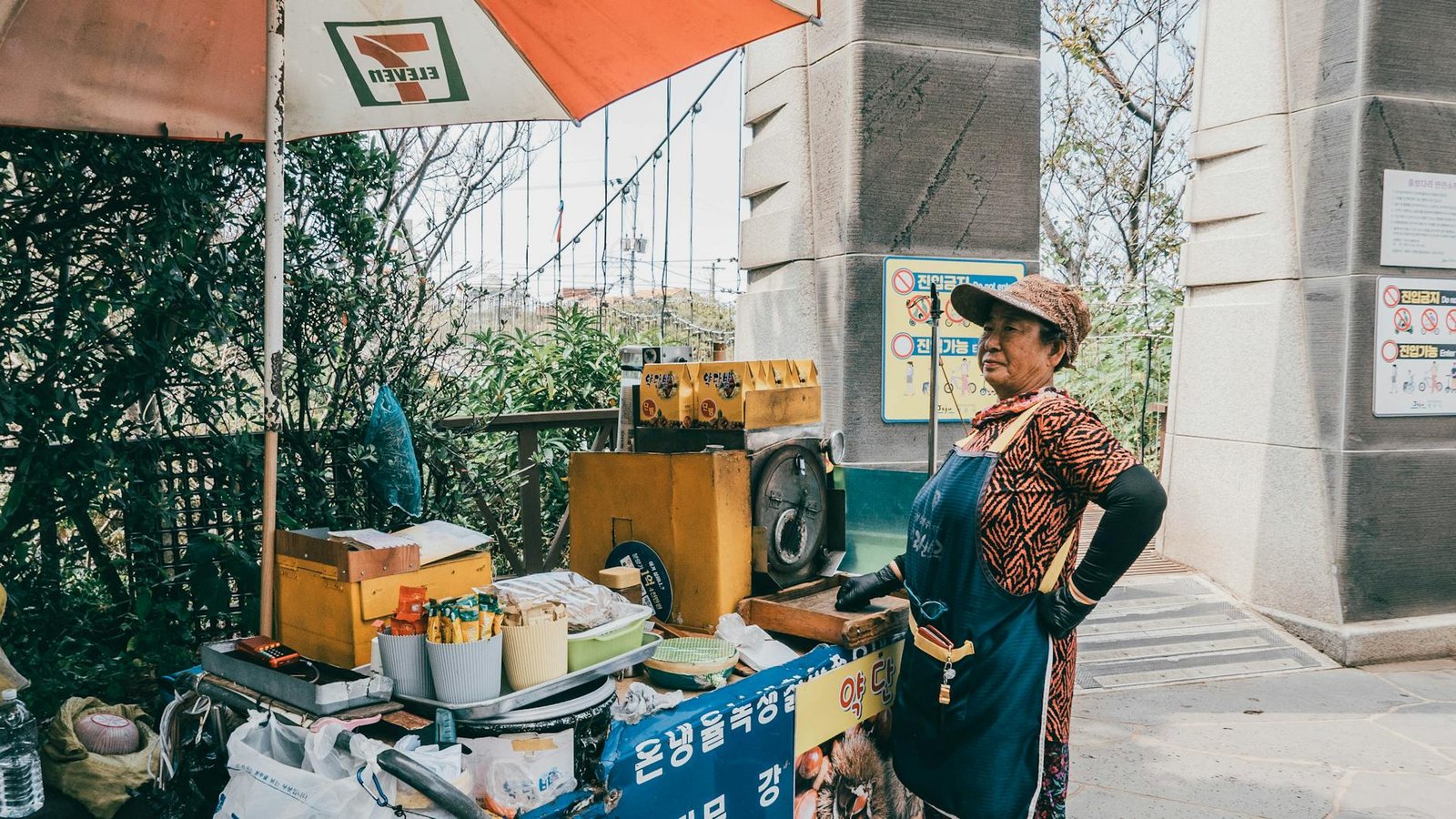
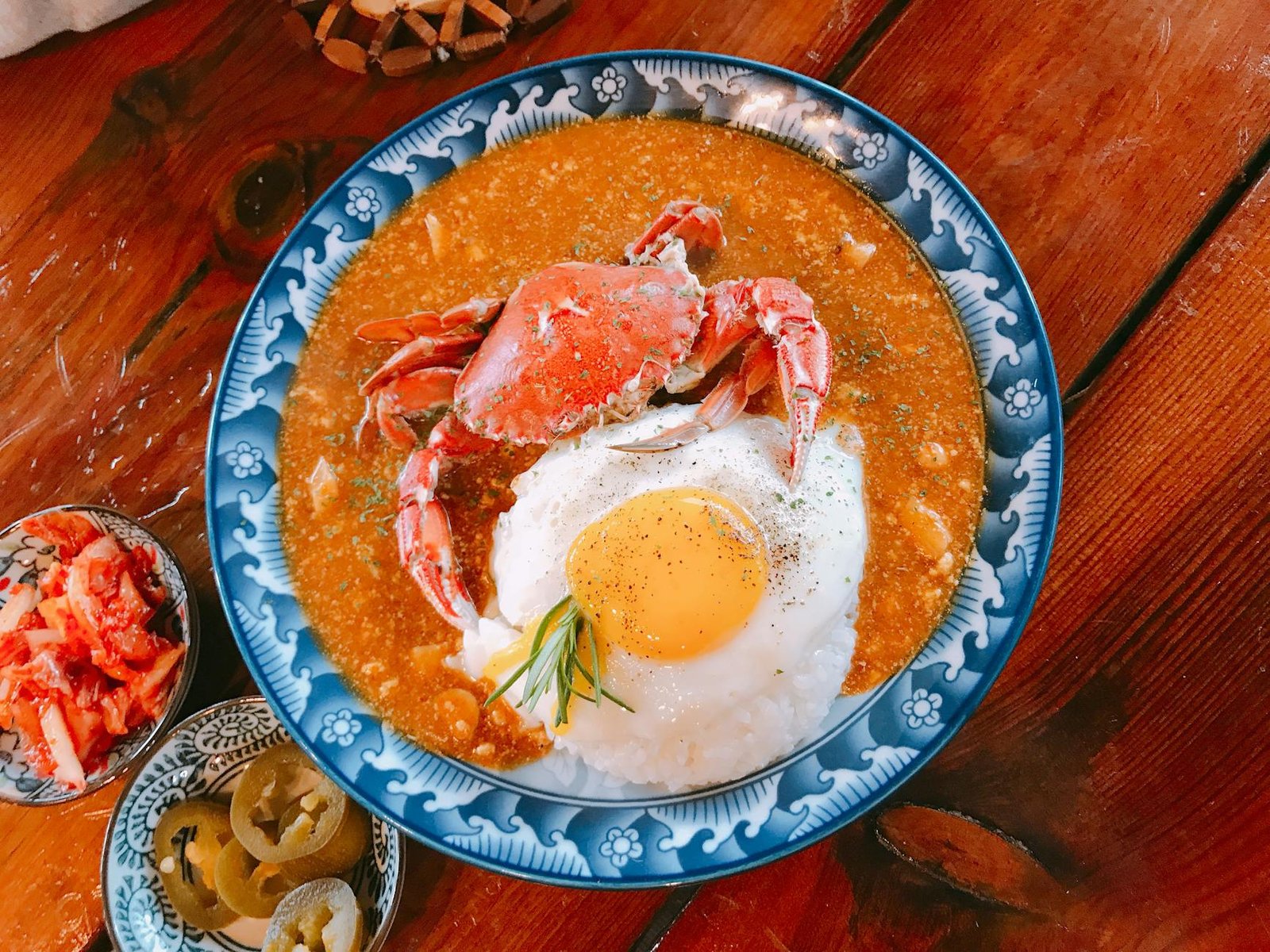
Beyond black pork, Jeju is famous for its abalone, sea cucumber, and fresh white fish. “Jeonbok” (abalone) is considered a delicacy and appears in everything from casual street food to high-end restaurant menus. The island’s “Jeju mandarin oranges” are world-renowned for their sweetness and are enjoyed fresh, in desserts, and as juice throughout the island. Visitors should also seek out “godeungeo” (mackerel), which is prepared fresh at local restaurants, and “omegi guksu,” a unique noodle dish made with barley and served in seafood broth—a comfort food that locals have enjoyed for generations.
Top Street Food and Night Markets
Jeju’s street food scene comes alive at Dongmun Market, located in the heart of Jeju City. This bustling traditional market has been operating since 1945 and offers an authentic glimpse into local food culture. Wander through narrow alleyways lined with vendors selling fresh seafood pancakes, grilled shellfish, and bibim guksu (mixed noodles). The market is particularly magical in the evening when food stalls set up and locals gather for casual meals and conversation. Try the “jjukkumi” (baby octopus) grilled over charcoal—it’s tender, slightly chewy, and addictively delicious when dipped in spicy gochujang sauce.
Black Pork Street, located near Jeju Airport, is exactly what it sounds like: an entire alley dedicated to grilled black pork restaurants. This is where locals come for dinner, and the casual, communal atmosphere makes it perfect for solo travelers or groups. Order the samgyeopsal (grilled belly pork) and watch as your server expertly cuts it into perfect bite-sized pieces right at your table. Another must-visit is Olle Market in Seogwipo, where you can sample fresh seafood pancakes, takoyaki (octopus balls), and grilled scallops while enjoying views of the harbor.
Traditional Markets: Where Locals Shop and Eat
Jeju’s traditional markets are living, breathing centers of island culture. The Dongmun Traditional Market in Jeju City is a long-running indoor market where elderly vendors prepare “kalguksu” (knife-cut noodle soup) in massive copper pots, and fishmongers skillfully fillet the day’s catch while you watch. These markets offer some of the most authentic and affordable meals you’ll find on the island, and the experience of eating where locals eat is invaluable.
At these markets, you can purchase fresh ingredients to take back to your accommodation if you’re staying in a vacation rental with cooking facilities. The produce here reflects Jeju’s agricultural identity—from locally-grown perilla leaves and Korean mugwort to rare mushroom varieties found nowhere else in Korea. Engage with vendors, ask for recommendations, and don’t hesitate to try unfamiliar items. Many stallowners are delighted to serve tourists and often offer small tastes of their products.
Best Restaurants for Authentic Jeju Cuisine
For an upscale yet accessible black pork experience, visit Neulbom Heukdwaeji in Jeju City, known for its charcoal-grilled samgyeopsal. The restaurant’s simple wooden interior and focus on quality ingredients create an authentic atmosphere. Service is attentive, and the meat is exceptional. For a more casual experience with equally excellent food, Dombedon is a beloved local spot known for its perfectly grilled black pork and generous banchan (side dishes).
These establishments represent the best of Jeju dining without requiring reservations weeks in advance.
Best Food Tours and Experiences
To maximize your culinary exploration, consider booking a guided food tour. Viator offers several Jeju food tours, including a “Jeju Island Halubang (Grandmother) Market and Traditional Food Tour” that provides cultural context alongside tastings. GetYourGuide features options like “Local Food & Culture Tour in Seogwipo,” where guides take you off the beaten path to family-run restaurants and hidden market stalls. These tours typically include transportation, meals at multiple locations, and personal insights from guides who genuinely understand local food culture.
Many hotels and guesthouses can also arrange private cooking classes where you’ll learn to prepare classic Jeju dishes in a local home or commercial kitchen. These intimate experiences often include a market tour beforehand and allow you to take recipes and memories home. Food tours are particularly valuable because guides can explain the significance of specific dishes, introduce you to vendors by name, and navigate the sometimes-daunting language barrier that can exist at family-run establishments.
Seasonal Jeju Food and When to Visit
Spring (April-May) brings fresh spring vegetables, newly caught fish, and the beginning of shellfish season. Summer (June-August) features abundant fresh seafood, though crowds peak during this season. Autumn (September-November) is arguably the best time for food tourism—temperatures are perfect for grilling, and the harvest brings everything from Jeju mandarin oranges to wild mushrooms and root vegetables. Winter is the season for hearty soups, hot grilled meats, and comfort foods, though some outdoor eating experiences become less appealing.
If you’re specifically interested in black pork, any season offers excellent examples, though meat tastes particularly satisfying during cooler months. Jeju’s mandarin orange season peaks from November through January, so plan your visit accordingly if sampling these sweet fruits is a priority. Spring and autumn offer the most diverse seasonal offerings and the most pleasant weather for market exploring and outdoor dining experiences.
Practical Tips for Your Jeju Food Adventure
Download the Papago translation app before arriving—while Jeju is increasingly English-friendly in tourist areas, family-run restaurants may have limited English signage. Credit cards are widely accepted, but carrying some cash helps at smaller market stalls. Respect traditional eating customs: wait for elders to begin eating, use two hands when receiving items, and never pour your own drink (pour for others and they’ll reciprocate).
Don’t miss the island’s coffee culture—Jeju has become a destination for specialty coffee, with numerous cafes serving beautifully presented lattes and single-origin espressos. Finally, venture beyond Jeju City and Seogwipo. Rent a car if comfortable driving on the left side, or use the excellent bus system to reach smaller towns where you’ll discover family restaurants that have perfected their signature dishes over decades. Your reward for this culinary exploration will be memories of flavors, hospitality, and the genuine satisfaction of eating beautifully.



Book a Food Experience in Jeju
Handpicked experiences — book with free cancellation and instant confirmation.
Explore More Food Tours
More food guides from South Korea:
You might also enjoy:
- 10 Best Food Cities in Japan 2026 (Japan)
- Fukuoka Food Tour Guide (Japan)
- Hiroshima Food Tour Guide (Japan)
Featured in:
Frequently Asked Questions
What is the typical cost of a food tour in Jeju?
Most guided food tours in Jeju range from 80,000 to 150,000 KRW (approximately $60-110 USD) per person for a half-day tour, while full-day experiences can cost 150,000 to 250,000 KRW. Prices vary depending on the tour operator, number of stops, and whether meals are included or if you're responsible for individual dish purchases at each location.
How long do typical food tours in Jeju last?
Half-day food tours usually last 3-4 hours, while full-day tours typically run 6-8 hours with a lunch break included. Some specialized tours focusing on specific cuisines or regions may have custom durations based on your preferences.
What local Jeju foods should I expect to try on a food tour?
You'll encounter signature Jeju dishes like black pork (Jeju dwaeji gogi), fresh seafood including sea urchin (uni) and abalone, tangerine-based dishes, and Jeju-style kimchi made with local vegetables. Traditional items like okdom (horse mackerel), godeungeo (mackerel), and black garlic unique to the island are also commonly featured on tours.
Which neighborhoods in Jeju are best for street food exploration?
Dongmun Market (동문시장) in Jeju City is the premier destination for street food with countless vendor stalls selling fresh seafood, tteokbokki, and local snacks. Gujwa-eup in the east is known for fresh seafood and fishing village atmosphere, while Seogwipo's Olle Market offers a more local, less touristy experience with seasonal produce and traditional Jeju foods.
What should I do if I have dietary restrictions on a Jeju food tour?
Inform your tour operator at least 2-3 days in advance about vegetarian, vegan, halal, or allergy restrictions, as they can adjust stops and provide alternatives like grilled vegetables, rice-based dishes, and fruit. Many tour guides in Jeju are accustomed to accommodating dietary needs, though options may be more limited in smaller villages, so booking through established tour companies is recommended for better customization.