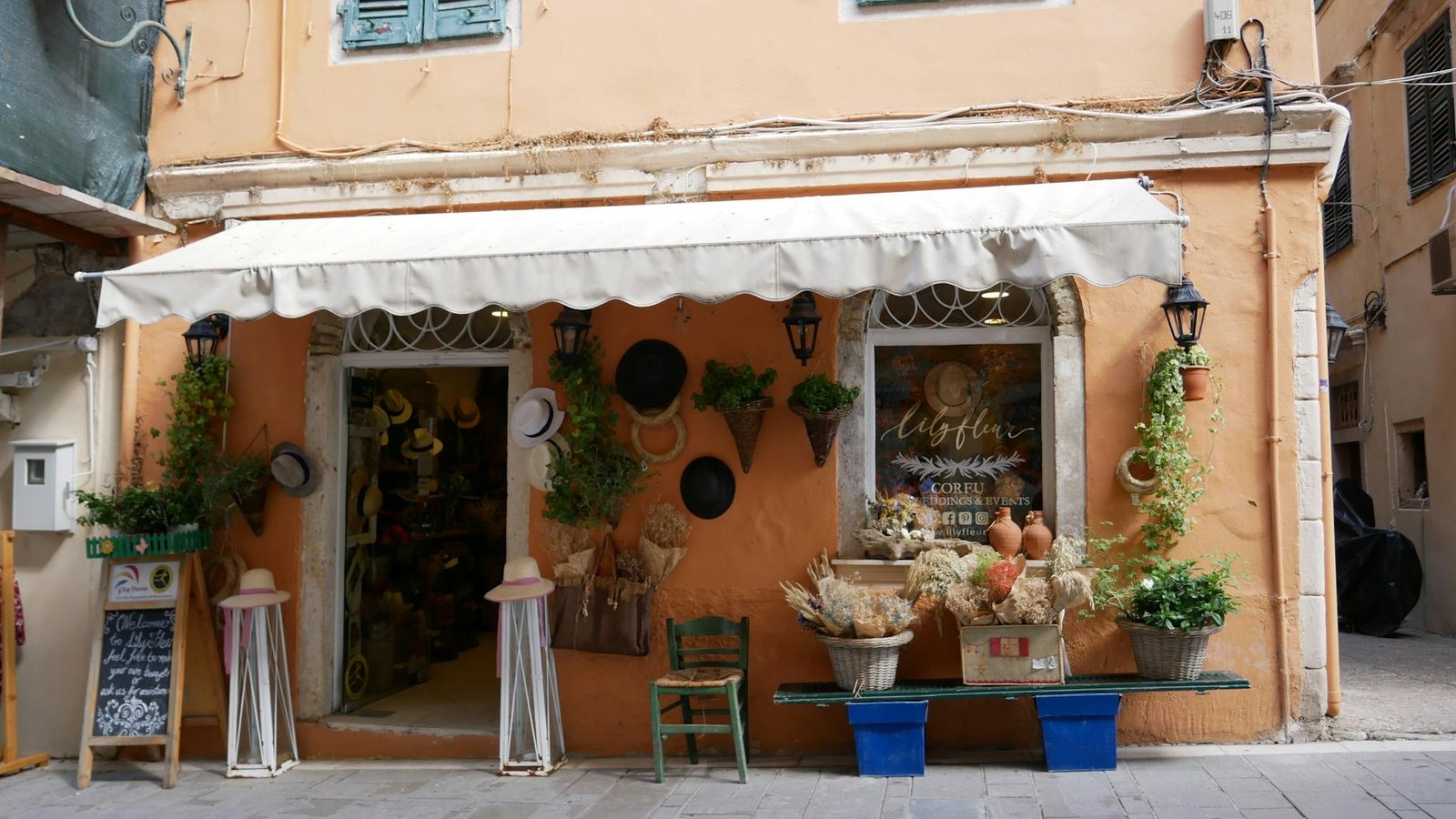
Corfu Food Guide – Eat Like a Local
“`html
Corfu Food Guide: A Culinary Journey Through the Ionian Island
Tucked in the shimmering waters of the Ionian Sea, Corfu is not just Greece’s most verdant island — it is one of its most culinarily complex. Where most Greek islands wear their Hellenic identity proudly and singularly, Corfu carries centuries of layered influence on its plate. Venetian traders, French administrators, British colonisers, and Ottoman neighbours all left their fingerprints on the island’s cooking, creating a food culture so distinctive that Corfiot cuisine is formally recognised as a separate culinary tradition within Greece. This guide will take you deep into that tradition — from the fragrant stifado simmering in a village kitchen to the sweet pastry shops lining the old town’s arcaded streets.
The History of Corfu’s Food Culture
To understand why Corfu tastes the way it does, you need to understand who ruled it. From 1386 to 1797 — an extraordinary span of four centuries — the island was governed by the Republic of Venice. This was not a fleeting occupation. It was a deep, structural reshaping of daily life, trade, agriculture, and the kitchen. The Venetians introduced olive cultivation on a grand scale, and today Corfu is blanketed by an estimated three to four million olive trees, many of them centuries old. They brought with them a love of slow-braised meats, aromatic spices from their eastern trade routes, and a reverence for sweet-and-savoury combinations that still defines dishes like pastitsada and sofrito.

When Napoleon dismantled the Venetian Republic in 1797, Corfu briefly fell under French control, and the French added their own accent to the island’s table — refined sauces, a culture of café society, and a love of bread and pastry that remains visible in the island’s bakeries today. The British then took control from 1815 to 1864, introducing ginger beer (still sold on the island as tsitsibira), marmalades, and a fondness for roasted meats. Meanwhile, proximity to the Greek mainland, the Ottoman Empire, and the Epirus region across the narrow strait brought spices, phyllo techniques, and mountain-style cooking into the mix.
The result is a cuisine that feels simultaneously familiar and foreign to visitors who know mainland Greek food. You will find the aubergines and feta you expect, but you will also encounter cinnamon in meat sauces, garlic-laced white wine reductions over veal, and spiced roast pork that would sit comfortably on a Venetian table. Corfu’s food culture is, in the most delicious sense, an island that absorbed its conquerors and cooked them into something entirely its own.
Must-Try Foods in Corfu
1. Pastitsada
If there is one dish that Corfu claims as its absolute own, it is pastitsada. This is the island’s Sunday lunch, its celebration meal, its answer to the question of what Corfiot cooking is really about. The dish consists of cockerel or sometimes veal, slow-braised in a rich tomato sauce deeply spiced with cinnamon, cloves, allspice, and black pepper — a spice profile that speaks directly to Corfu’s Venetian past and its role as a waypoint on Eastern trade routes. The meat is served over thick pasta called pastitsio tubes or wide-cut hilopites, soaked in the fragrant sauce and finished with a generous snowfall of kefalotiri cheese. The flavour is extraordinary: simultaneously warming and complex, with sweetness from the slow-cooked tomato and an aromatic depth that lingers long after the last bite. You will find it in virtually every traditional restaurant on the island, but the best versions come from family-run tavernas in the island’s interior villages.
2. Sofrito
Sofrito is Corfu’s other great signature dish and, alongside pastitsada, the clearest expression of Venetian culinary influence on the island. Thin slices of veal are dredged in flour and pan-fried until golden, then bathed in a sauce of white wine, garlic, parsley, and vinegar that reduces to a silky, intensely savoury coating around the meat. The name itself is Venetian — a direct descendant of the soffritto technique of slowly cooking aromatics in olive oil. What makes Corfu’s version distinctive is the sharp, wine-forward brightness of the sauce, which cuts through the richness of the meat beautifully. Sofrito is almost always served with mashed potato or plain rice to soak up the sauce, and it is one of those dishes that rewards slow eating and good bread. Look for it in the old town’s traditional tavernas, where it has been on the menu in some establishments for generations.
3. Bourdeto
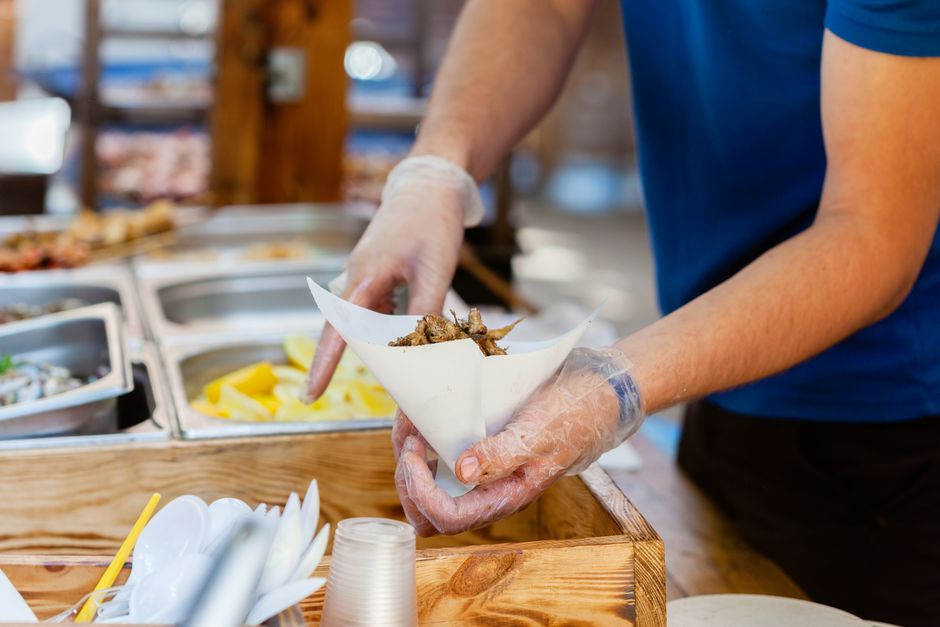
Corfu’s coastline produces exceptional seafood, and bourdeto is the island’s most dramatic expression of that bounty. This is a spicy fish stew of fierce character — whole fish or large fish pieces, typically scorpionfish, cod, or ray, cooked in a vivid red sauce made from tomatoes, olive oil, onions, and an assertive quantity of red pepper. The heat level is not shy. Bourdeto is a bold, punchy dish that fills the room with its aroma and demands your full attention at the table. It is traditionally made with the catch of the day from the island’s fishing villages, and the best versions have a deep, oceanic richness balanced by the acidity of the tomato and the warmth of the pepper. Order it at a waterfront taverna in Benitses or one of the northern fishing villages, where the fish is as fresh as it gets, and pair it with cold white wine and thick crusty bread to mop the pot.
4. Noumboulo
Corfu’s answer to prosciutto, noumboulo is a cured, smoked pork fillet that has been produced on the island for centuries using a method believed to have been introduced — yet again — by the Venetians. The meat is seasoned with salt, pepper, cloves, and sometimes juniper berries before being smoked over local wood, resulting in a charcuterie product with a richly layered, slightly sweet, and deeply smoky flavour profile. It is served thinly sliced as part of a meze spread, paired with local cheeses and olives, or tucked into sandwiches at the island’s better delis and food shops. Noumboulo is a protected local product and a genuine point of pride for Corfiot producers. Buying a vacuum-sealed package from one of the old town’s speciality food shops makes for one of the most flavourful souvenirs you can carry home.
5. Kumquat Liqueur and Preserves
The kumquat is not native to Corfu, but it has become so thoroughly embedded in the island’s food identity that it might as well be. The tiny, brilliantly orange citrus fruit was introduced to the island by the British in the 19th century and took to Corfu’s climate with extraordinary enthusiasm. Today the northern village of Nymfes and the surrounding area produce most of the island’s kumquat crop, which is transformed into an astonishing range of products: liqueurs ranging from sweet and amber-coloured to dry and complex, candied fruits, marmalades, chocolates, and cakes. The liqueur in particular is worth serious attention — the better craft versions have a genuine brightness and complexity that goes far beyond the sugary tourist bottles. Visit a dedicated kumquat shop in the old town, ask to taste before you buy, and look for bottles from smaller local producers rather than the ubiquitous mass-market brands.
6. Tsigareli
For a dish that showcases Corfu’s exceptional local greens and its connection to the mountain cooking of nearby Epirus, seek out tsigareli. This rustic, deeply satisfying dish is made from wild greens — typically a mixture of whatever is seasonal, which might include spinach, dandelion, mustard greens, or wild herbs — sautéed in generous amounts of olive oil with tomatoes, leeks, and a notable quantity of red pepper flakes. The result is something between a stew and a wilted salad, intensely flavoured, slightly spicy, and redolent
Ready to Eat Your Way Through Corfu?
Skip the tourist traps. Join a local food tour and discover the dishes, markets, and hidden spots that only locals know.




Book a Food Experience in Corfu
Handpicked experiences — book with free cancellation and instant confirmation.
Explore More Food Tours
More food guides from Greece:
- Mykonos Food Tour Guide
- Santorini Food Tour Guide
- Thessaloniki Food Tour Guide
- Athens Food Tour Guide
You might also enjoy:
- Dubrovnik Food Tour Guide (Croatia)
- Hvar Food Tour Guide (Croatia)
Featured in:
Frequently Asked Questions
What is the most iconic dish I should try in Corfu?
Pastitsada is the undisputed king of Corfu cuisine—a rich stew of rooster or beef braised in wine and served over pasta, with a unique spice blend that reflects Venetian influence. It's traditionally served during Easter and special occasions, but many tavernas offer it year-round. Don't leave the island without tasting this dish.
Where can I find authentic local food, not tourist restaurants?
Head to neighborhoods like San Rocco or Campiello in Old Town Corfu, or venture to smaller villages like Paleokastritsa and Kassiopi where family-run tavernas cater mainly to locals. Look for restaurants with Greek families dining inside and menus written only in Greek—these are your best bets for genuine island cooking at fair prices.
What seafood specialties are unique to Corfu?
Try astakos (lobster) and garides saganaki (fried shrimp in cheese), but the real local favorite is pastitsada made with scorpion fish or other local catches. Bourdeto, a spicy fish stew unique to the Ionian islands, is another must-try that showcases the day's fresh catch.
Is there a specific season when food is best and cheapest in Corfu?
Late September through November offers excellent seafood at lower prices as summer tourism ends, plus fresh produce from early autumn harvests. Winter (December-February) sees the fewest tourists and best local food availability, though some smaller restaurants close seasonally. Spring (April-May) is ideal if you want pleasant weather combined with affordable dining.
What are typical Corfiot breakfast and snack foods I should sample?
Start your day with loukoumades (honey puffs) or paximadi (hard biscuits dipped in coffee) from a local bakery, and don't miss sakouskia—small pastry parcels filled with meat or cheese unique to the island. For snacks, grab pastries from neighborhood bakeries rather than tourist areas; locals queue at these spots for a reason.