
Hvar Food Tour – Best Local Food & Restaurants
Hvar, Croatia: The Ultimate Food Guide
The Culinary Heart of Dalmatia
Hvar Island stands as one of the Mediterranean’s most captivating destinations, and its food scene rivals its stunning lavender fields and crystalline waters. Nestled off the Dalmatian coast, this historic island has transformed into a gastronomic hotspot where ancient recipes meet modern innovation. The cuisine here reflects centuries of Venetian, Austrian, and Mediterranean influences, creating a unique flavor profile that’s distinctly Croatian yet internationally sophisticated. Local chefs celebrate seasonal ingredients sourced from the island’s sun-drenched terroirs, including the famous Hvar olive oil, indigenous fish species, and aromatic herbs that blanket the hillsides.
The food culture of Hvar is inseparable from its geography and history. The island’s isolation for centuries meant that locals perfected their own recipes, developing dishes that maximize flavor from what the sea and rocky soil provide. Today, whether you’re dining in the charming harbor town or exploring quieter villages inland, you’ll discover that Hvarian food celebrates simplicity, freshness, and deep respect for ingredients. The island has earned international recognition from food critics and travel publications, making it essential to book restaurants in advance during peak season.
Exploring Hvar Town’s Central Market and Local Produce
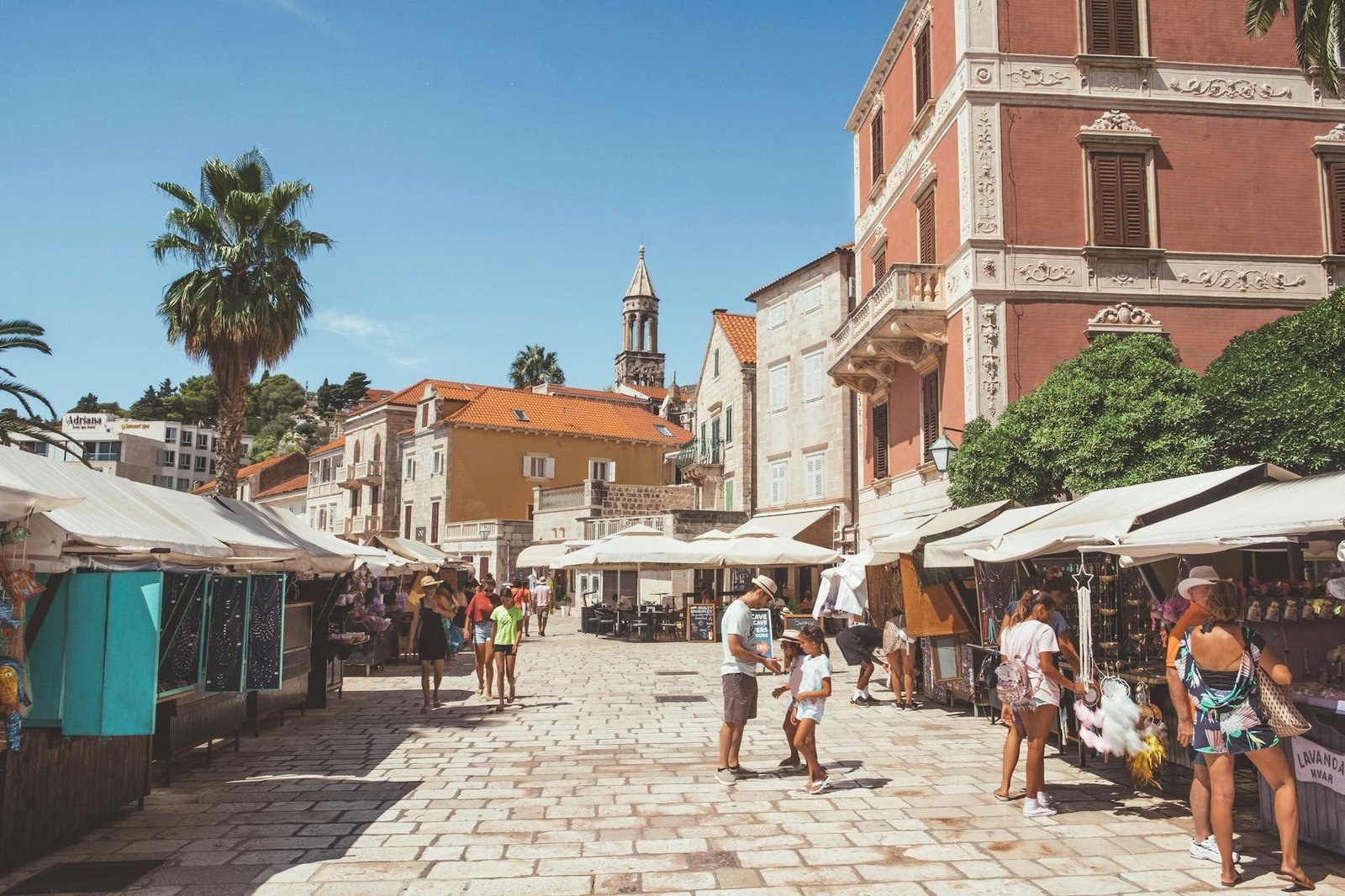
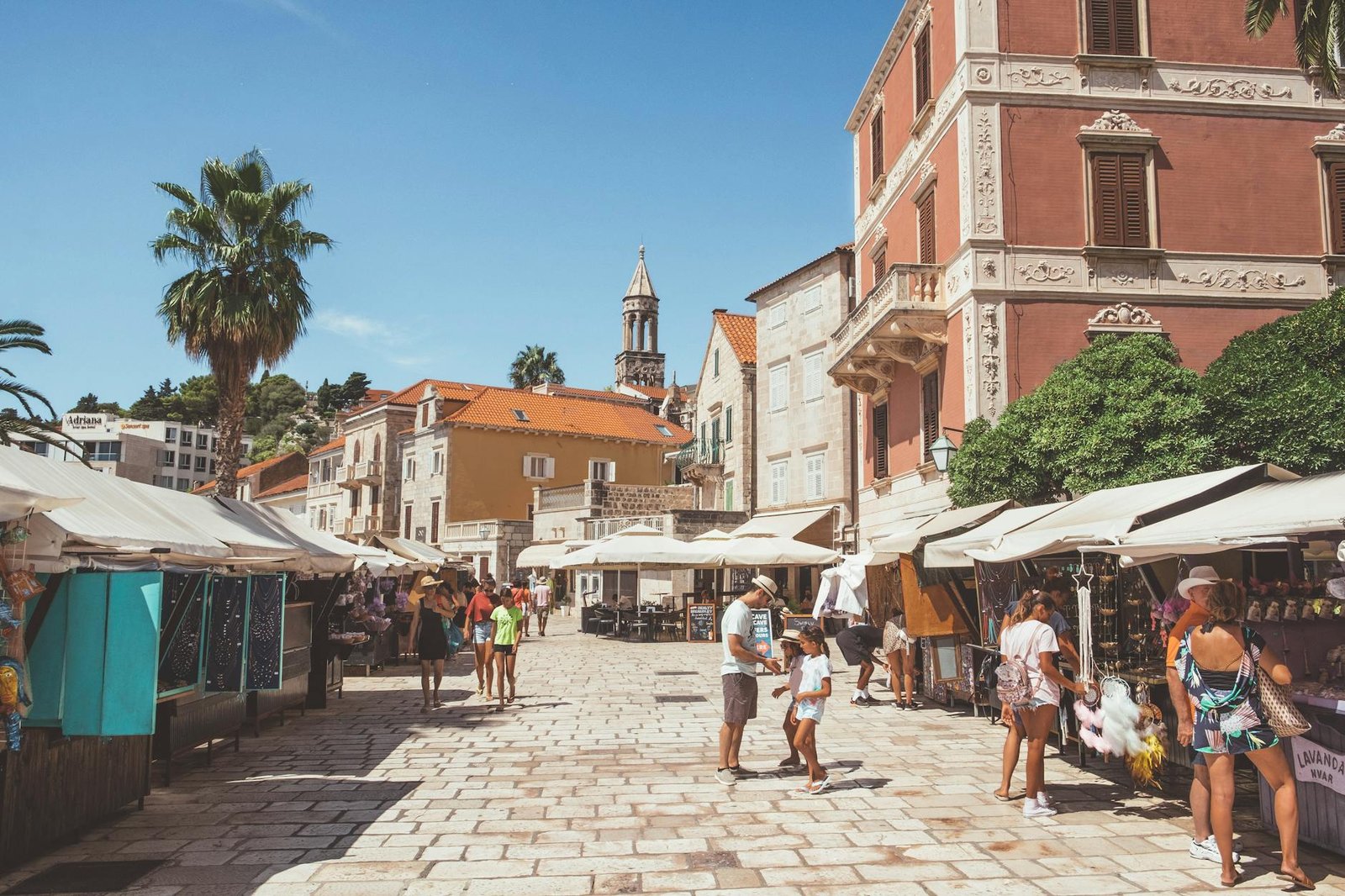
The heart of Hvar’s food scene pulses through Pjaca, the main square in Hvar Town, where you’ll find an explosion of seasonal produce, fresh fish, and local artisanal products on offer early each morning. Early morning visits reward you with the best selection of tomatoes, eggplants, peppers, and fragrant herbs picked fresh from island farms. Vendors enthusiastically share details about their products, often inviting visitors to taste local cheeses, cured meats, and freshly pressed olive oil. These encounters provide an authentic window into daily island life and offer incredible photo opportunities alongside culinary education.
Beyond the central market, the covered fish market near the harbor supplies restaurants with daily catches including red snapper, sea bass, octopus, and the prized dentex fish. Walking through these stalls, you’ll witness the morning’s catch being expertly cleaned and prepared for lunch service. Interacting with fishmongers reveals generations of knowledge about which fish are best prepared simply grilled versus those perfect for slow-cooked stews. Many restaurants maintain direct relationships with specific vendors, ensuring traceability and quality that extends beyond typical supply chains.
Traditional Hvarian Dishes You Must Try
Peka, perhaps Hvar’s most iconic dish, showcases the island’s culinary philosophy perfectly. This slow-cooked masterpiece features octopus, fish, or meat layered with potatoes, tomatoes, and aromatics, all sealed under a traditional bell-shaped cover and cooked in hot coals. The result is an incredibly tender, deeply flavored dish that emerges after hours of patient cooking. Several restaurants offer peka, but village konobas (traditional taverns) often prepare the most authentic versions using family recipes passed down through generations. The dish represents Hvar’s connection to both land and sea, combining Mediterranean vegetables with pristine seafood.
Gregada, another essential experience, is a hearty fish stew traditionally prepared with multiple varieties of white fish, potatoes, garlic, and wine, creating a complex, layered flavor profile. This dish evolved from fishermen’s kitchens, where boats would combine the day’s varied catches into one nourishing meal. Brodet, a similar but more refined fish stew, appears on upscale menus and emphasizes the individual character of each fish species used. Beyond these complex preparations, simple grilled fish with olive oil, lemon, and herbs represents the Hvarian approach to letting premium ingredients speak for themselves. Local white wines complement these seafood preparations beautifully.
Olive Oil Heritage and Island Vineyards
Hvar’s olive oil production dates back millennia, with ancient Romans praising the island’s oil for its exceptional quality. Today, family-run olive groves continue traditional cultivation methods on steep terraced hillsides, producing robust, peppery oils with distinctive grassy notes. Several mills remain operational using traditional stone-pressing techniques, and some offer tastings where you can experience the remarkable range from delicate early-harvest oils to complex late-season varieties. Using Hvarian olive oil as a condiment rather than cooking medium is the authentic approach—drizzle it over finished dishes to appreciate its nuanced flavor.
The island’s wine tradition complements its culinary scene equally well. Hvar produces exceptional white wines from the Bogdanusa grape variety, which thrive in the island’s mineral-rich soil and abundant sunshine. These crisp, minerally whites pair perfectly with seafood and light Mediterranean dishes. Several boutique wineries welcome visitors for tastings and educational experiences, explaining how the specific terroir near Jelsa village differs from vineyards near Stari Grad. Red wine production, particularly from the Plavac Mali grape, offers options for meat dishes and stronger flavored preparations.
Best Restaurants and Fine Dining Experiences
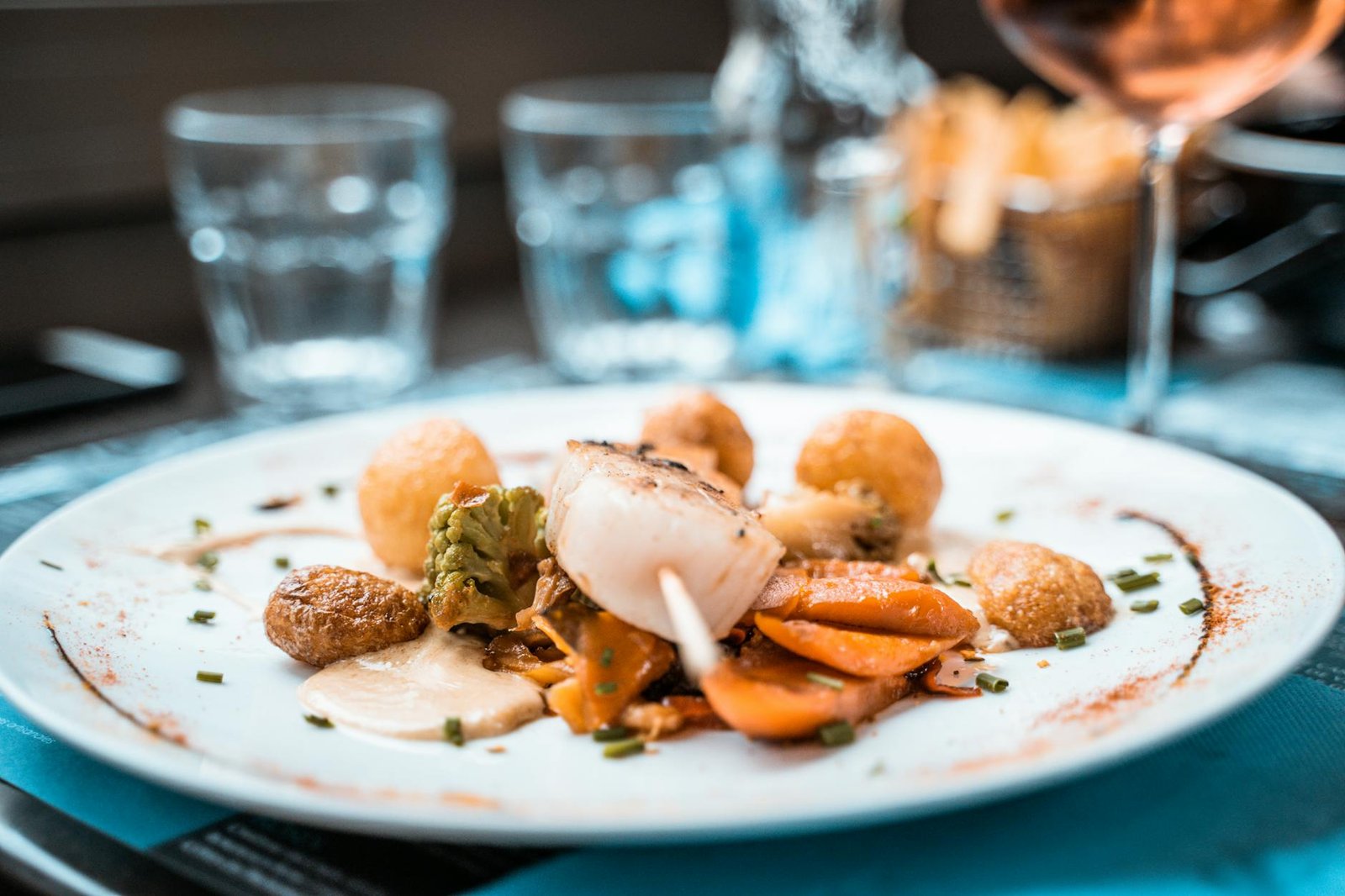
Gariful, located in Hvar Town’s historic harbor area, represents modern Mediterranean cuisine with meticulous attention to ingredient sourcing and preparation technique. Chef-driven menus change seasonally based on what local producers offer, and the wine pairings showcase the island’s viticultural excellence. The restaurant’s terrace views of the Adriatic enhance the dining experience, and reservations during summer months are essential. For a more casual yet equally excellent experience, Pjaca offers relaxed harbourfront dining with traditional dishes prepared by chefs who’ve spent careers perfecting family recipes.
In Stari Grad, the island’s oldest settlement, Mediterranean-focused restaurants serve exceptional seafood in charming stone buildings dating to Roman times. Konoba Menego, a family konoba tucked down a narrow lane in Hvar town’s old core, offers stone walls, wooden beams, Pag cheese, Drnis prsut, marinated anchovies, Forska pogaca, and red wine from the family’s own vineyard on Sveti Klement. For adventurous diners seeking the ultimate peka experience, several family-run konobas in smaller villages like Jelsa and Humac prepare the dish in the traditional manner, often requiring advance reservation. These intimate settings provide cultural immersion alongside culinary excellence.
Top Street Food and Market Finds
Pasticada, a marinated beef stew served in hearty portions, appears at street food vendors and casual restaurants throughout the island. This tangy-sweet dish, prepared with wine and plums, offers a satisfying meal for wandering explorers. Burek, the savory phyllo pastry filled with meat or cheese, and its cousin pita, provide quick, delicious handheld meals perfect for lunch while exploring historical sites. Local bakeries produce exceptional versions with crispy, golden exteriors and perfectly seasoned fillings. Fresh figs and locally-made fig jam appear at market stalls in late summer, offering sweet, concentrated Hvarian flavors in portable form.
Don’t miss fresh sardines grilled simply on beach restaurant barbecues, where fishermen’s restaurants near small coves serve catches minutes after landing. Mussels steamed with white wine and garlic, available at harbourside establishments, showcase the island’s fresh shellfish. Conversation Heart Konoba, despite its unusual English name, serves exceptional homemade pršut (cured ham) and local cheeses from a charming stone structure. These casual eating experiences often provide more genuine cultural connection than formal dining, revealing how locals actually eat when not entertaining tourists.
Best Food Tours and Guided Experiences
Viator offers comprehensive food tours combining market visits, cooking classes, and multi-course lunches at local restaurants. These tours typically include transportation, expert guides familiar with Hvar’s food history, and opportunities to meet producers and chefs directly. GetYourGuide similarly provides curated experiences, including evening food tours through Hvar Town where guides reveal family-run trattorias and introduce visitors to traditional preparations. Many tours include wine tastings at local wineries, providing educational context about Hvar’s viticultural heritage. Booking through these platforms ensures professional organization and the ability to read reviews from previous participants.
For personalized experiences, several local food bloggers and chefs offer private cooking classes where you’ll prepare traditional dishes using market ingredients, then enjoy your creations with wine pairings. These intimate experiences often include market visits where instructors share vendor relationships and negotiate pricing like locals. Cooking schools frequently teach peka preparation, often using traditional methods in outdoor settings that recreate how villagers have prepared this dish for centuries. These hands-on experiences create lasting memories and provide skills to recreate Hvarian cuisine at home.
When to Visit for Food
September and early October represent peak seasons for Hvarian cuisine, when summer crowds diminish and restaurants focus on quality over volume. August produce—tomatoes, eggplants, peppers, and figs—reaches peak flavor, while seafood remains abundant. Restaurants offer multi-course tasting menus designed by executive chefs with confidence that ingredients are at their absolute best. The island experiences Mediterranean weather perfectly suited for eating seafood on terraces, and hotels offer better availability than mid-summer months. Local festivals celebrating harvest, seafood, or wine typically occur during autumn months.
Summer months, particularly July and August, offer unquestionable advantages for beach access and nightlife, but restaurants become crowded and reservations are mandatory. Spring, especially May and June, offers excellent food experiences as local producers begin showcasing new seasons’ production. Wildflowers blanket the island, and temperatures remain warm without intense summer heat. Winter months, while quieter and potentially more authentic, see many restaurants operating on reduced schedules, though dedicated food travelers will discover intimate experiences and genuine interactions with locals. Plan your visit based on whether you prioritize ingredient availability, crowd levels, or specific regional festivals.



Book a Food Experience in Hvar
Handpicked experiences — book with free cancellation and instant confirmation.
Explore More Food Tours
More food guides from Croatia:
You might also enjoy:
- Belgrade Food Tour Guide (Serbia)
- Budva Food Tour Guide (Montenegro)
Featured in:
Frequently Asked Questions
What is the typical cost of a food tour in Hvar?
Most guided food tours in Hvar range from 60-120 EUR per person, depending on the tour length and number of tastings included. Premium tours with wine pairings or private guides can cost 150-200 EUR per person. Many tours include 5-8 food stops with generous samples of local specialties.
How long do typical food tours in Hvar last?
Standard food tours in Hvar usually last 2.5 to 4 hours, covering the old town and harbor areas with multiple tasting stops. Some evening food tours extend to 3-4 hours and often conclude with dinner at a local restaurant. Half-day culinary experiences combining cooking classes with tastings can last 4-5 hours.
What local Hvar foods should I expect to taste on a food tour?
You'll typically encounter Dalmatian specialties like gregada (a traditional fish stew), fresh seafood including squid and sea urchin, Dalmatian prosciutto, and local sheep's cheese. Hvar's famous wines such as Plavac Mali red and Bogdanuša white are standard tastings, along with olive oil, fresh figs, and ćevapčići (grilled meat). Many tours include Hvar's signature dishes like brudet (fish soup) and locally-caught lobster when in season.
Which neighborhoods are best for street food in Hvar?
The historic old town around Hvar's main square (Trg Svetog Stjepana) offers the most concentrated street food vendors selling fresh seafood and local snacks. The harbor area near the fishing boats is ideal for finding the freshest seafood stalls and casual eateries serving traditional peka-style cooking. Stari Grad, the oldest settlement on the island, features excellent local markets and family-run food stalls with authentic Dalmatian fare.
What should I do if I have dietary restrictions on a Hvar food tour?
Inform your tour operator at least 48 hours in advance about vegetarian, vegan, gluten-free, or allergy requirements, as they can arrange alternative tastings and ensure restaurants accommodate your needs. Hvar's culinary scene increasingly offers plant-based options featuring local vegetables, olive oil, and cheese, though seafood dominates the region. Most established tour companies work with multiple restaurants and can customize experiences, though smaller vendors may have fewer alternatives available.