
Rovinj Food Tour – Best Local Food & Restaurants
Rovinj, Croatia: The Ultimate Food Guide
Introduction: Discovering Rovinj’s Culinary Soul
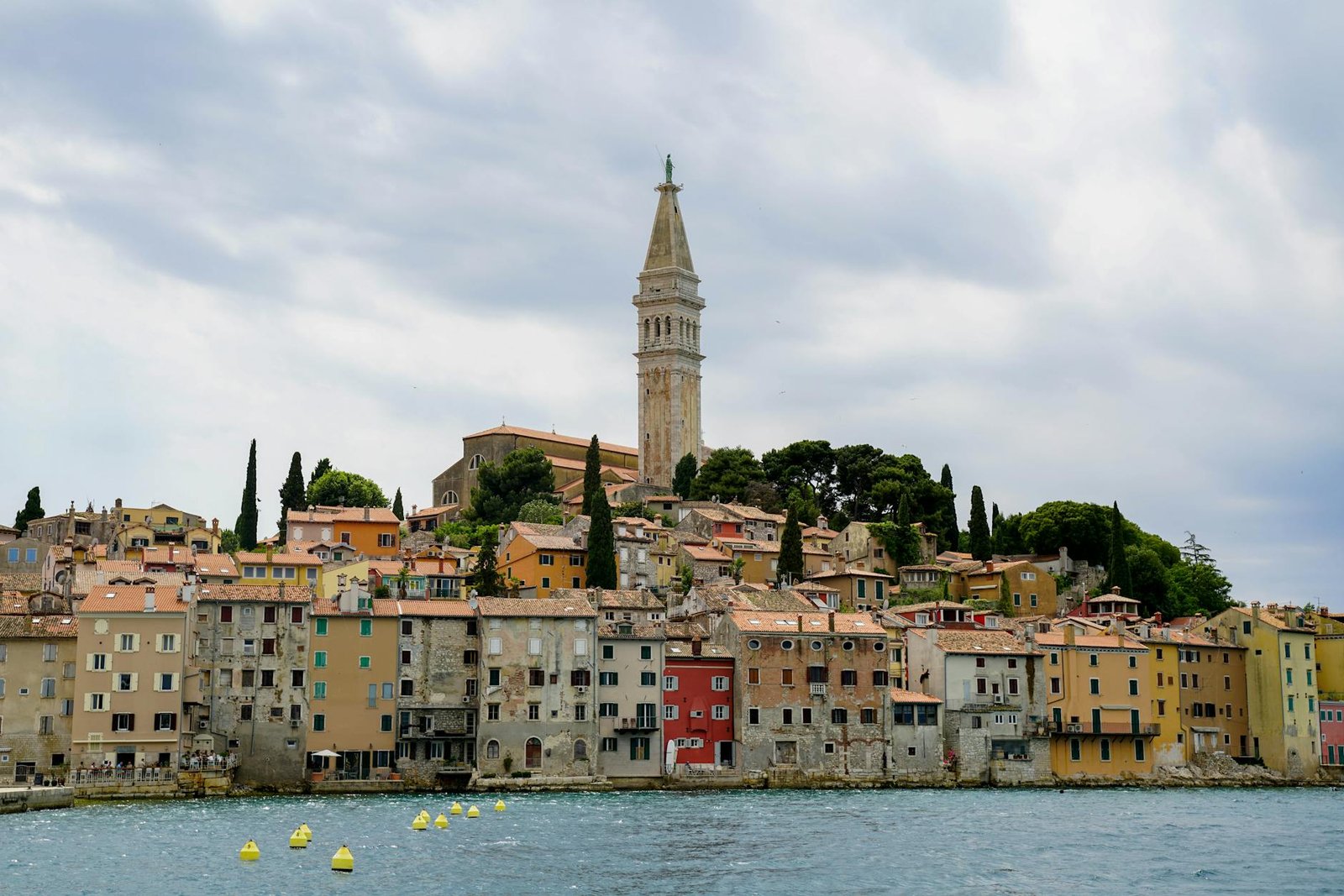
Perched dramatically on the Adriatic coast, Rovinj is a medieval fishing town that has transformed into one of Croatia’s most enchanting culinary destinations. This picturesque Istrian gem combines Venetian architecture, crystalline waters, and a food scene deeply rooted in centuries-old Mediterranean traditions. Whether you’re wandering through narrow cobblestone streets or dining waterfront with the Church of St. Euphemia as your backdrop, Rovinj’s food culture tells the story of a place where land and sea have always provided abundantly for its people.
The town’s location in Istria—often called the “Tuscany of Croatia”—means you’re entering one of Europe’s most authentic foodie regions. Here, truffle hunting is a way of life, fresh seafood arrives daily from local boats, and pasta dishes reflect centuries of Italian and Croatian influences. Rovinj is small enough to explore on foot, yet generous enough in its gastronomic offerings to keep food lovers occupied for days.
The Heart of Local Flavors: Markets and Street Food
Your food journey should begin at the Rovinj Green Market (Zelena Tržnica), located just outside the old town near the harbor. This is where locals source their daily ingredients, and it’s the perfect place to observe authentic Istrian food culture in action. You’ll find vendors selling everything from just-caught fish and octopus to locally-grown vegetables, aromatic herbs, and the region’s famous white truffles. The market is busiest in early morning hours, when fishermen unload their overnight catches and farmers display seasonal produce.
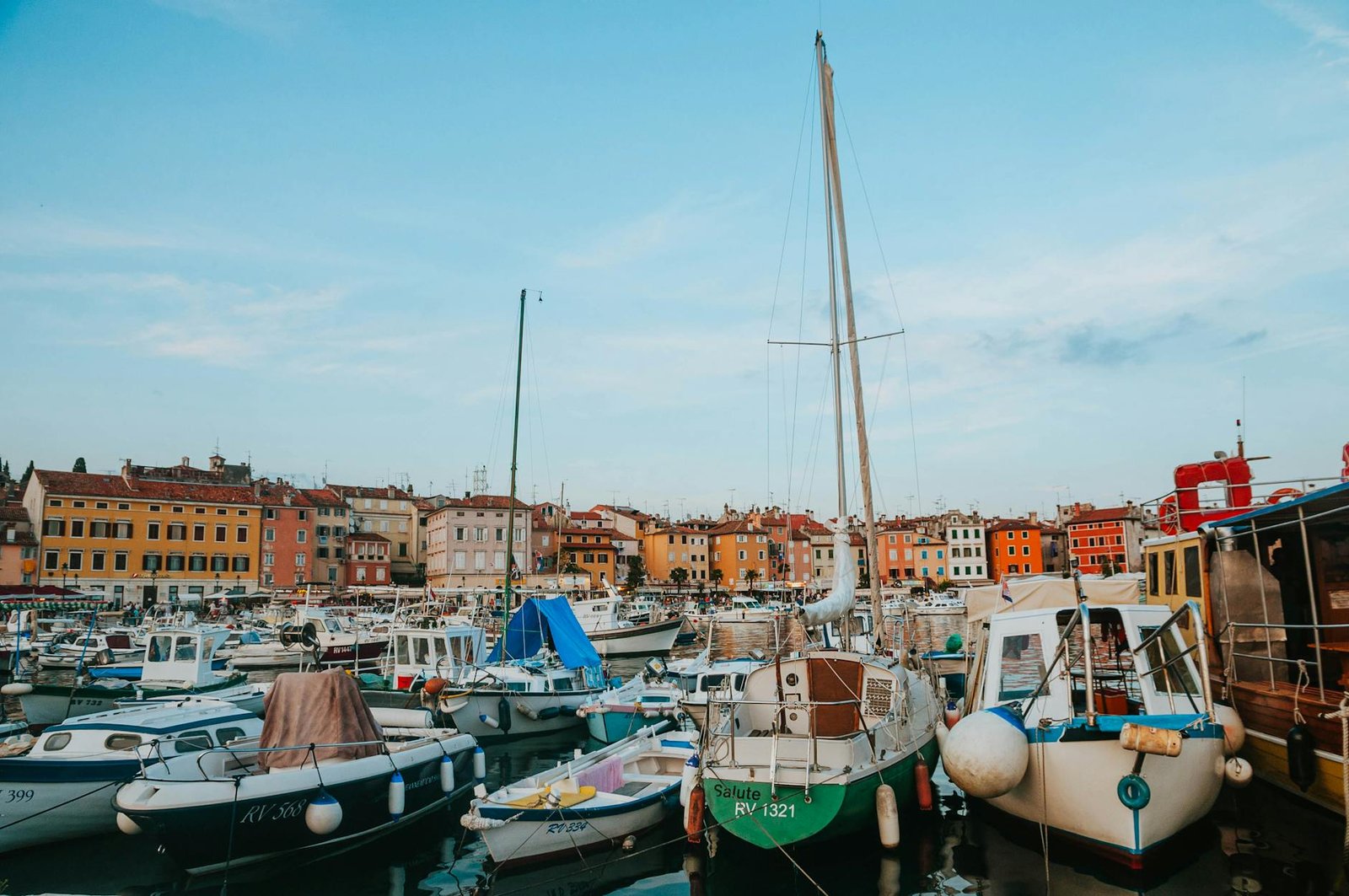
Beyond the market, the waterfront promenade and side streets of the old town offer numerous opportunities to sample street food while soaking in the atmosphere. Look for small family-run shops selling fresh burek, a savory pastry filled with meat, cheese, or spinach that locals grab for breakfast or lunch. Peka, a traditional Istrian dish slow-cooked under a bell-shaped cover, occasionally appears at street stalls during summer months, showcasing how even humble street food reflects the region’s culinary heritage.
Top Street Food and Quick Bites
Rovinj’s street food scene is dominated by fresh seafood, which makes sense for a working fishing port. Head to any of the harbor-side kiosks for grilled sardines (sardele) on fresh bread, a quintessential Adriatic experience that costs just a few euros. These small fish are caught daily and grilled over charcoal with nothing more than salt, olive oil, and lemon—a preparation that highlights their delicate flavor perfectly. During summer months, you’ll see locals and visitors alike enjoying these at sunset while watching fishing boats return home.
Another must-try street food is scampi buzara, a traditional preparation of fresh scampi (langoustines) served in a fragrant tomato and white wine reduction. Local konobas and casual waterfront spots serve this in small portions perfect for grabbing between sightseeing. Don’t miss fuži, hand-rolled Istrian pasta traditionally served with local truffles or hearty meat ragù. Several small eateries near the harbor sell fresh fuži by the portion, allowing you to taste this labor-intensive specialty without committing to a full restaurant meal.
Best Restaurants: Where to Experience Fine Dining
Konoba Jure, nestled in the old town, represents one of the highlights of Rovinj’s culinary scene. Cooking over a stone oven and surrounded by a terrace of Mediterranean plants, the kitchen creates dishes that showcase Istrian ingredients with elegant simplicity. Their fresh fish presentations change daily based on the catch, while their pasta dishes feature housemade fuži and tagliatelle with white truffles when in season. The intimate atmosphere and impeccable service make this your best bet for celebrating a special occasion.
For a more casual yet still exceptional experience, visit Konoba Rovinj in the old town, where generations of family recipes come to life in a cozy stone-walled dining room. Their signature dishes include fresh scampi prepared three ways, beautifully seared tuna, and creamy risottos made with local shellfish stock. The wine list leans heavily toward local Istrian varieties, particularly the minerally white wines like Malvazija that pair perfectly with the seafood-forward menu. For sunset dining with unforgettable views, Monte restaurant offers contemporary Mediterranean cuisine on a terrace overlooking the Adriatic, with special emphasis on their raw seafood platters and grilled catch of the day.
Istrian Specialties: What to Eat and Where
Istrian cuisine is defined by a few iconic ingredients and preparations you absolutely must experience while in Rovinj. White truffles (tartufi bianchi) are the region’s most prized ingredient, appearing in pasta dishes, risottos, and even shaved over eggs from September through January. Visit any of the local restaurants during truffle season and you’ll understand why these earthy fungi command premium prices. Beyond truffles, prosciutto san daniele and local cheeses like Istrian pecorino appear on every quality restaurant’s menu, often served as traditional starters alongside fresh olives and good bread.
Brodetto, a traditional Istrian fish stew, appears on virtually every menu and is worth ordering multiple times to experience different preparations. This humble peasant dish combines whatever fish the day’s catch provided with tomato, white wine, and local herbs, served traditionally with polenta or crusty bread. Another essential dish is njoki (gnocchi) topped with either truffle, meat ragù, or local shellfish. The preparation and quality vary significantly between restaurants, making it a good indicator of a kitchen’s technical skill and ingredient sourcing standards.
When to Visit for Food: Seasonal Considerations
Rovinj’s food scene is inherently seasonal, with each time of year offering distinct culinary highlights. Summer months (June through August) bring peak seafood season with abundant scampi, fish, and other shellfish at their freshest, though the town becomes quite crowded. Spring (April-May) and fall (September-October) offer the perfect balance of pleasant weather, manageable tourist crowds, and excellent food—spring highlights include fresh vegetables and lighter preparations, while fall brings white truffles and game preparations.
If you’re a truffle enthusiast, plan your visit between September and January when white truffles are actively harvested and featured on menus throughout town. Winter months are quieter and offer excellent value, with restaurants focusing on hearty, warming preparations and preserved seafood. Keep in mind that some seasonal restaurants and food tours operate only during warmer months, so plan accordingly if specific dining experiences are on your must-do list.
Best Food Tours: Guided Culinary Experiences
For visitors who prefer structured culinary exploration, several excellent food tour operators serve Rovinj. Viator offers “Rovinj Food and Wine Tour” experiences that typically include market visits, multiple restaurant tastings, and wine education from local sommeliers. These tours usually run four to six hours and provide valuable context about Istrian food culture while ensuring you don’t miss important specialties or hidden gems. GetYourGuide similarly offers walking food tours that combine sightseeing with culinary stops, allowing you to experience the town’s architecture and history alongside its gastronomy.
These organized tours are particularly valuable for understanding the “why” behind Istrian cuisine—the historical influences, ingredient sourcing practices, and traditional cooking methods that make the food here distinct from other Mediterranean regions. Many include wine tastings featuring local Malvazija or Teran varieties, providing education on regional wines that pair beautifully with the food. Tours typically cost between 60-100 euros per person and can be booked directly through the tour operator websites.
Wine and Beverage Culture
Istrian wine culture is essential to understanding the full food experience in Rovinj. The region produces exceptional white wines, particularly Malvazija, a crisp, mineral-driven wine with citrus notes that pairs perfectly with seafood. Many restaurants feature local winemakers’ selections, and visiting a wine bar to taste several Istrian vintages is a worthwhile experience. Teran, a local red wine with bold tannins, pairs beautifully with heartier meat dishes and game preparations.
Beyond wine, don’t overlook rakija, the local spirit often served as digestivo after meals, or Istrian craft beers that have emerged in recent years. Coffee culture is strong here too, with espresso served as a morning ritual and afternoon pick-me-up, often accompanied by local pastries or cookies. The tap water in Rovinj is excellent, and you’ll find many restaurants serving still or sparkling water as their standard offering.



Book a Food Experience in Rovinj
Handpicked experiences — book with free cancellation and instant confirmation.
Explore More Food Tours
More food guides from Croatia:
You might also enjoy:
- Sarajevo Food Tour Guide (Bosnia and Herzegovina)
- Belgrade Food Tour Guide (Serbia)
Frequently Asked Questions
What is the typical cost of a food tour in Rovinj?
Food tours in Rovinj typically range from €45 to €120 per person, depending on the tour length and number of tastings included. Premium tours with wine pairings and visits to local wineries can cost €150-€200, while basic street food tours are usually around €40-€60 per person.
How long does a typical food tour in Rovinj last?
Most food tours in Rovinj last between 2.5 to 4 hours, allowing time to visit multiple locations and enjoy tastings without overwhelming participants. Some specialized tours, particularly those combining food with wine or focusing on cooking classes, can extend to 5-6 hours.
What local Rovinj food should I expect to taste on a food tour?
You can expect to taste Istrian specialties such as truffle-based dishes, fresh seafood pasta (particularly with local mussels and clams), creamy Istrian risotto, and cured meats like prosciutto and salami. Typical desserts include chocolate and hazelnut treats reflecting the region's Austro-Hungarian heritage, along with local olive oil tastings that Istria is famous for.
Which neighborhoods in Rovinj are best for street food exploration?
The historic Old Town (Stari Grad) around Grisia Street offers the best street food experience with local vendors selling fresh seafood, grilled fish, and pastries. The waterfront area near the harbor is excellent for casual fish restaurants and konobas serving authentic Istrian cuisine at reasonable prices.
How can I handle dietary restrictions on a Rovinj food tour?
Inform the tour operator about your dietary restrictions (vegetarian, vegan, gluten-free, allergies) at least 48 hours in advance so they can arrange alternative tastings. Rovinj's food scene increasingly accommodates dietary needs, though seafood-heavy offerings make vegetarian options somewhat limited—book specialized vegetarian or vegan tours if available.