Tartu Food Guide – Where to Eat Like a Local
Tartu, Estonia: The Ultimate Food Guide
Introduction to Tartu’s Culinary Scene
Tartu, Estonia’s charming second-largest city, has quietly emerged as one of Northern Europe’s most exciting food destinations. Located in the southeast along the Emajõgi River, this intellectual and cultural hub has transformed its culinary landscape in recent years, blending traditional Estonian comfort food with innovative Nordic cuisine. The city’s university heritage has attracted creative chefs and food entrepreneurs who are reimagining centuries-old recipes while honoring local traditions. Whether you’re wandering the cobblestone streets of the Old Town or exploring the bustling Tartu market, you’ll discover a food culture that reflects Estonia’s unique position between Eastern European and Scandinavian influences.
What makes Tartu’s food scene truly special is its emphasis on locality and seasonality. The surrounding Tartu County provides abundant fresh produce, wild mushrooms, berries, and game that appear on restaurant menus throughout the year. Farm-to-table dining isn’t just a trend here—it’s a way of life that reflects centuries of Estonian agricultural tradition. The city’s relatively modest size means you’re never far from genuine, unpretentious dining experiences where quality ingredients are treated with respect and local recipes are served with pride.
Must-Try Traditional Estonian Dishes
Estonian cuisine is hearty, unpretentious, and deeply rooted in the country’s agricultural heritage and long, cold winters. Leib, the dark rye bread that appears on virtually every table, is foundational to Estonian food culture. This dense, slightly sweet bread has been baked for centuries and pairs perfectly with almost any meal. Equally iconic is sokolatöörtö, or Estonian black bread cake—a beloved dessert made with crushed dark rye bread, chocolate, whipped cream, and sometimes a hint of rum. You’ll find this dessert in virtually every café and bakery throughout Tartu.
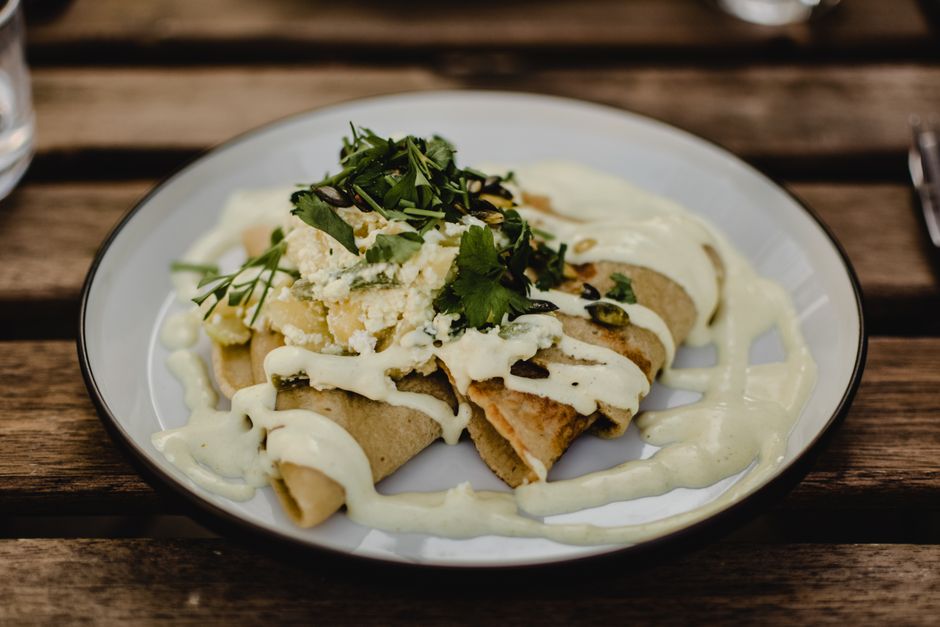
When ordering traditional mains, look for kohv, which refers to any hearty stew or braised meat dish, often made with beef, pork, or wild game. Silgusoust, or herring soup, appears on winter menus and showcases the importance of preserved fish in Estonian cooking. Perhaps the most quintessentially Tartu experience is trying pirukad—small pastries filled with meat, cabbage, or mushrooms—available at bakeries and market stalls. Don’t miss kapsarullid (cabbage rolls filled with minced meat and rice) or the simple pleasure of fresh smoked fish served with black bread and butter from local markets.
Tartu Market: The Heart of Local Food Culture
Tartu’s market scene is where you’ll find the authentic pulse of the city’s food culture. The renovated Tartu Market Hall (Tartu Kaubahall), located in the city center near Raekoja plats (Town Hall Square), has become the social and culinary epicenter. This modern market space honors traditional market culture while providing contemporary shopping and dining facilities. Here you’ll find vendors selling seasonal vegetables, local honey, artisanal cheeses, cured meats, and fresh fish. The upstairs food court offers various prepared foods and restaurants where locals grab lunch, making it perfect for observing how Tartu residents actually eat.
Beyond the main market hall, explore the surrounding streets where smaller produce vendors and specialized shops offer everything from wild mushrooms and berries to fresh herbs and game meats. The market atmosphere really comes alive during fall and early winter when fresh mushrooms and berries from the surrounding forests become available. Tartu’s residents take mushroom foraging seriously, and you’ll see locals proudly displaying their finds alongside cultivated varieties. This is the best place to understand seasonal eating in Estonia and to stock up on authentic ingredients if you’re cooking locally.
Best Restaurants in Tartu
Tartu’s restaurant scene punches well above its weight, with several establishments gaining regional recognition for creative takes on Estonian cuisine. Restoran Spargel has become one of the city’s most talked-about dining destinations, offering fine dining experiences that showcase local ingredients with sophisticated technique. The restaurant’s menus often feature carefully sourced seasonal produce. For a more casual but equally impressive experience, Chez Andre in the Old Town offers contemporary cuisine in a charming historic setting, with an excellent selection of local craft beers and natural wines.

Püssirohukelder serves inventive dishes rooted in Estonian and German cooking, with its own beer and a dramatic setting in a gunpowder cellar built in 1767 at the foot of Toomemägi. The restaurant’s landmark atmosphere has made it a favorite among both locals and visiting food enthusiasts. Antonius in the city center provides reliable, well-executed Estonian food in a relaxed atmosphere, making it perfect for lunch or casual dinner. Each of these establishments represents different points on Tartu’s culinary spectrum, from fine dining to casual traditional fare.
Top Street Food and Quick Bites
Tartu’s street food culture reflects the city’s pedestrian-friendly character and university population constantly on the move. Pirukad stands are scattered throughout the Old Town and near the market, serving hot, freshly-made pastries filled with meat, mushrooms, or potatoes. These hand-held pies are the ultimate Estonian street food and incredibly affordable—perfect for eating while exploring the city’s medieval streets. During summer months, you’ll find small kiosks selling grilled sausages and fresh local vegetables, often prepared right in front of you. The local sausages, traditionally smoked and flavorful, are a quick protein-packed snack that fuels many Tartu residents.
Don’t overlook the café culture that thrives throughout the city. Small cafés and coffee shops serve fresh pastries, sandwiches on dark rye bread, and local soups at lunch time. Kohvik (café) culture is deeply embedded in Estonian tradition, and Tartu has excellent options ranging from cozy vintage spaces to modern minimalist cafés. Many offer daily lunch specials featuring seasonal Estonian dishes at remarkably reasonable prices. For sweet treats, visit any local bakery for fresh cinnamon rolls, Estonian cheese pastries (kohupiimas), or the aforementioned rye bread cake that locals can’t resist.
Best Food Experiences in Tartu
There are no bookable food tours in Tartu on Viator or GetYourGuide right now — and honestly, that is not the disaster it sounds like. The city is small enough that you can do a decent job exploring it yourself. The Old Town walking tour (tip-based, available on Viator) covers the historic core and gives you a solid orientation, after which finding good food is a matter of wandering a few blocks. Tartu Market Hall is worth an hour of your time for local produce, cheeses, and the kind of smoked fish that locals actually buy rather than perform for tourists. The Urban Bike Tour is another practical option if you want to cover more ground and ask a local guide questions along the way.
Beyond commercial tours, many restaurants offer cooking classes where you can learn to prepare traditional Estonian dishes like pirukad or kapsarullid from experienced cooks. These intimate experiences often include market visits to source ingredients and provide valuable context about Estonian culinary traditions. For the most authentic experience, consider visiting during festivals like the Tartu Food Festival (typically held in autumn), which celebrates local producers, features cooking demonstrations, and offers opportunities to taste foods from vendors throughout the region.

When to Visit Tartu for Food
Autumn, particularly September through October, represents peak culinary season in Tartu. During these months, wild mushrooms and berries from surrounding forests are at their finest, featuring prominently on restaurant menus and market stalls. The harvest season brings an abundance of seasonal vegetables, and temperatures are cool enough for hearty traditional dishes. Local restaurants celebrate autumn ingredients with special menu items, and you’ll experience the food culture at its most vibrant and ingredient-focused. The Tartu Food Festival, typically held in September, perfectly captures this seasonal peak and draws food enthusiasts from across the region.
Winter, while cold, brings traditional comfort food culture and festive holiday specialties. Christmas markets and seasonal celebrations showcase Estonian holiday food traditions, from decorated gingerbread to mulled wine. Spring and early summer offer lighter fare with fresh vegetables and the first berries, though availability is more limited. While summer is pleasant for general travel, menus tend to go lighter and some traditional spots close for renovations. Autumn is probably the best time to eat well in Tartu — game, mushrooms, and root vegetables show up on menus and at market stalls in ways they simply do not at other times of year.
Practical Tips for Eating Well in Tartu
Tartu is an exceptionally walkable city, and most restaurants, markets, and food shops are concentrated in the Old Town and surrounding neighborhoods. The city’s compact size means you can easily explore multiple food venues in a single day without exhaustion. Prices are considerably lower than Western European cities, making Tartu an excellent destination for experiencing quality food without the premium price tags. Most establishments accept both cash and cards, though some traditional vendors still prefer cash. English is widely spoken among restaurant staff and younger shopkeepers, though learning a few Estonian food-related words will enhance your interactions with market vendors and traditional eateries.
Make reservations for dinner at more popular restaurants, especially during autumn and weekends. Lunch hours typically run from 11am to 2pm and offer excellent value, with many restaurants serving traditional daily specials at significantly lower prices than evening meals. Don’t be shy about asking vendors and restaurant staff for recommendations—Estonians are genuinely enthusiastic about sharing their food culture with interested visitors. Finally, bring comfortable walking shoes, as exploring Tartu’s food scene means wandering medieval streets, browsing markets, and discovering unexpected food shops tucked into historic buildings throughout the Old Town.


Book an Experience in Tartu
Handpicked experiences — book with free cancellation and instant confirmation.
Explore More Food Tours
More food guides from Estonia:
You might also enjoy:
- Liepaja Food Tour Guide (Latvia)
- Riga Food Tour Guide (Latvia)
- Vilnius Food Tour Guide (Lithuania)
- Kaunas Food Tour Guide (Lithuania)
- Tampere Food Tour Guide (Finland)
Frequently Asked Questions
Are there food tours in Tartu?
No. There are currently no bookable food tours in Tartu on Viator or GetYourGuide. If you want a guided experience, the tip-based Old Town walking tour or the Urban Bike Tour are both genuinely available and give you a decent local perspective — you just have to sort your own eating around them.
How much should I budget for eating well in Tartu?
Tartu is cheaper than Tallinn. A solid sit-down meal with a drink at a decent local restaurant will run you €12 to €20. Street food and market snacks cost a few euros. Budget €25 to €40 a day for food if you want to eat properly without overthinking it.
What local dishes should I try in Tartu?
Dark rye bread (leib) is non-negotiable — it is nothing like the stuff sold in Western supermarkets. Try blood sausage if you are feeling adventurous, smoked fish from the market, and mulgipuder, a barley and potato porridge that sounds dull but is genuinely warming in the colder months. Most traditional restaurants in the Old Town carry these.
What is the best area for street food and markets in Tartu?
The central market hall is your best bet for local produce, smoked meats, and dairy. The Old Town has a handful of street food options, particularly around Town Hall Square. It is all walkable — Tartu is not a big city, so nothing is far from anything else.
Can people with dietary restrictions eat well in Tartu?
Vegetarians will find options, though traditional Estonian food is fairly meat-heavy. Vegan choices exist but require a bit more searching — look for cafes near the university, which tend to cater to a younger crowd with more varied diets. Gluten-free is trickier given how central rye bread is to the cuisine, but most restaurants are used to the question and will help you navigate the menu.