
Catania Food Tour – Best Local Food & Restaurants
Catania, Italy: The Ultimate Food Guide
A Culinary Capital in Sicily’s Shadow
Catania, Sicily’s second-largest city, remains one of Italy’s most underrated food destinations. Perched on the eastern coast beneath the looming Mount Etna, this baroque jewel offers a culinary experience that rivals any major Italian food hub. Unlike its more famous cousin Palermo, Catania has maintained an authenticity that makes wandering its markets and trattorias feel like a genuine local experience rather than a tourist performance. The city’s food culture reflects centuries of Arabic, Norman, and Spanish influences, creating a unique Sicilian identity that celebrates bold flavors, fresh seafood, and time-honored recipes passed down through generations.
The volcanic soil surrounding Mount Etna produces some of Italy’s finest ingredients—from pistachios and lemons to wine and honey. Catania’s strategic port position means the freshest fish and seafood arrive daily at local markets. Here, grandmothers still cook recipes their mothers taught them, and street food vendors practice their craft with the pride of artisans. This is a city where food isn’t just sustenance; it’s culture, history, and identity wrapped into every plate.
The Heart of Local Flavor: Via Pardo Market
The Vucciria Market, or more formally known as the Via Pardo area, pulses with the energy that defines Catanese food culture. This sprawling open-air market bursts with color, sound, and aroma from early morning until early afternoon. Vendors call out their wares—fresh swordfish, sea urchins, mountain greens, and produce at prices that seem impossible. The market reflects Catania’s working-class soul, a place where locals still do their daily shopping rather than visiting supermarkets. Walking through the narrow passages, you’ll encounter everything from hanging octopuses to mountains of lemons, from fresh anchovies glistening in the sun to baskets overflowing with verdant caponata vegetables.
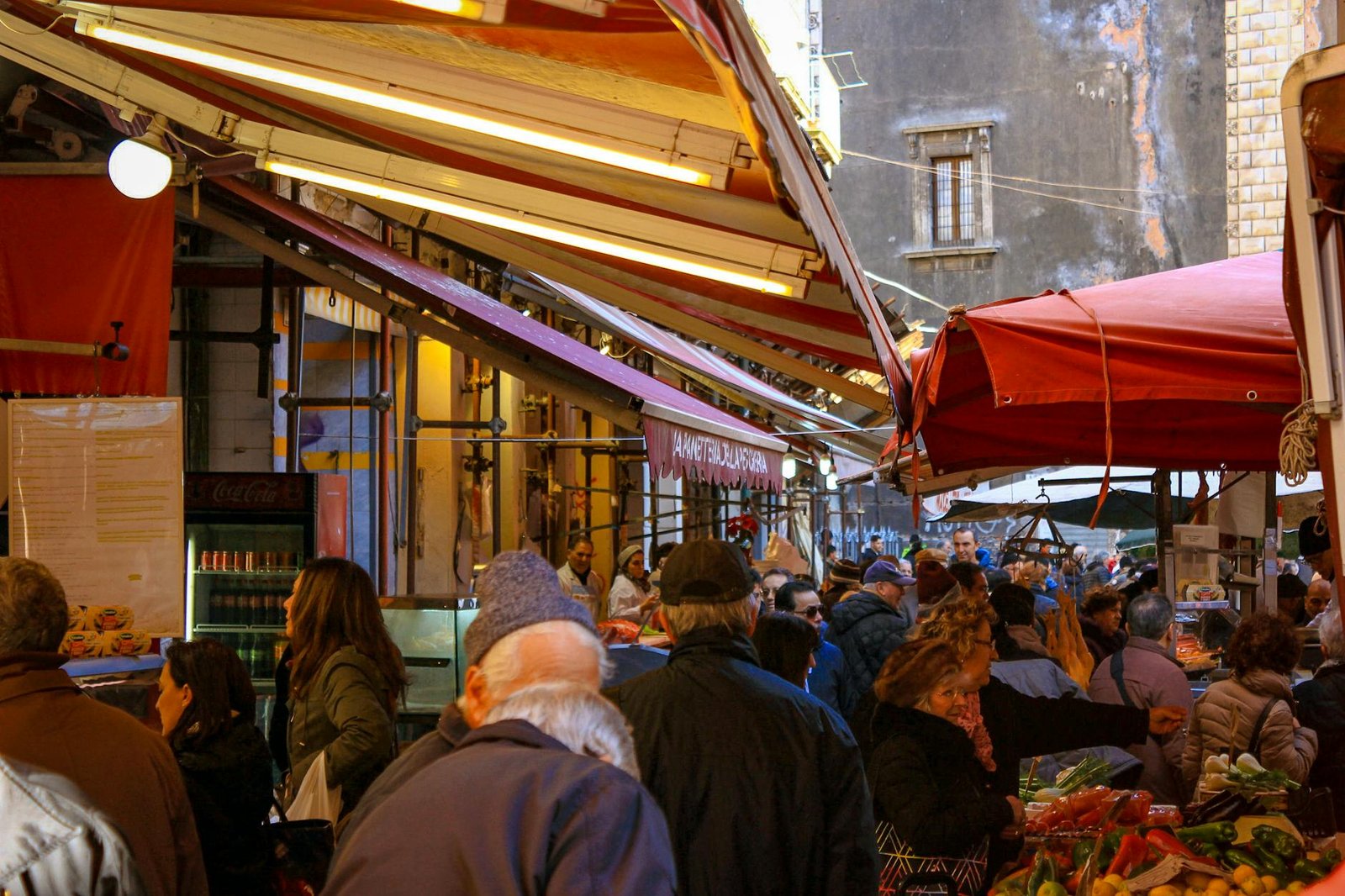
The real magic happens when you stop at one of the small food stalls tucked within the market itself. These vendors sell arancini (rice balls), panelle (chickpea fritters), and fresh pasta by the piece. Arrive hungry and with an open mind, because the best discoveries come from asking vendors what’s freshest that day. Many stalls offer sample tastes, and the friendly competition between vendors means quality remains consistently exceptional. The market is best visited between 8 AM and 1 PM, when the selection is fullest and the atmosphere most vibrant.
Top Street Food You Must Try
Catania’s street food scene deserves its own category, distinct from restaurant dining. Arancini—golden, deep-fried balls of rice filled with ragù, peas, and mozzarella—are available on nearly every corner, but the best versions come from historic vendors in the market or family-run kiosks in the side streets. Panelle, a Catanese specialty made from chickpea flour fried until crispy, are typically served between soft bread as a light snack. Crocchè (potato croquettes) and sfincione (Sicilian pizza with tomato sauce, onions, and breadcrumbs) are equally essential street food experiences.
Pasta con le sardine, while traditionally a sit-down dish, is often sold as street food at specialized vendors. This iconic Sicilian pasta features fresh sardines, wild fennel, saffron, and pine nuts—a combination that sounds unusual but tastes absolutely sublime. Caponata, the sweet-and-sour eggplant dish, appears in endless variations, and granita con brioche (Italian ice cream-like frozen dessert served with a soft, buttered roll) is the traditional Sicilian breakfast. Evening street food centers around arancini and panelle as aperitivo snacks, often paired with a beer or local wine at standing-room-only bars.
Best Restaurants: Where Locals Eat
For a genuine Catanese dining experience, head to Trattoria da Nino in the heart of the historic center. This family-run establishment serves traditional Sicilian cuisine in a warm, unpretentious setting. Their pasta con le sardine is executed with precision, and their fresh fish selections reflect daily market acquisitions. The wine list features excellent local volcanic wines that pair beautifully with seafood. Service is attentive without being formal, and prices remain reasonable for the quality offered. Reservations are essential, particularly for dinner.
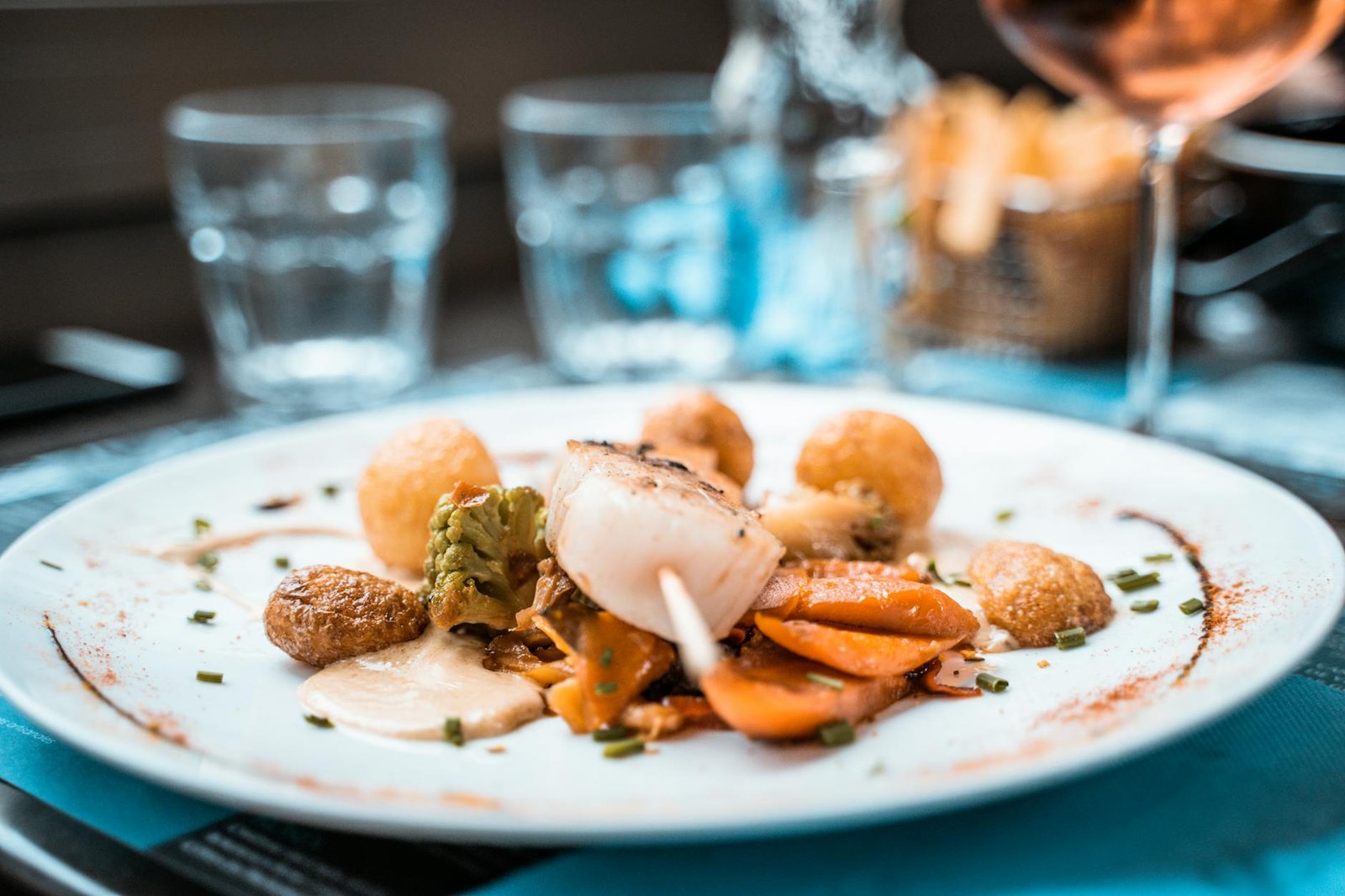
Near the cathedral, Chef Vincenzo creates modern interpretations of classic Sicilian dishes, respecting tradition while introducing subtle innovations—their seafood risotto is velvety perfection, and the tasting menu showcases why Catania deserves greater culinary recognition. For something more casual, Pasticceria Savia offers exceptional granita, arancini, and pastries, functioning as both breakfast spot and afternoon snack destination. Their cannoli are filled to order, and their cassata (ricotta and marzipan cake) represents Sicilian dessert at its finest.
When to Visit for Food
Spring (April-May) and fall (September-October) offer ideal conditions for food exploration. The weather is pleasant for market wandering without the summer heat, and seasonal ingredients are at their peak. Spring brings wild fennel, fresh sardines, and artichokes, while fall features eggplants for caponata, grapes for local wines, and fresh seafood as fishing season ramps up. Winter provides excellent swordfish and sea urchin, the ingredients for many Catanese specialties. Summer crowds can make market exploration exhausting, though the Mediterranean produce is spectacular.
Food festivals provide focused opportunities to experience Catania’s culinary culture. The Festa di Sant’Agata in early February celebrates the city’s patron saint with traditional foods and street stalls. The Giarre Food Festival in nearby towns features local producers and prepared dishes. Year-round, visiting during any weekday morning ensures you’ll experience the markets as locals do, without the weekend tourist influx.
Local Wine and Wine Bars
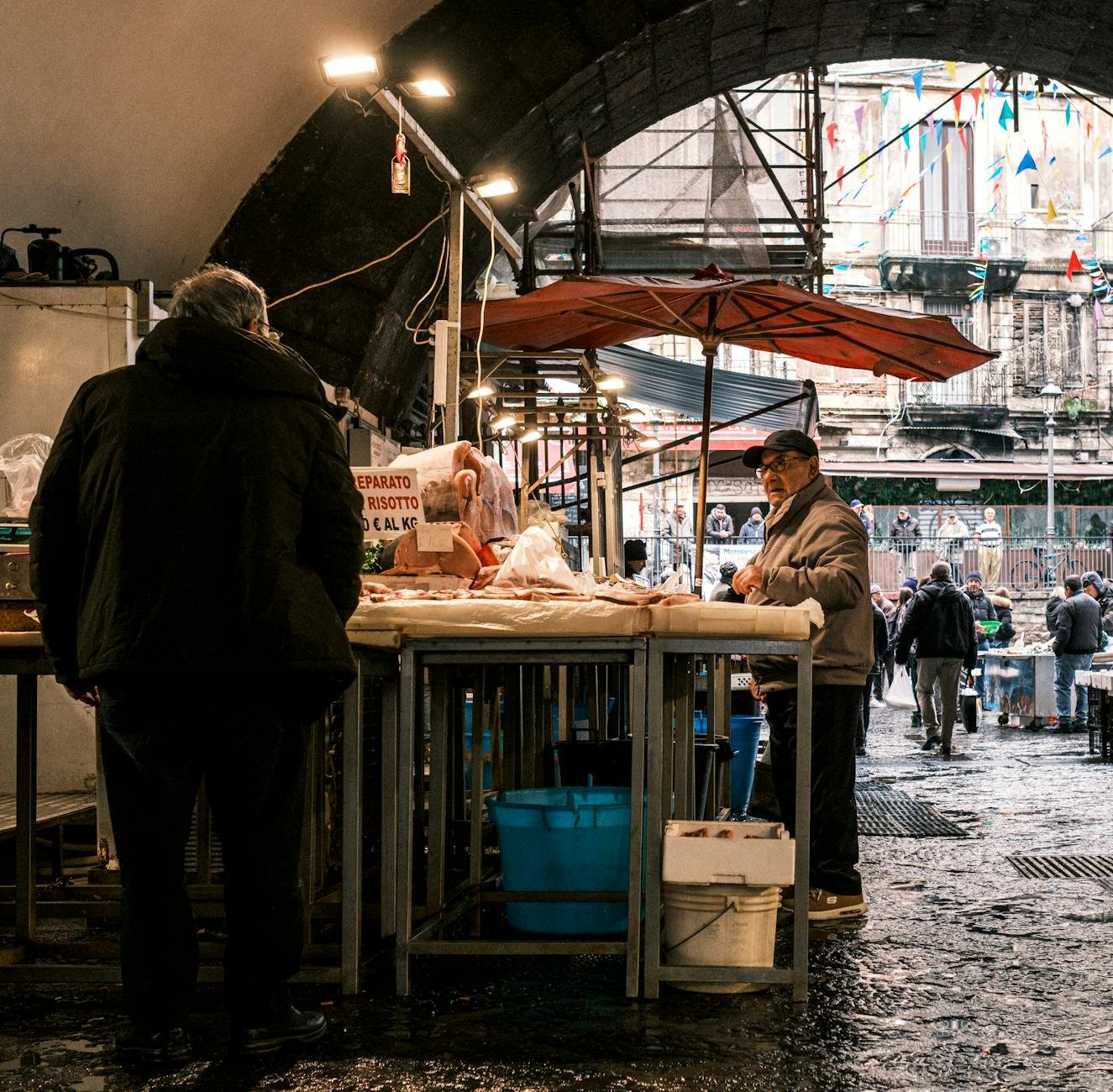
Mount Etna’s volcanic terroir produces exceptional wines that deserve exploration. Nerello Mascalese, a delicate red wine, pairs beautifully with Catanese seafood dishes. White wines like Carricante offer crisp acidity perfect for octopus and swordfish. The place to experience this is La Pescheria, the fish market that fills the streets behind Piazza del Duomo every working morning — swordfish, prawns, clams, sea urchins — with restaurants inside cooking the day’s catch at night. Many wines come directly from small producers on Etna’s slopes, offering genuine terroir expression at reasonable prices.
Wine bars function differently in Catania than in northern Italy. They’re social gathering spaces where locals stop for a glass and conversation, often standing at the counter rather than sitting at tables. This informal atmosphere provides authentic insight into daily Catanese life. Try ordering a glass of Nerello and asking the bartender for their recommendation—honest guidance from people passionate about their regional wines is guaranteed.
Best Food Tours
Viator offers several excellent Catania food tours, including market-focused experiences that guide you through the Vucciria Market with a local expert who introduces you to vendors and explains Catanese culinary traditions. GetYourGuide provides street food walking tours that combine market exploration with tastings at multiple stops, covering everything from arancini to granita. Both platforms offer tours with skilled guides who speak English fluently and possess genuine passion for sharing their city’s food culture.
For more personalized experiences, consider hiring a private food guide through either platform. Half-day tours typically cost between €50-80 per person and include 4-6 tastings. Full-day experiences provide deeper immersion, often ending with a cooking class where you prepare traditional pasta from scratch. Reviews consistently praise guides who take time to explain historical context and introduce you to family-owned vendors rather than rushing through tourist checkpoints.
Bringing It All Together: Your Catania Food Adventure
Catania rewards the curious, adventurous eater. Plan to spend mornings exploring markets, afternoons resting in your accommodation or enjoying a leisurely lunch, and evenings dining at neighborhood trattorias. Talk to locals, ask for recommendations, and don’t shy away from unfamiliar ingredients. Walk narrow streets, discover unmarked food stalls, and embrace the improvisational nature of Sicilian cuisine. This approach transforms a food tour into genuine cultural immersion, creating memories far richer than any guidebook can promise.



Book a Food Experience in Catania
Handpicked experiences — book with free cancellation and instant confirmation.
Explore More Food Tours
More food guides from Italy:
You might also enjoy:
- Mykonos Food Tour Guide (Greece)
- Santorini Food Tour Guide (Greece)
Featured in:
Frequently Asked Questions
What is the typical cost of a food tour in Catania?
Most organized food tours in Catania range from €40 to €80 per person, depending on the tour length and inclusions. Premium tours that include wine tastings or visits to local markets may cost €100-€150, while street food walking tours are typically on the lower end at €35-€50.
How long do food tours typically last in Catania?
Standard food tours in Catania usually last between 2.5 to 4 hours, allowing time to visit multiple stops and enjoy tastings without rushing. Some full-day gastronomic experiences can extend to 6-8 hours and may include visits to nearby fishing villages or wine regions.
What local foods should I expect to try on a Catania food tour?
You'll encounter Sicilian specialties like arancini (fried rice balls), panelle (chickpea fritters), pasta alla Norma with eggplant and tomato sauce, fresh seafood pasta, and granita with brioche for breakfast. Expect to also taste caponata, sardines in sweet and sour sauce, and cannoli or granita as desserts.
Which neighborhoods in Catania are best for street food experiences?
Via Etnea and the historic center around Piazza Duomo are excellent for street food, but the Vucciria market district and Borgo area are considered the heart of Catania's street food culture. The fish market along the harbor and Via Pardo near Piazza Bellini also offer authentic local snacks and fresh seafood preparations.
How can I handle dietary restrictions on a Catania food tour?
Inform your tour operator about dietary restrictions at least 48 hours in advance, as most tours can accommodate vegetarian, vegan, or gluten-free requirements. Catania's seafood-heavy cuisine makes vegetarian options more challenging, but local guides can suggest alternatives like arancini ai funghi (mushroom-filled) or pasta with local vegetables.