ℹ️Disclosure: This page contains affiliate links. If you book a tour through our links, we may earn a small commission at no extra cost to you. We only recommend tours we’d take ourselves.
Mykonos Food Guide: A Culinary Journey Through the Jewel of the Cyclades
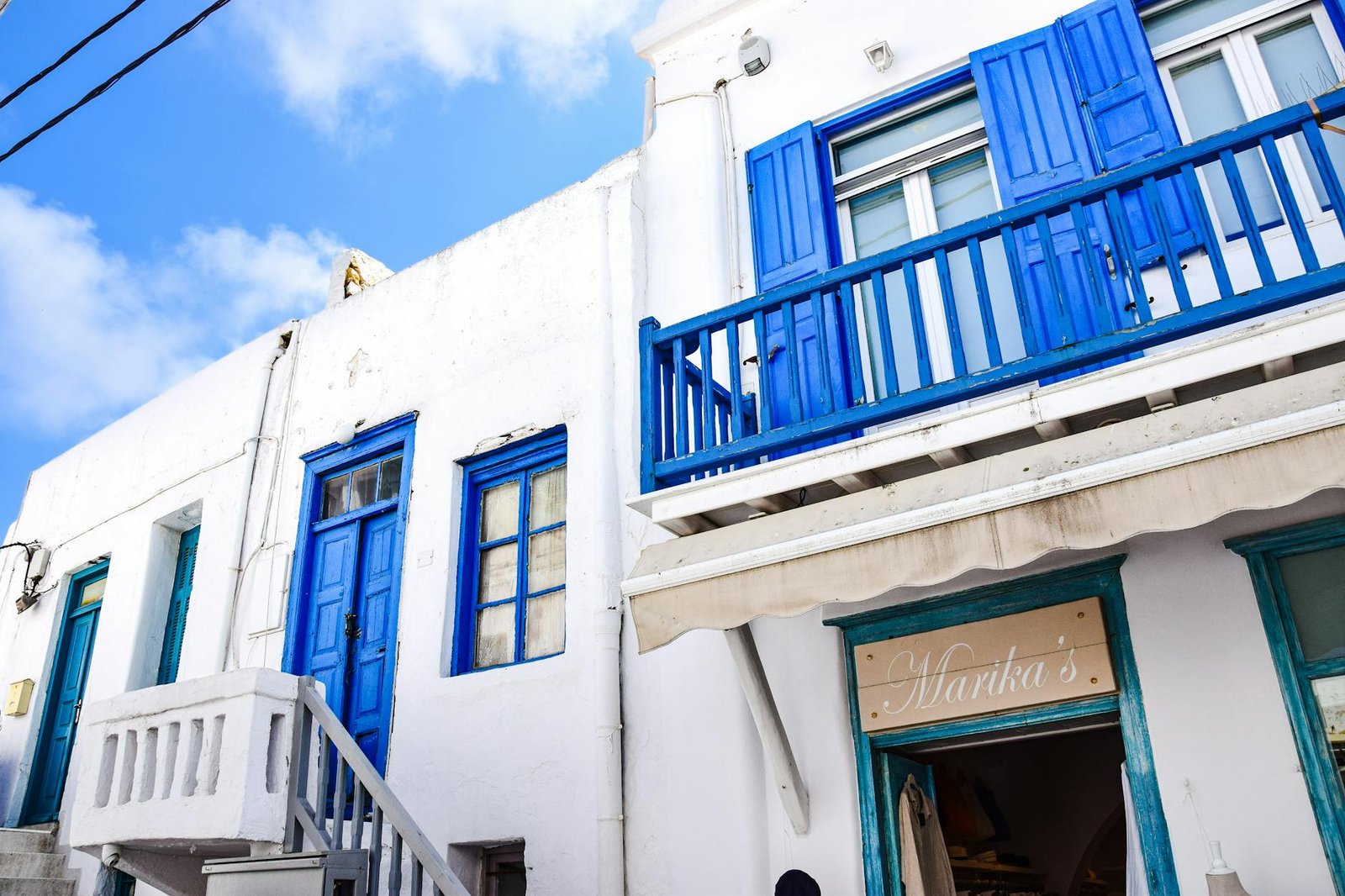
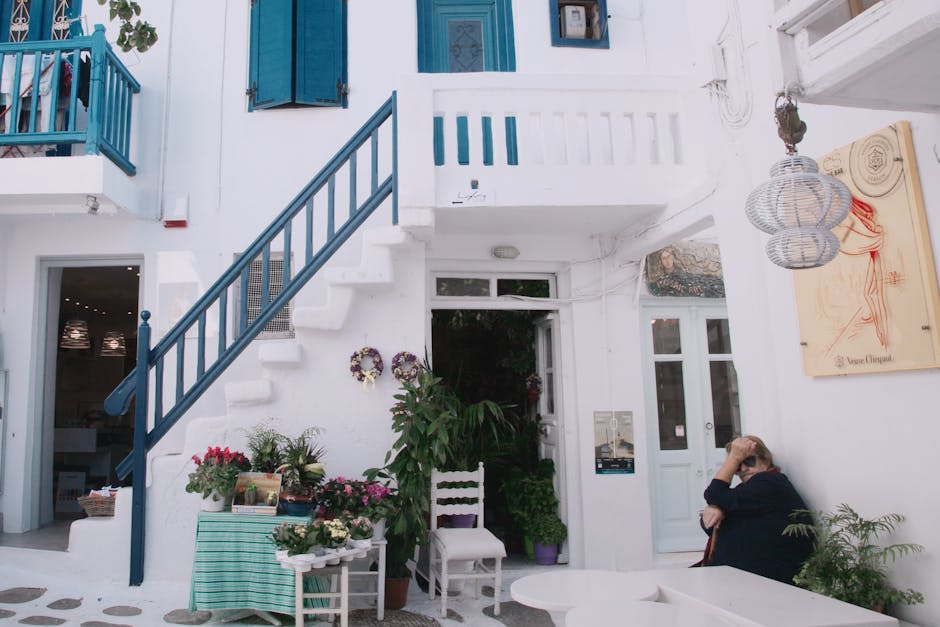
Mykonos gets all the press for its whitewashed windmills, relentless nightlife, and that particular shade of Aegean blue that photographers lose their minds over. But there’s a food culture here that runs far deeper than the glamour — one that’s been feeding fishermen and farmers for centuries before the first influencer ever set foot on the island. This guide from FoodTourTrails.com is about getting past the overpriced waterfront menus and finding the Mykonian food that actually matters: the stuff rooted in the sea, the rocky land, and the families who’ve lived here for generations.
The History of Food Culture in Mykonos
Mykonos has never been an easy place to farm. The terrain is rocky and windswept, freshwater has always been scarce, and the island sits fully exposed in the middle of the Aegean. Early inhabitants didn’t have the luxury of abundance — they had to be resourceful. That necessity shaped a cuisine that is honest and direct, built entirely on the principle of wasting nothing and making everything count.
For centuries, the island served as a stopover for merchants, sailors, and military fleets moving between the Greek mainland and the eastern Mediterranean. That constant traffic left its mark on the local pantry. Spices came in. New techniques followed. The island’s proximity to Delos — once one of the ancient world’s most significant religious and commercial hubs — kept Mykonos connected to broader culinary currents even when the rest of the Aegean felt like the edge of the world.
Get the Free Mykonos Food Guide
Insider tips, best dishes & hidden spots — sent to your inbox.
The Byzantine and Ottoman periods added more layers. Spiced meat preparations, phyllo techniques, honey and nut-heavy sweets — all of it gradually worked its way into the Mykonian kitchen. But locals held onto their own traditions fiercely. Recipes passed down through fishing families and shepherding communities survived precisely because people insisted on keeping them alive.
Then the 20th century arrived and changed everything fast. By the 1960s and 70s, celebrities and jet-setters had discovered the island, and the food scene had to keep up. International restaurants appeared next to old tavernas. Ambitious chefs started experimenting. Today the range is genuinely wide — you can eat at a grandmother’s kitchen serving recipes that haven’t changed in two hundred years, or book a table at a place where a serious chef is reimagining Cycladic cuisine with modern techniques. The trick is knowing which is which, and knowing what you actually came here to eat.
Must-Try Foods in Mykonos
Before you start wandering the island’s neighborhoods looking for somewhere to eat, get familiar with the dishes and products that actually define the Mykonian table. These aren’t just menu items — they’re the edible record of how people have lived and eaten on this island for generations. Seek them out deliberately.
🍽
Top Food Tours in Top Destinations
Browse the best food tours, cooking classes and market experiences — book directly with local guides.
Louza is the food product Mykonos is most proud of, and rightly so. It’s a cured pork tenderloin rubbed with a closely guarded spice blend — typically pepper, coriander, cloves, and cumin — then left to air-dry in the island’s strong northern winds for several weeks. The flavor is deep and complex. The texture is slightly firm, the marbling beautiful. There’s genuinely nothing else like it in Greece. You’ll usually find it sliced paper-thin and served as part of a meze spread alongside local cheese and olives. Every producer’s spice blend is a little different, which makes trying multiple versions genuinely interesting rather than repetitive. Look for it at local butcher shops and delis — some will let you watch the curing in progress. A proper Mykonian Louza from a traditional producer is one of the best food souvenirs you can carry home from any Greek island, full stop.
Kopanisti is polarizing. Some people taste it and immediately want more. Others are caught completely off guard by how intense it is. This Protected Designation of Origin cheese has been made across the Cycladic islands for centuries, and the process is unlike anything else in Greek cheesemaking — a double fermentation using a blend of cow’s, goat’s, and sheep’s milk that produces something spreadable, vivid orange-pink in color, and aggressively pungent. The heat builds slowly and lingers. Think of it as Greece’s answer to a serious blue cheese: complex, challenging, and completely addictive once you commit to it. The classic way to eat it is spread thick on barley rusk or fresh bread, drizzled with local olive oil, and chased with a cold glass of Assyrtiko. If cheese is your thing, this one deserves your full attention.
3. Fresh Grilled Octopus
You’ve seen the photos — octopus hanging on a line against a whitewashed wall and a blue sky. In Mykonos, that’s not a staged shot for a travel magazine. It’s what actually happens every morning at the harbor. Local fishermen have been pulling octopus from these rocky coastal waters for centuries, and the preparation hasn’t changed much because it doesn’t need to. The octopus gets tenderized against rocks, hung out in the sun to dry for hours, then slow-grilled over charcoal until the outside chars and caramelizes and the inside goes completely tender. Finished with lemon, olive oil, and a little dried oregano. That’s it. The key is finding the right place to eat it — skip the polished tourist restaurants and head for the small harbor-side tavernas where the fishermen actually bring their catch. Freshness and skill are everything here, and the best local cooks have had decades to perfect both.
4. Amygdalota — Traditional Almond Cookies
These soft, chewy almond cookies are Mykonos’s purest expression of its sweet side. Ground almonds, sugar, rose water — that’s essentially the whole recipe. The result is a crescent-shaped or round confection with a clean floral fragrance and a texture that’s crisp at the edges and almost melts in the center. Traditionally made for weddings, baptisms, and religious celebrations, they carry real cultural weight here. Showing up with a box of them is still considered a gesture of genuine hospitality. You’ll find them in bakeries and confectionery shops all over the island, and they pack beautifully for the journey home. Buy them fresh — the difference in flavor and texture compared to the pre-packaged versions sitting in a tourist shop is immediately obvious. The almond should be the star, with the rose water quietly supporting rather than taking over.
5. Mastelo — Slow-Cooked Lamb or Goat
Mastelo is patient cooking. The name refers to both the dish and the terracotta pot it’s cooked in — a sealed clay vessel that traps everything inside while the heat does its work over several hours. Lamb or young goat goes in with salt, pepper, generous dried dill, and a splash of local red wine. The lid goes on. Hours later, when it comes off at the table, the steam that rises is extraordinary — all herbs and wine and rendered fat. The meat underneath falls from the bone at a touch. It’s traditionally an Easter dish, a celebration meal, but plenty of traditional tavernas serve it year-round. Eat it with a simple green salad, serious quantities of crusty bread for mopping up the cooking juices, and a glass of robust red wine. Don’t rush it.
Food tours in Mykonos typically range from €25 to €80 per person for a guided group tour. Private tours and premium culinary experiences can cost more, while self-guided food walks are often free or low-cost.
How long do food tours in Mykonos last?
Most guided food tours in Mykonos last between 2 and 4 hours and include multiple tasting stops. Walking food tours tend to run around 3 hours, while sit-down dining experiences may last longer.
What local dishes should I try on a Mykonos food tour?
A food tour in Mykonos is the best way to discover authentic local specialties. Your guide will take you to street food markets, traditional restaurants, and neighbourhood gems that locals love — dishes you would never find on your own.
What is the best area for street food in Mykonos?
The best areas for street food and local cuisine in Mykonos are usually found in the old town, central food markets, and traditional neighbourhoods away from the main tourist hotspots. A local food guide will show you exactly where to go.
Are food tours in Mykonos suitable for people with dietary restrictions?
Most food tour operators in Mykonos can accommodate vegetarian, vegan, halal, and gluten-free diets with advance notice. Always inform your guide of any dietary requirements when booking so they can plan the best route for you.


 Best Airports for a Food Layover in 2026
 The World's Best Spice Markets for Food Travelers 2026
 Best Cities in the World for Chocolate Lovers 2026See all food travel guides →Planning a Trip to Mykonos?Discover hand-picked tours, boat trips, wine tastings, and sunset experiences on our dedicated Santorini & Greek Islands guide.Explore SantoriniToursHQ →