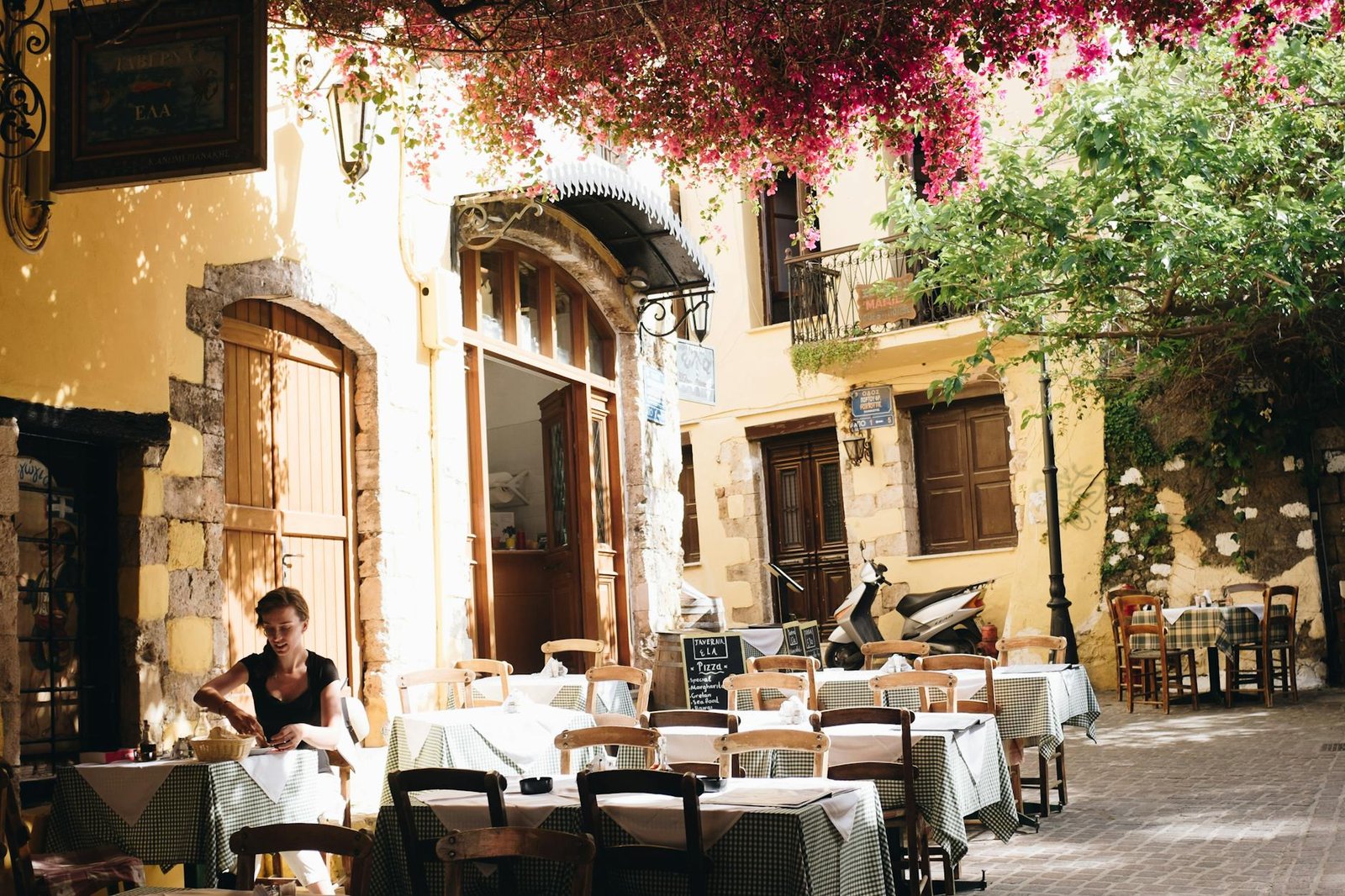
Crete Food Tour – Best Local Food & Restaurants
The Ultimate Food Guide to Crete, Greece
Crete is not simply a destination — it is a living, breathing culinary universe unto itself. The largest of the Greek islands sits at the crossroads of three continents, and its kitchen tells that story with every single bite. From the sun-scorched olive groves of the Messara Plain to the herb-carpeted slopes of the White Mountains, Cretan food is ancient, honest, and unlike anything you’ll eat anywhere else. This guide will help you eat your way through one of the most celebrated food cultures on the planet.
The History of Cretan Food Culture
Cretan cuisine stretches back more than 3,500 years to the Minoan civilization — one of the oldest continuous food traditions in the Western world. Archaeological evidence from the Palace of Knossos shows that the Minoans cultivated olives, grapes, barley, and figs. The same ingredients that anchor the Cretan table today. These Bronze Age farmers weren’t simply surviving; they were building a sophisticated agricultural society that would shape Mediterranean eating habits for millennia.
The ancient Greeks, Romans, Byzantines, Arabs, Venetians, and Ottomans each left fingerprints on the island’s cooking. The Venetians, who controlled Crete from 1204 to 1669, introduced slow-braising techniques and a love of rich, wine-based sauces. The Ottoman occupation contributed warming spices like cinnamon and allspice, which still appear quietly in meat dishes today. Yet through every conquest and cultural exchange, Crete maintained a fierce culinary identity rooted stubbornly in its own land.
In 1960, the landmark Seven Countries Study — one of the most important nutrition studies ever conducted — identified the traditional Cretan diet as among the healthiest in the world. Cretan men who had survived World War II showed extraordinarily low rates of heart disease despite eating a fat-rich diet, because that fat came almost entirely from olive oil. This discovery launched the Mediterranean Diet into global consciousness, and Crete has worn that crown proudly ever since.
Today, the food culture of Crete is a delicate balance between fierce tradition and thoughtful evolution. Village grandmothers still press their own olive oil and make cheese exactly as their great-grandmothers did, while a new generation of chefs in Heraklion and Chania is reimagining those same ingredients through a contemporary lens. What has never changed is the philosophy: cook with what the land gives you, waste nothing, and always feed your guests more than they expect.
Six Must-Try Foods in Crete
1. Dakos — The Cretan Bruschetta
If you eat nothing else in Crete, eat dakos. This simple, spectacular dish starts with a barley rusk called paximadi — a twice-baked bread so hard it could survive a shipwreck — briefly soaked in cold water until it softens just enough to eat without any dental damage. On top goes a mountain of grated ripe tomatoes, a generous pour of grassy extra-virgin olive oil, crumbled mizithra or anthotyros cheese, dried oregano, and sometimes a handful of Kalamata olives. It is summer on a plate. You’ll find dakos everywhere from seaside tavernas to village kafeneions, and no two versions are exactly alike. Order it as a starter and you’ll quickly understand why Cretans consider it a point of serious regional pride.
2. Lamb with Stamnagathi — The Wild Greens Treasure
Stamnagathi is a wild chicory that grows in the rocky hillsides of Crete and nowhere else in quite the same abundance. Slightly bitter and wonderfully complex, it has been eaten by Cretans since antiquity and remains one of the island’s most treasured ingredients. Braised alongside slow-cooked lamb with lemon, olive oil, and a whisper of salt, it creates a dish of real depth. The lamb — typically from the local Sfakia breed, raised on wild mountain herbs — goes meltingly tender over several hours, and the stamnagathi soaks up all those meaty, citrusy juices. This is not a restaurant gimmick. It’s serious, soulful mountain food that tells the story of an entire landscape in a single bowl.
3. Gamopilafo — The Wedding Rice
Gamopilafo translates literally as “wedding rice,” and that name tells you everything about its significance. Traditionally prepared in enormous quantities for Cretan weddings and festivals, this is rice cooked low and slow in rich meat broth — usually goat or lamb — until each grain has absorbed a staggering amount of flavor. At the end, generous amounts of local butter or staka (a thick, clarified cream unique to Crete) are stirred through, creating something simultaneously simple and deeply luxurious. The texture is silky. The flavor is profoundly savory. Eating it feels like being welcomed into someone’s home. Find it at traditional restaurants around Rethymno and in the villages of the Amari Valley, where the old cooking traditions run deepest.
4. Snails with Rosemary — Kohli Boubouristi
This dish is Crete in a single bite: earthy, aromatic, slightly surprising, and genuinely delicious. Land snails, collected after rain from the island’s rocky hillsides, are fried in a generous pool of olive oil with fresh rosemary, salt, and a splash of vinegar in a method called boubouristi — fried shell-side down. The heat drives steam through the snail, cooking it perfectly while the opening of the shell caramelizes in the hot oil. You pick them up and suck the meat directly from the shell, and the combination of herby, slightly tangy snail meat with that glorious olive oil will stop any dinner table conversation cold. Don’t be shy. Order a full plate and don’t apologize for it.
5. Graviera Cheese — The Island’s Golden Wheel
Cretan Graviera is to Greece what Parmigiano-Reggiano is to Italy: a protected, centuries-old cheese of extraordinary quality that demands to be eaten on its own terms. Made primarily from sheep’s milk (with up to 20% goat’s milk permitted), it’s aged for a minimum of five months in cool mountain caves and cellars, developing a sweet, nutty, slightly caramelized flavor with a firm but yielding texture. You’ll encounter Graviera everywhere in Crete — sliced and drizzled with honey at breakfast, fried in olive oil as saganaki, melted into pies, or simply set on the table alongside a glass of local wine. Buy a wedge from a market in Anogia, the mountain village most associated with its production, and you’ll understand immediately why Cretans protect this cheese with such passionate intensity.
6. Sfakiani Pita — The Shepherd’s Pie
Not the British version. Not even close. Sfakiani pita is a thin, pan-fried flatbread from the rugged Sfakia region in the White Mountains, traditionally filled with fresh mizithra cheese and drizzled with dark, wildflower Cretan honey. The contrast of warm, slightly salty cheese against the floral sweetness of the honey is one of those flavor combinations that makes you briefly question every other food decision you’ve ever made. Sfakiani pita was historically the food of shepherds who spent months in the mountains with their flocks, carrying only flour, cheese, and honey. Today it’s a beloved street food and taverna staple across the whole island. Eat it warm, straight from the pan, standing if you have to.
Best Neighborhoods to Eat in Crete
Heraklion — The Capital’s Gastronomic Revolution
Heraklion is the largest city in Crete and the engine of its contemporary food scene. The area around Lions Square and the Venetian Loggia is packed with everything from traditional kafeneions serving thick Greek coffee to ambitious modern restaurants pushing the boundaries of Cretan cuisine. The Central Market — Heraklion’s agora — is one of the finest food markets in all of Greece, where butchers, fish

Book a Food Tour in Crete
Join a small-group food tour and taste the best of Crete with a local guide. Skip the tourist traps — discover the hidden spots only locals know.



Book a Food Experience in Crete
Handpicked experiences — book with free cancellation and instant confirmation.
Explore More Food Tours
More food guides from Greece:
You might also enjoy:
- Plovdiv Food Tour Guide (Bulgaria)
- Pula Food Tour Guide (Croatia)
Featured in:
Frequently Asked Questions
How much does a food tour in Crete cost?
Food tours in Crete typically range from €25 to €80 per person for a guided group tour. Private tours and premium culinary experiences can cost more, while self-guided food walks are often free or low-cost.
How long do food tours in Crete last?
Most guided food tours in Crete last between 2 and 4 hours and include multiple tasting stops. Walking food tours tend to run around 3 hours, while sit-down dining experiences may last longer.
What local dishes should I try on a Crete food tour?
A food tour in Crete is the best way to discover authentic local specialties. Your guide will take you to street food markets, traditional restaurants, and neighbourhood gems that locals love — dishes you would never find on your own.
What is the best area for street food in Crete?
The best areas for street food and local cuisine in Crete are usually found in the old town, central food markets, and traditional neighbourhoods away from the main tourist hotspots. A local food guide will show you exactly where to go.
Are food tours in Crete suitable for people with dietary restrictions?
Most food tour operators in Crete can accommodate vegetarian, vegan, halal, and gluten-free diets with advance notice. Always inform your guide of any dietary requirements when booking so they can plan the best route for you.