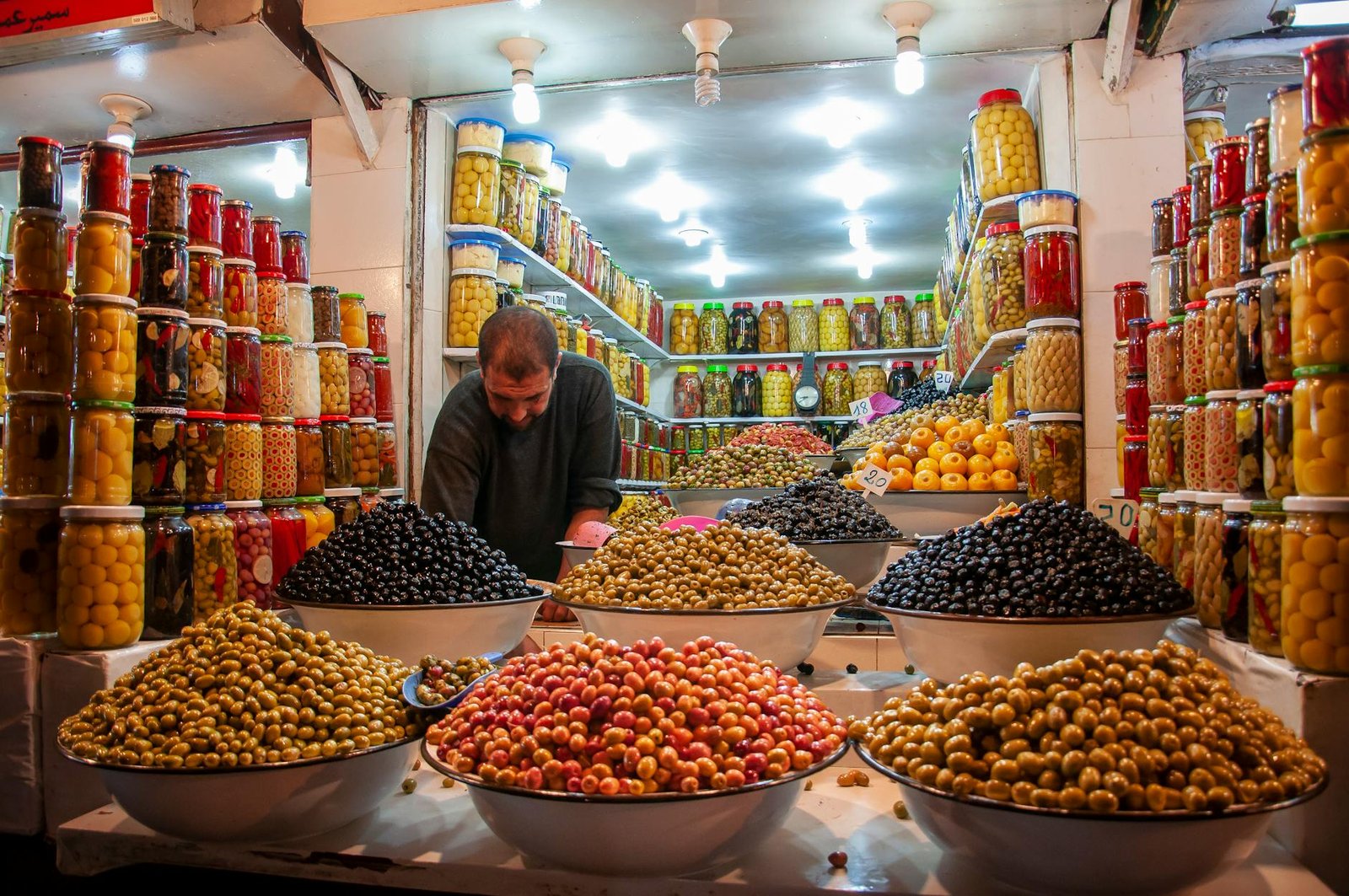
Marrakech Food Tour – Best Local Food & Restaurants
Marrakech Food Guide: A Culinary Journey Through the Red City
Marrakech is not merely a destination — it’s a sensory explosion that starts before you’ve even reached the medina walls. That hit of cumin, saffron, and charred lamb somewhere between the airport taxi and the old city? That’s your first meal, even if you haven’t eaten yet. The food culture here is as layered as the famous tilework, and it pulls millions of hungry travelers every year into its smoke-filled souks, candlelit riads, and chaotic, glorious street stalls. This food guide covers what to eat, where to find it, and how to eat it like someone who actually lives here — not someone on a three-day package tour.
The History of Marrakech’s Food Culture
Marrakech sits at a crossroads, and it always has. Founded in 1062 by the Almoravid dynasty, it became the imperial capital of an empire that stretched from West Africa all the way to southern Spain. That reach left permanent fingerprints on the food.
The Berber people — the indigenous inhabitants of North Africa — are the backbone of Marrakchi cooking. Their traditions of slow-cooked tagines, preserved lemons, and grain-based dishes like couscous predate the Arab conquests of the 7th century. When Arab traders arrived, they brought the spice trade routes connecting the Mediterranean to Persia, India, and sub-Saharan Africa. Cinnamon, ginger, turmeric, black pepper — these flooded into the markets and transformed Berber cooking into something richer and far more complex.

The Andalusian influence came in waves, most significantly when Muslim and Jewish communities were expelled from Spain after the Reconquista in 1492. They brought refined culinary techniques, a love of sweet-savory combinations, and serious pastry-making skills you can still taste today in dishes like bastilla. The Jewish community established Mellah neighborhoods throughout Moroccan cities and contributed significantly to how local recipes developed and survived.
Sub-Saharan African traders moving through the trans-Saharan caravan routes brought dried goods, preserved meats, and cooking philosophies that folded naturally into the local repertoire. Then French colonialism — 1912 to 1956 — added café culture, khobz bread in the baguette tradition, and a certain ease with long, unhurried meals that sits surprisingly well alongside traditional Moroccan hospitality.
What you get from all of this is a cuisine that’s simultaneously rustic and refined, simple in its ingredients but genuinely sophisticated in execution. Marrakchi food is slow food in the truest sense. It requires patience, good ingredients, and a respect for tradition that gets passed down through families who still cook over open fires in riad courtyards. Nobody here is in a hurry, and the food is better for it.
Must-Try Foods in Marrakech
So much is competing for your attention that knowing where to start can feel genuinely overwhelming. These six dishes are the non-negotiables — the Marrakech eating experiences that will still be with you months after you’ve gone home.

1. Lamb Tagine with Preserved Lemon and Olives
The tagine is Morocco’s most iconic dish. Full stop. And Marrakech does it better than anywhere else. Named after the conical clay pot it’s cooked and served in, a great tagine is the ultimate expression of Moroccan slow-cooking — that pyramid-shaped lid creates a self-basting steam cycle that keeps the meat impossibly tender while the flavors concentrate into something almost unreasonably deep.
The lamb version with preserved lemon and olives is the classic to order first. The lamb — ideally from the Atlas Mountain region just south of the city — gets marinated overnight in chermoula, a spice paste of cumin, paprika, turmeric, garlic, and fresh coriander. Then it slow-cooks for hours with caramelized onions, preserved lemon quarters whose sharp bitterness has been transformed by weeks of salt-curing into something floral and almost sweet, and fleshy Moroccan olives that turn buttery in the heat. The sauce ends up thick, golden, and completely addictive. Eat it the traditional way: right hand only, with torn pieces of fresh khobz bread that serves as both your utensil and your vehicle.
Where to find the best version: Dar Yacout in the medina serves a legendary lamb tagine in a genuinely beautiful riad setting, while the market stalls near the Mellah do unfussy, honest versions for a fraction of the price. Both are worth your time for different reasons.
2. Bastilla (Pastilla)
One dish explains the sweet-savory sophistication of Moroccan cuisine better than anything else, and it’s bastilla. Paper-thin warqa pastry — more delicate than phyllo, almost translucent — gets layered with spiced pigeon or chicken, a scrambled egg and herb mixture, fried almonds sweetened with sugar and perfumed with cinnamon, then dusted on top with powdered sugar and more cinnamon. It looks like a dessert. Then you take a bite and find these savory, fragrant depths underneath the sweet surface.
Bastilla has deep Andalusian roots and was historically reserved for royal feasts and special occasions. You can still sense the ceremony when it arrives at the table — it comes as a proud centerpiece, the surface decorated with careful cinnamon patterns. The shattering, buttery pastry against the fragrant filling against that sweet dusting is one of the more memorable flavor combinations you’ll encounter anywhere. There’s also a seafood version — prawns, squid, vermicelli noodles — that’s become increasingly popular around Marrakech and is absolutely worth seeking out.

3. Harira Soup
Ask a Marrakchi what their ultimate comfort food is. Harira. Every time. This thick, silky soup — tomatoes, lentils, chickpeas, lamb or beef, vermicelli noodles, ginger, cinnamon, turmeric, coriander — is the beating heart of Moroccan home cooking. It breaks the Ramadan fast every evening at sunset. It’s what mothers make when children are sick. It’s what vendors sell from huge steaming cauldrons on cold medina nights for just a few dirhams a bowl.
What makes harira genuinely special is the texture. A technique using a flour-and-water slurry called tedouira gets added near the end of cooking, giving the broth a velvety, slightly viscous quality that coats your mouth with warmth. It’s traditionally served with fresh lemon, a handful of dates, and chebakia — honey-soaked sesame pastries whose sweetness provides a meditative counterpoint to the savory soup. If you leave Marrakech without eating a proper bowl, you’ve made a serious mistake.
4. Mechoui (Whole Roasted Lamb)
Mechoui is Marrakech at its most primal. The word comes from the Arabic for “to grill” or “to roast,” and the preparation is arrestingly simple: a whole lamb seasoned with nothing but butter, cumin, and salt, then slow-roasted in a sealed underground pit for four to six hours. What comes out is extraordinary. The skin shatters like glass. The meat is so soft you can pull it apart with a finger. And the flavor — achieved with almost nothing — has a depth that makes elaborate preparations seem unnecessary.
The place to experience this in Marrakech is the mechoui alley just off Jemaa el-Fna square, officially Derb Dabachi, where several vendors run identical underground pits and serve lamb by weight on communal tables. Point to how much you want, receive your portion wrapped in paper with a pinch of cumin and salt on the side,
Book a Food Tour in Marrakech
Join a small-group food tour and taste the best of Marrakech with a local guide. Skip the tourist traps — discover the hidden spots only locals know.


Book a Food Experience in Marrakech
Handpicked experiences — book with free cancellation and instant confirmation.
Explore More Food Tours
More food guides from Morocco:
You might also enjoy:
- Malaga Food Tour Guide (Spain)
- San Sebastian Food Tour Guide (Spain)
- Seville Food Tour Guide (Spain)
- Valencia Food Tour Guide (Spain)
- Barcelona Vegan Food Guide: Best Plant-Based Experiences 2026 (Spain)
Featured in:
Frequently Asked Questions
How much does a food tour in Marrakech cost?
Food tours in Marrakech typically range from €25 to €80 per person for a guided group tour. Private tours and premium culinary experiences can cost more, while self-guided food walks are often free or low-cost.
How long do food tours in Marrakech last?
Most guided food tours in Marrakech last between 2 and 4 hours and include multiple tasting stops. Walking food tours tend to run around 3 hours, while sit-down dining experiences may last longer.
What local dishes should I try on a Marrakech food tour?
A food tour in Marrakech is the best way to discover authentic local specialties. Your guide will take you to street food markets, traditional restaurants, and neighbourhood gems that locals love — dishes you would never find on your own.
What is the best area for street food in Marrakech?
The best areas for street food and local cuisine in Marrakech are usually found in the old town, central food markets, and traditional neighbourhoods away from the main tourist hotspots. A local food guide will show you exactly where to go.
Are food tours in Marrakech suitable for people with dietary restrictions?
Most food tour operators in Marrakech can accommodate vegetarian, vegan, halal, and gluten-free diets with advance notice. Always inform your guide of any dietary requirements when booking so they can plan the best route for you.