Lima Food Tour – Best Local Food & Restaurants
Lima, Peru: The Ultimate Food Lover’s Guide
Lima crept up on the world’s food scene, then announced itself at full volume. Strung along the Pacific coast, Peru’s capital is a massive, perpetually fog-covered city where ancient Andean cooking traditions run headlong into Spanish colonial history, Japanese precision, Chinese technique, and a generation of chefs who refuse to stop pushing. This isn’t just a food scene worth visiting. It’s a full culinary civilization, and Lima sits right at the center of it.
The History of Lima’s Food Culture
To really get why eating in Lima hits differently, you have to go back long before any Spanish ship appeared on the horizon. The indigenous peoples of the Andes and the Peruvian coast had already built one of the world’s most sophisticated agricultural systems — thousands of years before the 16th century. The ancient Incas cultivated over 3,000 varieties of potato alone, plus dozens of corn species, quinoa, amaranth, and a whole universe of chilies called ají. These weren’t side ingredients. They were currency, ritual, identity.
The Spanish arrived in 1532 with garlic, onions, beef, pork, citrus, and wine. Those ingredients didn’t erase what was already here — they layered on top of it. That blending became what food historians call cocina criolla, Creole cooking. Then came enslaved Africans, who brought their own techniques and a genius for working with offal and slow-braised cuts. That’s where anticuchos come from. That’s a gift.
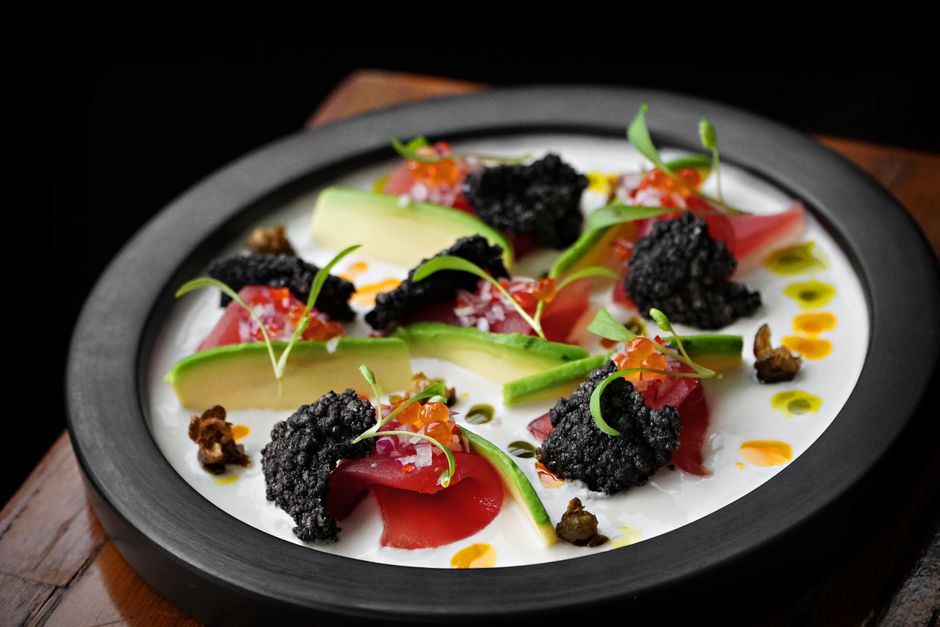
The 19th and early 20th centuries brought two more waves that changed everything. Chinese laborers — known locally as coolies — arrived to work the railroads and plantations and brought woks, soy sauce, ginger, and stir-fry philosophy with them. The result was an entirely new cuisine: chifa. Then came Japanese immigrants with their reverence for raw fish, precise knife work, and restrained seasoning. That became Nikkei cuisine, and it’s one of the most exciting food fusions anywhere on earth.
By the late 20th century, the potential was obvious to anyone paying attention. Then came chefs like Gastón Acurio in the 1990s and 2000s, who started treating Peruvian ingredients with the same technical seriousness as French haute cuisine. That set off a full renaissance. Today, Lima regularly puts multiple restaurants on the World’s 50 Best list, draws serious food travelers from everywhere, and runs a street food culture that holds its own against anything its fine dining scene produces.
Must-Try Foods in Lima
1. Ceviche
Lima’s ceviche is deceptively simple and surprisingly hard to get right. Fresh raw fish — traditionally corvina (sea bass) or lenguado (flounder) — cut into generous cubes, then cured in freshly squeezed lime juice with sliced red onion, salt, and ají amarillo. The lime doesn’t cook the fish with heat. It denatures the proteins, leaving the flesh firm, bright, and vivid in a way that heat never quite achieves.
What makes Limeño ceviche special is the leche de tigre — that cloudy, punchy marinade pooling at the bottom of the bowl. Spicy, acidic, fishy, savory all at once. Locals swear by it as a hangover cure, and honestly, after a long night in Barranco, the evidence is pretty compelling. A proper plate comes with boiled choclo (giant Andean corn), a wedge of sweet potato, and crispy cancha. Eat it around noon. Eat it near the coast. Repeat this as many days as you have.
2. Lomo Saltado
Lomo saltado is the most direct evidence you’ll find of Chinese immigration rewiring Peruvian cooking. Strips of marinated beef tenderloin hit a blazing hot wok with tomatoes, ají amarillo, red onion, soy sauce, vinegar, and cilantro. Then — and this is the specifically Peruvian move — French fries go straight into the wok. They absorb the sauce. They stop being fries and become something better. The whole thing lands on a plate with white rice.
The textures work impossibly well together: tender beef, soft vegetables, fry-edges that are somehow still crispy, rice soaking up whatever’s left of the sauce. It’s comfort food taken seriously. You’ll find it at a beat-up huarique counter for around 18-25 soles and at Michelin-worthy tasting menus for ten times that. Both versions are worth eating.
3. Causa Limeña
Causa is old Lima on a plate. It starts with papa amarilla — a Peruvian yellow potato with a natural butteriness that doesn’t exist in anything grown at lower altitudes — mashed with lime juice, oil, and ají amarillo paste that turns the whole thing a vivid gold and adds floral, gentle heat. That seasoned mash wraps around fillings: tuna or chicken salad with mayo in the traditional version, crab and avocado in the more modern ones.
Served cold, sliced into cylinders, it looks almost architectural. It’s refreshing and rich at the same time — perfect given Lima’s cool, grey coastal weather. High-end kitchens deconstruct it into foam and dots; home kitchens press it into ceramic molds and cut it at the table for the whole family. Honestly, the home version hits harder. But eat both if you can.
4. Anticuchos
Anticuchos are the reason to stay out late in Lima. These skewers have a real history behind them — they came from African slaves who received the offcuts their Spanish masters didn’t want, primarily beef heart, and turned that into something that now defines the city’s street food culture. The beef heart gets marinated overnight in ají panca (smoky, deep, dried chili), garlic, cumin, vinegar, and salt, then goes onto thick wooden skewers over charcoal until charred outside and tender all the way through.

Standing at a street cart at 10pm, smoke in your face, waiting for your skewers — that’s a Lima experience that no restaurant can replicate. They come with boiled potato and ají amarillo sauce, and the combination is simple and completely right. Find the women called anticucheras who set up in Barranco and Miraflores after dark. The crowd forming behind their carts tells you everything you need to know.
5. Ají de Gallina
If ceviche is Lima’s bright midday dish, ají de gallina is what you want after sundown. This Creole stew layers shredded poached chicken into a thick, golden sauce built from ají amarillo paste, walnuts, milk-soaked bread, and parmesan cheese
Book a Food Tour in Lima
Join a small-group food tour and taste the best of Lima with a local guide. Skip the tourist traps — discover the hidden spots only locals know.
Book a Food Experience in Top Destinations
Handpicked experiences — book with free cancellation and instant confirmation.
Frequently Asked Questions
How much does a food tour in Lima cost?
Food tours in Lima typically range from €25 to €80 per person for a guided group tour. Private tours and premium culinary experiences can cost more, while self-guided food walks are often free or low-cost.
How long do food tours in Lima last?
Most guided food tours in Lima last between 2 and 4 hours and include multiple tasting stops. Walking food tours tend to run around 3 hours, while sit-down dining experiences may last longer.
What local dishes should I try on a Lima food tour?
A food tour in Lima is the best way to discover authentic local specialties. Your guide will take you to street food markets, traditional restaurants, and neighbourhood gems that locals love — dishes you would never find on your own.
What is the best area for street food in Lima?
The best areas for street food and local cuisine in Lima are usually found in the old town, central food markets, and traditional neighbourhoods away from the main tourist hotspots. A local food guide will show you exactly where to go.
Are food tours in Lima suitable for people with dietary restrictions?
Most food tour operators in Lima can accommodate vegetarian, vegan, halal, and gluten-free diets with advance notice. Always inform your guide of any dietary requirements when booking so they can plan the best route for you.