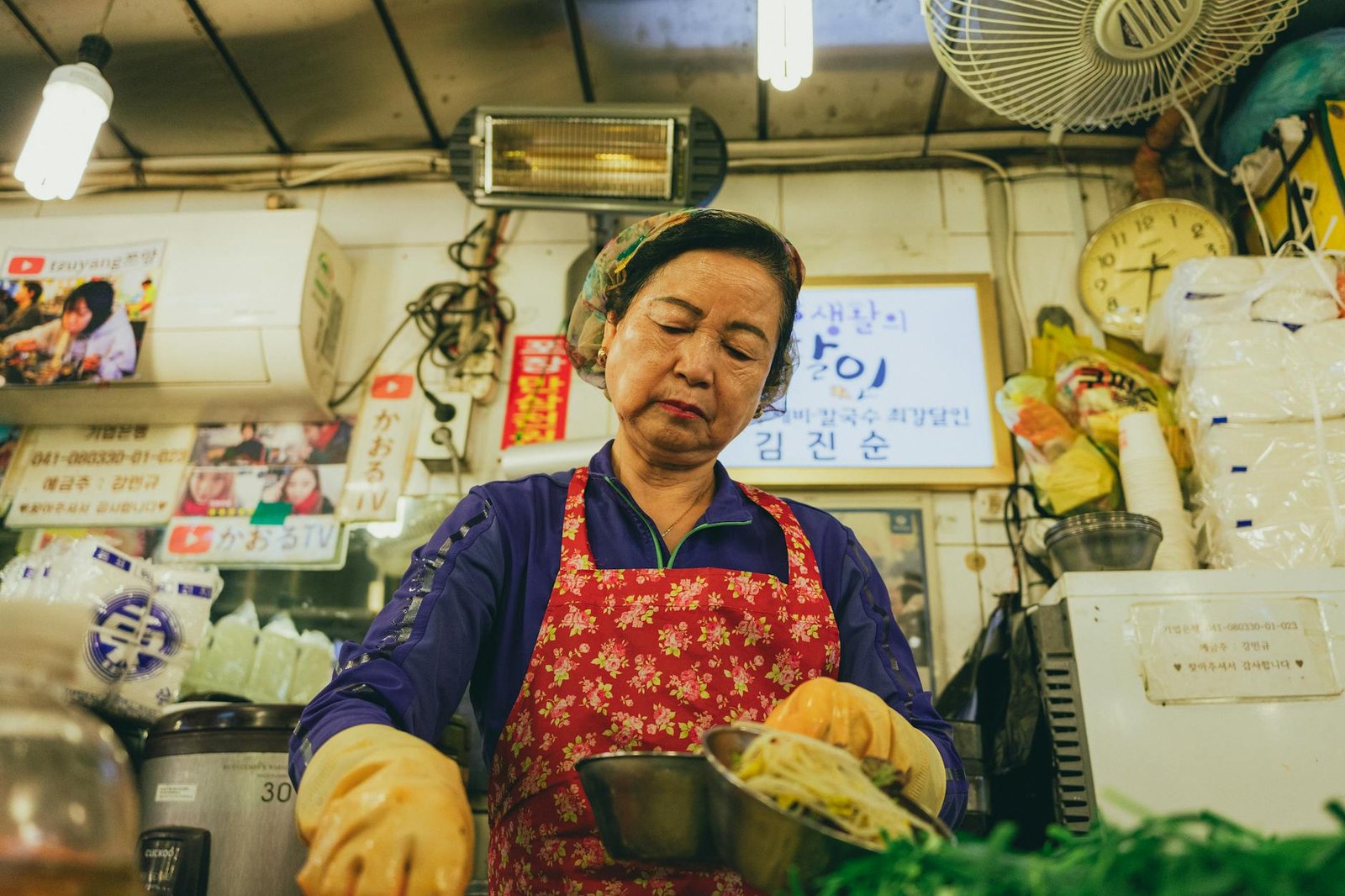
Seoul Food Tour – Best Local Food & Restaurants
Seoul Food Guide: A Culinary Journey Through South Korea’s Capital
Seoul is one of the world’s greatest cities for food lovers. I’ve eaten my way through a lot of capitals, and nothing quite compares to this place. You’ve got steaming street stalls crammed under neon signs next to centuries-old restaurants still running recipes that fed Joseon Dynasty kings — and somehow both feel equally essential. The South Korean capital offers a depth of flavor and sheer variety that takes most visitors completely by surprise. Whether you’re chasing fiery heat, rich umami broths, or just the deeply satisfying crunch of something freshly fried at midnight, Seoul delivers. Every hour of the day. Every corner you turn.
The History of Seoul’s Food Culture
To really appreciate what lands on your plate here, you need some context. Korean food culture goes back over two thousand years, shaped by agricultural rhythms, Confucian philosophy, and a genuine reverence for seasonal ingredients. Ancient Korean society operated on a concept called yaksik dongwon — the idea that food and medicine share the same root. That wasn’t just philosophy. It meant generations of cooks treated every ingredient as purposeful, not incidental.
The Joseon Dynasty, which ran from 1392 to 1897, pushed royal court cuisine to its most elaborate heights. The royal kitchen — the sura — put together twelve-dish spreads for the king using ingredients sourced from every corner of the peninsula. These weren’t just meals. They were political statements, demonstrations of cultural sophistication and territorial reach. The banchan-heavy, meticulously balanced meal structures you’ll still encounter in Seoul restaurants today are direct descendants of those Joseon court traditions.

The twentieth century hit Korean food culture hard. The Japanese colonial period from 1910 to 1945 brought new ingredients and techniques while simultaneously crushing Korean cultural identity. Then the Korean War gutted the country. Street food as Seoul knows it today grew out of postwar necessity — vendors selling cheap, filling snacks kept hungry people fed during reconstruction. Tteokbokki is the perfect example: originally a mild royal court dish, it got reinvented with inexpensive fiery chili paste and became the iconic street version that’s everywhere now.
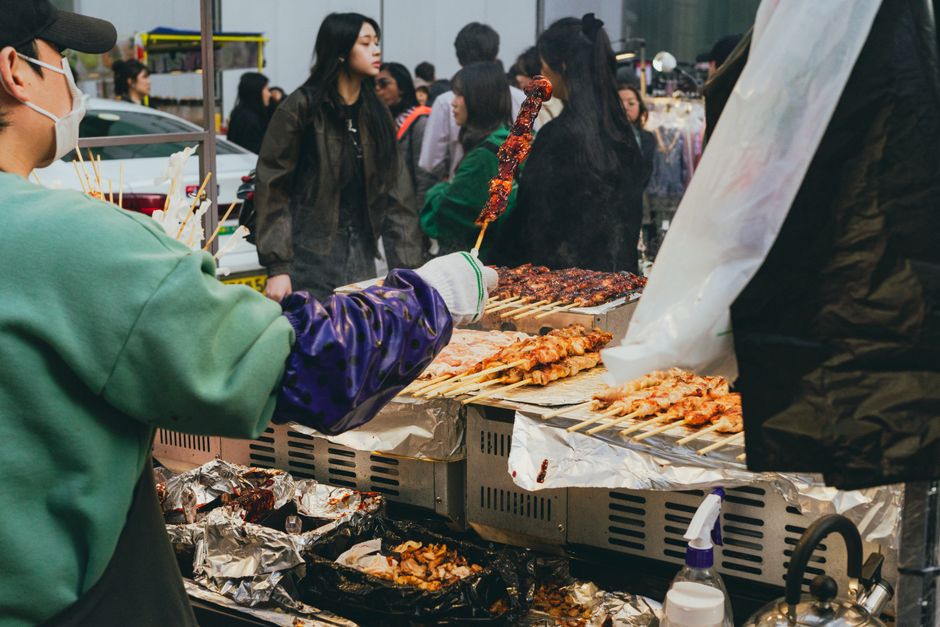
Modern Seoul sits at a genuinely fascinating crossroads. The city claims more Michelin-starred restaurants than almost anywhere else in Asia, yet some of the most memorable eating happens standing at a pojangmacha — one of those outdoor tent stalls — at two in the morning. That tension between deep culinary tradition and relentless reinvention is exactly what makes Seoul’s food scene so alive.
Must-Try Foods in Seoul
1. Tteokbokki – Spicy Rice Cakes
No single food defines Seoul street eating more completely than tteokbokki. Thick, chewy cylinders of rice cake simmer in a glossy, intensely spiced sauce built on gochujang — fermented red chili paste — combined with anchovy broth, soy sauce, sugar, and garlic. It hits every register at once: spicy, sweet, salty, deeply savory. Fish cakes and boiled eggs are the classic additions. These days you’ll also find cheese tteokbokki, cream versions, and rose tteokbokki made with a splash of cream that softens the heat considerably. Head to Sindang-dong Tteokbokki Town in central Seoul — a whole neighborhood where dozens of competing restaurants have been obsessively refining their individual sauces for decades. It’s worth the trip just to compare bowls side by side.
2. Korean BBQ – Samgyeopsal and Galbi
Korean barbecue is a ritual, not just a meal. You sit around a table with a live charcoal or gas grill built into the center, cooking thick slices of samgyeopsal (uncured pork belly) or galbi (marinated beef short ribs) directly over the flame. The real pleasure is in the wrapping: grilled meat, kimchi, raw garlic, sliced green chili, and a smear of ssamjang — a punchy paste of doenjang and gochujang — all bundled into a fresh lettuce or perilla leaf and eaten in one bite. That ssam technique turns good ingredients into something genuinely special. The Mapo-gu neighborhood, especially around Mapo Station, is famous for some of Seoul’s best pork belly spots. Many have been running continuously for over thirty years, which tells you everything.
3. Bibimbap – Mixed Rice Bowl
Bibimbap means mixed rice, but that translation undersells it. The dish is a carefully composed arrangement of color, texture, and nutrition — steamed white rice topped with individually seasoned vegetables (spinach, bean sprouts, julienned carrots, sautéed mushrooms, bracken fern), a raw or fried egg, and sometimes bulgogi or thinly sliced raw beef. A generous spoonful of gochujang goes in the center before you mix everything together vigorously. Order the dolsot version — served in a scorching stone bowl — and you get nurungji, a crispy rice crust that forms at the bottom. Experienced diners specifically ask for extra time with the stone bowl to maximize it. Jeonju is the city most associated with definitive bibimbap, but Seoul’s Insadong neighborhood has outstanding versions that stay true to traditional preparation.
4. Samgyetang – Ginseng Chicken Soup
Ask any Korean what to eat when you’re feeling rough and the answer will almost always be samgyetang. A whole young chicken, stuffed with glutinous rice, garlic, jujube dates, and a solid piece of Korean ginseng root, gets simmered for hours until the meat falls from the bones with barely any encouragement. The broth is clear, clean, deeply nourishing, and subtly earthy from the ginseng. Counterintuitively, Koreans eat this on the three hottest days of summer — the sambok days — following the logic that fighting heat with heat expels summer energy from the body. The legendary Tosokchon restaurant in Gyeongbokgung has been operating since 1983 and consistently draws lines around the block. It’s worth the wait. Many consider it Seoul’s finest version, and after eating there I’m not inclined to argue.
5. Japchae – Glass Noodle Stir-Fry
Japchae was originally created in the seventeenth century for King Gwanghaegun of the Joseon Dynasty, and it’s remained one of Korean cuisine’s most celebratory dishes ever since. Translucent glass noodles made from sweet potato starch get stir-fried with spinach, carrots, mushrooms, and onion, then seasoned with soy sauce, sesame oil, and a touch of sugar. Thinly sliced beef or pork typically gets added in, and the whole thing is finished with toasted sesame seeds and egg. The noodles absorb the seasoning beautifully and have this satisfying, slightly chewy pull that’s hard to describe until you’ve had it. Japchae shows up at nearly every Korean celebration and family gathering — it’s comfort food with a royal pedigree. Some of Seoul’s best versions can be found at traditional Korean restaurants in the Bukchon Hanok Village area, where the surroundings match the food perfectly.
6. Chimaek – Fried Chicken and Beer
Korean fried chicken paired with cold beer — chimaek, from chikin and maekju — has become one of Seoul’s most iconic modern food experiences. And it deserves every bit of that reputation. Korean fried chicken gets its extraordinary texture from double-frying, which renders out nearly all the fat from the skin and creates a shatteringly thin, lacquer-like crust. Then it’s either served plain and golden, glazed in a sweet and spicy yangnyeom sauce, or coated in a sticky soy-garlic mixture. Eating chimaek while a football or baseball match plays on the TV is a ritual millions of Seoul residents participate in constantly. Chicken Street in Dongdaemun is worth visiting, and the countless dedicated chimaek restaurants throughout Hongdae are packed most nights of the week — weekends especially. Don’t show up expecting a quiet table.
Book a Food Tour in Seoul
Join a small-group food tour and taste the best of Seoul with a local guide. Skip the tourist traps — discover the hidden spots only locals know.

Book a Food Experience in Top Destinations
Handpicked experiences — book with free cancellation and instant confirmation.
Explore More Food Tours
More food guides from South Korea:
You might also enjoy:
- Beijing Food Tour Guide (China)
- Taipei Food Tour Guide (Taiwan)
Frequently Asked Questions
How much does a food tour in Seoul cost?
Food tours in Seoul typically range from €25 to €80 per person for a guided group tour. Private tours and premium culinary experiences can cost more, while self-guided food walks are often free or low-cost.
How long do food tours in Seoul last?
Most guided food tours in Seoul last between 2 and 4 hours and include multiple tasting stops. Walking food tours tend to run around 3 hours, while sit-down dining experiences may last longer.
What local dishes should I try on a Seoul food tour?
A food tour in Seoul is the best way to discover authentic local specialties. Your guide will take you to street food markets, traditional restaurants, and neighbourhood gems that locals love — dishes you would never find on your own.
What is the best area for street food in Seoul?
The best areas for street food and local cuisine in Seoul are usually found in the old town, central food markets, and traditional neighbourhoods away from the main tourist hotspots. A local food guide will show you exactly where to go.
Are food tours in Seoul suitable for people with dietary restrictions?
Most food tour operators in Seoul can accommodate vegetarian, vegan, halal, and gluten-free diets with advance notice. Always inform your guide of any dietary requirements when booking so they can plan the best route for you.