Lodz Food Guide – Where to Eat Like a Local
Lodz, Poland: The Ultimate Food Guide
Why Lodz Should Be Your Next Culinary Destination
Lodz often flies under the radar for food travelers, overshadowed by the popularity of Krakow and Warsaw. Yet Poland’s third-largest city is a hidden gem for anyone serious about authentic Polish cuisine. The city’s rich industrial heritage and diverse cultural history have created a unique food scene that blends traditional Polish comfort food with modern culinary innovation. Once the heart of Poland’s textile industry and home to thriving Jewish, German, and Polish communities, Lodz’s gastronomic traditions reflect these influences in unexpected and delicious ways.
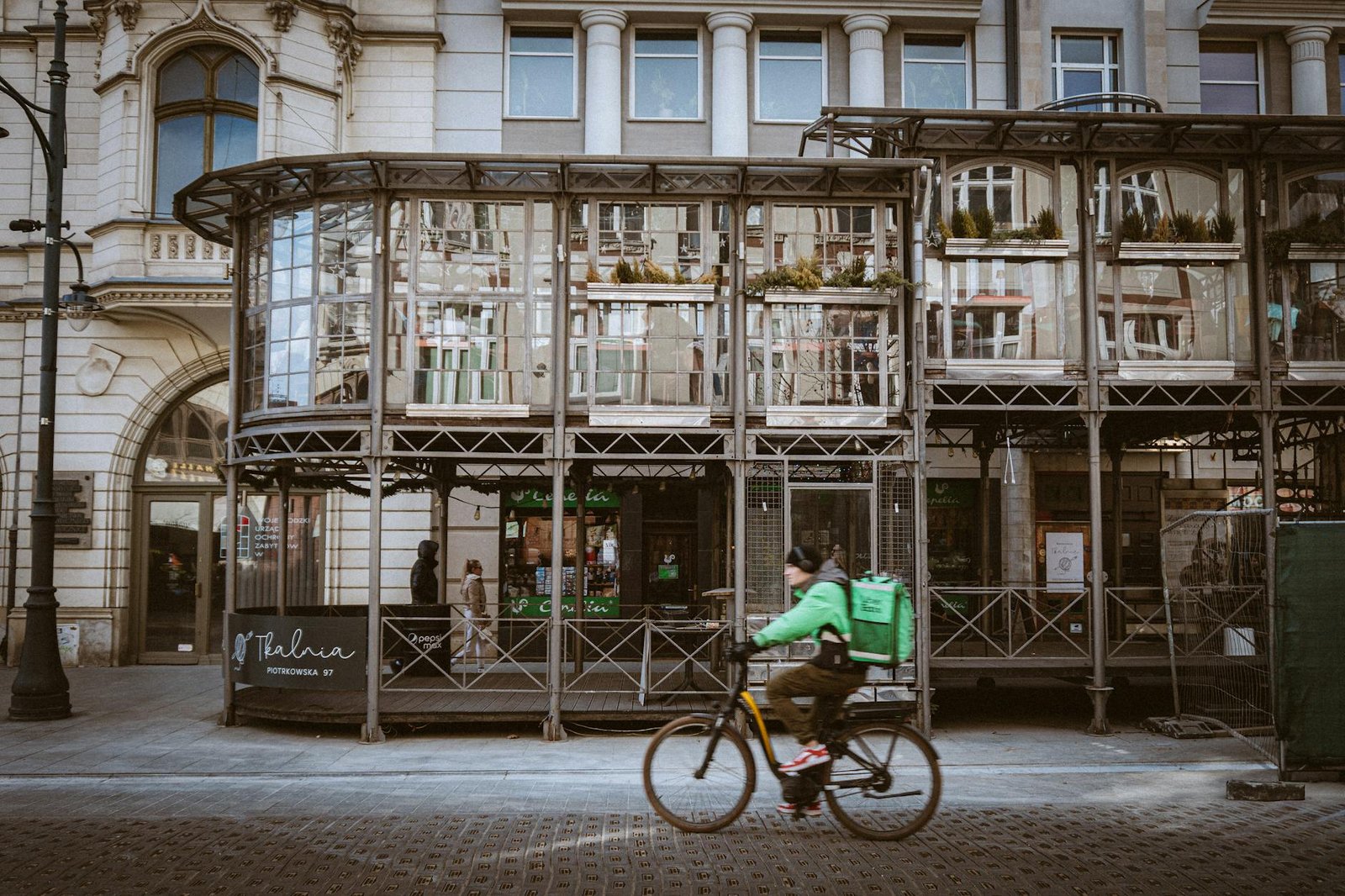
What makes Lodz special is its authenticity. Unlike more touristy Polish destinations, you’ll find locals eating alongside visitors at family-run establishments that have perfected recipes over generations. The food here is unpretentious but deeply flavorful, with an emphasis on seasonal ingredients, traditional preparation methods, and hearty, satisfying portions. Whether you’re exploring the art deco architecture of Piotrkowska Street or wandering through neighborhood markets, every corner of Lodz offers an opportunity to discover something delicious and genuine.
Traditional Polish Dishes Not to Miss
Polish cuisine reaches its highest expression in Lodz, where traditional dishes remain central to local dining culture. Bigos, the national hunter’s stew made with sauerkraut, fresh cabbage, mushrooms, and various meats, tastes best here at places like Restauracja Piwnica Łódzka on ulica Sienkiewicza, where recipes have remained unchanged for decades. Piercing is another must-try—these boiled dumplings filled with potato and cheese, sauerkraut and mushrooms, or meat are comfort food at its finest. You’ll find exceptional piercing at Lodz Kalး, a charming milk bar in the city center where prices remain incredibly reasonable.

Don’t miss zalewajka, Łódź’s own sour soup that appears on nearly every traditional local menu. This warming, subtly tangy dish represents Polish home cooking at its most characteristic. U Mądzieli on Piotrkowska is known for zalewajka and home-made soups, with variations that keep regulars coming back. For something heartier, try kotlety mielone (Polish-style breaded and fried meat patties) served with potato salad and beets, or golabki (cabbage rolls stuffed with meat and rice). These dishes showcase why Polish cuisine earned its reputation for warming, filling, stick-to-your-ribs flavor.
Street Food Scene and Local Markets
The beating heart of Lodz’s food culture pulses through its markets. Early mornings are best, when locals fill their bags with fresh vegetables, pastries, and homemade specialties. You’ll find vendors selling obwarzanek—those addictive ring-shaped bread rolls boiled then baked, often topped with sesame seeds—for just a few zlotys. These simple carbs, with their chewy interior and crispy crust, have been street food staples since Lodz’s Jewish community introduced them generations ago.
For contemporary street food, head to the food vendors along ulica Piotrkowska, the city’s longest commercial street. Zapiekanka—toasted bread topped with mushrooms, cheese, and ketchup—appears at virtually every street corner, representing Polish fast food at its best. Seek out the hole-in-the-wall establishments serving traditional oscypek, smoked cheese from the Tatra Mountains, often grilled and served with cranberry sauce. The PCK Vegetable Market near Plac Wolnosci offers another excellent morning option, where you can grab fresh pastries, homemade jams, and seasonal produce directly from local producers.
Best Street Food to Try
Lodz’s street food culture emphasizes simplicity and tradition. Beyond obwarzanek and zapiekanka, seek out kotlety mielone served from mobile carts—crispy exterior giving way to seasoned ground meat inside. Paczki, especially during Carnival season, appear everywhere: these deep-fried pastries filled with jam or custard are dangerously addictive. Sernik, Polish cheesecake, varies from street vendor to vendor, but the best versions feature a thick, creamy filling that balances sweetness with subtle tartness. Placki ziemniaczane (potato pancakes) fried to golden perfection and served with sour cream offer the perfect handheld snack.

Don’t overlook the herring stands—Baltic herring remains central to Polish food culture, and street vendors selling fresh herring with onions or in cream sauce represent authentic street eating. Kluski (potato dumplings), while typically served as sides in restaurants, are sometimes available from street vendors and provide substantial, satisfying sustenance. The beauty of Lodz street food lies in its unpretentiousness: expect to pay between 5-15 zlotys for most items, and experience food prepared exactly as it has been for generations.
Top Restaurants for Authentic Dining
For sit-down traditional Polish dining, Restauracja Piwnica Łódzka on ulica Sienkiewicza offers an exceptionally atmospheric dining room decorated with folk artifacts while serving exceptional regional specialties. Their wild boar stews and game dishes showcase Polish hunting traditions, while the service remains warmly professional.
For something more casual, Lodz Kalე continues to deliver with its milk bar aesthetic and incredibly affordable traditional fare. This style of Polish milk bar—government-subsidized cafeterias that once served workers—remains a uniquely Polish institution, offering filling meals for pocket change. Imber, housed in a beautiful historic building on Piotrkowska, elevates traditional Polish cuisine with careful sourcing and refined presentation, making it ideal for a special evening. For contemporary Polish cooking, Wolność Neo Bistro provides an upscale experience incorporating Polish ingredients into modern techniques, perfect if you want tradition reimagined.
Eating Well in Lodz
No dedicated food tours are currently bookable through Viator or GetYourGuide for Lodz — and honestly, that’s fine. The city rewards independent exploration more than most. Piotrkowska Street and the Manufaktura complex give you a solid starting loop, with milk bars (bar mleczny) tucked between the grander facades. These state-subsidised canteens serve żurek, bigos, and kopytka at prices that feel almost embarrassingly cheap. Order at the counter, grab a tray, and sit wherever there’s space. That’s the whole ritual. If you want structure, Viator does offer a full-day private historic walking tour of Lodz that covers the city’s industrial and cultural layers — food isn’t the focus, but a good private guide will absolutely stop wherever you want.
Doing it yourself isn’t a consolation prize here. The Bałuty district market on Rynek Bałucki runs most mornings and is the kind of place where elderly women sell single bunches of dill from folding tables. Nobody’s performing authenticity for tourists — they’re just shopping. Walk slowly, buy something you don’t recognise, ask what it is. The bread vendors near the covered section are worth finding. For a more curated self-guided approach, map out a few milk bars in advance, add the Piotrkowska food hall, and leave the afternoons loose. Lodz is a walking city and it rewards the unscheduled hour.

When to Visit for Food
Spring and fall are genuinely the best times to eat your way around Lodz. Spring brings asparagus, fresh mushrooms, and young greens to the markets, inspiring lighter takes on traditional dishes. Fall is game season — roughly September through December — when restaurants put duck, boar, and venison on the specials board alongside chanterelles and porcini. The autumn market stalls fill up with root vegetables, cabbages headed for fermentation, and berries destined for compotes and pastries. Either season, the food is more interesting than the menus suggest at first glance.
Winter carries special gastronomic appeal if you visit during Carnival season (typically January-February), when paczki availability reaches its peak and Christmas traditions linger through January. Summer, while pleasant for general tourism, brings fewer seasonal ingredients and sometimes lighter restaurant menus. Food prices remain consistent year-round, though seasonal specials appear naturally. Regardless of season, book restaurants ahead during weekends and holidays. Lodz’s food scene maintains authentic rhythms with earlier closing times than Western European cities, so dinner at 7-8 PM is standard rather than 9-10 PM.
Neighborhood Food Exploration
Beyond Piotrkowska Street, the Stare Miasto (Old Town) district concentrates history, architecture, and food traditions within walkable distance. Plac Wolnosci, the central square, anchors the neighborhood with its market vendors and surrounding restaurants. The artsy Scheibler and Grohmans neighborhoods showcase Lodz’s industrial heritage while hosting emerging food venues that attract locals. These areas remain less touristy than central zones, offering authentic dining experiences where you’ll hear Polish spoken exclusively and prices remain considerably lower than main tourist corridors.
The ul. Zielona district, named after its green vegetables market heritage, continues hosting fresh produce vendors and traditional food shops selling everything from fresh bread to cured meats. Exploring these neighborhoods requires comfort with Polish (though Google Translate helps), but rewards you with genuine encounters rather than tourist-focused establishments. Wandering these areas, you’ll discover family-run restaurants that have served the same neighborhood for generations, where the clientele are locals conducting their weekly dining rituals, and where food reflects actual living traditions rather than preserved heritage.


Book an Experience in Lodz
Handpicked experiences — book with free cancellation and instant confirmation.
Explore More Food Tours
More food guides from Poland:
You might also enjoy:
- Bratislava Food Tour Guide (Slovakia)
- Brno Food Tour Guide (Czech Republic)
Frequently Asked Questions
Are there food tours in Lodz?
No, there are currently no bookable food tours in Lodz on Viator or GetYourGuide. What you can book is a full-day private historic guided walking tour of Lodz, which covers the city's cultural and industrial history. A good private guide will happily factor in food stops if you ask. For eating specifically, Lodz works well as a self-guided experience.
How much should I budget for eating in Lodz?
Lodz is genuinely affordable. A full meal at a milk bar (bar mleczny) can come to under 20 PLN. Sit-down restaurants on Piotrkowska Street run higher but are still cheap by Western European standards. Budget around 60-100 PLN per person for a proper restaurant dinner with drinks, less if you're mixing milk bars and market snacks into your day.
What local dishes should I try in Lodz?
Start with żurek — a sour rye soup usually served with a hard-boiled egg and sausage — and bigos, the hunter's stew that tastes better the longer it has been sitting on the stove. Kopytka are potato dumplings worth ordering wherever you see them. In autumn, look for chanterelle dishes and any game specials on the board. Market stalls will have seasonal produce worth buying and eating on the spot.
What is the best area for street food and markets in Lodz?
The Rynek Bałucki market in the Bałuty district runs most mornings and is the most local-feeling option — produce, bread, and a general lack of tourist signage. Piotrkowska Street has a food hall and several milk bars within easy walking distance. Manufaktura has more polished food options if you want somewhere to sit down properly.
Can I eat well in Lodz with dietary restrictions?
Vegetarians will find milk bars workable — there are always potato and cheese dishes on the menu — though traditional Polish cooking is meat-heavy, so options narrow quickly in older restaurants. Vegan and gluten-free is harder without some advance research. Newer spots around Piotrkowska cater more broadly. If restrictions are serious, look up specific restaurants before you go rather than relying on finding something suitable on the day.