
Abu Dhabi Food Tour – Best Local Food & Restaurants
Abu Dhabi, UAE: The Ultimate Food Guide
A Culinary Melting Pot in the Desert
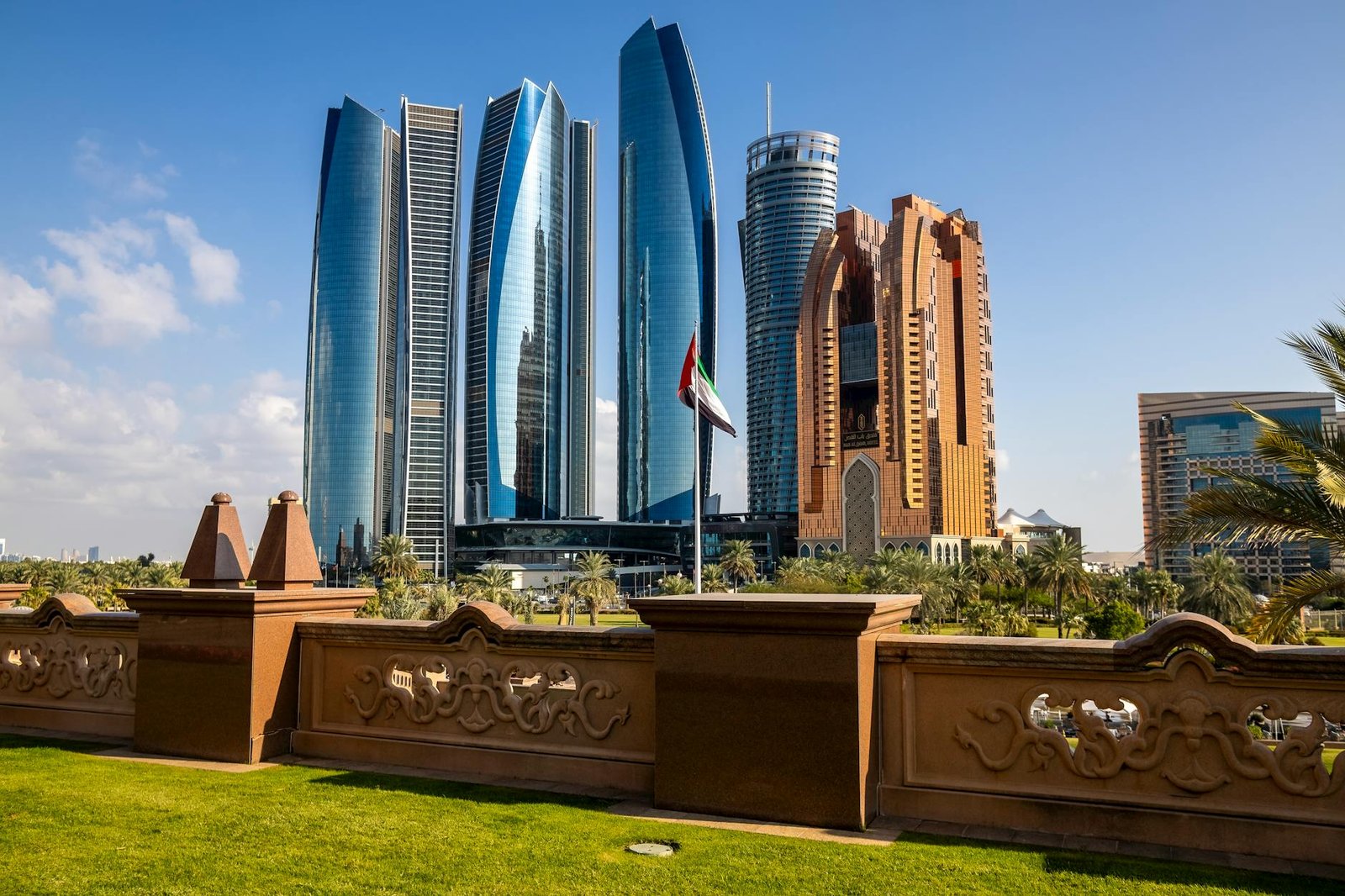
Abu Dhabi, the capital of the United Arab Emirates, is far more than oil and skyscrapers—it’s a vibrant culinary destination where Emirati traditions meet international influences. The city’s food scene reflects centuries of trade routes, Bedouin heritage, and the cosmopolitan nature of modern UAE. Whether you’re wandering through bustling souks or dining in world-class restaurants, Abu Dhabi offers an incredible journey through Middle Eastern flavors, spices, and hospitality that will transform your understanding of Gulf cuisine.
The food culture here is deeply rooted in community and sharing. Meals are social events where families and friends gather, and this spirit permeates every dining experience in the city. From humble shawarma stands to elaborate feasts, Abu Dhabi’s gastronomic landscape tells the story of its people, their history, and their connection to the Arabian Peninsula.
Exploring Traditional Emirati Cuisine
Traditional Emirati dishes form the heart and soul of Abu Dhabi’s food identity. Al Reef Bakery is an excellent introduction to local flavors, serving fresh khubz (Emirati bread) alongside classics like al harees—a slow-cooked meat and wheat dish traditionally prepared during Ramadan. For an authentic dining experience, head to a well-loved local spot in the Electra area, where locals gather to enjoy hearty portions of falafel, hummus, and grilled meats that have remained largely unchanged for generations.
Don’t miss machboos, the Gulf’s answer to biryani, featuring fragrant basmati rice layered with tender meat and aromatic spices. At Al Diyafa Restaurant in the Al Karama neighborhood, you’ll find this dish prepared with the precision that comes from family recipes passed down through decades. Luqaimat, the sweet date-filled dumpling served with date syrup and sprinkled with sesame seeds, is another must-try dessert that perfectly represents Emirati hospitality and tradition.
Top Street Food Experiences
Abu Dhabi’s street food scene is where you’ll find the most authentic flavors and the most enthusiastic food lovers. The Zaroob area is legendary among locals for its shawarma wraps—succulent grilled meat carved from the spit and wrapped in warm pita bread with tahini, garlic, and fresh vegetables. The simple preparation masks decades of technique and spice blending. For a quick breakfast, grab manakish from any of the dozens of kiosks scattered throughout the city; this zaatar-topped flatbread is perfect with a strong Arabic coffee.
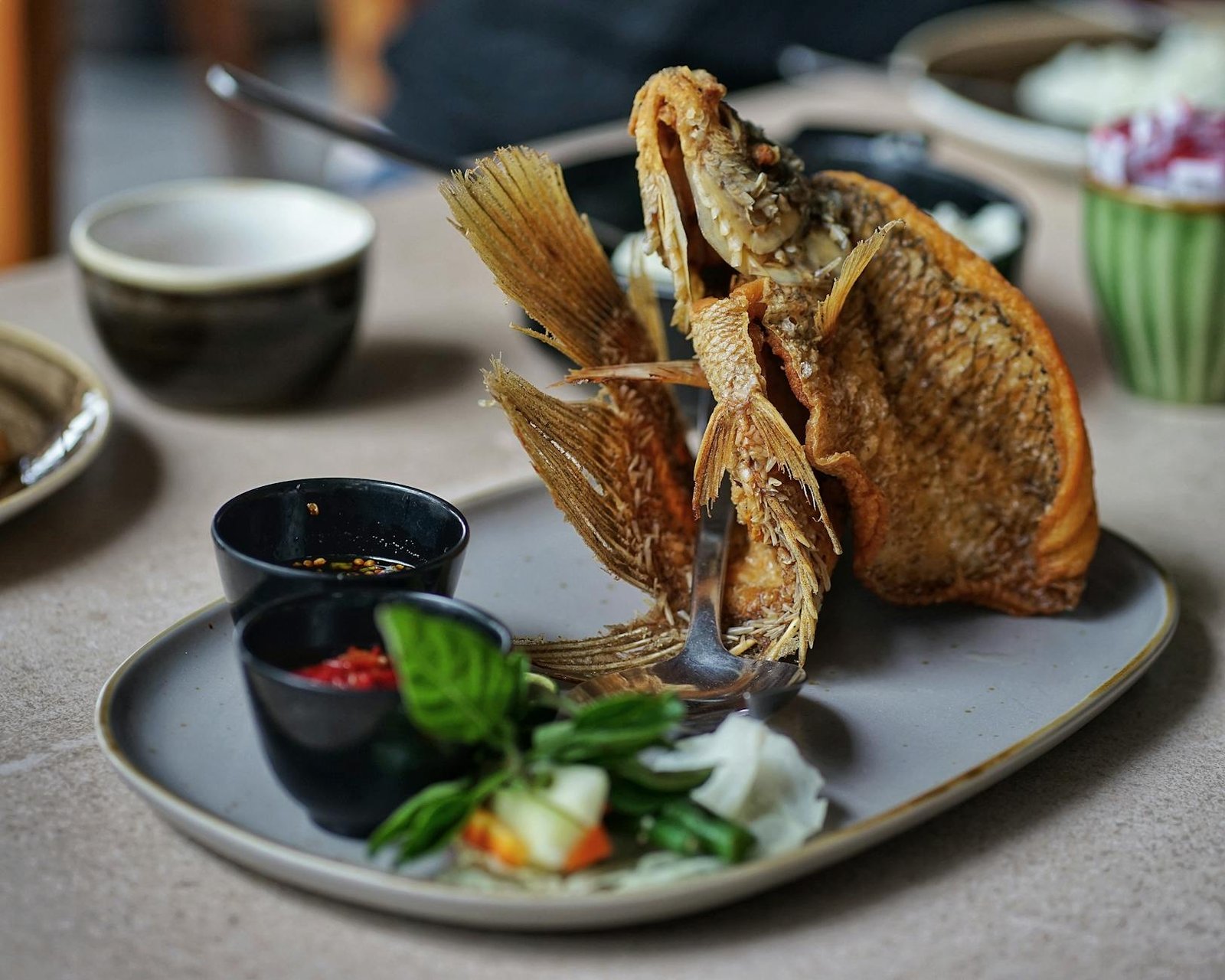
The Fish Market area near the Corniche offers freshly grilled hammour (grouper) and other Gulf fish cooked to order, served with nothing but lemon, salt, and rice—letting the quality of the seafood speak for itself. Visit in the early morning when fishermen are still unloading their catches and the atmosphere is most vibrant. Street vendors also serve falafel sandwiches that are crispy on the outside and fluffy within, topped with tahini sauce that ties everything together beautifully.
Discover the Central Market and Al Wahda Mall’s Food Halls
The Central Market (Souk Al Zahal) is a sensory explosion where spice merchants, vegetable vendors, and meat stalls create an authentic marketplace experience that has remained largely unchanged for decades. The aroma of cardamom, saffron, and cinnamon fills the air as vendors call out their prices and customers haggle for the best deals. This is where Abu Dhabi’s home cooks source their ingredients, and wandering through gives you insight into what actually goes into Emirati kitchens.
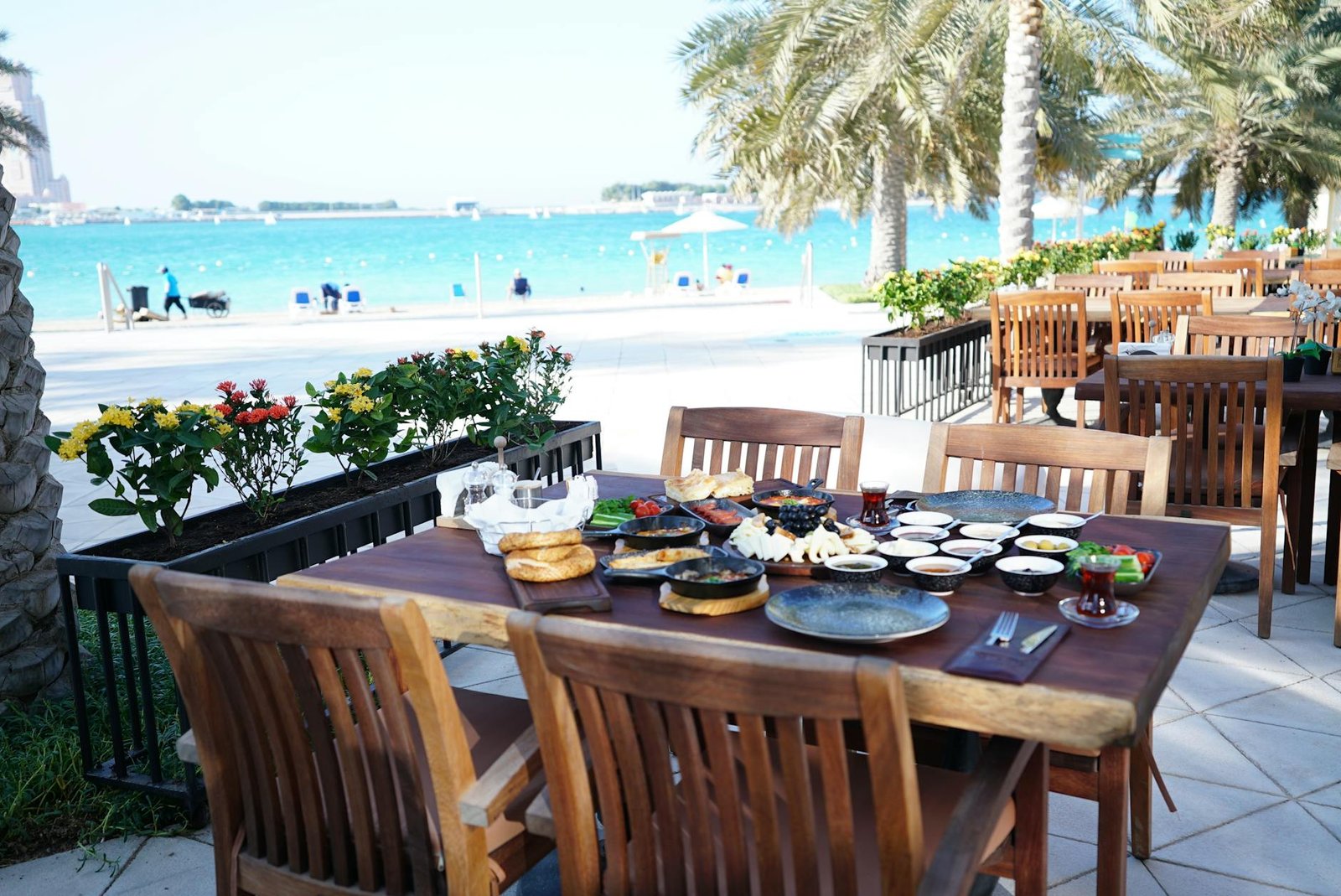
For a more modern food hall experience, Al Wahda Mall’s ground floor features incredible independent food vendors and small restaurants. From Pakistani biryani to Lebanese mezze, Indian curries to Filipino street food, this is where Abu Dhabi’s multicultural community gathers. It’s affordable, authentic, and packed with energy, especially during lunch hours when office workers flock here for their favorite comfort foods.
Best Restaurants for Fine Dining
Abu Dhabi’s restaurant scene has evolved into a world-class destination, with acclaimed chefs bringing both local traditions and international innovations to the table. Erth, between Qasr Al Hosn and the Cultural Foundation, celebrates authentic Emirati cuisine and is the first Emirati restaurant to win a Michelin star, with dishes like zargouni (a traditional sea bass preparation) and thareed (layered meat and bread stew) prepared with modern finesse.
For a more casual take on Emirati and Kuwaiti cooking, Al Mrzab on Airport Road draws locals for machboos, harees and luqaimat, with seating split between private cabins, a majlis and ordinary tables. For seafood lovers, Catch by Simonis offers the finest Gulf fish and crustaceans prepared with European techniques. These restaurants prove that Abu Dhabi respects its culinary heritage while embracing global gastronomy at the highest levels.
Best Food Tours and Culinary Experiences
For organized culinary exploration, Viator offers several excellent Abu Dhabi food tours, including walking tours of traditional neighborhoods with tastings at family-run establishments and guided visits to the Central Market where you can learn about ingredients directly from vendors. These tours often include breakfast at a local café where you can observe how Abu Dhabi starts its day. GetYourGuide similarly provides curated food experiences, from Emirati cooking classes where you’ll prepare dishes in a local home to comprehensive market tours that connect you with the people and products that define the city’s food culture.
Consider booking a private cooking class with Emirati instructors who can teach you to make traditional dishes like machboos or majboos in their own kitchens. These intimate experiences often include shopping at the markets beforehand, giving you complete understanding of the entire culinary process. Several luxury hotels also offer culinary workshops where professional chefs guide you through the preparation of multi-course Emirati meals.
When to Visit for Food
The best time to experience Abu Dhabi’s food culture is during the cooler months from November to March, when the weather permits comfortable exploration of outdoor markets and street food stalls. Ramadan (dates vary yearly) offers a unique gastronomic experience with special iftar buffets and evening bazaars selling traditional fasting-breaking foods. However, restaurants and shops close during daylight hours, requiring some planning to navigate dining.
Abu Dhabi’s annual food festivals, particularly around March and April, celebrate culinary diversity through chef demonstrations, tastings, and cultural events. The city’s growing food truck scene is most active during cooler evening months, creating temporary food neighborhoods throughout the city where you can sample cuisines from dozens of cultures in one location.
Tips for Food Lovers Visiting Abu Dhabi
Always ask locals for their restaurant recommendations—Emiratis are proud of their food culture and love sharing genuine favorites. Venture beyond the tourist areas into neighborhoods like Al Karama, Mina Zayed, and Electra where prices are reasonable and authenticity is guaranteed. Don’t shy away from unfamiliar dishes; Abu Dhabi’s food culture is built on generosity, and restaurant staff are typically enthusiastic about explaining dishes and helping you discover new favorites.
Try Arabic coffee and dates at every opportunity—this simple pairing represents Emirati hospitality and is offered everywhere from souks to offices. Learn a few Arabic food terms to enhance your interactions with vendors and restaurant staff. Finally, embrace the leisurely approach to meals here; in Abu Dhabi, eating is never rushed but rather a celebration of flavors, company, and life itself.



Book a Food Experience in Abu Dhabi
Handpicked experiences — book with free cancellation and instant confirmation.
Explore More Food Tours
More food guides from UAE:
You might also enjoy:
- Jeddah Food Tour Guide (Saudi Arabia)
- Riyadh Food Tour Guide (Saudi Arabia)
- Jerusalem Food Tour Guide (Israel)
- Tel Aviv Food Tour Guide (Israel)
- Cairo Food Tour Guide (Egypt)
Featured in:
Frequently Asked Questions
What is the typical cost of a food tour in Abu Dhabi?
Most guided food tours in Abu Dhabi range from AED 250 to AED 500 per person (approximately $70-$135 USD), depending on the tour operator and inclusions. Premium tours that include luxury dining experiences or private guides can cost AED 600-AED 1,000 or more per person.
How long do food tours typically last in Abu Dhabi?
Standard food tours in Abu Dhabi usually last between 3 to 4 hours, covering multiple food stops and cultural sites. Some extended tours can run 5-6 hours, particularly those that include dinner experiences or visits to traditional markets like the Central Market.
What local Abu Dhabi foods should I expect to try on a food tour?
You can expect to taste authentic Emirati dishes such as Al Harees (slow-cooked meat and wheat), Thareed (bread and meat stew), fresh seafood like hammour, and traditional desserts like Luqaimat (fried dough balls with date syrup). You'll also encounter regional specialties like camel meat dishes and Arabic mezze platters that reflect Abu Dhabi's Bedouin heritage.
Which neighborhoods in Abu Dhabi are best for street food experiences?
The Central Market (Al Mina Fish Market) is the premier destination for authentic street food and fresh seafood in a traditional setting. Al Marjan Island's waterfront area and the historic Al Fahidi District also offer excellent street food vendors serving shawarma, falafel, and local snacks in culturally rich environments.
How can I handle dietary restrictions on an Abu Dhabi food tour?
Inform your tour operator about dietary restrictions at least 2-3 days in advance, as most reputable companies can arrange alternatives for vegetarian, vegan, halal, or allergy-specific needs. Abu Dhabi's diverse food scene makes it relatively easy to accommodate restrictions, and many traditional Emirati dishes are naturally vegetable-based or can be modified.