Jerusalem Food Tour – Best Local Food & Restaurants
Jerusalem, Israel: The Ultimate Food Guide
A Culinary Journey Through Three Thousand Years
Jerusalem is not just a spiritual destination—it’s a gastronomic crossroads where thousands of years of history converge on every plate. The Old City’s winding streets pulse with the aromas of cumin, za’atar, and freshly baked bread, while modern restaurants in neighborhoods like Mahane Yehuda are redefining Israeli cuisine with innovative techniques. Walking through Jerusalem’s markets and dining establishments is like stepping through layers of time, where Palestinian, Jewish, Armenian, and Arab culinary traditions blend seamlessly. Each neighborhood tells its own food story, and every corner reveals a new flavor waiting to be discovered.
The beauty of Jerusalem’s food scene lies in its authenticity. Unlike tourist-focused destinations, Jerusalem’s restaurants and street vendors serve food that has been perfected over generations. Whether you’re biting into a perfectly crispy falafel at a hole-in-the-wall stand or enjoying a seven-course tasting menu at a fine dining establishment, you’re tasting the soul of the city. Food in Jerusalem transcends simple nourishment—it’s a dialogue between cultures, a celebration of tradition, and a bridge connecting people from all walks of life.
Mahane Yehuda Market: The Beating Heart of Jerusalem’s Food Scene
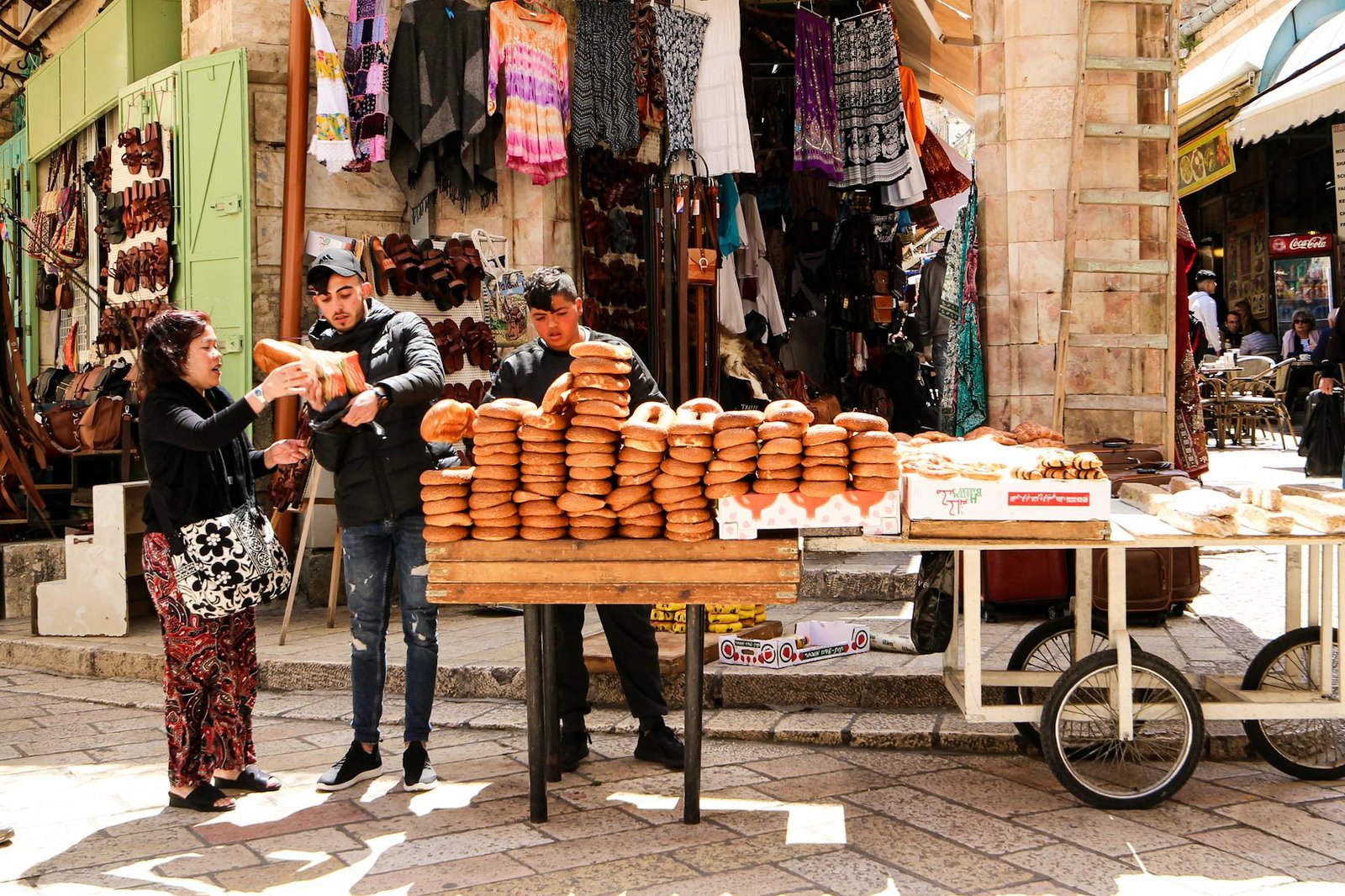
Mahane Yehuda Market, locals affectionately call it “The Shuk,” is the epicenter of Jerusalem’s culinary universe. This bustling marketplace in central Jerusalem stretches for several blocks and features over 250 vendors selling everything from fresh produce to spices, dried fruits, and ready-to-eat delicacies. Navigating the narrow alleys during the day exposes you to vendors hawking vibrant displays of pomegranates, olives in countless varieties, fresh herbs, and nuts piled high in wooden crates. The energy is infectious, and the sensory experience is overwhelming in the best possible way.
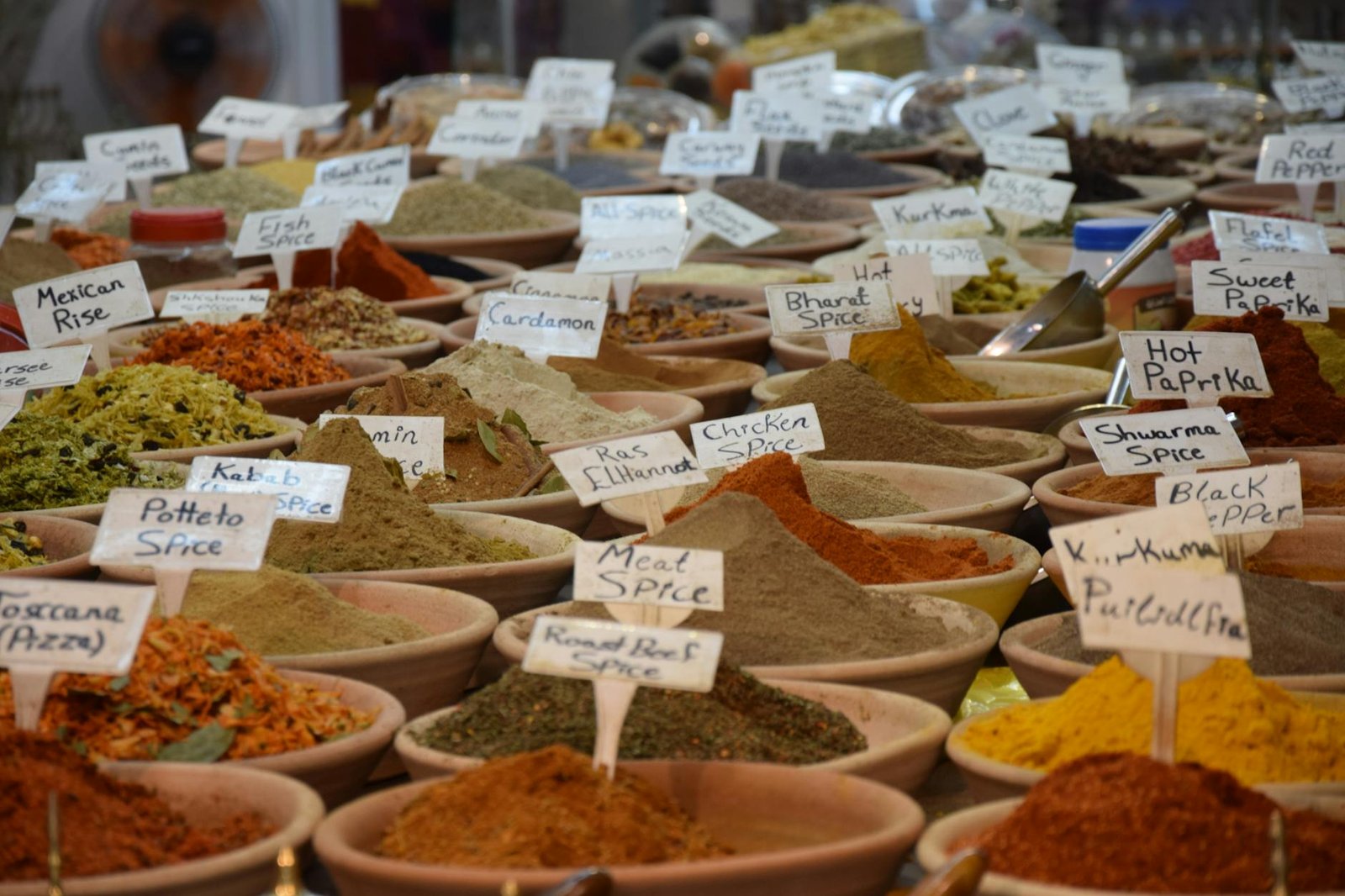
Beyond simply shopping, Mahane Yehuda has evolved into a culinary destination in itself. Vendors offer fresh juice stands where you can watch proprietors squeeze pomegranates and oranges before your eyes, while casual eateries tuck themselves into corners serving incredible hummus, sabich (a popular eggplant sandwich), and fresh seafood. Visit early in the morning when vendors are arranging their stalls and the market is less crowded, then return in the evening when the market transforms into a bustling social hub with bars and restaurants creating an exciting nightlife atmosphere. Don’t miss trying fresh labneh (strained yogurt) from the dairy vendors or sampling various types of za’atar spice blends.
Top Street Food: Authentic Bites You Can’t Miss
Jerusalem’s street food culture is among the most delicious and affordable ways to experience authentic local cuisine. Falafel remains the undisputed king of Jerusalem street food, and Abu Shukri in the Old City is legendary for good reason—their golden, crispy falafel is made fresh throughout the day and served warm with tahini sauce and fresh salad. Another must-try is sabich, a sandwich combining fried eggplant, potatoes, hard-boiled eggs, and tahini sauce, perfectly representing the layered flavors Jerusalem does so well.
Manakish—flatbread topped with za’atar, cheese, or meat—is the perfect breakfast or snack, best enjoyed warm from neighborhood bakeries throughout the city. For something heartier, try shawarma from established vendors in the Old City’s Muslim Quarter, where skilled cooks have been perfecting their craft for decades. Don’t overlook fresh fruit juice stands, Palestinian pastries like knafeh (cheese pastry with syrup), and roasted chickpea snacks sold from paper cones. Each of these street foods offers authentic, genuine flavors at minimal cost, making them perfect for budget-conscious travelers wanting to eat like locals.
The Old City’s Culinary Heritage
The Old City’s narrow, maze-like streets are where Jerusalem’s most traditional foods survive and thrive. The Muslim Quarter houses some of the city’s most venerable food establishments, many family-run for generations. Here you’ll find workshops where thin sheets of pastry are stretched by hand for baklava, bakeries where pita bread emerges from wood-fired ovens, and restaurants serving slow-cooked stews that have simmered since dawn. The Armenian Quarter offers its own distinctive cuisine, with restaurants serving lahmacun (Turkish flatbread with meat) and other specialties reflecting centuries of Armenian presence in Jerusalem.
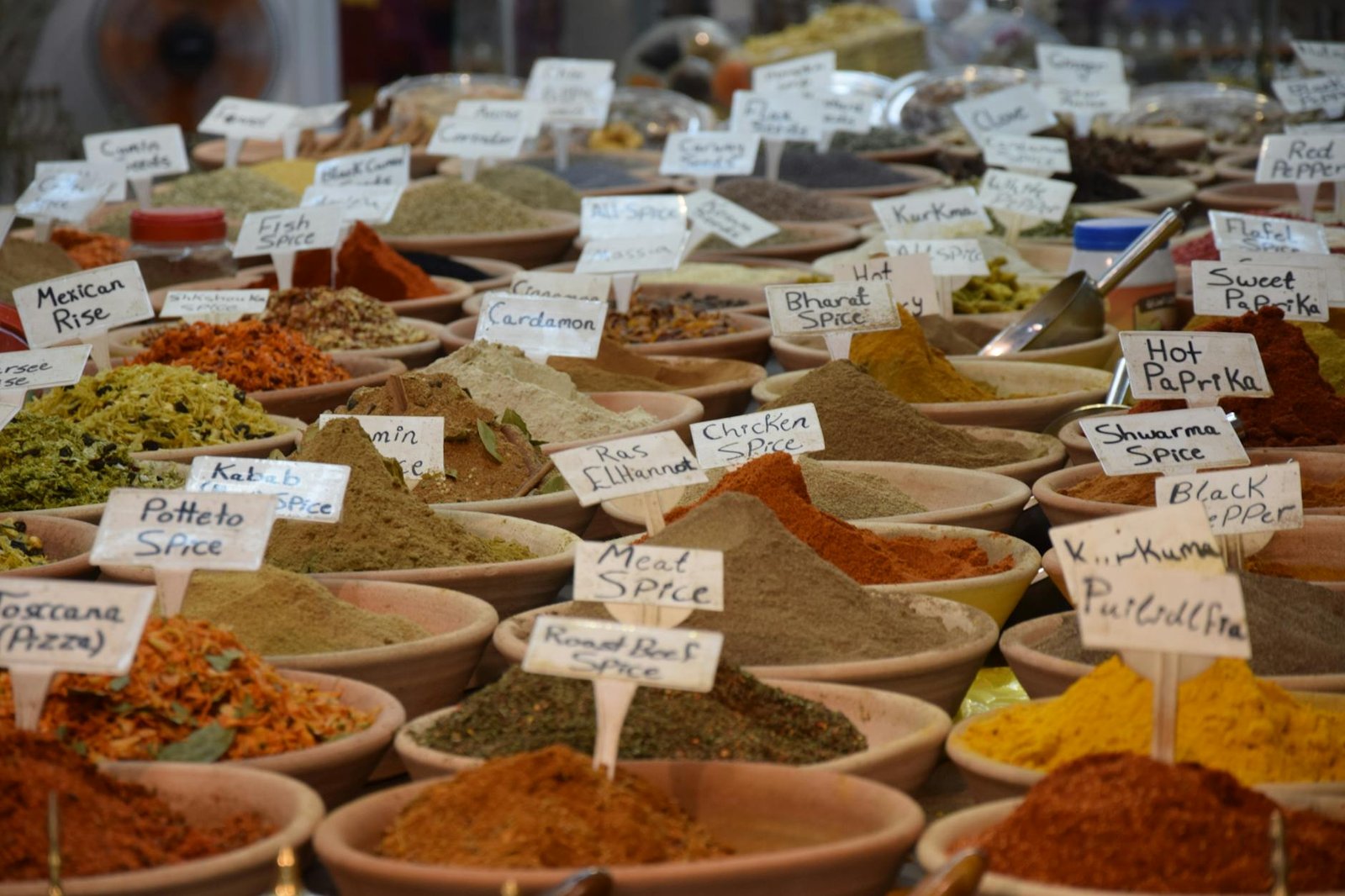
Walking through the Old City, stop at a spice merchant to experience the overwhelming aromas of sumac, cardamom, black seeds, and dozens of other seasonings that define Middle Eastern cooking. Visit Ein Karem, a charming village neighborhood within Jerusalem, known for its Palestinian restaurants and family-style dining experiences where home cooking is elevated to an art form. These traditional areas offer the most authentic tastes of Jerusalem’s culinary past, where recipes are passed down through families and cooking techniques remain relatively unchanged from centuries ago.
Best Restaurants: Where Tradition Meets Innovation
For fine dining experiences that celebrate Israeli and Palestinian cuisine, The Eucalyptus offers innovative cooking that respects traditional flavors while introducing creative presentations. Located in a historic building near the Old City, the restaurant provides an intimate setting and a carefully curated menu that changes with seasons. For a more contemporary setting, Chakra in the New City combines open kitchen cooking with an energetic atmosphere, serving elevated versions of traditional Jerusalem dishes. Both restaurants have earned international recognition while maintaining connections to local food traditions.
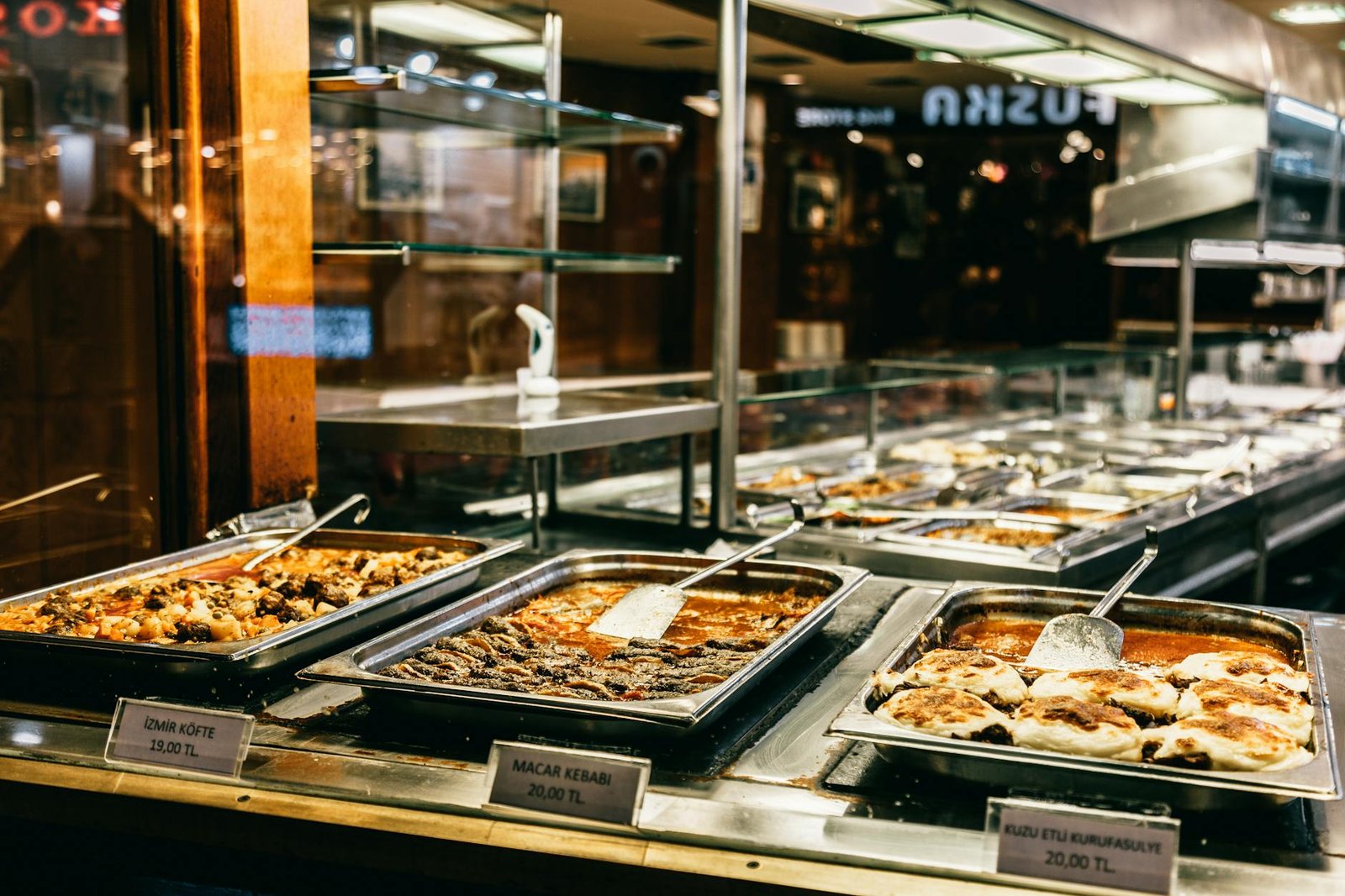
For more casual but equally excellent dining, Abu Shukri on Al Wad Street remains tops for hummus, served Arab-style swimming in olive oil and topped with tahina or pine nuts, alongside warm pita. Lina in the Old City serves authentic Palestinian cuisine in a family-style setting that feels like dining in someone’s home—in the best possible way. Promenade in Mamilla offers Mediterranean cuisine with stunning views of the Old City. No matter your budget or dining style preference, Jerusalem offers exceptional food experiences that showcase the city’s rich culinary heritage and contemporary innovation.
Best Food Tours: Exploring with Experts
Food tours offer the best way to navigate Jerusalem’s culinary landscape while learning stories behind the dishes and meeting vendors and chefs passionate about their craft. On Viator, several highly-rated tours allow you to explore Mahane Yehuda Market with knowledgeable guides who provide historical context and insider recommendations unavailable to independent travelers. These tours typically include tastings at multiple vendors and restaurants, making them excellent value and ensuring you experience the market’s highlights rather than getting lost in its labyrinthine passages.
GetYourGuide offers similar options, including specialized tours focusing on specific neighborhoods like the Old City’s Muslim Quarter or Ein Karem village. Many tours include visits to family-run restaurants where guides introduce you to proprietors who share stories about their cooking traditions. These curated experiences transform eating from simple sustenance into cultural immersion, helping you understand Jerusalem’s complex history through its food. Tours typically run three to four hours and cost between $60-$120 per person, including multiple food tastings.
When to Visit for Food: Seasonal Considerations
Spring (March-May) brings the best weather and features fresh produce at its peak—artichokes, asparagus, and leafy greens fill market stalls, and seasonal dishes shine brightest. Summer (June-August) offers long daylight hours perfect for extended market exploration, though the heat can be intense. Fall (September-November) brings pomegranate season, fresh grapes, and the beginning of olive harvest season, when special olive oil tastings and harvest celebrations occur throughout the region. Winter (December-February) is quieter and cooler, perfect for warming stews and soups, though fewer outdoor food markets occur.
Ramadan’s timing varies yearly, but if you visit during this month, Jerusalem’s culinary culture transforms dramatically. Evening meals after sunset (iftar) create unique dining experiences with special foods and extended social meals. The annual Jerusalem Food Festival (usually held in October) celebrates the city’s culinary diversity with cooking demonstrations, tastings, and chef collaborations throughout various neighborhoods. Plan your visit around seasonal produce and local celebrations to maximize your food experience.
Essential Tips for Food Lovers Visiting Jerusalem
Come hungry—portions are generous, flavors are bold, and you’ll want to sample multiple dishes throughout your day. Carry cash, as many of the best vendors and casual restaurants operate on a cash-only basis. Respect local customs and practices; ask before taking photographs in religious areas, and dress modestly when visiting the Old City. Learn a few Arabic and Hebrew phrases—vendors appreciate the effort, and “please” and “thank you” can lead to generous tastes and special recommendations.
Visit markets and popular restaurants during off-peak hours to avoid crowds and enjoy more intimate interactions with vendors. Don’t shy away from unfamiliar foods; street food vendors and market proprietors are usually happy to explain dishes and guide your choices. Stay hydrated in the Jerusalem heat, bring comfortable walking shoes for navigating the Old City’s cobblestone streets, and keep an open mind about food preparation methods that may differ from what you’re accustomed to at home. Most importantly, eat slowly and mindfully, allowing yourself to fully experience the flavors and stories that make Jerusalem’s food scene uniquely memorable.



Book a Food Experience in Jerusalem
Handpicked experiences — book with free cancellation and instant confirmation.
Explore More Food Tours
More food guides from Israel:
You might also enjoy:
- Beirut Food Tour Guide (Lebanon)
- Nicosia Food Tour Guide (Cyprus)
- Limassol Food Tour Guide (Cyprus)
- Antalya Food Tour Guide (Turkey)
- Bodrum Food Tour Guide (Turkey)
Featured in:
Frequently Asked Questions
What is the typical cost of a food tour in Jerusalem?
Most guided food tours in Jerusalem range from $50 to $120 per person, depending on the tour company and inclusions. Premium tours that visit upscale restaurants or include wine tastings can cost $150-200, while budget walking tours through markets might be $40-60.
How long do typical food tours in Jerusalem last?
Standard food tours in Jerusalem typically last 3 to 4 hours, covering multiple stops and neighborhoods. Some evening food tours or comprehensive culinary experiences can extend to 5-6 hours, while quick market tastings might be just 2 hours.
What local Jerusalem foods should I expect to try on a food tour?
You can expect to taste iconic Jerusalem dishes including hummus, falafel, sabich (Israeli eggplant sandwich), knafeh (sweet pastry with cheese), and fresh mezze platters featuring labneh and za'atar. Traditional items like Jerusalem mixed grill, malawach (flaky pastry), and Palestinian specialties like musakhan (sumac chicken) are also commonly featured.
Which Jerusalem neighborhoods are best for street food exploration?
The Old City's Arab market (souks) is legendary for street food, offering everything from fresh juices to meat pies and sweets. Mahane Yehuda Market in West Jerusalem is equally essential, packed with vendor stalls selling fresh produce, hummus, pastries, and international offerings. The Machane Yehuda area also has trendy modern eateries alongside traditional food stands.
How can I manage dietary restrictions on a Jerusalem food tour?
Inform your tour operator in advance about veganism, vegetarianism, allergies, or religious dietary laws like kashrut, as many Jerusalem tour companies specialize in customized experiences. Jerusalem has excellent vegetarian options given the Mediterranean diet focus, and many restaurants are familiar with accommodating gluten-free, dairy-free, and kosher requirements.