Yogyakarta Food Tour – Best Local Food & Restaurants
Yogyakarta, Indonesia: The Ultimate Food Guide
Introduction: Why Yogyakarta is a Food Lover’s Paradise
Yogyakarta, the cultural heart of Java, is one of Indonesia’s most vibrant destinations for food enthusiasts. This historic city seamlessly blends ancient traditions with contemporary culinary innovation, creating a food scene that reflects centuries of Javanese heritage. From humble street stalls serving generations-old recipes to upscale restaurants celebrating local ingredients, Yogyakarta offers an authentic gastronomic journey that tells the story of its people.
The city’s location in the fertile volcanic plains of Central Java means access to exceptionally fresh produce, herbs, and proteins that form the foundation of Javanese cuisine. Walking through Yogyakarta’s neighborhoods, you’ll encounter cooking methods unchanged for decades, family recipes passed down through generations, and a deep respect for flavor balance that defines Indonesian culinary philosophy. Whether you’re a casual traveler or a devoted foodie, Yogyakarta promises unforgettable culinary experiences.
The Iconic Dishes You Must Try
Gudeg stands as Yogyakarta’s most celebrated dish, and no visit is complete without tasting this iconic preparation. This rich curry made from unripe jackfruit is cooked slowly for hours with coconut milk, creating a tender, mellow texture with subtle sweetness. It’s traditionally served as a complete meal with chicken, hard-boiled eggs, and sambal ulek on the side, creating a perfect balance of flavors. Restaurants throughout the city serve gudeg, but Gudeg Yu Djum near Malioboro Street is legendary among locals and visitors alike.
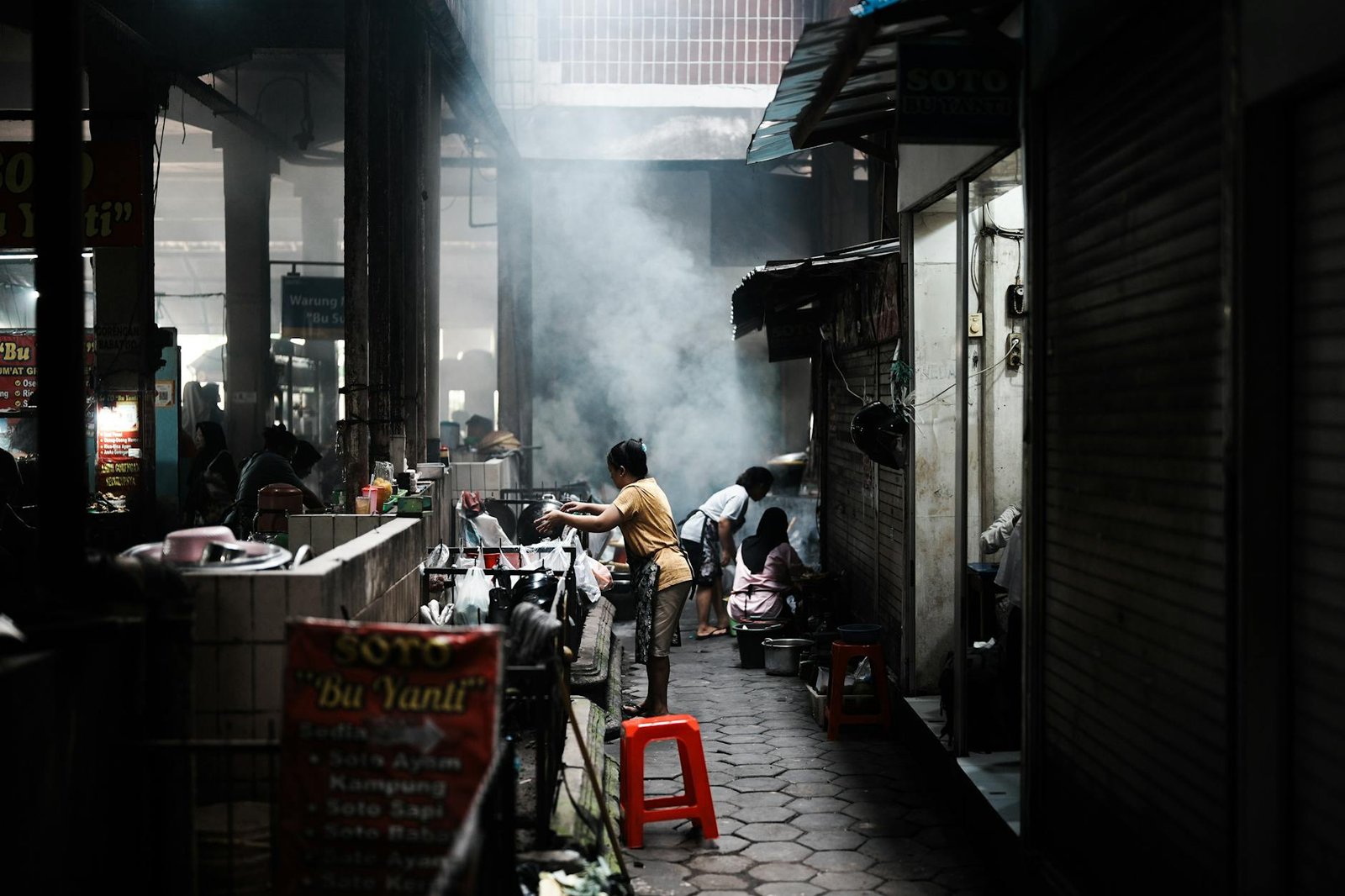
Soto Ayam, a fragrant turmeric-based chicken soup, appears on nearly every restaurant menu and at countless street carts. This comforting dish combines tender chicken with earthy spices like turmeric, galangal, and lemongrass, finished with a squeeze of lime and crispy fried shallots. Each vendor has their own recipe, making it worth sampling from multiple sources. Additionally, Nasi Kuning (yellow rice), Lumpia (spring rolls), and Perkedel (potato croquettes) round out the essential Yogyakarta dining experience.
Exploring Malioboro Street’s Food Scene
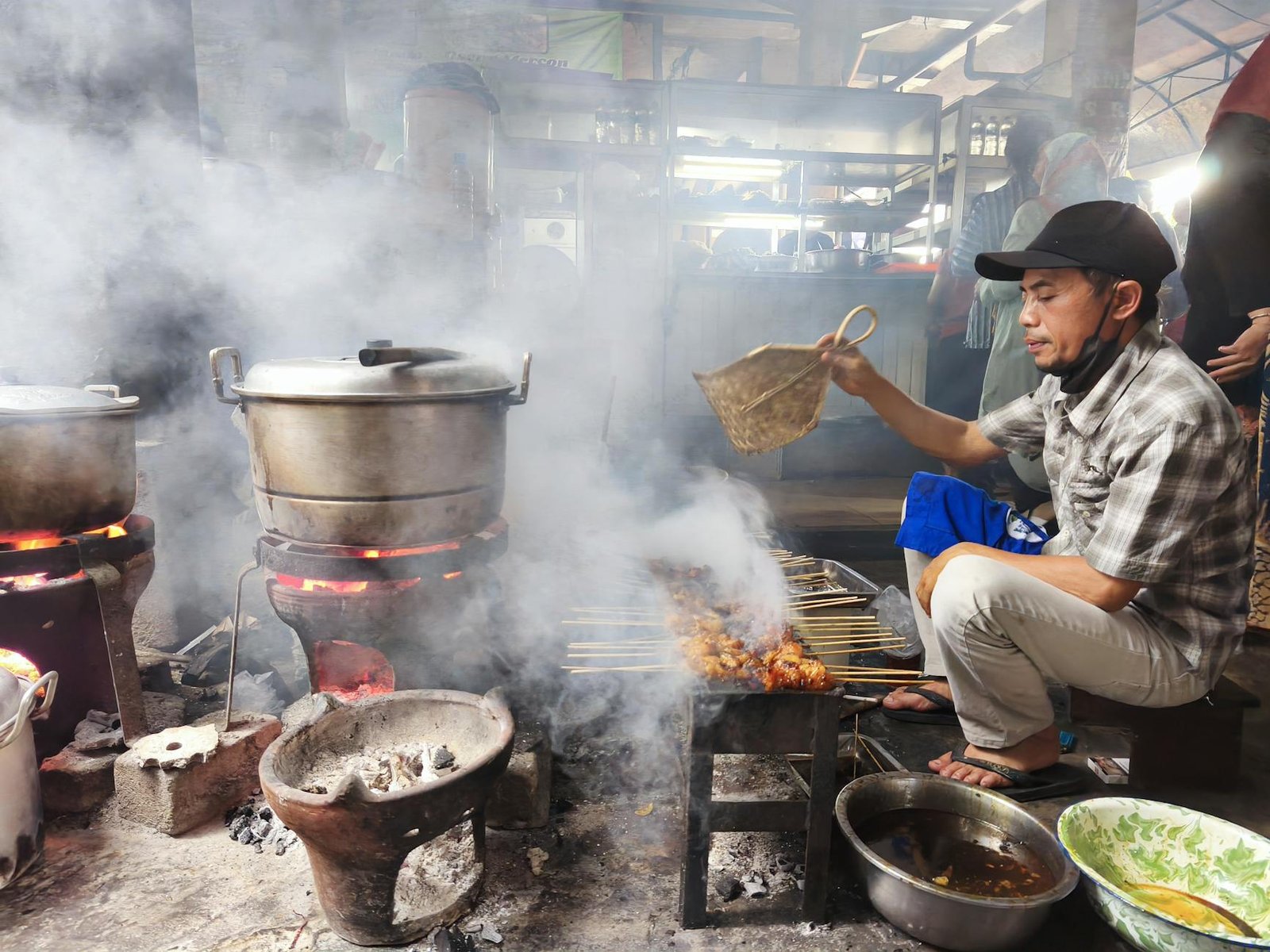
Malioboro Street, Yogyakarta’s most famous thoroughfare, transforms into a culinary wonderland after sunset. This bustling pedestrian mall features food stalls, warung, and casual eateries lining both sides, creating an intoxicating atmosphere filled with sizzling woks and aromatic spices. The street’s vendors specialize in quick, affordable meals designed for grazing—perfect for experiencing multiple dishes in one evening. From grilled satay skewers to creamy es cendol (coconut milk and pandan ice), Malioboro delivers authentic street food without pretension.
The best strategy for Malioboro is to arrive hungry and move deliberately from stall to stall, sampling different specialties. Try the bakso (meatball soup) from dedicated soup vendors, grab some grilled corn with butter and cheese, then finish with sweet treats like martabak (stuffed pancakes) or pisang goreng (fried bananas). The energy here is infectious, and you’ll witness locals mixing freely with tourists, all united by their love of good food and good company.
Top Street Food and Must-Try Snacks
Yogyakarta’s street food culture is exceptionally rich, with iconic snacks appearing at every corner. Satay from the numerous warung throughout the city is grilled to perfection over charcoal, served with either peanut or coconut sauce. The meat is threaded on thin bamboo skewers and cooked until slightly charred, creating incredible depth of flavor. Similarly, Soto Banjar (spiced beef soup from Banjarmasin) and Bakso offers satisfy both casual hunger and serious cravings, available from street carts that have operated in the same locations for decades.
Don’t miss Es Cendol, a shaved ice dessert topped with pandan-flavored rice flour strands and sweetened condensed milk, available at small carts throughout the city. Lumpia Goreng (fried spring rolls) from stalls in the Kotagede neighborhood are exceptionally thin and crispy, often filled with vegetables or meat. Perkedel and Tahu Goreng (fried tofu) offer satisfying vegetarian options, while Kripik Tempe (fried tempeh chips) make excellent portable snacks to eat while exploring.
Traditional Markets: Where Locals Shop and Eat
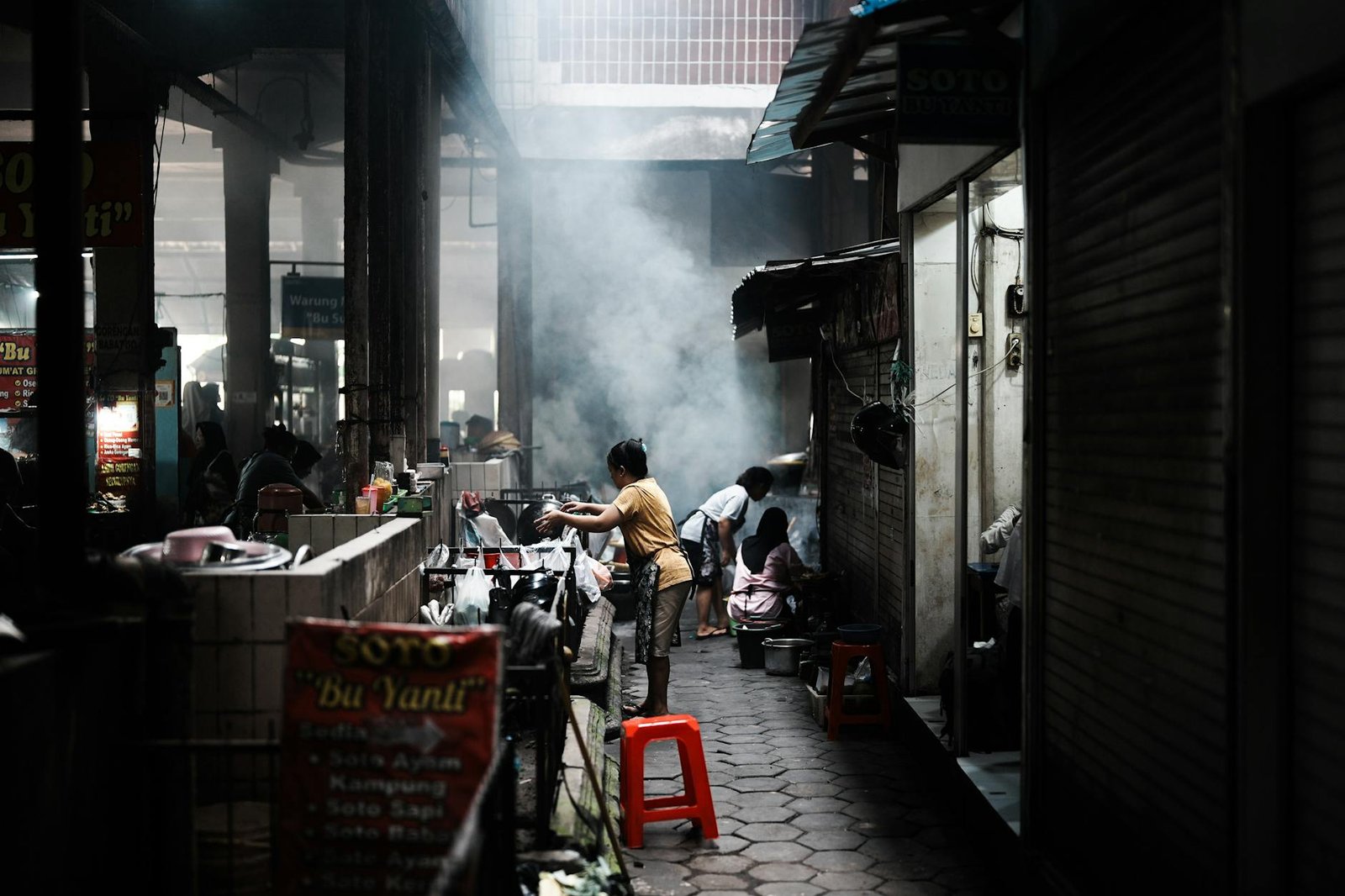
Beringharjo Market, Yogyakarta’s oldest traditional market, extends far beyond shopping for souvenirs and textiles. The market’s food section pulses with activity from early morning, featuring fresh produce, spices, and prepared dishes. Here you’ll find street vendors serving authentic breakfasts—bubur (rice porridge), fried rice, and freshly made banana chips—to locals starting their day. The market’s maze-like corridors reveal authentic food experiences impossible to find elsewhere, where prices are remarkably low and portions generous.
Pasty Market (Pasar Pasty) specializes in traditional Javanese prepared foods and snacks, making it an ideal destination for sampling multiple dishes quickly. The market offers various versions of regional specialties, allowing you to compare different vendors’ approaches to the same dish. Shopping and eating here connects you directly with Yogyakarta’s food culture, providing authentic interactions with the people who produce and cook this cuisine daily.
Best Restaurants for Traditional and Contemporary Cuisine
Water Castle Cafe near the Taman Sari Palace specializes in refined traditional Javanese cuisine, offering dishes like Opor Ayam (chicken in coconut milk) and Rawon (black beef soup) in a comfortable, air-conditioned setting. For upscale dining, Bale Raos presents Javanese dishes in an elegant garden setting, perfectly showcasing how traditional recipes translate to fine dining. These establishments are ideal when you want to experience authentic flavors with extended, focused attention to preparation and presentation.
For contemporary interpretations of Javanese food, Kedai Kebun offers farm-to-table dining using locally sourced ingredients in creative preparations. Gudeg Yu Djum, a fourth-generation institution on Jalan Wijilan, serves gudeg — jackfruit stewed in coconut milk with rice, chicken and egg — still cooked over firewood as it has been since the 1950s. Each restaurant offers different perspectives on Yogyakarta’s food culture, from preservation of time-honored traditions to innovative reinterpretation of classic flavors.
Best Food Tours: Guided Experiences
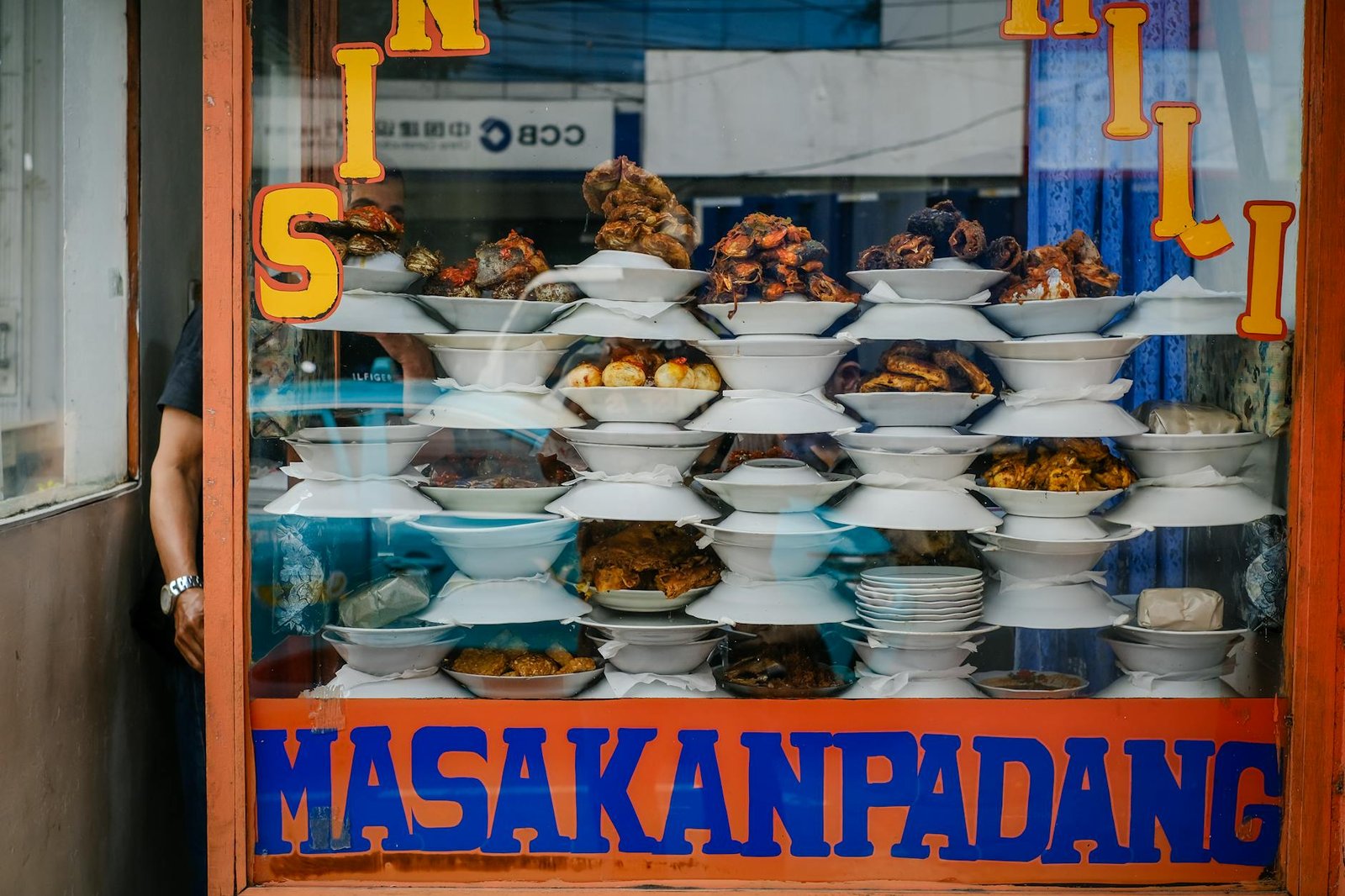
For those preferring organized exploration, Viator offers several excellent Yogyakarta food tours, including evening market and street food tours that guide you through Malioboro and local neighborhood eateries with expert knowledge. GetYourGuide features similarly comprehensive options, including cooking classes combined with market visits that teach you how to prepare authentic Javanese dishes. These platforms connect you with experienced local guides who provide context, history, and insider knowledge about specific dishes and vendors.
Many tours include visits to multiple street food locations, traditional markets, and specialized restaurants, allowing you to sample many dishes in one evening. Guides often have established relationships with vendors, ensuring you taste the best preparations and meet the people behind these businesses. Food tours typically cost between $35-75 per person and represent excellent value, combining education, experience, and multiple meals.
When to Visit for Food
Visit Yogyakarta during the dry season (May to September) when weather is most pleasant for exploring street markets and eating at outdoor stalls. However, Yogyakarta’s food scene thrives year-round, and even rainy season visits offer advantages—fewer tourists at popular spots and special seasonal dishes. If possible, time your visit around local festivals, when special dishes appear and food culture intensifies with community celebrations.
Early mornings are optimal for experiencing breakfast foods and visiting markets when energy peaks and selections are freshest. Evening visits to Malioboro Street (roughly 5 PM onwards) reveal the full street food spectacle, with vendors setting up and crowds building steadily through the night. Plan flexibility into your schedule to follow recommendations from locals and stumble upon unmarked gems that don’t appear in guidebooks but serve incredible food.
Practical Tips for Food Exploration
Bring cash to street vendors and small warung, as many don’t accept cards. Stay hydrated and use bottled water, and start your food adventure with lighter items before progressing to richer dishes. Don’t hesitate to watch food preparation—transparency and cleanliness are generally excellent at popular, crowded stalls where turnover is high. Learning a few Indonesian food words like “pedas” (spicy), “tidak pedas” (not spicy), and “enak” (delicious) enhances interactions and shows respect.
Yogyakarta’s food culture rewards curiosity and openness. Ask locals for recommendations, observe where crowds gather, and don’t shy away from unfamiliar preparations. This city’s culinary heritage spans centuries, and every meal offers opportunities to connect with its people and history through the universal language of delicious food.



Book a Food Experience in Yogyakarta
Handpicked experiences — book with free cancellation and instant confirmation.
Explore More Food Tours
More food guides from Indonesia:
You might also enjoy:
- Melbourne Food Tour Guide (Australia)
- Sydney Food Tour Guide (Australia)
- Kuala Lumpur Food Tour Guide (Malaysia)
- Penang Food Tour Guide (Malaysia)
Featured in:
Frequently Asked Questions
What is the typical cost of a food tour in Yogyakarta?
A typical food tour in Yogyakarta costs between 250,000 to 500,000 IDR (approximately $15-30 USD) per person for a 3-4 hour guided tour, including multiple food tastings and drinks. Budget tours may start at 150,000 IDR, while premium private tours can exceed 1,000,000 IDR depending on the operator and inclusions.
How long do food tours in Yogyakarta typically last?
Most food tours in Yogyakarta last between 3 to 4 hours, covering multiple stops at local eateries and street food vendors in a concentrated neighborhood area. Some extended evening food tours can last 5-6 hours and include dining at a traditional Javanese restaurant.
What local Yogyakarta foods should I expect to try on a food tour?
Expect to sample iconic Yogyakarta dishes such as gudeg (young jackfruit stew), soto ayam (chicken soup with turmeric), satay with peanut sauce, lumpia (spring rolls), and bakpia (sweet pastries). You'll also likely taste street food specialties like perkedel (potato fritters), tahu goreng (fried tofu), and traditional jamu herbal drinks unique to the region.
Which neighborhoods in Yogyakarta are best for street food tours?
Malioboro Street is the most famous and vibrant area for street food and snacks, bustling with vendors and tourist-friendly eateries. Alternatively, Kotagede is an excellent neighborhood for authentic local food experiences with traditional Javanese cuisine and fewer tourists, while the area around Ramai Market offers genuine morning street food culture frequented by locals.
How can I handle dietary restrictions on a Yogyakarta food tour?
Inform your tour operator about dietary restrictions at least 48 hours in advance, as many guides can customize stops to accommodate vegetarian, vegan, halal, or allergy requirements. Yogyakarta offers excellent vegetarian options with abundant tofu, tempeh, and vegetable dishes, though seafood and meat are prevalent in many traditional dishes, so clear communication is essential.