
Riyadh Food Tour – Best Local Food & Restaurants
Riyadh, Saudi Arabia: The Ultimate Food Guide
Introduction to Riyadh’s Culinary Scene
Riyadh’s food culture represents a fascinating blend of ancient Bedouin traditions, Arabian Peninsula influences, and modern cosmopolitan tastes. As Saudi Arabia’s capital and largest city, Riyadh has transformed into a gastronomic destination that honors centuries-old recipes while embracing contemporary dining experiences. The city’s restaurants, street vendors, and traditional markets offer visitors an authentic taste of Saudi Arabian cuisine that extends far beyond what most travelers expect.
The culinary landscape of Riyadh tells stories of trade routes, family gatherings, and the sacred traditions of Arabian hospitality. From humble shawarma stands to lavish five-star establishments, every meal in Riyadh carries cultural significance. Whether you’re exploring the bustling Al Nakheel Market or dining in the upscale neighborhoods of Olaya and Diplomatic Quarter, you’ll discover that Saudi cuisine is deeply rooted in simplicity, flavor, and community.
Traditional Saudi Dishes You Must Try
Kabsa stands as Saudi Arabia’s national dish and is an absolute must-try when visiting Riyadh. This aromatic rice dish combines fragrant basmati rice, tender meat (usually lamb, chicken, or sometimes camel), and a complex blend of spices including cardamom, cloves, cinnamon, and bay leaves. The meat is cooked separately until fall-apart tender, then the rice is layered with meat broth, creating a harmonious marriage of flavors. Many restaurants throughout Riyadh serve exceptional kabsa, but family-run establishments in neighborhoods like Malaz and Sulamaniyah often provide the most authentic preparations.
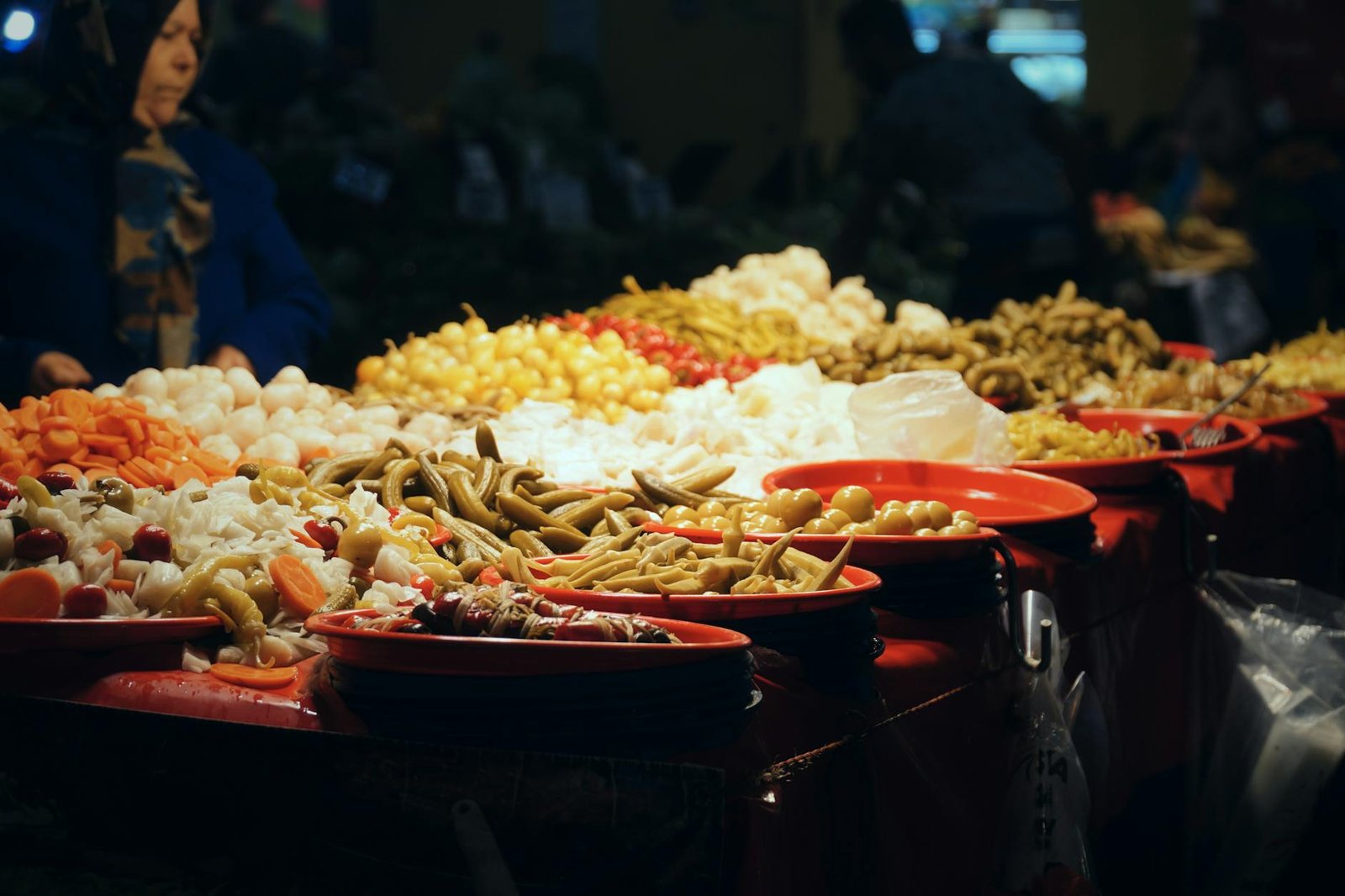
Mansaf is another iconic Saudi dish that deserves your attention, though it’s more commonly associated with Levantine cuisine, it’s beloved throughout Riyadh. This impressive dish features lamb cooked in a yogurt-based sauce infused with jameed (dried yogurt) and served over thin bread with a generous drizzle of ghee. Umm Ali, a delightful bread pudding dessert made with phyllo pastry, milk, and topped with nuts and raisins, offers the perfect sweet ending to your meal. These dishes represent the heart of Arabian dining traditions and can be found in traditional restaurants throughout the city’s residential neighborhoods.
Top Street Food Experiences
The street food scene in Riyadh comes alive, particularly in the evenings, offering some of the most affordable and flavorful eating experiences in the city. Shawarma remains king in the street food hierarchy, with countless vendors expertly carving spiced meat from vertical rotisseries and wrapping it in soft pita bread with tomatoes, onions, and tahini sauce. The area around Chop Chop Square and the streets of the old city center host some of the most legendary shawarma stands, where long queues of locals queue for quick, satisfying meals.
Falafel wraps, fuul (stewed fava beans), and hummus platters dominate the breakfast street food culture in Riyadh. Early morning vendors in Al Nakheel Market and near the Grand Mosque prepare massive portions of creamy hummus topped with warm chickpeas and drizzled with olive oil, perfect for dipping warm flatbread. Grilled corn, roasted chestnuts, and fresh fruit smoothies from juice stands offer lighter options for those exploring the city during day hours. These street food experiences provide authentic cultural immersion at minimal cost.
Al Nakheel Market and Traditional Souks
Al Nakheel Market represents the beating heart of Riyadh’s culinary culture, stretching through the Al Batha district with vendors selling everything from fresh produce to dried spices, nuts, and traditional ingredients. This sprawling market captivates all senses with colorful displays of pomegranates, dates, pistachios, and almonds, alongside intoxicating aromas of cumin, coriander, saffron, and cardamom. Walking through these narrow lanes, you’ll encounter vendors eager to share their products, explain traditional cooking methods, and offer samples of their finest goods.
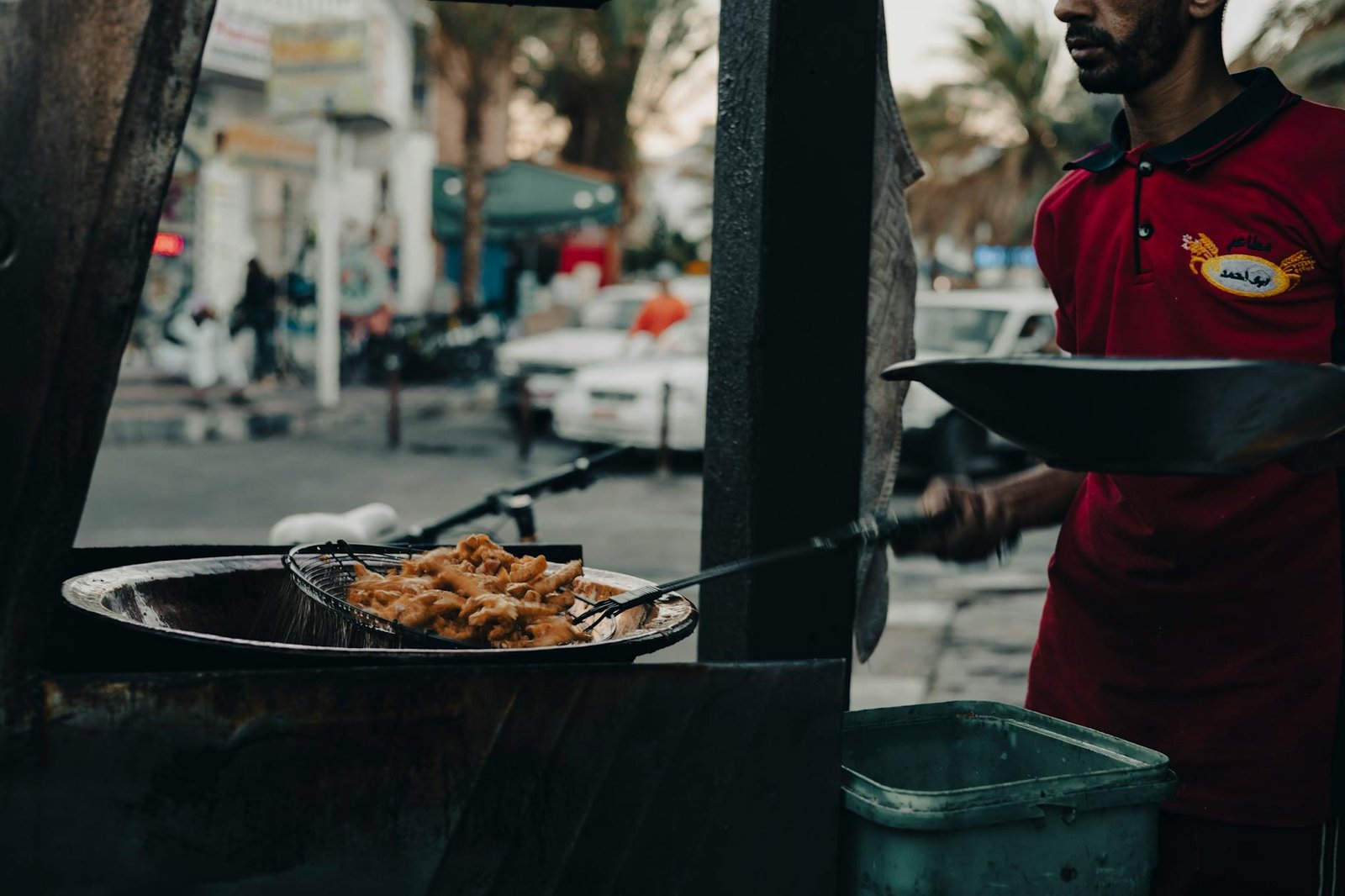
The spice section of Al Nakheel Market is particularly mesmerizing, with towering heaps of vibrant spices in every imaginable color. You can purchase premium saffron, whole nutmeg, dried limes (loomi), black seeds, and countless other ingredients essential to Saudi cuisine. The market also features ready-made foods, with vendors preparing fresh falafel, grilled meats, and traditional sweets. Visiting early morning offers the best experience, when the market bustles with locals doing their daily shopping and the energy is most vibrant.
Best Restaurants in Riyadh
Midtown Street is a quietly beloved spot in Riyadh, known for its inviting atmosphere and quality food that keeps locals coming back. For those seeking authentic flavors, Mama Noura on King Abdullah Road has long been a go-to for fresh bread and classic Saudi breakfast staples at honest prices. For upscale dining, Nobu in the Park Hyatt Riyadh offers sophisticated contemporary cuisine, while La Brasserie لابراسيري provides contemporary fare in an elegant setting along King Fahd Road.
Aseeb Restaurant specializes in Saudi Arabia’s national dish, kabsa, offering various meat options and regional variations that showcase the diversity within this single beloved dish. For fine dining with traditional flavors in a refined setting, Taleed by Michael Mina delivers an elevated experience ideal for special occasions. Café Bateel, located in various premium locations, combines traditional flavors with contemporary presentation, while Baik, though a fast-casual establishment, serves legendary fried chicken that has achieved cult status among Riyadh residents and visitors alike.
Best Food Tours Available
Several established tour companies offer excellent food tours throughout Riyadh that provide guided culinary experiences. Viator offers various Riyadh food tours that include visits to local markets, traditional restaurants, and street food vendors, with knowledgeable guides explaining the cultural significance of each dish. These tours typically include tastings at multiple locations and provide excellent context for understanding Saudi Arabian food culture and traditions.
GetYourGuide similarly features curated food experiences in Riyadh, including market tours combined with cooking classes and restaurant visits. These professionally organized tours remove the guesswork from finding authentic experiences and often include skip-the-line access to popular dining establishments. Many tours include hotel pickup and drop-off, making them convenient for travelers unfamiliar with the city’s layout and dining scene.
When to Visit for the Best Food Experience
Winter months from November through February offer the most pleasant climate for food exploration in Riyadh, with comfortable daytime temperatures perfect for market browsing and street food sampling. During this period, restaurants often feature seasonal menus highlighting fresh produce, and the cooler evenings encourage outdoor dining and evening market visits. Ramadan presents a unique culinary opportunity, as the city transforms during sunset with special food markets, traditional iftar meals, and extended dining hours that showcase Saudi Arabia’s most elaborate feasts.
However, visitors should note that many restaurants maintain different hours during Ramadan, with some remaining closed during fasting hours before evening. The Saudi National Day in September and various festival periods throughout the year often feature special culinary events and promotional menus at restaurants across the city. Plan your visit accordingly if you want to experience specific seasonal dishes or participate in traditional food-centered celebrations and gatherings.
Practical Tips for Food Exploration
Always arrive at popular street food vendors early, especially at breakfast time, as the best items sell out quickly. Many traditional restaurants don’t have extensive English menus, so downloading a translation app or asking your hotel staff for recommendations helps navigate dining options. Respect local customs by dining modestly, especially during Ramadan, and remember that alcohol is not served in Saudi Arabia, so traditional drinks like fresh fruit juices, Turkish coffee, and cardamom-infused Arabic coffee are the beverages of choice.
Haggling is common in markets but not in restaurants. Cash is still widely accepted, though most establishments now accept card payments. Tipping around 10-15 percent is customary in restaurants. Finally, don’t hesitate to ask locals for recommendations—Riyadh’s residents are genuinely proud of their culinary traditions and love sharing dining discoveries with visitors.



Book a Food Experience in Riyadh
Handpicked experiences — book with free cancellation and instant confirmation.
Explore More Food Tours
More food guides from Saudi Arabia:
You might also enjoy:
- Abu Dhabi Food Tour Guide (UAE)
- Dubai Food Tour Guide (UAE)
- Alexandria Food Tour Guide (Egypt)
- Cairo Food Tour Guide (Egypt)
- Tbilisi Food Tour Guide (Georgia)
Frequently Asked Questions
What is the typical cost of a food tour in Riyadh?
A standard guided food tour in Riyadh typically costs between 250-500 SAR (approximately $67-133 USD) per person, depending on the tour operator and inclusions. Premium tours that include multiple restaurants or private guides can range from 600-1,000 SAR per person. Most tours include tastings at 4-6 locations with beverages, though alcohol is not served due to Saudi Arabia's laws.
How long do food tours in Riyadh typically last?
Most food tours in Riyadh last between 3-4 hours, covering a concentrated neighborhood on foot or with short vehicle transfers. Evening tours typically run from 5-9 PM to experience the vibrant street food scene when vendors are most active. Some comprehensive all-day culinary experiences can extend to 6-8 hours with multiple neighborhoods and restaurant visits.
What local Riyadh foods should I expect to try on a food tour?
You'll typically encounter signature Riyadh dishes such as kabsa (spiced rice with meat), shawarma, falafel, and grilled lamb kebabs. Expect to sample local specialties like mutabbaq (stuffed pancakes), hummus, tabbouleh, and freshly baked khubz bread from traditional ovens. Sweet treats like date-filled ma'amoul cookies and kunafa desserts are common tour finales, often paired with traditional Arabic coffee and tea.
Which neighborhoods in Riyadh are best for street food tours?
Al Balad (the historic old town) offers the most authentic street food experience with vendors selling traditional Saudi cuisine in narrow souks and bustling markets. Dira Market and the surrounding area near the Grand Mosque are excellent for exploring local food stalls and traditional restaurants. Chop Chop Square area has modernized street food vendors alongside heritage food experiences, making it ideal for visitors seeking a balance of tradition and contemporary Riyadh culture.
How can I manage dietary restrictions on a Riyadh food tour?
Most tour operators require advance notice of dietary restrictions and can arrange vegetarian, vegan, or gluten-free alternatives at participating restaurants and food stalls. Saudi cuisine naturally accommodates many restrictions with abundant vegetable-based dishes, grilled meats, and rice options. Inform your guide immediately about allergies or restrictions, as many traditional dishes contain common allergens like sesame, nuts, and dairy, and vendors may not always have ingredient information readily available.