Vilnius Food Tour – Best Local Food & Restaurants
Vilnius, Lithuania: The Ultimate Food Guide
Introduction: A Culinary Gem in the Baltics
Vilnius, Lithuania’s charming capital, is rapidly becoming one of Europe’s most exciting food destinations. Nestled between Eastern European tradition and contemporary culinary innovation, this medieval old town offers visitors an authentic taste of Baltic culture through its distinctive cuisine. From humble potato pancakes served at family-run establishments to innovative tasting menus, Vilnius presents a fascinating food journey that tells the story of Lithuania’s rich history and cultural identity.
The Lithuanian food scene is characterized by hearty, honest cooking that celebrates local ingredients and centuries-old traditions. Unlike more touristy European capitals, Vilnius maintains an authenticity that makes exploring its culinary landscape genuinely rewarding. Whether you’re wandering through the atmospheric Old Town or discovering hidden gems in the Soviet-era neighborhoods, every meal here connects you to the soul of this Baltic nation.
Traditional Lithuanian Dishes Worth Tasting
No visit to Vilnius is complete without experiencing cepelinai, Lithuania’s most iconic national dish. These substantial potato dumplings, named after the Zeppelin airships they resemble, are typically filled with meat or mushrooms and served with sour cream and bacon bits. The preparation is an art form passed down through generations—the potato dough must be perfectly balanced to achieve the ideal texture, neither too dense nor too light. You’ll find excellent versions throughout the city, but locals swear by family recipes that have remained unchanged for decades.

Kugelis, another essential Lithuanian comfort food, is a baked potato pudding studded with meat and bacon that transforms simple potatoes into something unexpectedly luxurious. Šaltibarščiai, a vibrant cold beet soup served with potatoes and fresh dill, is the perfect summer introduction to Lithuanian flavors. Don’t miss kibinai either—savory pastries filled with meat and onions originating from the Kaunas region that have become beloved throughout the country. These dishes represent the agricultural heritage of Lithuania, where potatoes, beets, and grain have sustained the population for centuries.
Vilnius Old Town: Where History Meets Flavor
The UNESCO-listed Old Town, with its narrow medieval streets and Gothic architecture, is the heart of Vilnius’s food culture. Cathedral Square and the surrounding streets form a living museum where you can eat in establishments that have served the same dishes for generations. The Old Town’s main streets, including Pilies and Didzioji, are lined with restaurants ranging from casual family-run establishments to upscale dining venues that command respect throughout the Baltic food scene.
Walking through the Old Town’s winding passages, you’ll discover tiny restaurants tucked into centuries-old buildings where the walls themselves seem to tell stories. These venues often feature rustic wooden interiors, candlelit tables, and menus celebrating regional Lithuanian specialties. The atmosphere here is authentically medieval—some restaurants even maintain their original vaulted brick ceilings from the 13th century, creating a uniquely atmospheric dining experience that transports you back in time.
Best Restaurants: From Fine Dining to Local Favorites
Ertlio Namas is a Vilnius restaurant listed in the MICHELIN Guide, showcasing contemporary interpretations of Lithuanian cuisine. Chef Rokas Augutis transforms traditional recipes into artistic presentations without compromising their essential character. For a more casual yet equally impressive experience, Forto Dvaras in the Old Town specializes in authentic Lithuanian country cooking, with their cepelinai and kugelis drawing crowds of devoted regulars who consider them the gold standard.
For a contemporary take on Lithuanian flavors, Džiaugsmas combines modern techniques with traditional ingredients, creating innovative dishes that respect culinary heritage. Nineteen18 specializes in Lithuanian and European fusion cuisine with an excellent wine selection, perfect for those seeking sophistication without pretension. Each establishment tells a different story about Lithuanian food culture, making multiple visits throughout your stay highly rewarding.
Top Street Food and Market Experiences
Hales Market (Kalnu turgus), located near the Cathedral, is Vilnius’s primary food market where local vendors sell everything from fresh produce to prepared traditional foods. Here you’ll find babcia (grandmother) selling freshly made kibinai, milk products from local farms, and seasonal berries that define Lithuanian agriculture. The market atmosphere is vibrant and authentic—this is where locals shop, making it the real heart of the city’s food culture rather than a tourist attraction.
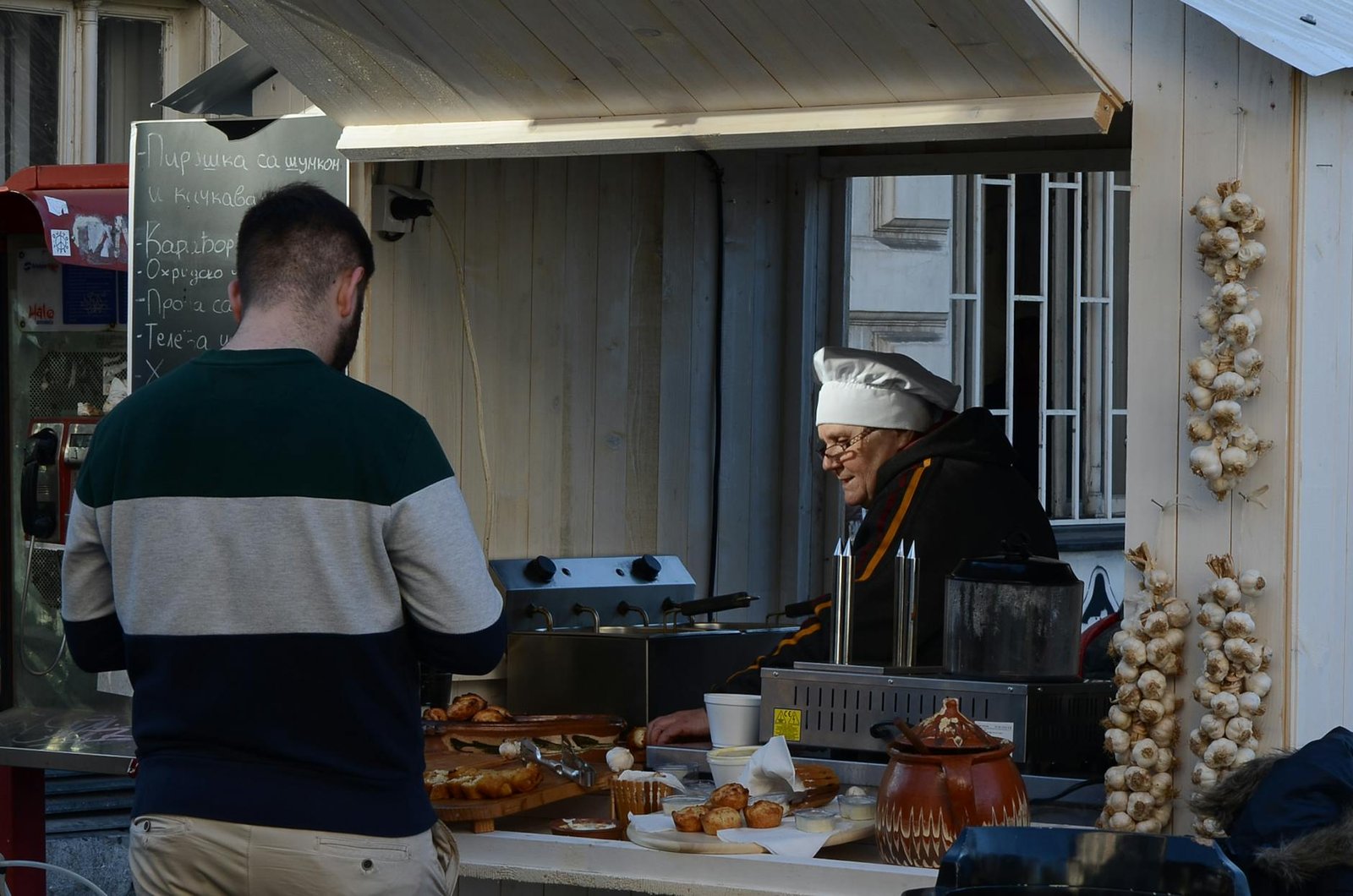
Street food culture in Vilnius centers around quick, satisfying bites meant to fuel the day. Pastry stands throughout the Old Town sell palachinta (thin pancakes) with savory or sweet fillings, while vendors offer fresh smoked fish that showcases Lithuania’s Baltic coastal heritage. Kepta duona, a fried rye bread served with garlic sauce, has become a beloved street food staple at markets and festivals. Crepe stands offering both traditional Lithuanian preparations and contemporary variations are scattered throughout Old Town, providing portable options for those exploring on foot.
Best Food Tours for Comprehensive Exploration
Viator offers several excellent Vilnius food tours, including guided experiences through Old Town with tastings of traditional dishes and visits to local favorites. These tours typically include stops at Hales Market, demonstrations of traditional cooking techniques, and meals at family-run establishments that tourists might otherwise miss. The knowledgeable local guides provide context about Lithuanian food history while sharing personal recommendations based on years of experience.
GetYourGuide features specialized food tours focusing on different aspects of Lithuanian cuisine, from traditional market tours to cooking classes where you’ll prepare cepelinai under expert guidance. These platforms also offer wine and craft beer pairing experiences, allowing you to explore Lithuania’s developing artisanal beverage scene. Booking through these services ensures professional guides who speak multiple languages and possess deep knowledge of Vilnius’s culinary landscape, making your food experience both educational and delicious.
When to Visit for Optimal Food Experiences
Summer months, particularly June through August, offer the best seasonal ingredients and outdoor dining experiences. Fresh vegetables reach peak flavor, wild berries become available, and restaurants open terrace seating throughout Old Town where you can enjoy meals while watching the city’s medieval streets bustle with activity. Food festivals occur regularly during summer, showcasing regional specialties and allowing you to sample dishes from across Lithuania in one location.
However, winter in Vilnius creates its own culinary magic, with hearty soups, warm potato dishes, and traditional baked goods coming into their element. December’s Christmas markets feature festive traditional foods, warming drinks, and seasonal specialties that embody Lithuanian holiday traditions. Spring brings fresh greens and lighter preparations, while autumn offers mushroom season—when many restaurants feature porcini, chanterelle, and other wild varieties that have defined Baltic cuisine for centuries. Plan your visit around these seasonal transitions to experience Lithuanian food at its finest.
Practical Tips for Food Exploration
Most restaurants in Vilnius accept both cash and cards, though some traditional establishments in Old Town prefer cash. Learning a few Lithuanian phrases, particularly food-related ones, endears you to locals and enhances your dining experience. Portion sizes are generous throughout the city, so plan accordingly and don’t hesitate to share dishes or ask for smaller portions if needed. Dinner typically begins between 7 and 9 PM, so dining earlier might mean quieter restaurants but potentially different service styles.
Restaurant reservations are recommended for established venues, particularly during peak season and weekends. English menus are common in tourist areas, but having a translation app handy enriches your understanding of dishes and their origins. Consider staying in Old Town or nearby neighborhoods to facilitate convenient food exploration, and allow ample time for leisurely meals—Lithuanians value the dining experience itself, not just the food. Most importantly, maintain flexibility in your plans; some of the best food experiences happen when you follow your nose into an unmarked restaurant recommended by a local.


Book a Food Experience in Vilnius
Handpicked experiences — book with free cancellation and instant confirmation.
Explore More Food Tours
More food guides from Lithuania:
You might also enjoy:
- Liepaja Food Tour Guide (Latvia)
- Riga Food Tour Guide (Latvia)
- Krakow Food Tour Guide (Poland)
- Lodz Food Tour Guide (Poland)
- Poznan Food Tour Guide (Poland)
Frequently Asked Questions
How much does a food tour in Vilnius cost?
Food tours in Vilnius typically range from €25 to €80 per person for a guided group tour. Private tours and premium culinary experiences can cost more, while self-guided food walks are often free or low-cost.
How long do food tours in Vilnius last?
Most guided food tours in Vilnius last between 2 and 4 hours and include multiple tasting stops. Walking food tours tend to run around 3 hours, while sit-down dining experiences may last longer.
What local dishes should I try on a Vilnius food tour?
A food tour in Vilnius is the best way to discover authentic local specialties. Your guide will take you to street food markets, traditional restaurants, and neighbourhood gems that locals love — dishes you would never find on your own.
What is the best area for street food in Vilnius?
The best areas for street food and local cuisine in Vilnius are usually found in the old town, central food markets, and traditional neighbourhoods away from the main tourist hotspots. A local food guide will show you exactly where to go.
Are food tours in Vilnius suitable for people with dietary restrictions?
Most food tour operators in Vilnius can accommodate vegetarian, vegan, halal, and gluten-free diets with advance notice. Always inform your guide of any dietary requirements when booking so they can plan the best route for you.