Innsbruck Food Tour Guide 2026: Where to Eat Like a Local
Eating Your Way Through Innsbruck in 2026
If you’re piecing together an Innsbruck food tour without much help, you’re not alone — this city doesn’t get the foodie attention it deserves. Most people blow through on their way to ski resorts or use it as a one-night stop between Salzburg and Verona. Big mistake. Innsbruck has a genuinely good food scene, built on Tyrolean traditions that are hearty, specific, and nothing like the generic Austrian schnitzel you’ll find at airport restaurants.
Start at the Markthalle — Every Morning
The indoor market hall on Herzog-Siegmund-Ufer, right along the Inn River, opens at 7am Monday through Saturday. Get there before 9am if you want to see it properly. Farmers from the surrounding valleys bring cheese, cured meats, fresh bread, and produce that genuinely changes by season. A wedge of Graukäse — that sharp, low-fat grey cheese from the Zillertal valley — will cost you about €3 and tastes like nothing you’ve had before. It’s funky, almost sour, and completely polarising. Try it anyway.
There’s a small breakfast counter inside where you can get a Tyrolean Marend spread — bread, cheese, speck, and a soft-boiled egg — for around €8. Sit at the communal table, drink the filter coffee, and watch the city wake up. This is the best €8 you’ll spend in Innsbruck.
Tyrolean Classics Worth Ordering (and One to Skip)
The dishes you should actually seek out:
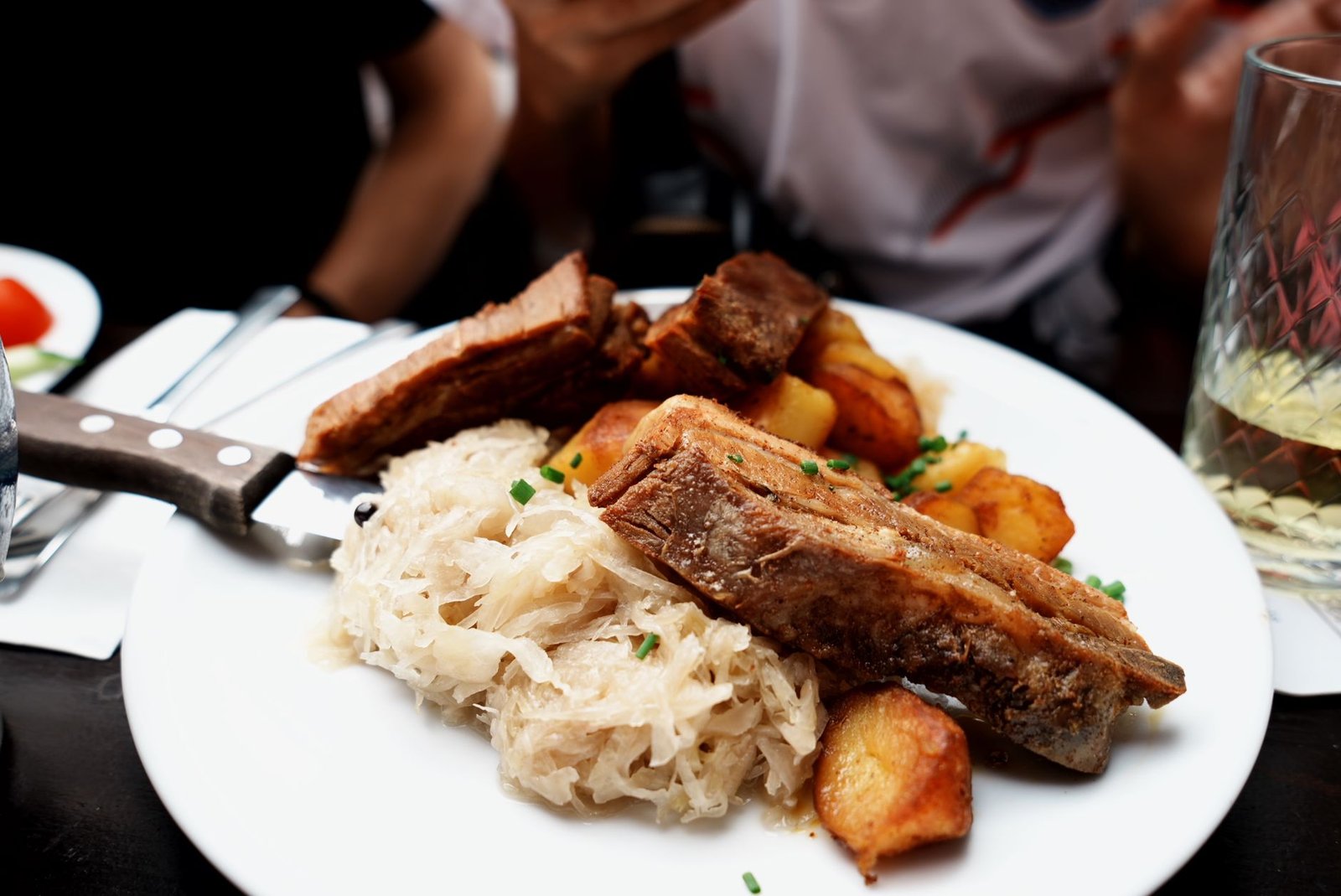
- Tiroler Gröstl — pan-fried potatoes, beef or pork, onions, caraway, topped with a fried egg. Order it at Stiftskeller, a wood-panelled restaurant near the Hofburg that’s been operating since the 16th century.
- Schlutzkrapfen — half-moon pasta filled with spinach and ricotta, dressed in brown butter. Light but filling. Gasthof Weisses Rössl on Kiebachgasse does a very good version for around €14.
- Kaiserschmarrn — shredded pancake with plum compote. Get it at Café Munding on Kiebachgasse, the oldest coffee house in Innsbruck (founded 1803). It’s touristy, yes, but the pastries are genuinely excellent and the interior is worth seeing.
Skip: anything marketed as ‘traditional Tyrolean’ on the pedestrian zone around Maria-Theresien-Strasse. The laminated menus and the English-first signage tell you everything you need to know.
Street Food and Quick Stops
Innsbruck isn’t a street food city in the Bangkok sense, but there are a few reliable spots. The Würstelstand at the Hauptbahnhof does a proper Käsekrainer — a pork sausage laced with melted cheese — for €3.50. Eat it standing up with mustard at 11am. That’s the move.
There’s also a decent Turkish döner strip along Museumstrasse that the university crowd relies on heavily. Nothing revelatory, but if you’ve been hiking in the Nordkette mountains all morning and need something fast and cheap before your train, it does the job. €5–7 gets you fed.
Guided Food Tours: Are They Worth It?
Honestly, for a first visit, yes. The city is compact but the food knowledge gap is real — most visitors wouldn’t know to ask for Graukäse or find the Markthalle without a nudge. There are a handful of walking food tours bookable through Viator and GetYourGuide that run 3–4 hours, cover 5 or 6 tastings, and cost roughly €65–€85 per person. The better ones include a market visit, a stop at a local wine or schnapps producer, and a sit-down tasting at a traditional Gasthaus. Read the reviews carefully — some guides are excellent, others are just walking you between tourist restaurants.
Where to Drink
Tyrolean schnapps deserves its own paragraph. Williams pear schnapps from the Wipptal valley is sharp and clean and will absolutely floor you if you treat it like a shot. Sip it slowly after dinner. Café Innsbruck on the Marktgraben stocks a good range of local distilleries. A small pour runs about €4.
For wine, Austrians drink more white than most people expect. Grüner Veltliner and Riesling from the Wachau show up on most decent wine lists here.
Practical Notes for 2026
- Most traditional restaurants close between 2pm and 6pm — plan around this or you’ll be eating at tourist traps by default.
- Cash is still expected at the Markthalle and smaller Gasthäuser. Carry €30–€50 in coins and small notes.
- Reservations on Friday and Saturday evenings at Stiftskeller and Weisses Rössl are genuinely necessary. Book a week ahead.
- The city is walkable. Every place mentioned here is within about 20 minutes on foot from the old town.
Innsbruck rewards people who slow down. Skip one cable car ride, spend that two hours eating at the market and wandering Kiebachgasse, and you’ll leave with a much more honest sense of what this place actually is.

Book a Food Experience in Innsbruck
Handpicked experiences — book with free cancellation and instant confirmation.
Explore More Food Tours
More food guides from Austria:
You might also enjoy:
- Debrecen Food Tour Guide (Hungary)
- Olomouc Food Tour Guide (Czech Republic)
- Prague Food Tour Guide (Czech Republic)
Featured in:
Frequently Asked Questions
What is the must-try traditional dish when eating in Innsbruck?
Tyrolean Gröstl is the dish every visitor should try — it's a hearty pan-fried mix of potatoes, leftover roast meat, onions, and topped with a fried egg. You'll find the most authentic versions at places like Gasthaus Weisses Rössl in the Old Town. Locals eat it for lunch rather than dinner, so plan accordingly.
Which market should I visit for fresh local produce and street food in Innsbruck?
The Markthalle Innsbruck, located along the Inn River, is the city's beloved covered market open Tuesday through Saturday. You can graze on Tyrolean cheeses, cured meats, freshly baked bread, and seasonal produce directly from regional farmers. Arrive before 11am on weekdays to experience it at its most vibrant and avoid the midday crowd.
Are there affordable eating options in Innsbruck, or is it an expensive food destination?
Innsbruck can be pricey by Austrian standards, but budget-friendly options absolutely exist if you know where to look. University canteens near the main campus offer hot meals from around €5–7, and the Markthalle has affordable sandwich and soup vendors popular with locals. Avoiding the heavily tourist-facing restaurants on Maria-Theresien-Strasse will save you significant money.
Where can I find the best Kaffee und Kuchen (coffee and cake) experience in Innsbruck?
Café Munding, established in 1803, is Innsbruck's oldest confectionery and the gold standard for coffee and cake in the city. Their homemade Tyrolean pastries, particularly the Bozner Weinsuppe cake and local fruit tarts, are exceptional and pair perfectly with a Melange coffee. It sits right in the Old Town, making it an easy stop after exploring the Golden Roof.
Is it easy to find vegetarian or vegan food in Innsbruck as a local would eat it?
Traditional Tyrolean cuisine is heavily meat-based, but Innsbruck's food scene has evolved considerably and vegetarian options are increasingly mainstream. Restaurants like Lichtblick and several spots around the university district offer creative plant-based menus rooted in local ingredients like alpine herbs, Tyrolean cheeses, and root vegetables. Your best strategy is to ask for the Tagesmenü (daily menu), which often includes a well-priced vegetarian option made from whatever is seasonal.