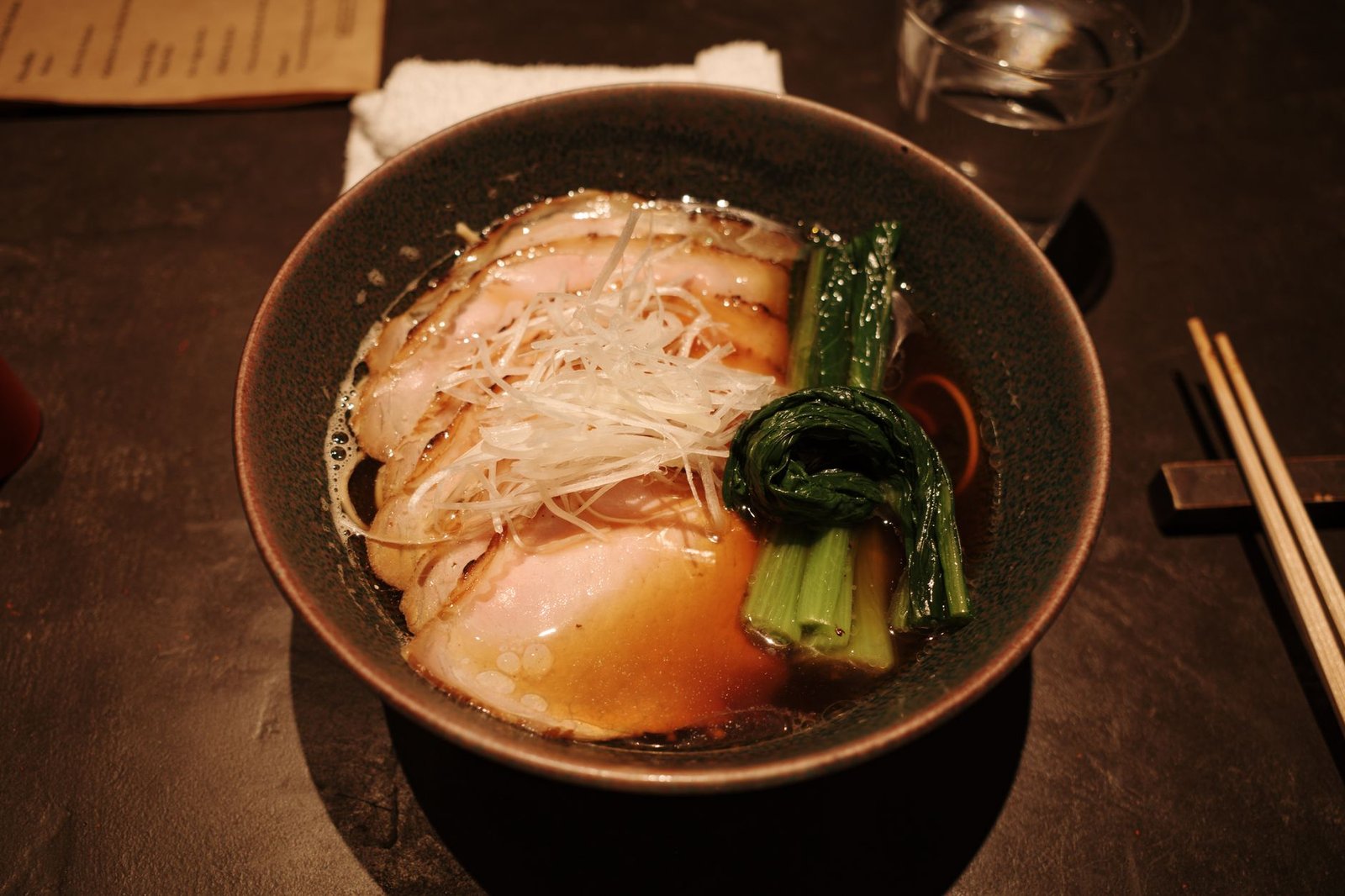
One Week Eating Through Japan: The Perfect Food Itinerary
Japan doesn’t just feed you — it converts you. One bowl of ramen at the right counter, one bite of fresh tamagoyaki at a market stall, and you’ll understand why food obsessives plan entire trips around a single city’s eating culture. Now imagine doing all of it in seven days across three of the country’s greatest culinary cities. This itinerary is built for the traveler who wants to eat seriously, spend wisely, and come home with a stomach full of memories. Whether you’re a first-timer or a returning pilgrim, this Japan food itinerary covers the classics, the hidden gems, and everything in between — with real places, real prices, and real talk about how to make it all work.
Getting Around: The JR Pass and How It Shapes Your Eating Trip
Before you even think about food, get your logistics sorted, because in Japan, the train is the table. A 7-day JR Pass costs approximately ¥50,000 (around $340 USD) and covers the bullet train (Shinkansen) between Tokyo, Osaka, and Kyoto, along with countless local JR lines. If you’re visiting all three cities — and you absolutely should — it pays for itself on the Tokyo-Osaka leg alone.
Activate your pass on Day 1 in Tokyo, and you’ll have seamless access to Shinjuku, Shibuya, and JR-connected neighborhoods throughout your stay. On Day 4, jump on the Tokaido Shinkansen to Osaka (about 2.5 hours), and on Day 6, it’s a short 15-minute hop to Kyoto. The pass doesn’t cover the Kyoto subway or Osaka Metro, so budget an extra ¥1,000–¥2,000 for IC card top-ups. Pro tip: pick up a Suica card at Tokyo Station the moment you land. It’ll save you from fumbling at ticket machines every single day.
Tokyo Days 1–3: Markets, Ramen, and Underground Food Temples
Day 1: Tsukiji Outer Market Breakfast
Start your trip where serious eaters start every Tokyo morning — Tsukiji Outer Market. The inner wholesale market moved to Toyosu in 2018, but the outer market is very much alive and arguably more fun. Arrive by 8am to beat the crowds and grab a ¥600 tamagoyaki (sweet rolled egg omelette) from Yamachō, then queue for fresh uni (sea urchin) on rice at one of the sushi counters lining the main alley. Budget roughly ¥2,000–¥3,000 for a full Tsukiji breakfast crawl. It’s not a sit-down experience — it’s a stroll-and-eat ritual, and it’s glorious.
Day 2: Ramen at Fuunji Shinjuku and an Izakaya Night in Shibuya
Lunch on Day 2 belongs to Fuunji in Shinjuku, widely regarded as one of Tokyo’s finest tsukemen spots. Tsukemen is ramen served with the broth and noodles separate — you dip thick, chewy noodles into an intensely concentrated dipping sauce. Expect a queue, expect to wait 20–30 minutes, and expect it to be completely worth it. A bowl costs around ¥1,000. Get there before 11:30am to beat the lunch rush.
For the evening, head to Shibuya and lose yourself in one of its labyrinthine izakayas. Nonbei Yokocho (literally “Drunkard’s Alley”) is a narrow lantern-lit street near Shibuya Station packed with tiny bars and grills serving yakitori, edamame, and cold Sapporo on tap. Budget ¥3,000–¥5,000 per person for a full evening of small plates and drinks. If you want a guided experience here, GetYourGuide lists several excellent Shibuya izakaya tours that include translation help and expert ordering — a smart move if you’re navigating menus without kanji skills.
Day 3: Depachika Heaven at Isetan Shinjuku
Save your appetite on Day 3 for Japan’s greatest culinary secret: the depachika, or department store basement food hall. Isetan Shinjuku’s basement floors are a masterclass in Japanese food culture. You’ll find perfectly boxed bento, artisan wagashi (Japanese sweets), international pastries, fresh sashimi counters, specialty pickles, and entire sections dedicated to high-end sake. This is not a food court — it’s an edible museum. Graze through the floors, buy a few items for a picnic in nearby Shinjuku Gyoen, and spend around ¥2,000–¥4,000 depending on how restrained you can manage to be (answer: not very).
Osaka Days 4–5: Street Food Capital of Japan
Dotonbori and the Holy Trinity of Osaka Eats
Osaka earns its reputation as Japan’s kitchen city, and Dotonbori is the loudest, most delicious proof. On Day 4, walk the canal-side strip and make three essential stops. First, Aizuya on Dotonbori Street for takoyaki — golf ball-sized octopus fritters cooked in a dimpled iron plate, topped with dancing bonito flakes and sweet-savory sauce. Six pieces cost about ¥600 and will ruin every other takoyaki you ever eat. Next, head to Okonomiyaki Mizuno for a sit-down lunch of their signature Osaka-style okonomiyaki, the thick savory pancake loaded with cabbage, pork, and seafood, finished with a grid of mayo and Bulldog sauce. Expect to pay around ¥1,200–¥1,800. Finally, end Day 4 at Kushikatsu Daruma near Shinsekai, where everything — from asparagus to pork cutlet to hard-boiled egg — gets skewered, battered, and deep-fried. The golden rule: no double-dipping in the communal sauce. Ever. Budget ¥2,000–¥3,000 per person.
Day 5: Kuromon Ichiba Market Morning
Kuromon Ichiba is Osaka’s oldest public market, a 600-meter covered arcade with over 150 stalls selling everything from live seafood to aged wagyu. Arrive before 10am on Day 5 when it’s bustling but not yet tourist-swamped. Look for fugu (blowfish) sashimi if you’re feeling adventurous, or keep it approachable with grilled scallops, fresh oysters, and strawberry mochi. Many stalls offer eat-in counters, so you can sit right at the source. If you want deeper context for Osaka’s market culture, Viator offers well-rated food tours of Kuromon and Dotonbori that include tastings, history, and local guides who know which stalls to skip.
Kyoto Days 6–7: Ancient Flavors and Refined Dining
Day 6: Nishiki Market and the Art of Japanese Snacking
Kyoto operates at a different frequency than Tokyo and Osaka — slower, more considered, more beautiful. Start Day 6 at Nishiki Market, a five-block covered arcade nicknamed “Kyoto’s Kitchen.” Unlike Kuromon’s raw energy, Nishiki has a curated feel. Look for yudofu (simmered tofu), pickled vegetables from century-old tsukemono shops, grilled mochi on sticks, and sweet chestnut confections. It’s a phenomenal morning food walk, and most items cost between ¥200 and ¥800. The market gets genuinely crowded by midday, so earlier is better.
Day 7: Kaiseki Dinner and Fushimi Inari Street Snacks
Save your budget for one proper kaiseki dinner on your final evening in Kyoto. Kaiseki is Japan’s highest form of cuisine — a multi-course meal built around seasonal ingredients, meticulous presentation, and the philosophy of harmony on a plate. Restaurants like Nakamura (founded in 1716) offer lunch kaiseki sets from around ¥5,000, making it more accessible than the full dinner experience. If you’re looking for a modern matcha-forward variation, several Kyoto restaurants offer tofu-based kaiseki menus that showcase the city’s deep tradition of Buddhist vegetarian cooking — beautifully light and deeply satisfying.
Before your evening reservation, spend the afternoon at Fushimi Inari Shrine, which is less about food but more about earning your dinner. The street stalls at the base of the shrine sell kitsune (fox-shaped) snacks, matcha soft serve, and grilled skewers of sparrow (suzume) — a Fushimi specialty that’s polarizing but worth trying if you’re feeling brave. Budget ¥1,000–¥2,000 for an afternoon snack loop.
Budget Breakdown: What to Expect to Spend
Japan has a reputation for being expensive, but eating well here is genuinely more affordable than most people expect — especially at the market and street food level.
- Breakfast (market or convenience store): ¥500–¥1,500 per day
- Lunch (ramen, sushi, okonomiyaki): ¥1,000–¥2,000 per day
- Dinner (izakaya or mid-range restaurant): ¥3,000–¥6,000 per day
- Street food snacks and market grazing: ¥1,000–¥2,000 per day
- Special experience (kaiseki dinner, wagyu meal): ¥5,000–¥15,000 once or twice
- JR Pass (7-day): approximately ¥50,000 total
For food alone, budget roughly ¥8,000–¥12,000 per day (approximately $55–$80 USD), and you’ll eat extremely well without ever feeling deprived. Splurge once on kaiseki, once on high-grade sushi, and let the markets and ramen shops handle the rest.
Practical Tips Before You Go
- Download Google Translate with Japanese offline support — the camera mode reads menus in real time and is genuinely life-changing
- Carry cash. Many specialty restaurants and market stalls are still cash-only in Japan
- Book Fuunji, Mizuno, and any kaiseki restaurant in advance — queues and reservations are serious business
- 7-Eleven and Lawson convenience stores in Japan serve legitimately excellent onigiri, sandwiches, and hot foods — embrace them as a budget meal option
- Food tours through Viator or GetYourGuide are especially valuable in Osaka and Kyoto, where local guides provide context that transforms a good meal into an unforgettable one
Seven days in Japan will not be enough — it never is — but following this itinerary means you’ll finish your trip having tasted the real soul of three extraordinary cities, from a ¥600 takoyaki in a neon-lit alley to a ¥12,000 kaiseki course served in a 300-year-old dining room. That range, that contrast, that sheer depth of food culture is what makes Japan unlike anywhere else on earth. Ready to start planning? Browse our Japan food tour guides on FoodTourTrails.com for curated recommendations, booking links, and firsthand reviews that’ll help you eat your way through this incredible country one perfect bite at a time.
Book a Food Experience in Top Destinations
Handpicked experiences — book with free cancellation and instant confirmation.
Explore More Food Tours
Guides for the cities in this article:
- Sapporo Food Tour Guide (Japan)
- Tokyo Food Tour Guide (Japan)
- Kyoto Food Tour Guide (Japan)
- Osaka Food Tour Guide (Japan)
- Barcelona Food Tour Guide (Spain)
Frequently Asked Questions
How much should I budget per day just for food in Japan?
A realistic food budget is between ¥3,000–¥8,000 per day (roughly $20–$55 USD), depending on how you balance convenience store meals with sit-down restaurants. Ramen, sushi conveyor belts, and donburi bowls often cost under ¥1,000 each, making it easy to eat incredibly well without overspending. Splurging on one omakase or kaiseki dinner will likely run ¥15,000–¥30,000 per person, so budget that separately.
Do I need to make restaurant reservations in advance, and how far ahead?
For high-demand spots like Ichiran Ramen, popular sushi counters, or any Michelin-starred restaurant, reservations 1–3 months in advance are strongly recommended, especially for dinner. Services like Tableall, Omakase, or your hotel concierge can help secure hard-to-book tables. Walk-in queues are common and worth it for many casual spots, but plan your one or two 'special' meals well before you fly.
Is it safe to eat from convenience stores like 7-Eleven and Lawson?
Absolutely — Japanese convenience store food is genuinely excellent and a cultural experience in itself. Onigiri, egg salad sandwiches, hot nikuman (steamed pork buns), and fresh soba are consistently fresh, well-made, and very affordable at ¥150–¥600 per item. Many seasoned travellers deliberately build at least one konbini breakfast or late-night snack into their daily routine.
How do I handle food allergies or dietary restrictions like vegetarianism in Japan?
Japan can be genuinely challenging for vegetarians and those with allergies like shellfish or gluten, as dashi (fish stock) hides in many seemingly meat-free dishes. Carry a printed Japanese allergy card specifying your restrictions — websites like Allergy Translation offer free printable cards. Shojin ryori (Buddhist temple cuisine) restaurants are a reliable vegetarian option, and major cities like Tokyo and Kyoto now have growing plant-based dining scenes.
Should I eat the same dish in multiple cities, or is regional variety worth planning around?
Regional variety is absolutely worth planning around — Japan's food identity is intensely local. Eat tonkotsu ramen in Fukuoka, takoyaki and okonomiyaki in Osaka, fresh seafood kaisendon in Hokkaido or Tsukiji, and Kyoto-style obanzai small plates in Kyoto rather than repeating the same dishes. Even soy sauce, rice, and tofu taste noticeably different from region to region, making each city's food scene a distinct destination on its own.