
Toronto Food Tour – Best Local Food & Restaurants
Toronto, Canada: The Ultimate Food Guide
Introduction: A Multicultural Culinary Destination
Toronto has transformed into one of North America’s most exciting food destinations, where the world’s cuisines converge in a vibrant tapestry of flavors and traditions. With over 140 languages spoken throughout the city, every neighborhood tells a culinary story, from the Portuguese bakeries of Little Portugal to the Chinese dim sum halls of Chinatown. Whether you’re a seasoned foodie or casual traveler, Toronto’s diverse food scene offers authentic experiences that reflect the city’s multicultural identity and innovative restaurant culture.
The city’s food evolution reflects its diverse population, with immigrant communities establishing authentic restaurants, markets, and food traditions that have become central to Toronto’s identity. What makes Toronto unique is the genuine authenticity of its international neighborhoods—you’re not experiencing watered-down versions of global cuisines, but rather the real deal, prepared by chefs and home cooks who grew up with these traditions.
Exploring Toronto’s Historic Neighborhoods and Food Districts
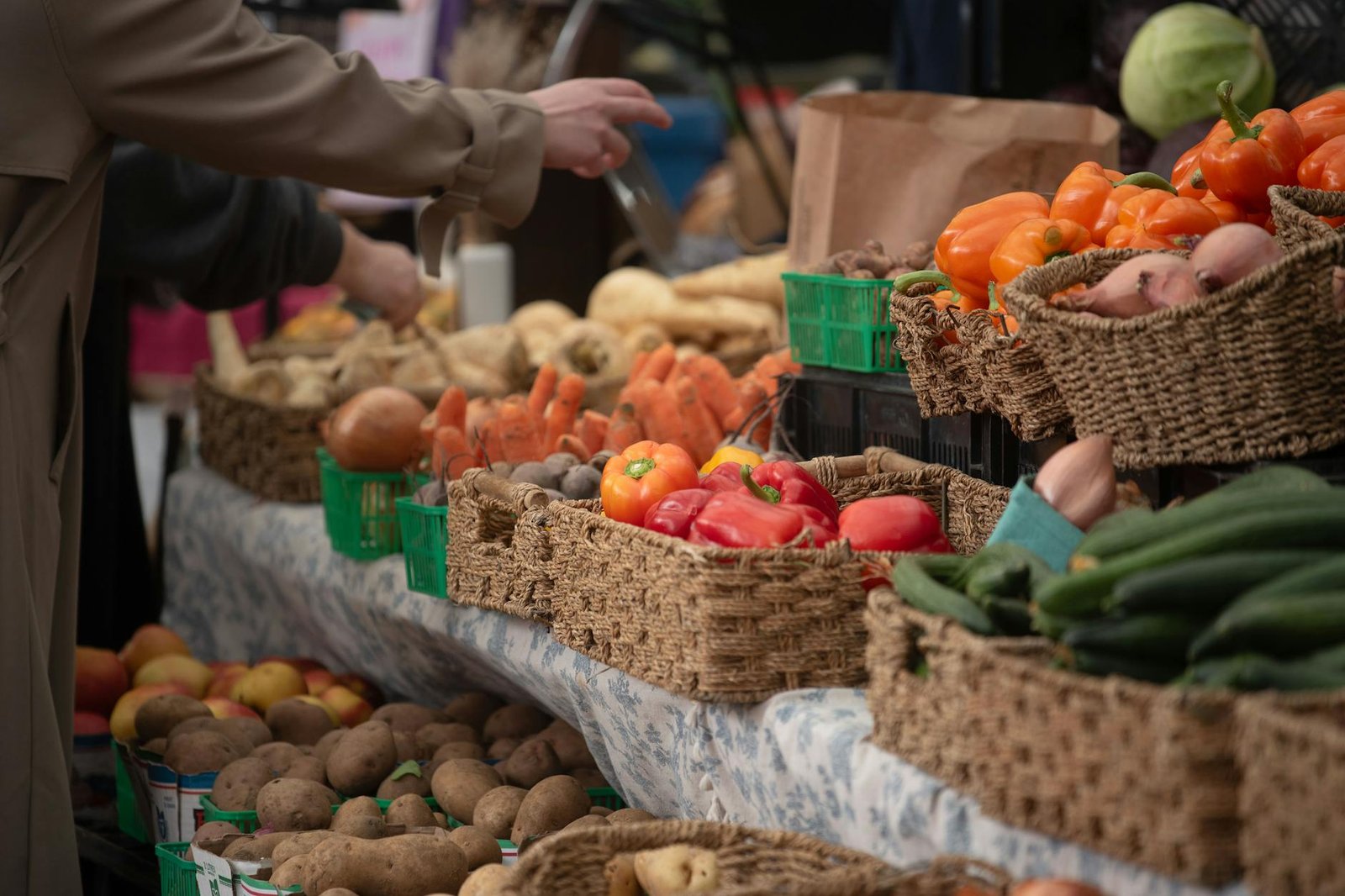
Kensington Market stands as Toronto’s most iconic food destination, a historic marketplace bursting with independent vendors, vintage shops, and diverse eateries. Walking through its narrow streets, you’ll encounter everything from fresh produce stalls to street food vendors selling authentic tacos, crepes, and international specialties. The market’s bohemian atmosphere hasn’t changed much since the early 1900s, making it feel like stepping back in time while surrounded by contemporary food innovation.
Chinatown spans multiple blocks and represents one of North America’s largest Chinese communities. Here, you’ll find traditional dim sum restaurants like Rol San and Dim Sum King, where carts laden with steaming baskets roll through dining rooms while servers call out offerings. Beyond dim sum, explore the herbalist shops, fresh seafood markets, and noodle houses that serve authentic Cantonese, Sichuan, and Shanghai cuisines. St. Lawrence Neighborhood, home to the historic St. Lawrence Market, offers another essential food experience with its Victorian-era market building filled with butchers, fishmongers, and specialty food vendors alongside casual eateries.
Top Street Food and Quick Bites
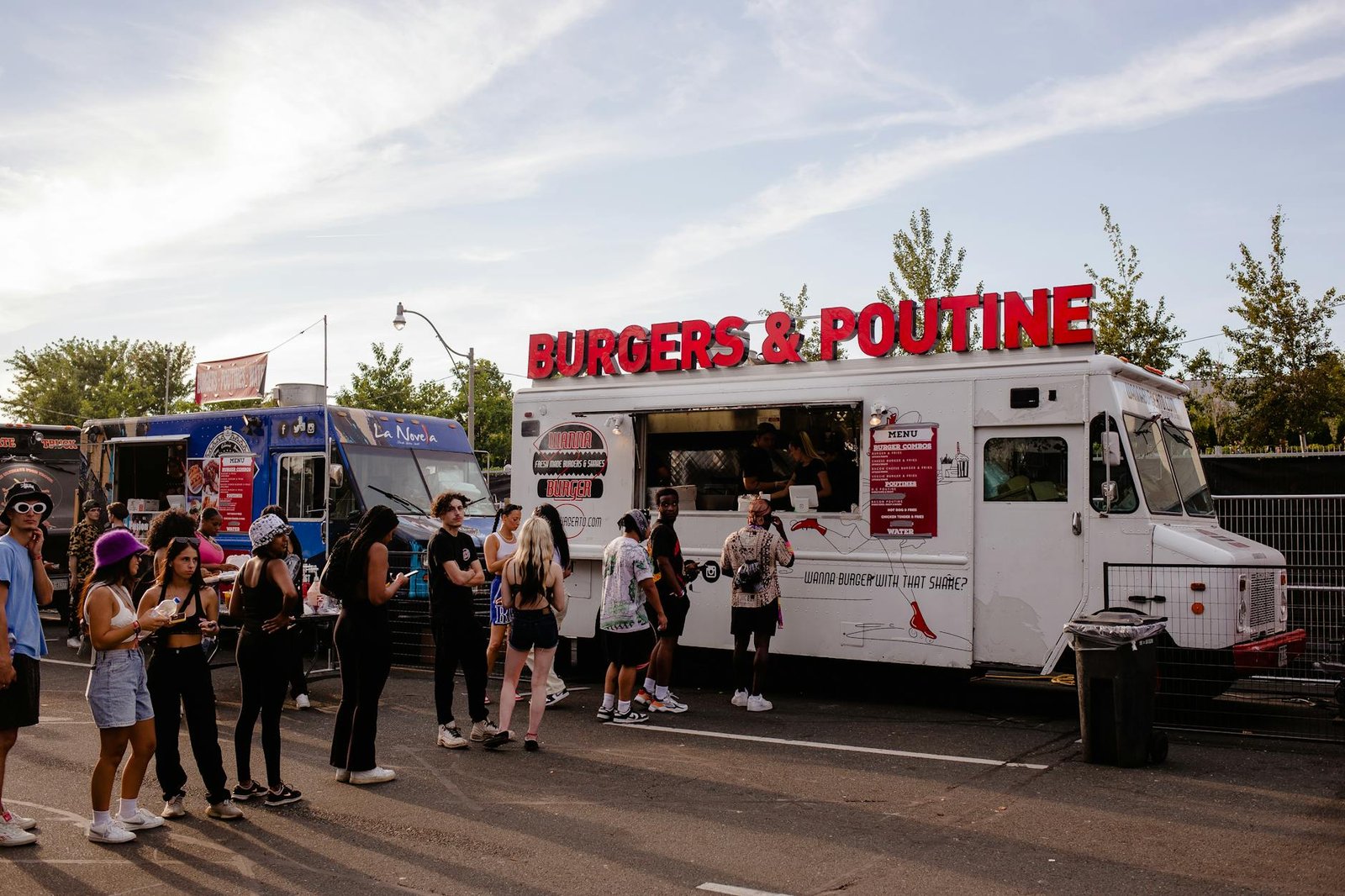
Toronto’s street food scene captures the city’s multicultural essence in portable, delicious form. In Kensington Market, grab authentic Portuguese pastéis de nata from vendors or sample Korean street food from the numerous stalls. The iconic Toronto peameal bacon sandwich from St. Lawrence Market—thick-cut bacon wrapped in cornmeal-dusted bread—remains a must-try since the 1920s. For something more contemporary, Sneaky Dee’s on College Street serves their famous nachos, while the city’s ever-growing food truck scene offers everything from Korean tacos to Indian street food.
Graffiti Alley near Spadina Avenue hosts food trucks alongside street art, creating a unique casual dining experience. Little Italy along College Street offers gelato shops, espresso bars, and Italian sandwich shops perfect for quick bites. Don’t miss the diverse food carts around Dundas Square, which offer global street food options, or explore Trinity Bellwoods Park area where food trucks gather with offerings ranging from Vietnamese banh mi to Mexican elotes.
Best Food Tours and Guided Experiences
Several guided food tour companies offer excellent introductions to Toronto’s culinary landscape. Viator offers comprehensive walking tours through neighborhoods like Chinatown and Kensington Market, including tastings at local shops and restaurants led by knowledgeable guides who share neighborhood history alongside food knowledge. These tours typically last 3-4 hours and cover significant ground while providing context for what you’re eating and why it matters to the community.
GetYourGuide features similar options plus specialized experiences like dim sum cooking classes and brewery tours. For deeper dives, consider booking tours directly with neighborhood-specific operators who offer themed experiences like “Portuguese Food Walk” or “Asian Cuisine Tour.” Many independent guides provide intimate 2-3 person experiences that feel more personalized than larger group tours, often including stops at family-run establishments you’d never find on your own.
Best Restaurants Worth Your Visit
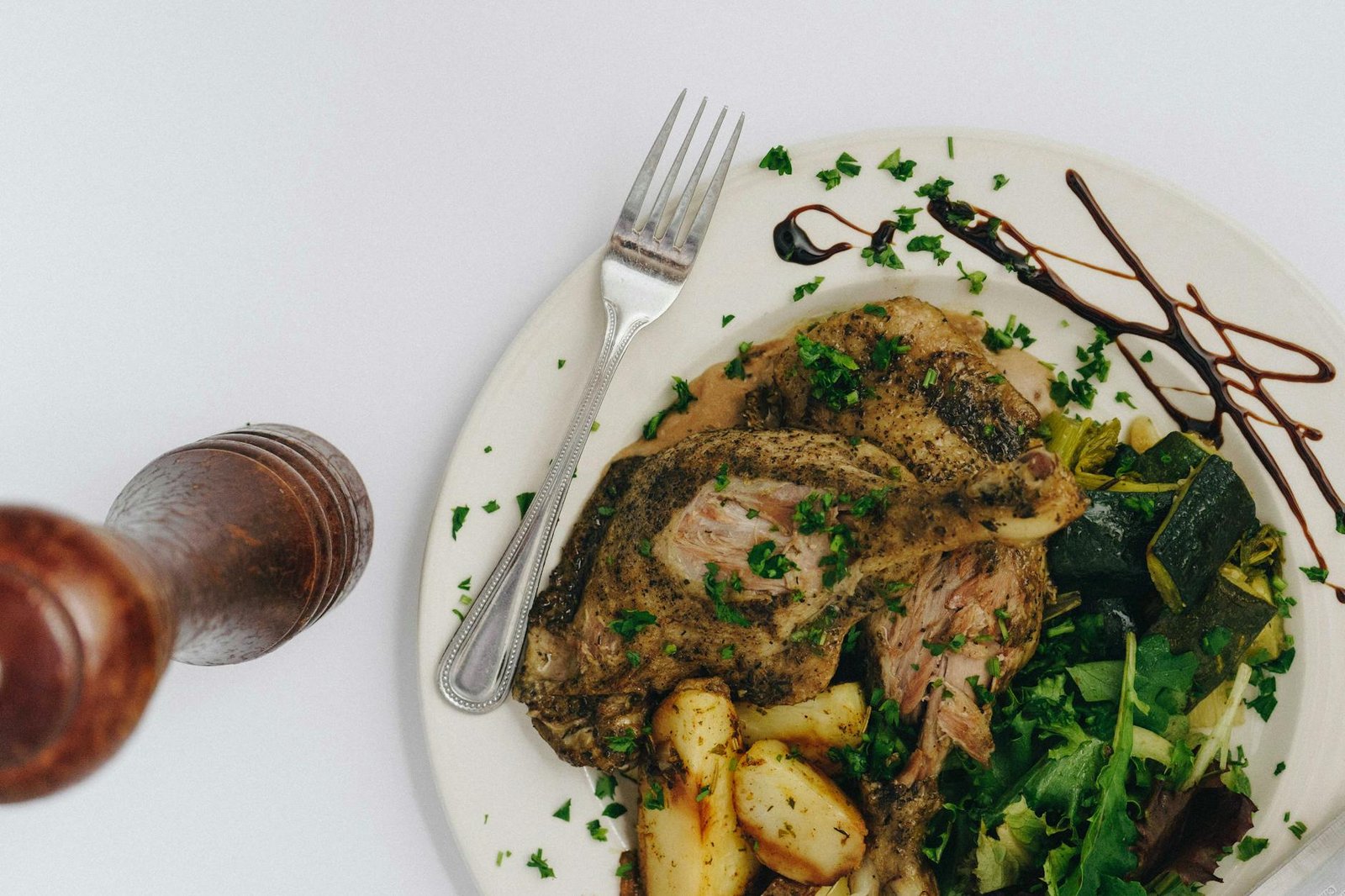
Toronto’s restaurant scene ranges from casual neighborhood spots to world-class fine dining. For elevated Chinese cuisine, head to Kai Wei on Spadina for exceptional hand-pulled noodles, or try Ajisai on King West for innovative Japanese-Canadian fusion. Alo on Spadina showcases French technique with Canadian ingredients in an intimate 10-seat setting, representing Toronto’s creative restaurant culture at its finest. For exceptional cheese, Global Cheese in Kensington Market has been a neighbourhood institution since 1970, offering over 500 varieties.
Don’t overlook neighborhood gems like Nana on College Street for authentic Thai cuisine, or Edulis in the St. Lawrence neighborhood for intimate New Canadian dining. For something more casual, Pai on Dundas West delivers exceptional Thai street food in a lively setting. Indian cuisine fans should explore the vibrant King West dining strip, where refined versions of traditional Indian dishes can be found alongside creative contemporary menus. Each of these restaurants represents not just quality food, but the creative spirit that defines Toronto’s current dining scene.
Visiting the City’s Essential Markets
St. Lawrence Market, operating since 1803, remains the city’s most important food market and a sensory feast. The main building bustles with butchers, fishmongers, and specialty food vendors, while the outdoor sections offer seasonal produce and prepared foods. Visit early morning to experience the market at its liveliest, navigating crowds of locals and chefs sourcing ingredients. The market’s complex relationship with Toronto history—built on land historically significant to Indigenous peoples—reflects important conversations about food systems and heritage.
Kensington Market operates differently than St. Lawrence, with independent shop owners rather than a centralized facility. This creates a more chaotic, neighborhood feel where discovering small bakeries, vintage shops, and family-run eateries becomes half the fun. Toronto’s Chinatown markets, while less famous than the established markets, offer authentic experiences browsing fresh produce, dried goods, and prepared foods that reflect real community needs and traditions. These markets showcase where Toronto’s residents actually shop and eat, not just where tourists visit.
When to Visit Toronto for the Best Food Experience
Summer and early fall represent the ideal seasons for Toronto food experiences, with seasonal farmers markets bursting with local produce and outdoor patios creating vibrant dining atmospheres. June through September, Taste of Toronto festival celebrates the city’s culinary scene, while neighborhood-specific festivals occur throughout warm months. The bustling patios along King West, Queen West, and Ossington Avenue create energetic dining environments during these months, and food festivals around cultural neighborhoods showcase authentic community traditions.
Winter presents different advantages, with less tourist crowding at markets and restaurants, plus indoor cultural experiences like Chinese New Year celebrations in January/February featuring special foods and dim sum specials. Spring brings asparagus, rhubarb, and fresh greens to markets as the food calendar shifts toward warmer months. Whenever you visit, Toronto’s multicultural neighborhood food scenes maintain authenticity year-round, though seasonal variations mean different ingredients and special dishes appear depending on timing.
Conclusion: Creating Your Toronto Food Journey
Toronto’s food scene rewards curious travelers who venture beyond downtown tourist areas to experience authentic neighborhood food cultures. The city’s true culinary magic emerges when you shop at markets where locals gather, eat at restaurants where families have cooked the same recipes for generations, and wander streets where global food traditions thrive naturally rather than for tourist consumption. From dim sum in Chinatown to Portuguese pastries in Little Portugal, from casual street food to refined fine dining, Toronto offers food experiences as diverse as its population, making it an essential destination for anyone passionate about authentic global cuisine.



Book a Food Experience in Toronto
Handpicked experiences — book with free cancellation and instant confirmation.
Explore More Food Tours
More food guides from Canada:
You might also enjoy:
- San Francisco Food Tour Guide (USA)
- Mexico City Food Tour Guide (Mexico)
- New Orleans Food Tour Guide (USA)
Featured in:
Frequently Asked Questions
How much does a typical food tour in Toronto cost?
A standard food tour in Toronto typically ranges from $60 to $120 CAD per person, depending on the tour operator and number of stops included. Premium tours featuring Michelin-starred restaurants or private guide experiences can cost $150-$250+ CAD, while budget-friendly walking tours may start around $45 CAD.
How long do food tours in Toronto usually last?
Most food tours in Toronto last between 2.5 to 4 hours, covering 4-6 food stops with walking between locations. Some extended evening tours or specialized culinary experiences can run 4-5 hours, while quick lunch tours might be condensed to 2 hours.
What local Toronto food should I expect to try on a food tour?
You'll likely encounter Toronto staples like peameal bacon sandwiches from St. Lawrence Market, diverse Asian cuisine (dim sum, ramen, Vietnamese pho), and Canadian comfort food such as butter tarts and Montreal-style bagels. Many tours also feature multicultural dishes reflecting Toronto's immigrant communities, including Caribbean jerk chicken, Portuguese grilled chicken, and Middle Eastern shawarma.
Which Toronto neighborhoods are best for street food tours?
Kensington Market is the top destination for street food with vintage shops, food vendors, and global cuisines packed into historic streets. Chinatown (around Spadina Avenue) offers authentic dim sum and Asian street food, while the St. Lawrence neighborhood around the Distillery District features upscale food stalls and artisanal producers.
How can I notify tour operators about dietary restrictions?
Most reputable Toronto food tour companies require advance notice of dietary restrictions (vegetarian, vegan, gluten-free, allergies) when booking, typically through email or their booking platform. Contact your tour operator at least 48 hours before your tour to ensure they can accommodate your needs at restaurant partners, though some restrictions may limit available tastings.