Hiroshima Food Tour – Best Local Food & Restaurants
Hiroshima Food Guide: A Culinary Journey Through Japan‘s Most Resilient City
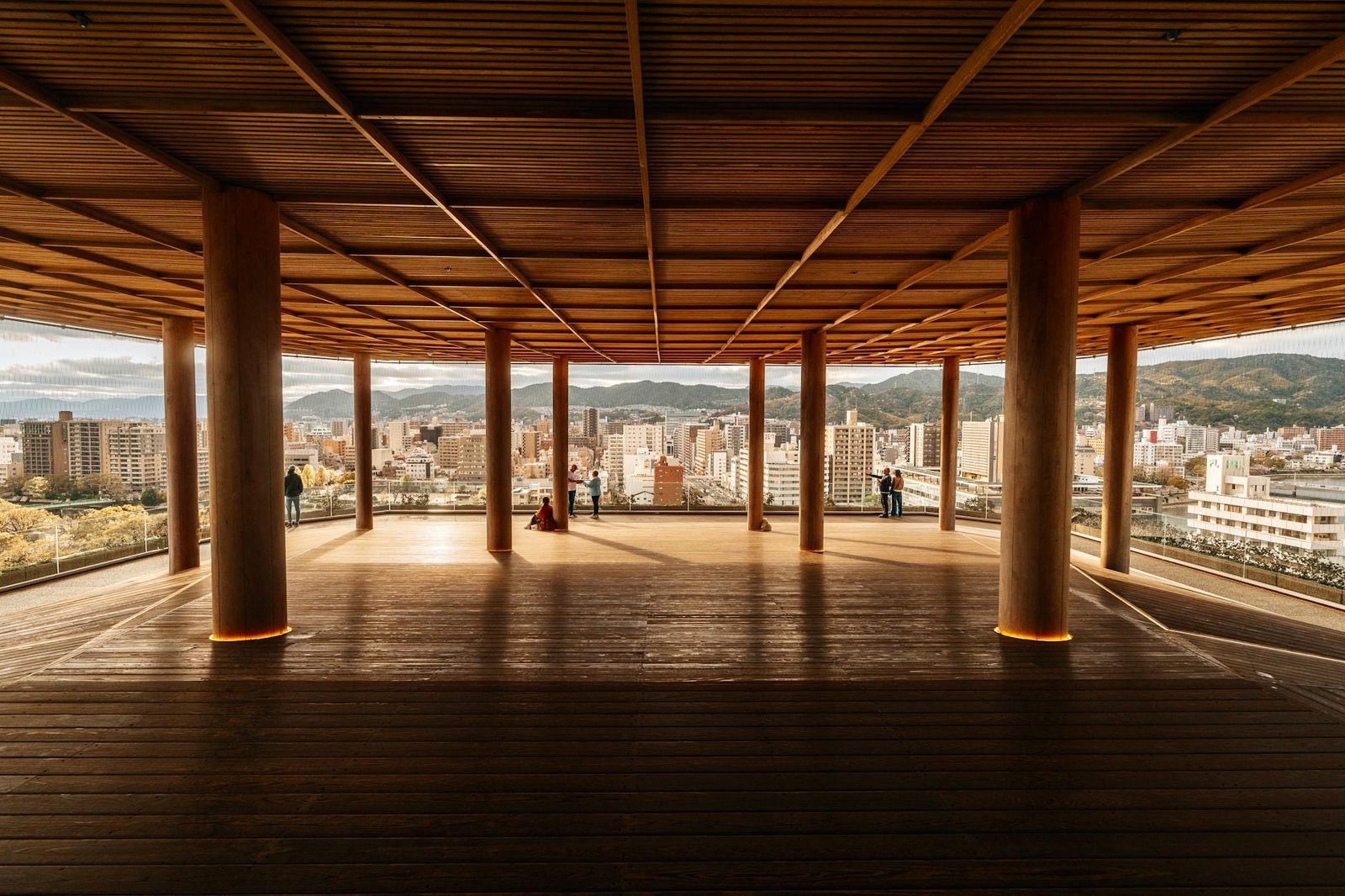
Hiroshima is genuinely hard to sum up. The city is known worldwide for something devastating, yet spend a few days eating your way through it and you start to understand something different — a place with serious culinary confidence and zero interest in playing second fiddle to Tokyo or Osaka. The food here tells that story better than any museum. From the layered okonomiyaki that locals will defend with genuine passion to anyone foolish enough to compare it to the Osaka version, to fat, cold-water oysters pulled from the Seto Inland Sea, this is cooking that’s bold, honest, and rooted in place.
The History of Hiroshima’s Food Culture
Geography explains a lot. Hiroshima sits wedged between the Chugoku Mountains to the north and the sheltered Seto Inland Sea to the south, which means the city has always had ridiculous natural resources within easy reach. The delta itself — six river channels fanning out toward the sea — created fertile farmland and direct access to some of Japan’s most productive fishing grounds. It was a good place to eat long before anyone outside Japan had heard of it.
Long before August 1945, Hiroshima was already a serious commercial hub. Its position as a gateway to western Japan and the Korean Peninsula made it a natural trading center, and the local food culture that grew from this was characteristically Kansai-influenced but distinctly its own thing — lighter on heavy soy sauces than Tokyo cooking, but richer and more grounded than Kyoto‘s refined kaiseki traditions.
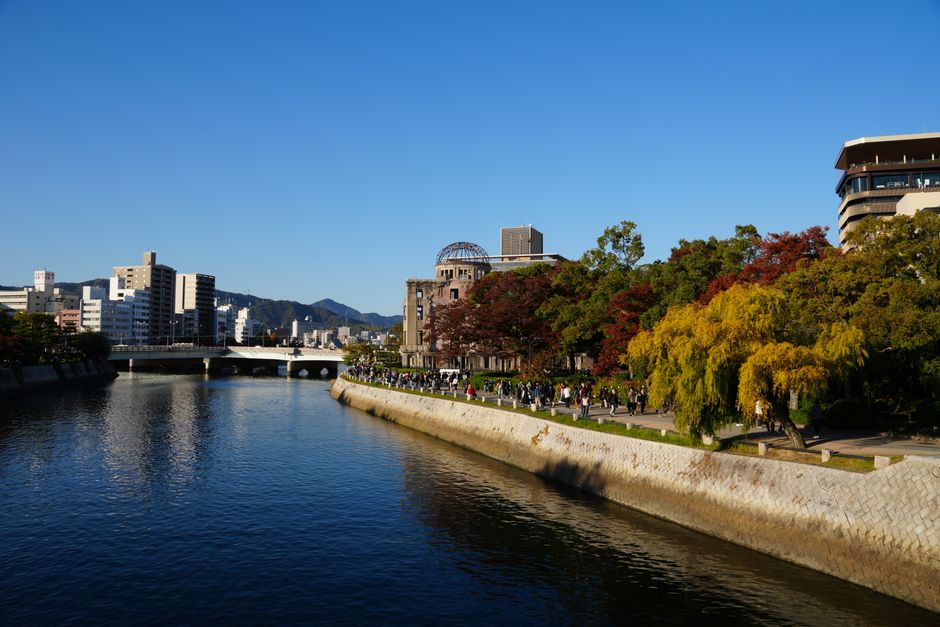
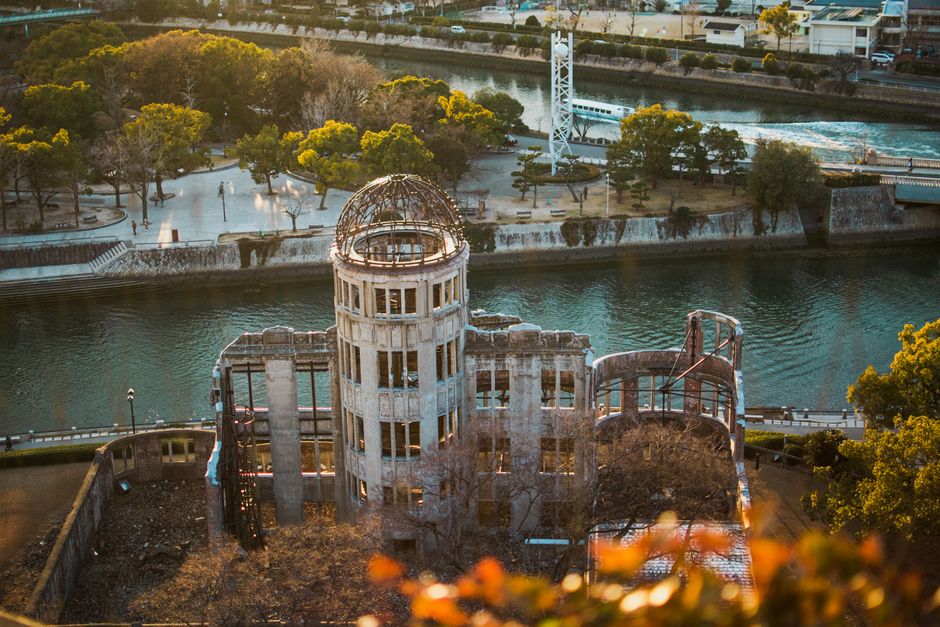
The atomic bombing obliterated virtually everything. Restaurants, markets, sake breweries, generations of food knowledge — gone. What followed was one of the more remarkable recoveries in modern history. As survivors returned to the scorched delta, food became central to rebuilding community. The okonomiyaki story captures this best: in the years immediately after the bombing, street vendors sold simple crepes topped with green onions and thin noodles from makeshift stalls. Those humble pancakes evolved decade by decade into the layered masterpiece that defines Hiroshima’s culinary identity today.
The postwar recovery also renewed appreciation for what the region’s waters could produce. Oyster farming had existed in Hiroshima Bay since the 1600s, but it expanded dramatically as entrepreneurs recognized the economic potential sitting right there in the sea. Hiroshima now produces approximately 60 percent of Japan’s entire oyster harvest — locals share this statistic with completely undisguised pride, and honestly, fair enough. The sake brewing tradition centered in nearby Saijo recovered too, eventually earning recognition as one of Japan’s three great sake-producing zones alongside Nada in Hyogo and Fushimi in Kyoto.
Modern Hiroshima’s food culture sits comfortably between deep respect for tradition and genuine openness to experimentation. The restaurant scene skews young and creative, but never loses its connection to local ingredients. Eat at a decades-old okonomiyaki stall in Naka Ward or a sleek contemporary izakaya near Hiroshima Station — the underlying philosophy is the same: get exceptional local ingredients and then don’t overthink it.
Must-Try Foods in Hiroshima
1. Hiroshima-Style Okonomiyaki
Right, let’s deal with this upfront. Hiroshima okonomiyaki and Osaka okonomiyaki are completely different things, and Hiroshima locals will explain this to you politely but with unmistakable firmness. Osaka mixes everything into a single batter before cooking. Hiroshima builds in distinct layers. This distinction matters enormously to people here, and once you’ve eaten both, you’ll understand why.

The process starts with a thin, almost crepe-like batter spread in a wide circle on a teppan griddle. Then comes a serious mound of shredded cabbage and bean sprouts, thin pork belly slices, and — the move that makes this thing — a hefty serving of thin yakisoba noodles or udon. The whole tower gets carefully flipped, then one or two eggs cracked and spread flat on the griddle become the base when it flips again. A generous pour of Otafuku okonomiyaki sauce finishes it, that sweet-savory condiment made right here in Hiroshima, plus Japanese mayo, dried bonito flakes, and aonori seaweed if you want the full version.
The result is gloriously messy — crispy in places, soft in others, savory and slightly sweet simultaneously. Every cook guards their technique: the cabbage-to-noodle ratio, the exact moment to flip, the topping balance. Go to Okonomimura in Naka Ward, a four-story building packed with individual stalls where you eat at the counter and watch the whole construction happen about two feet from your face. It’s loud, smoky, and completely worth it.
2. Hiroshima Oysters (Kaki)
To put it plainly: these are considered some of the best oysters you can eat anywhere. The cold, mineral-rich waters of the Seto Inland Sea — fed by mountain rivers carrying nutrients down from the forested Chugoku highlands — produce oysters that are plump, sweet, and clean with a brininess that seafood lovers specifically travel here for. The season runs October through April. Outside that window, you’ll still find them, but they won’t be at their best.
You’ll encounter Hiroshima oysters cooked every conceivable way: raw on the half shell with ponzu, steamed with soy and ginger, deep-fried as kaki furai with a perfect panko crust, simmered in miso-based dobin pots, or grilled over charcoal at waterfront restaurants near Miyajima Island. Local oyster sauce made from Hiroshima oysters — sweeter and more complex than the Chinese version — turns up throughout the local cooking and makes an excellent souvenir that actually fits in your bag.
For the full experience, take the short ferry to Miyajima Island. Roadside stalls sell freshly grilled oysters by the shell, with the famous floating torii gate of Itsukushima Shrine sitting right there in the water in front of you. Eating an oyster harvested from that exact stretch of sea, with vermilion shrine pillars rising from the tide — it’s one of those travel moments that sounds clichéd until it’s actually happening to you.
3. Anago Meshi (Conger Eel Rice)
Eel rice exists all over Japan, but Hiroshima’s version uses anago — saltwater conger eel rather than freshwater unagi — and this regional specialty genuinely deserves more attention than it gets outside Japan. The dish was popularized by Ueno restaurant on Miyajima, which has been serving its now-legendary anago meshi since the Meiji era. The line for lunch there tells you everything you need to know about its reputation.
Anago has a more delicate, slightly sweeter flavor than unagi, with flesh that’s softer and silkier. The preparation involves grilling the eel to a light caramelization, then serving it over rice cooked in sweet-savory dashi seasoned with soy sauce and mirin. Tender fish, subtly flavored rice, faint smokiness from the grill — it’s quietly elegant in a way that sneaks up on you. Long wooden bento boxes of anago meshi are sold at Miyajimaguchi Station. Buy one before boarding the ferry, eat it with a view of the floating torii gate, and you’ll be telling that story for years.
4. Tsukemen and Hiroshima Ramen
Tsukemen here is not the Tokyo version. The noodles come cold, the dip comes separately, and the dip is the point: sesame, rayu chilli oil, stock, soy and vinegar, sharp and cold rather than rich and hot. It is served with shredded cabbage, cucumber, spring onion and a slice or two of chashu, and you order the heat by number — the scale runs a long way past where most people want to stop, so start low and work up on the second visit rather than ruining the first.
Bakudanya has been doing it since 1985 and is generally credited with the style; the original shop is a couple of corners from Okonomimura, which makes it easy to do both in one evening. Hiroshima’s own ramen is a separate thing again — a soy-flavoured pork-bone broth, thinner and darker than the Hakata kind, with medium noodles and a pile of bean sprouts. It is the everyday bowl here, and it is what is still being eaten at eleven at night when the okonomiyaki griddles have gone cold.
Book a Food Tour in Hiroshima
Join a small-group food tour and taste the best of Hiroshima with a local guide. Skip the tourist traps — discover the hidden spots only locals know.


Book a Food Experience in Hiroshima
Handpicked experiences — book with free cancellation and instant confirmation.
Explore More Food Tours
More food guides from Japan:
- Fukuoka Food Tour Guide
- 10 Best Food Cities in Japan 2026
- Nagoya Food Tour Guide
- Nara Food Tour Guide
You might also enjoy:
- Taipei Food Tour Guide (Taiwan)
- Busan Food Tour Guide (South Korea)
Featured in:
Frequently Asked Questions
How much does a food tour in Hiroshima cost?
Food tours in Hiroshima typically range from €25 to €80 per person for a guided group tour. Private tours and premium culinary experiences can cost more, while self-guided food walks are often free or low-cost.
How long do food tours in Hiroshima last?
Most guided food tours in Hiroshima last between 2 and 4 hours and include multiple tasting stops. Walking food tours tend to run around 3 hours, while sit-down dining experiences may last longer.
What local dishes should I try on a Hiroshima food tour?
A food tour in Hiroshima is the best way to discover authentic local specialties. Your guide will take you to street food markets, traditional restaurants, and neighbourhood gems that locals love — dishes you would never find on your own.
What is the best area for street food in Hiroshima?
The best areas for street food and local cuisine in Hiroshima are usually found in the old town, central food markets, and traditional neighbourhoods away from the main tourist hotspots. A local food guide will show you exactly where to go.
Are food tours in Hiroshima suitable for people with dietary restrictions?
Most food tour operators in Hiroshima can accommodate vegetarian, vegan, halal, and gluten-free diets with advance notice. Always inform your guide of any dietary requirements when booking so they can plan the best route for you.