Singapore Food Tour – Best Local Food & Restaurants
Singapore Food Guide: A Culinary Journey Through the Lion City
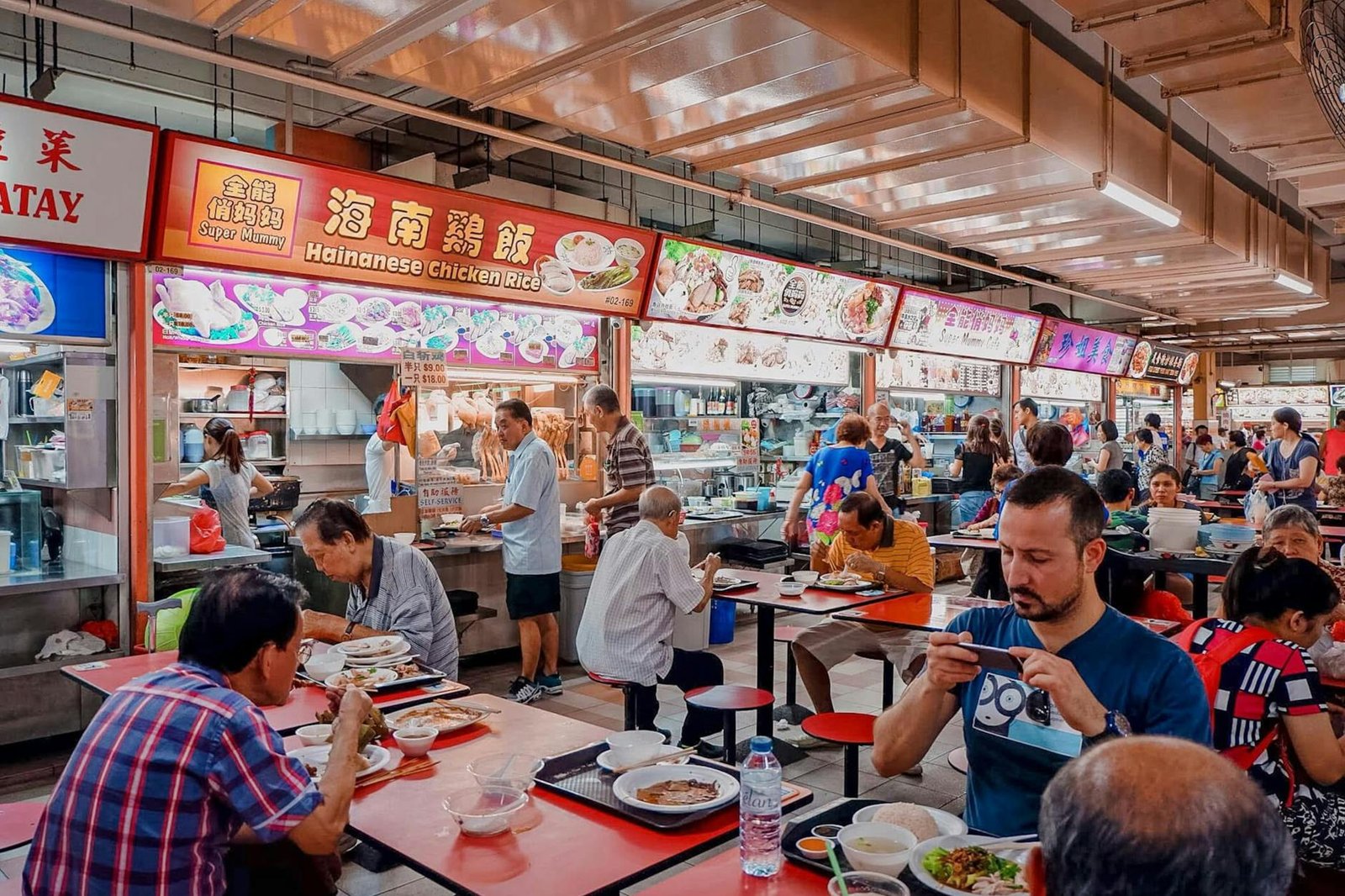
Singapore is one of the world’s most extraordinary food destinations. A tiny island nation that punches way above its weight in culinary terms — from hawker stalls selling chicken rice for S$3.50 to restaurants redefining what Asian cuisine can be. The range is genuinely staggering. Compared to other great Asian food cities like Bangkok, Tokyo, Hong Kong, and Penang, Singapore still manages to surprise at every turn. The food here reflects the soul of a genuinely multicultural society, and you feel that with every bite. Fair warning: you will leave heavier than you arrived. Budget accordingly.
The History of Singapore’s Food Culture
To understand why Singapore eats the way it does, you need to understand who built it. When Sir Stamford Raffles established Singapore as a British trading port in 1819, he deliberately divided the island into ethnic enclaves. The Chinese settled in what is now Chinatown, the Malays around the Sultan Mosque in Kampong Glam, and the Indians along Serangoon Road in Little India. Each community cooked its own food, using its own spices, techniques, and traditions brought from their homelands.
Over generations, these culinary traditions didn’t stay neatly within their borders. They bumped into each other, borrowed from each other, and created something entirely new. The Peranakan community — descendants of Chinese immigrants who married local Malay women — developed one of Singapore’s most celebrated cuisines by blending Chinese ingredients with Malay spices. Dishes like laksa and otak-otak came directly from that cultural collision, and you can taste the complexity of that history in every bowl.
British colonial influence shaped the food landscape in quieter but lasting ways too. Afternoon tea became genuinely embedded in local cafe culture, not just a tourist affectation. More significantly, colonial infrastructure brought waves of laborers from across India, China, and the Malay archipelago, each group adding new flavors to an already crowded culinary vocabulary.
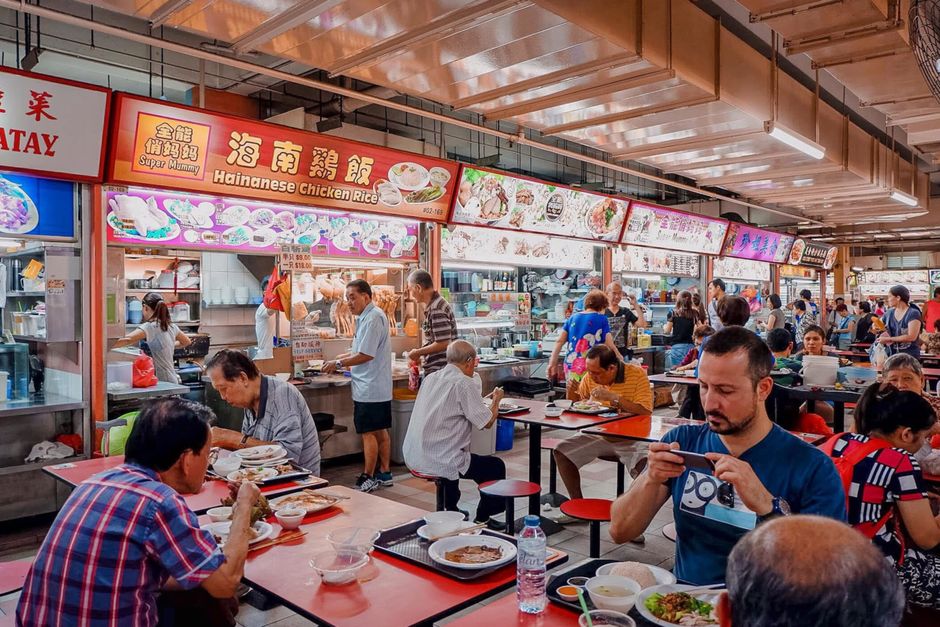
The hawker center — Singapore’s most beloved food institution — emerged in the 1960s and 1970s when the government relocated street food vendors off the roads and into purpose-built open-air complexes. This wasn’t merely a sanitation exercise. It was an act of culinary preservation that allowed food traditions to survive and thrive in a structured environment. UNESCO recognized this in 2020 by adding hawker culture to the Representative List of Intangible Cultural Heritage of Humanity, a designation that genuinely moved many older Singaporeans I’ve spoken to.
Modern Singapore now boasts more than 40 Michelin-starred restaurants, including individual hawker stalls that have earned stars. That means you can eat a Michelin-recognized meal for under S$5. It feels slightly surreal to queue at a food court stall for something that prestigious, but that’s exactly what makes Singapore’s food culture unlike anywhere else on earth.
Must-Try Foods in Singapore
1. Hainanese Chicken Rice
If Singapore had a national dish, chicken rice wins by a landslide. It looks deceptively simple — poached or roasted chicken, rice cooked in chicken broth with pandan leaves, three dipping sauces — but the execution separates the extraordinary from the merely decent. The best versions have silky, tender chicken with skin that barely clings to the flesh, and rice that carries a subtle richness you keep thinking about hours later. The chili sauce matters enormously. Don’t skip it.

The dish traces its roots to Hainanese immigrants from China’s Hainan province, who adapted a traditional recipe to local tastes over generations. You’ll find chicken rice stalls in virtually every hawker center across Singapore, but the two addresses worth going out of your way for are Tian Tian Hainanese Chicken Rice at Maxwell Food Centre in Chinatown — Anthony Bourdain famously queued there, and the queue hasn’t shrunk since — and Boon Tong Kee on Balestier Road, which does an exceptionally juicy bird with a chili sauce that I’ve been thinking about for three years.
2. Laksa
Laksa is Singapore’s most powerful culinary statement. A rich coconut milk-based soup built on dried shrimp, galangal, lemongrass, and a complex rempah spice paste, served with thick rice noodles, prawns, fish cake, cockles, and a dollop of sambal on top. The first real spoonful — properly spicy, deeply creamy, intensely fragrant — hits differently than almost anything else you’ll eat here. It’s the Peranakan story in a single bowl.
Singapore laksa, specifically the Katong-style variety, uses coconut milk rather than the tamarind-based broth you find in Malaysian versions. Katong, in the east of the city, has historically been the heart of Peranakan culture, and the laksa there uses shorter noodles cut with scissors so the whole thing can be eaten with just a spoon. 328 Katong Laksa on East Coast Road is the most famous address for this dish. The queue on a Sunday morning at 10am will tell you everything you need to know about how seriously Singaporeans take this stuff.
3. Chili Crab
No Singapore food tour is complete without chili crab. Whole Sri Lankan mud crabs stir-fried in a semi-thick sauce made from tomato, egg, garlic, ginger, and chili paste — it’s gloriously messy and completely worth it. The sauce delivers real heat without bulldozing the natural sweetness of the crab. And here’s the thing locals will tell you: the sauce is the point. Order extra mantou — those soft, deep-fried or steamed buns — and use them to clean the bowl. Don’t be shy about it.
Black pepper crab is the equally serious alternative, dry and intensely peppery, showcasing Singapore’s genuine love of bold, aggressive flavors. Both are best eaten at the seafood restaurants along East Coast Seafood Centre by the waterfront, where you’re essentially sitting next to the water with a sea breeze running through. Jumbo Seafood and No Signboard Seafood are the two names you’ll hear most, and both deliver consistently. Expect to spend S$60–100 per person — crab is not cheap, but it’s worth the splurge once.

4. Char Kway Teow
Char kway teow is pure street food. Flat rice noodles wok-fried over ferocious heat with Chinese sausage, bean sprouts, eggs, dark soy sauce, and cockles, resulting in a smoky, slightly charred dish that captures what Singaporeans call wok hei — the breath of the wok that only comes from exceptional heat and years of practiced muscle memory. Good char kway teow has a caramelized quality that makes the noodles cling together and carry smoke deep into every strand. Bad char kway teow is just greasy noodles. The difference is enormous.
Originally a working-class dish eaten by laborers who needed cheap, calorie-dense fuel, it has evolved into one of Singapore’s most beloved comfort foods across every demographic. The stall at Outram Park Fried Kway Teow Mee in Hong Lim Food Centre consistently draws queues of 45 minutes or more. Come before 11am if you want any chance of eating before the mid-morning rush hits. Bring patience. The wait genuinely is part of the experience here.
5. Roti Prata
Roti prata is Singapore’s answer to the question of what to eat at any hour. Day, night, 2am after a long evening — it works every time. This Indian-origin flatbread, brought by Tamil Muslim immigrants from southern India, is made by stretching and folding ghee-enriched dough until it’s nearly translucent, then cooked on a well-seasoned griddle until the outside goes crispy and golden while the inside stays soft and layered in distinct sheets. Served with fish or mutton curry for dipping, it’s one of Singapore’s most satisfying flavor combinations, full stop.
Book a Food Tour in Singapore
Join a small-group food tour and taste the best of Singapore with a local guide. Skip the tourist traps — discover the hidden spots only locals know.


Book a Food Experience in Singapore
Handpicked experiences — book with free cancellation and instant confirmation.
Explore More Food Tours
You might also enjoy:
- Penang Food Tour Guide (Malaysia)
- Bali Vegan Food Guide: Plant-Based Paradise for Travelers (Indonesia)
- Yogyakarta Food Tour Guide (Indonesia)
- Bali Food Tour Guide (Indonesia)
- Kuala Lumpur Food Tour Guide (Malaysia)
- Phuket Food Tour Guide (Thailand)
Featured in:
Frequently Asked Questions
How much does a food tour in Singapore cost?
Food tours in Singapore typically range from €25 to €80 per person for a guided group tour. Private tours and premium culinary experiences can cost more, while self-guided food walks are often free or low-cost.
How long do food tours in Singapore last?
Most guided food tours in Singapore last between 2 and 4 hours and include multiple tasting stops. Walking food tours tend to run around 3 hours, while sit-down dining experiences may last longer.
What local dishes should I try on a Singapore food tour?
A food tour in Singapore is the best way to discover authentic local specialties. Your guide will take you to street food markets, traditional restaurants, and neighbourhood gems that locals love — dishes you would never find on your own.
What is the best area for street food in Singapore?
The best areas for street food and local cuisine in Singapore are usually found in the old town, central food markets, and traditional neighbourhoods away from the main tourist hotspots. A local food guide will show you exactly where to go.
Are food tours in Singapore suitable for people with dietary restrictions?
Most food tour operators in Singapore can accommodate vegetarian, vegan, halal, and gluten-free diets with advance notice. Always inform your guide of any dietary requirements when booking so they can plan the best route for you.