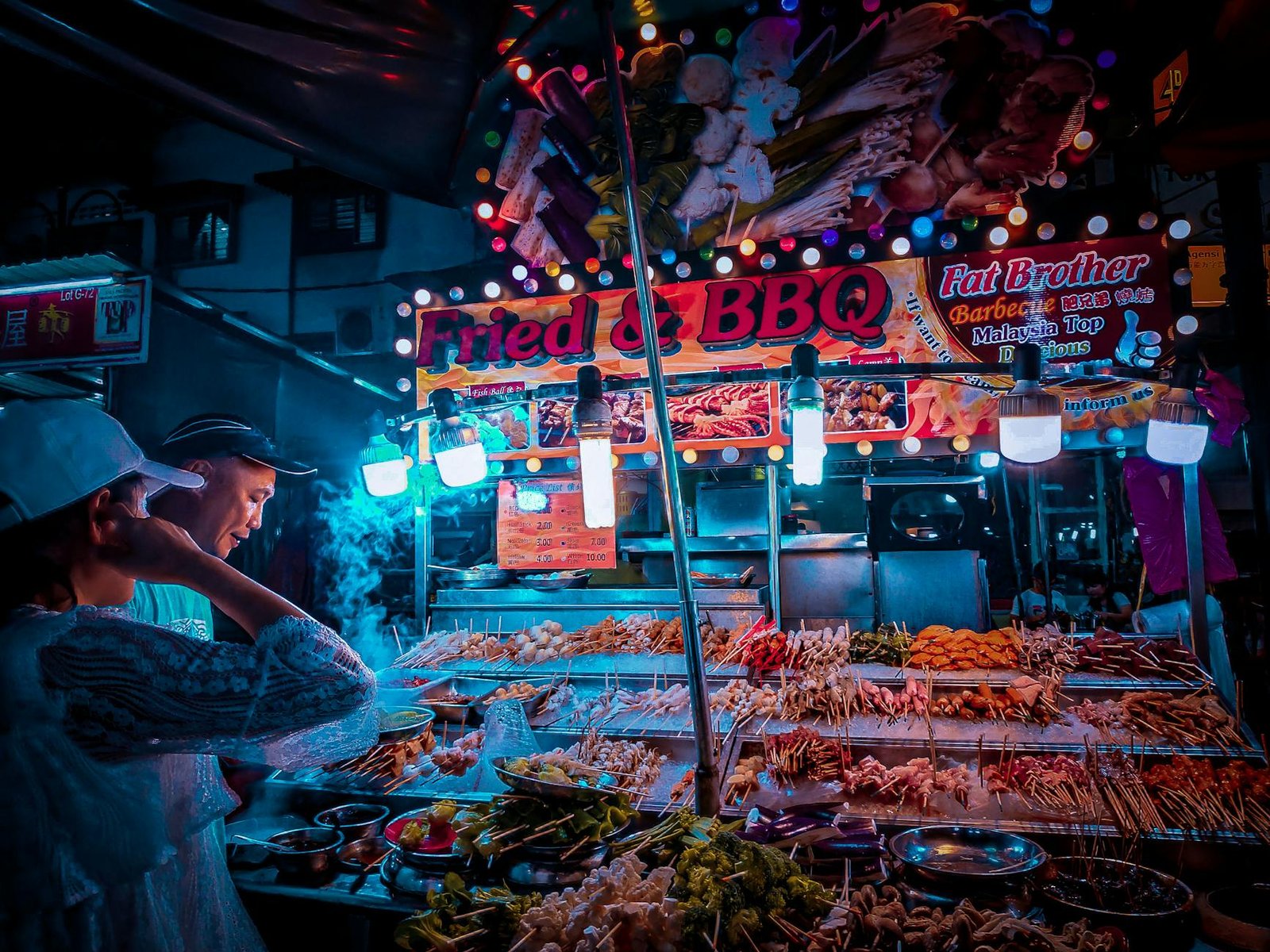
Kuala Lumpur Food Tour – Best Local Food & Restaurants
Kuala Lumpur Food Guide: A Complete Culinary Journey Through Malaysia’s Capital
Kuala Lumpur is one of Southeast Asia’s most exciting food destinations — a city where ancient recipes collide with modern innovation and every street corner has something worth eating. From steaming bowls of noodles served before dawn to fragrant curries ladled onto banana leaves, eating in KL is not just sustenance. It is culture, history, and community folded into a single meal. This guide will help you eat your way through one of the world’s greatest culinary cities, whether it’s your first trip or your fifth.
The History of Kuala Lumpur’s Food Culture
KL’s food story begins in the 1850s when Chinese tin miners arrived in the Klang Valley, building makeshift settlements that eventually grew into a proper city. They brought the bold flavors of Fujian and Cantonese cooking with them, adapting recipes to local ingredients and laying the groundwork for what we now call Malaysian Chinese cuisine.
The British colonial era — stretching from the late 19th century through 1957 — brought waves of South Indian laborers north, and with them came the aromatic spice traditions of Tamil Nadu. Roti canai, banana leaf rice, and fiery fish curries worked their way into the city’s daily food rhythm, eaten by everyone regardless of background. Meanwhile, the Malay community contributed a rich culinary heritage built on coconut milk, lemongrass, galangal, and belacan — a fermented shrimp paste that gives Malaysian cooking its unmistakable depth.
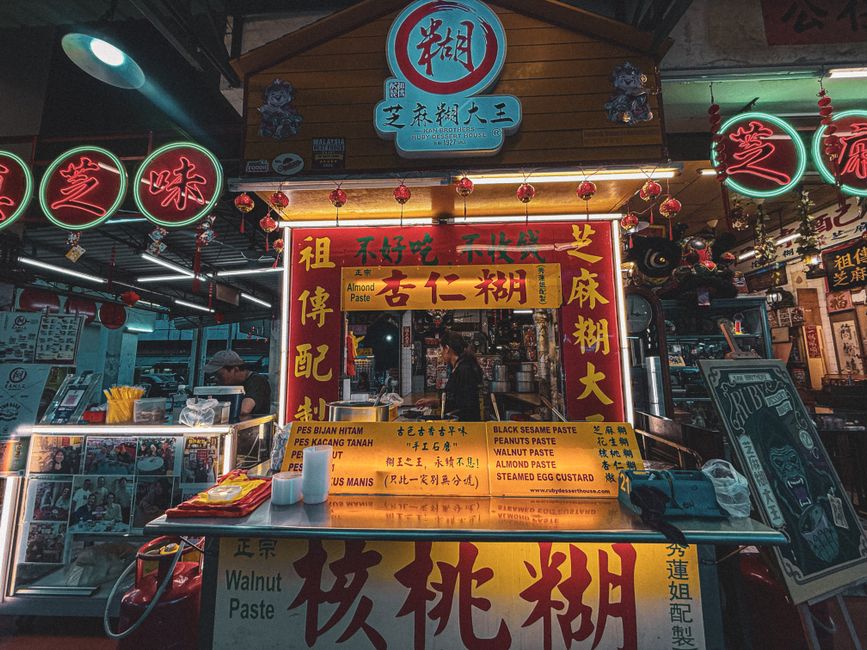
The real magic lies in how these traditions bled into each other. The Peranakan community, descendants of Chinese immigrants who married local Malay women, developed an entirely new cuisine called Nyonya cooking — a remarkable fusion of Chinese technique and Malay spicing. Dishes like laksa lemak and ayam pongteh came out of Peranakan kitchens and are still beloved today. That constant cross-cultural conversation between Malay, Chinese, and Indian communities has made KL’s food scene something genuinely hard to find elsewhere, evolving over 170 years into one of the most diverse urban food cultures on the planet.
Today, Kuala Lumpur’s hawker culture gets global recognition. UNESCO has acknowledged the cultural significance of hawker food across the region, and KL’s open-air food courts — known locally as hawker centres or kopitiam — remain the beating heart of the city’s culinary identity. Upscale restaurants and international chains compete for attention, sure, but the real soul of KL food is still found at plastic tables under fluorescent lights, where a proper meal costs less than five Malaysian ringgit.
Must-Try Foods in Kuala Lumpur
1. Nasi Lemak
Nasi lemak is Malaysia’s undisputed national dish and KL’s most beloved breakfast — though locals eat it morning, noon, and night without a hint of apology. Everything centers on fragrant rice cooked in coconut milk and pandan leaves, giving it a subtle sweetness and floral aroma that hits you before the bowl even reaches the table. It comes alongside a fiery sambal chili paste, crunchy ikan bilis (dried anchovies), roasted peanuts, sliced cucumber, and a hard-boiled or fried egg. At its most humble, nasi lemak is wrapped in banana leaf and sold from roadside stalls for less than two ringgit. At its most indulgent, it arrives loaded with fried chicken, rendang beef, cockles, and squid sambal. The Nasi Lemak Antarabangsa stall in Kampung Baru has been serving it for decades. If you eat one thing in KL, eat it there.
2. Char Kuey Teow
This wok-fried flat rice noodle dish is a lesson in what high heat and a well-seasoned wok can do. A skilled char kuey teow hawker works with near-volcanic flames, tossing wide rice noodles with tiger prawns, Chinese lap cheong sausage, bean sprouts, eggs, and dark soy sauce until everything is lightly charred and coated in that elusive smoky quality Cantonese cooks call wok hei — literally the breath of the wok. The best versions in KL include fresh cockles and are fried individually per portion rather than knocked out in big batches, which is what preserves that essential caramelized intensity. Jalan Alor in Bukit Bintang is famous for its char kuey teow vendors. Go around 8pm and watch the masters work under clouds of aromatic smoke. It’s a good show even before you taste anything.

3. Bahri Roti Canai
Roti canai was introduced by South Indian Muslim immigrants, but it has been absorbed so completely into Malaysian daily life that most locals just consider it theirs. Fair enough. This flaky, layered flatbread is made by stretching and folding dough repeatedly until dozens of paper-thin layers form, then cooked on a flat iron griddle with generous amounts of ghee. The outside goes crispy. The inside stays pillowy and slightly chewy. It comes with dal curry for dipping, though serious eaters order it with fish curry or kuah kacang, a peanut-based sauce with real backbone. Mamak restaurants — open-air Indian Muslim eateries that never close — are the correct setting for roti canai. Order a glass of teh tarik alongside it. The pulled tea arrives frothy and sweet, and the combination is genuinely one of the great cheap breakfasts anywhere in the world.
4. Hokkien Mee
KL-style Hokkien mee is its own thing entirely, distinct from the Penang and Singapore versions, and local pride on this point runs very deep. The KL version features thick yellow egg noodles braised slowly in dark soy sauce with pork lard, crispy pork cracklings, cabbage, and prawns. The noodles absorb the savory, slightly sweet braising liquid until they turn mahogany and develop an almost sticky, intensely umami character. A spoonful of sambal on the side cuts through the richness perfectly. It is deeply comforting in a way that feels almost primal — the kind of dish you think about on the plane home. Look for it at older Chinese coffee shops in Petaling Street or the Kepong neighborhood, where hawkers have been refining their individual recipes for generations.
5. Bak Kut Teh
The name translates literally to meat bone tea, though the tea in question refers to the herbal broth rather than any actual tea leaves. Bak kut teh is pork ribs simmered for hours in a complex broth of garlic, star anise, cloves, cinnamon, fennel, and Chinese medicinal herbs. The result is deeply aromatic, slightly peppery soup served with braised mushrooms, tofu puffs, and dried tofu skin, alongside steamed white rice and fragrant oolong tea. In KL, the Klang Valley style tends to be darker and more herbal than what you’d find in Singapore. It’s traditionally a breakfast or brunch dish, which takes some getting used to if you’re not from around here. The town of Klang, about 30 kilometers outside KL, is the undisputed capital of bak kut teh. It absolutely justifies a dedicated day trip — take the KTM Komuter train from KL Sentral and you’re there in under an hour.
6. Cendol
No KL food tour is complete without cendol. It is the city’s most iconic dessert and an honest antidote to the heat, which by 2pm will be doing its absolute worst. The bowl starts with shaved ice drenched in dark, rich gula melaka palm sugar syrup, then gets crowned with creamy coconut milk and the dish’s namesake element — vivid green worm-shaped jelly strands made from rice flour colored with pandan leaf. Additional toppings vary by vendor: red kidney beans, sweet corn, glutinous rice, grass jelly. The combination of caramel-like palm sugar, fresh coconut milk, and the delicate grassiness of pandan is uniquely Southeast Asian and hard to describe accurately until you’ve had it. The cendol stall at Jalan Tuanku Abdul Halim near Chow Kit is considered by many food writers to be among the finest
Book a Food Tour in Kuala Lumpur
Join a small-group food tour and taste the best of Kuala Lumpur with a local guide. Skip the tourist traps — discover the hidden spots only locals know.

Book a Food Experience in Top Destinations
Handpicked experiences — book with free cancellation and instant confirmation.
Explore More Food Tours
More food guides from Malaysia:
You might also enjoy:
- Bali Food Tour Guide (Indonesia)
- Bangkok Food Tour Guide (Thailand)
Frequently Asked Questions
How much does a food tour in Kuala Lumpur cost?
Food tours in Kuala Lumpur typically range from €25 to €80 per person for a guided group tour. Private tours and premium culinary experiences can cost more, while self-guided food walks are often free or low-cost.
How long do food tours in Kuala Lumpur last?
Most guided food tours in Kuala Lumpur last between 2 and 4 hours and include multiple tasting stops. Walking food tours tend to run around 3 hours, while sit-down dining experiences may last longer.
What local dishes should I try on a Kuala Lumpur food tour?
A food tour in Kuala Lumpur is the best way to discover authentic local specialties. Your guide will take you to street food markets, traditional restaurants, and neighbourhood gems that locals love — dishes you would never find on your own.
What is the best area for street food in Kuala Lumpur?
The best areas for street food and local cuisine in Kuala Lumpur are usually found in the old town, central food markets, and traditional neighbourhoods away from the main tourist hotspots. A local food guide will show you exactly where to go.
Are food tours in Kuala Lumpur suitable for people with dietary restrictions?
Most food tour operators in Kuala Lumpur can accommodate vegetarian, vegan, halal, and gluten-free diets with advance notice. Always inform your guide of any dietary requirements when booking so they can plan the best route for you.