Timisoara Food Tour – Best Local Food & Restaurants
Timisoara, Romania: The Ultimate Food Guide
Introduction: A Culinary Capital in Western Romania
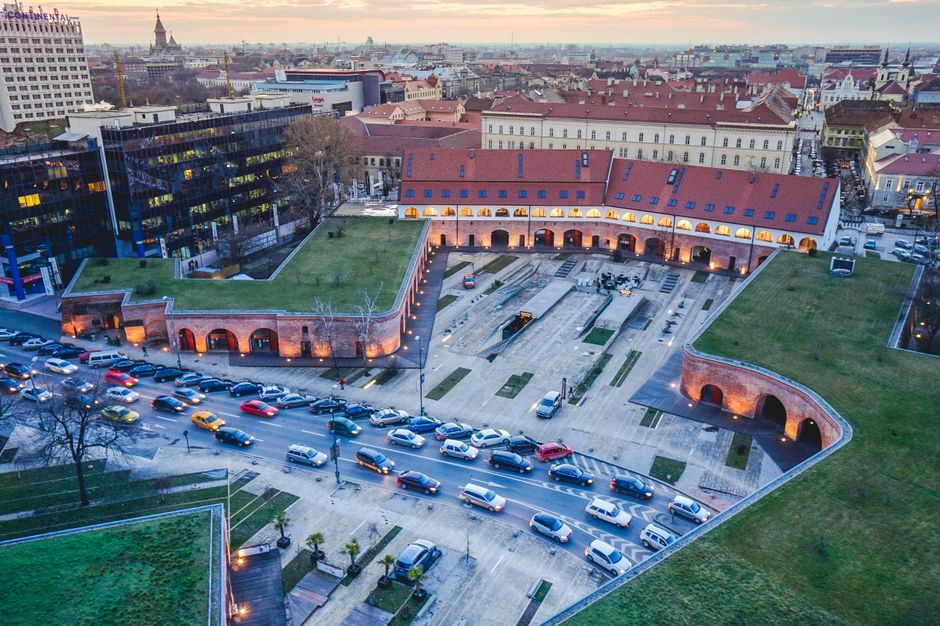
Timisoara, often called the “City of Flowers,” is one of Romania’s most vibrant and cosmopolitan destinations, with a food scene that reflects centuries of Austro-Hungarian, Serbian, and Turkish influences. This Western Romanian gem has undergone a remarkable culinary renaissance in recent years, transforming from a post-industrial hub into a destination where traditional recipes meet contemporary gastronomy. The city’s strategic location near the borders of Serbia, Hungary, and the former Ottoman territories means that its cuisine is a beautiful fusion of flavors, techniques, and ingredients that tell stories of cultural exchange and historical depth.
Walking through Timisoara’s streets, you’ll discover food that goes far beyond what most tourists expect from Romania. The city’s restaurants range from humble local eateries serving generations-old family recipes to innovative establishments pushing the boundaries of modern European cuisine. Whether you’re sampling street food in Revolution Square or dining in an intimate restaurant tucked away in a Austro-Hungarian building, Timisoara offers an authentic gastronomic experience that captures the heart and soul of the region.
Local Markets: Where Timisoara’s Food Culture Comes Alive
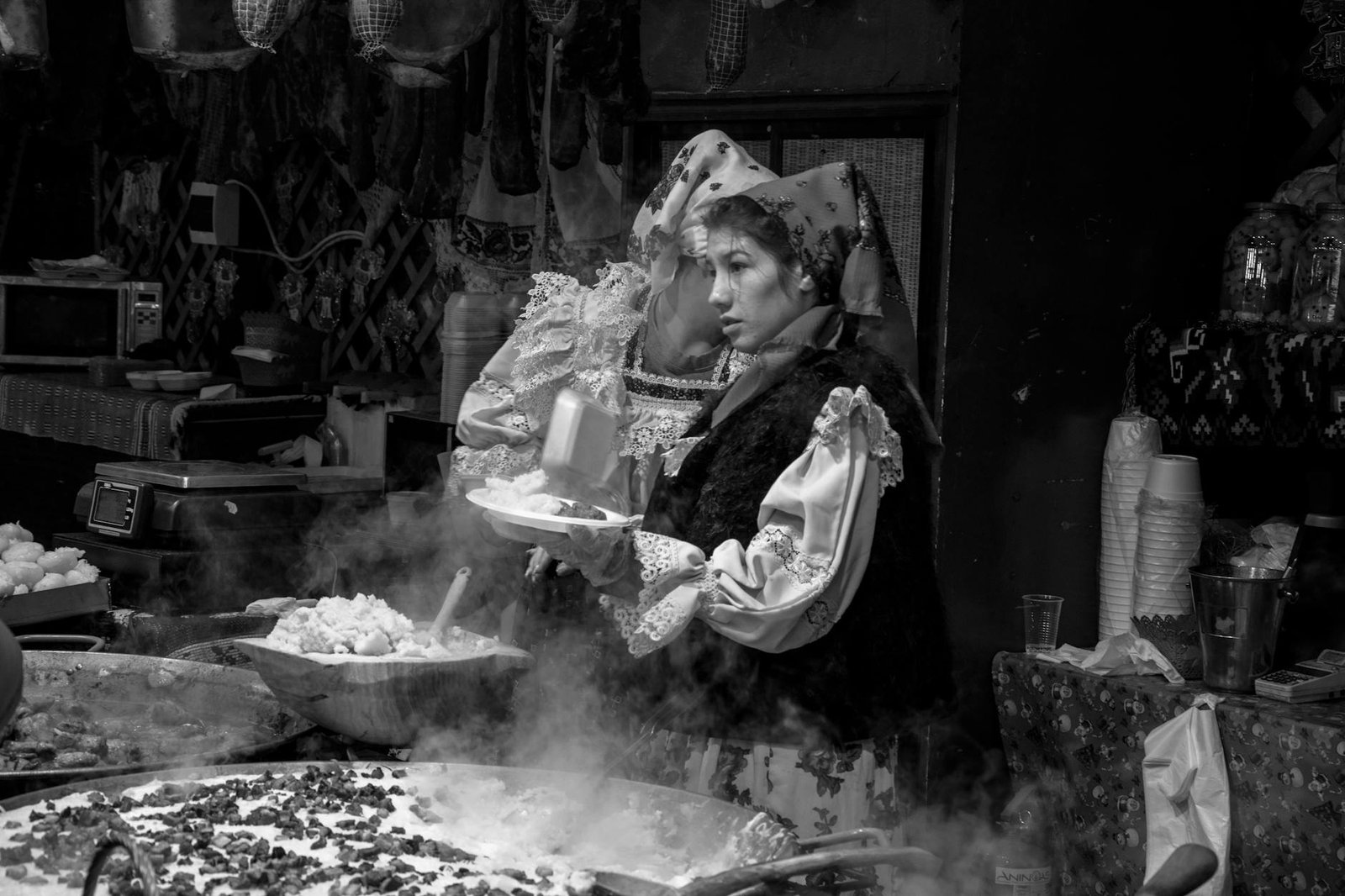
Central Market Hall (Piața Obor) is the beating heart of Timisoara’s food culture, a stunning Belle Époque structure built in 1910 that houses hundreds of vendors selling everything from fresh produce to artisanal products. Walking through its covered arcades, you’ll find local farmers hawking their seasonal vegetables, cheese makers displaying their wares, and butchers preparing traditional cuts of meat. This isn’t just a tourist attraction—it’s where locals do their daily shopping, making it the perfect place to observe authentic food culture and pick up ingredients for picnics or cooking adventures.

Beyond Piața Obor, the Mercur Market offers a more contemporary shopping experience while maintaining traditional elements. Here you can find regional specialties like paprika from Kalocsa, handmade sausages from local producers, and fresh river fish. The markets are particularly vibrant on weekend mornings, when vendors bring their best offerings and the atmosphere buzzes with energy. Don’t miss the opportunity to chat with merchants about their products—locals are often happy to share cooking suggestions and stories about their families’ food traditions.
Top Street Food: Quick Bites and Local Favorites
Mici (pronounced “mee-chee”) are perhaps Timisoara’s most iconic street food—small grilled meat rolls seasoned with garlic, paprika, and caraway seeds that are crispy on the outside and juicy within. These beloved sausages are found at virtually every corner stand and street vendor, typically served with mustard and fresh bread. The best mici experience happens at a traditional stand or small restaurant where you can watch them being grilled over charcoal, then enjoy them immediately while they’re still warm and smoky.
Beyond mici, Revolution Square becomes a food lover’s paradise, especially in the evenings, with vendors selling chimney cakes (kürtőskalács), a Hungarian sweet pastry that’s crispy, caramelized, and sometimes filled with chocolate or nuts. You’ll also find fresh corn on the cob, grilled cheese sandwiches, and traditional banitsa (a savory pastry). For something quintessentially Romanian, seek out covrigi—twisted bread rolls coated with sesame seeds—available from street vendors throughout the city’s pedestrian zones.
Best Restaurants: From Traditional to Innovative
Mehana Rustica captures the essence of traditional Balkan cuisine in a charming rustic setting, specializing in grilled meats and fresh river fish. Their ciorbă de burtă (tripe soup) is legendary among locals, and their mixed grill platters showcase the region’s best meat preparations. The restaurant’s warm hospitality and reasonable prices make it a favorite for both tourists and locals seeking authentic flavors without pretension. The communal dining atmosphere encourages you to meet other diners and share in the convivial spirit that defines traditional Romanian dining culture.

For a more upscale experience, Café Promenada offers contemporary European cuisine with local influences, featuring dishes that highlight regional ingredients prepared with modern techniques. Their tasting menus provide an excellent introduction to what contemporary Timisoara cuisine looks like. Another excellent option is Filodox, located in a renovated Austro-Hungarian building, which serves traditional Banat region specialties in an intimate setting with attentive service. If you’re craving something lighter, Vatra offers vegetarian and vegan interpretations of traditional Balkan dishes, proving that the region’s food culture extends beyond meat-centric fare.
Must-Try Dishes: The Flavors That Define Timisoara
Ciorbă de burtă, the legendary tripe soup, deserves special mention as perhaps Timisoara’s defining dish. Made with beef tripe, this warming soup features a complex flavor profile built on a foundation of beef broth, soured with vinegar or sour cream, and finished with plenty of garlic and fresh herbs. Locals swear by it as a cure for everything from hangovers to melancholy, and it’s traditionally served late at night at special restaurants dedicated to this dish. The ritual of slurping a steaming bowl at midnight with friends is a deeply embedded part of Timisoara’s social culture.
Paprikash—a rich stew of chicken or beef braised in paprika-infused sour cream—represents the Austro-Hungarian influence that shaped the region’s cuisine. Served alongside fresh noodles or mashed potatoes, it’s comfort food at its finest. Don’t miss sarmale (cabbage rolls filled with seasoned meat and rice), tochitura (a slow-cooked pork stew), or fresh-water fish preparations, particularly catfish and carp, which reflect the region’s position near the Danube. For dessert, try papanasi (fried dough pastries served with sour cream and jam), a treat that appears in every traditional bakery and many restaurants.
Best Food Tours: Guided Culinary Experiences
Several companies offer excellent guided food tours in Timisoara. Viator offers curated culinary experiences that take you through the Central Market Hall with a local guide who explains the history and significance of different products, followed by tastings at selected vendors. These tours typically last 3-4 hours and provide invaluable context about the region’s food traditions while giving you the opportunity to sample authentic products and meet local producers.
GetYourGuide features similar offerings, including walking tours that combine market visits with stops at traditional restaurants and street food vendors. These guided experiences are particularly valuable for first-time visitors, as local guides provide insights into the city’s complex history and how it’s reflected in the food culture. Many tours include meals at family-run establishments that tourists might otherwise miss, offering a more authentic and personalized culinary experience than solo exploration alone.
When to Visit for Food: Seasonal Highlights and Food Events
Spring (April-May) brings fresh asparagus, new potatoes, and lamb to Timisoara’s markets and restaurants, with lighter preparations reflecting the season’s bounty. Summer brings an abundance of fresh vegetables, berries, and outdoor dining culture, with many restaurants opening terraces in the historic squares. Autumn (September-October) is particularly special for food lovers, as this is harvest season—mushrooms, game, and new wine become prominent on menus, and many restaurants feature special seasonal menus celebrating the year’s final abundance.
Winter (November-February) transforms Timisoara’s food culture, with warming soups, stews, and preserved foods taking center stage. The winter markets are magical, offering roasted chestnuts, mulled wine, and traditional holiday pastries. If possible, plan your visit around the Timisoara Gastronomic Festival in September, which features cooking demonstrations, tastings from dozens of restaurants, and celebrations of regional cuisine. This event draws chefs and food enthusiasts from across Romania and neighboring countries, making it an extraordinary time to explore the city’s culinary scene.
Conclusion: A City Where Tradition Meets Innovation
Timisoara’s food scene represents something increasingly rare in modern Europe—a place where traditional recipes remain central to daily life while contemporary culinary innovation thrives alongside them. This balance makes the city an exceptional destination for food lovers seeking authenticity rather than tourist-focused cuisine. From street food to fine dining, from bustling markets to intimate family restaurants, Timisoara offers a complete and deeply satisfying culinary experience that reveals the region’s rich history and vibrant present through every meal.

Book a Food Experience in Top Destinations
Handpicked experiences — book with free cancellation and instant confirmation.
Explore More Food Tours
More food guides from Romania:
You might also enjoy:
- Budapest Food Tour Guide (Hungary)
- Plovdiv Food Tour Guide (Bulgaria)
Frequently Asked Questions
How much does a food tour in Timisoara cost?
Food tours in Timisoara typically range from €25 to €80 per person for a guided group tour. Private tours and premium culinary experiences can cost more, while self-guided food walks are often free or low-cost.
How long do food tours in Timisoara last?
Most guided food tours in Timisoara last between 2 and 4 hours and include multiple tasting stops. Walking food tours tend to run around 3 hours, while sit-down dining experiences may last longer.
What local dishes should I try on a Timisoara food tour?
A food tour in Timisoara is the best way to discover authentic local specialties. Your guide will take you to street food markets, traditional restaurants, and neighbourhood gems that locals love — dishes you would never find on your own.
What is the best area for street food in Timisoara?
The best areas for street food and local cuisine in Timisoara are usually found in the old town, central food markets, and traditional neighbourhoods away from the main tourist hotspots. A local food guide will show you exactly where to go.
Are food tours in Timisoara suitable for people with dietary restrictions?
Most food tour operators in Timisoara can accommodate vegetarian, vegan, halal, and gluten-free diets with advance notice. Always inform your guide of any dietary requirements when booking so they can plan the best route for you.