
Pula Food Tour – Best Local Food & Restaurants
Pula, Croatia: The Ultimate Food Guide
A Culinary Journey Through Istria’s Coastal Gem
Pula, the largest city in the Istrian Peninsula, is a destination that captivates visitors with its Roman history, stunning Adriatic views, and most importantly, its extraordinary food scene. This ancient port city serves as the gastronomic heart of Istria, a region renowned throughout Croatia and beyond for its exceptional cuisine that blends Mediterranean, Italian, and Central European influences. Whether you’re wandering through the historic Old Town or exploring the waterfront promenades, you’ll discover that Pula’s culinary identity is deeply rooted in local traditions, seasonal ingredients, and centuries of cultural exchange.
The food culture here is all about quality over quantity. Local producers have maintained time-honored methods of creating everything from truffle oils to aged prosciutto, creating a food scene that feels both rustic and refined. The combination of fresh seafood from the Adriatic, premium local produce, and world-class wines makes Pula an increasingly popular destination for food enthusiasts from around the world.
Fresh Seafood: The Heart of Istrian Cooking
Seafood dominates the dining landscape in Pula, and rightfully so. The Adriatic Sea provides an abundance of pristine fish and shellfish that local chefs have perfected over generations. Brodetto, a traditional Istrian fish stew, is perhaps the most iconic dish you’ll encounter. This hearty preparation combines various local fish species with tomatoes, white wine, and aromatic herbs, served with crusty bread for soaking up every last drop of the flavorful broth. Another must-try preparation is fresh fish prepared simply with olive oil, lemon, garlic, and locally foraged herbs—a method that lets the quality of the catch shine through.
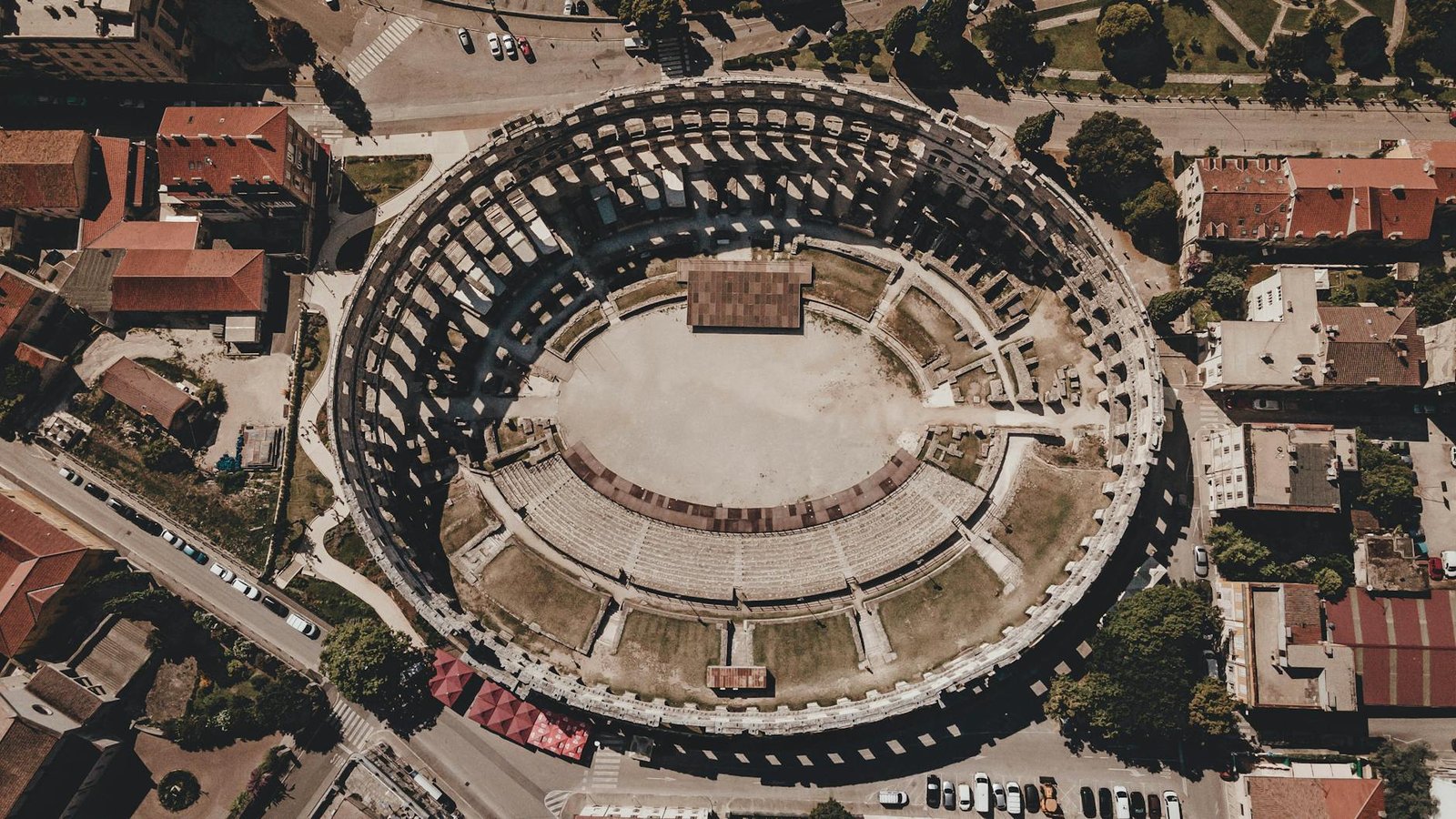
Beyond fish, the local restaurants take pride in serving fresh squid, octopus, and an array of shellfish. Grilled squid (lignje) is particularly popular, often served with a drizzle of excellent local olive oil and a squeeze of fresh lemon. Visit any of the waterfront restaurants near the Marina and you’ll see daily catches displayed prominently, with chefs selecting the finest specimens for the evening’s service. The seafood risotto, or brodetto risotto, is another specialty that combines the richness of seafood stock with creamy risotto rice, often finished with fresh shellfish.
Truffles and Local Specialties
Istria is one of Europe’s premier truffle-producing regions, and Pula serves as an excellent base for experiencing this luxurious ingredient. Both white and black truffles grow in the surrounding countryside, and during truffle season (September through December), you’ll find them featured prominently in local restaurants and markets. The famous truffle-infused oils are particularly popular, drizzled over pasta, risotto, or even ice cream for a surprising finishing touch. Local shops in the Old Town sell high-quality truffle products that make excellent souvenirs.
Beyond truffles, Pula is home to other exceptional local products that reflect Istrian gastronomy. Istrian prosciutto, or Pršut, is air-dried ham of exceptional quality, often served paper-thin as an appetizer. Manestra, a hearty vegetable and bean soup, appears on nearly every traditional menu and represents the region’s humble, peasant cooking traditions. Fuži, a handmade pasta unique to Istria, is frequently topped with rich sauces featuring local game, mushrooms, or seafood, making it a comfort food that’s elevated to an art form.
Markets and Food Shopping
The Pula Central Market (Gradska Pijaca) is the beating heart of the city’s food culture, operating since the early 20th century. This vibrant marketplace, located near the town’s center, is where locals shop for daily provisions and where visitors can experience authentic Istrian food culture firsthand. Vendors hawk fresh vegetables, fruits, local cheeses, cured meats, and an impressive array of seafood. The morning hours are best for visiting, when the market is most lively and the selection is at its peak. This is the perfect place to buy ingredients for a picnic or to chat with vendors about their products.
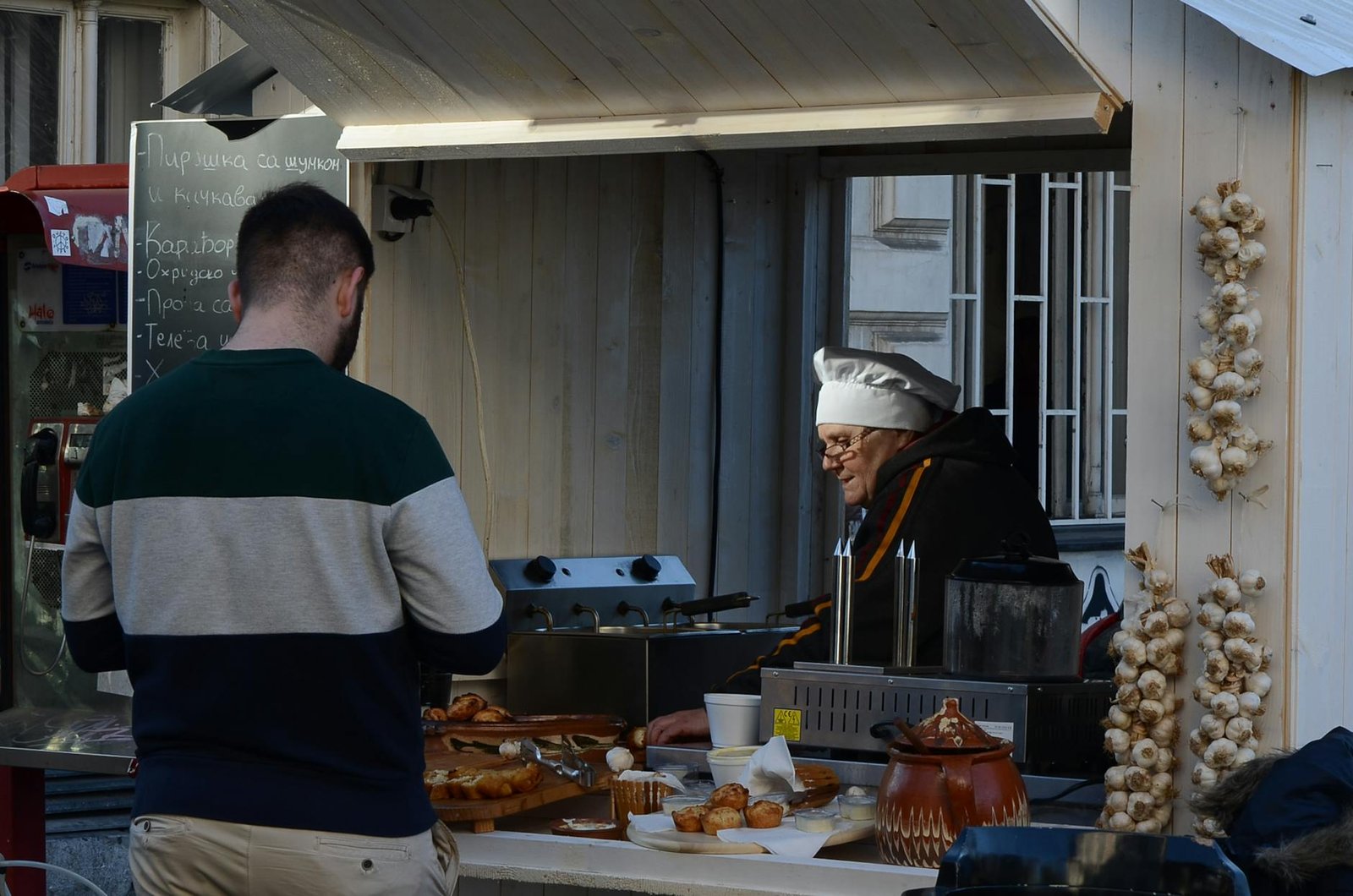
The fish stalls here are particularly impressive, displaying daily catches that often include varieties you won’t find in supermarkets elsewhere. Local honey producers, wine merchants, and artisanal cheese makers also set up here regularly, offering opportunities to sample and purchase directly from producers. The covered market area provides respite from the summer heat while you browse, and the surrounding streets are filled with small specialty shops selling everything from olive oil to locally-made liqueurs.
Top Street Food and Quick Bites
For casual eating, Pula offers numerous street food options that provide authentic tastes without requiring a sit-down restaurant experience. Pljeskavica, a substantial Balkan-style burger topped with kajmak (a dairy product similar to sour cream), is available from street vendors and casual eateries throughout the city. Ćevapčići, small grilled meat sausages served with flatbread and onions, are another popular quick bite that you’ll find at nearly every food stand. The Old Town, particularly around the Forum area, has numerous vendors selling these treats during lunch and early evening hours.
For something lighter, burek—a savory pastry filled with cheese, meat, or spinach—is widely available and makes an excellent breakfast or snack. Local bakeries produce fresh burek daily, often sold warm from the oven in the early morning hours. Seafood-based street foods are also common, with vendors near the waterfront selling grilled fish on bread, marinated mussels, and fresh oysters. These casual food options allow visitors to sample authentic Istrian flavors while exploring the city’s historic streets and waterfront areas.
Best Restaurants in Pula
For fine dining, Restaurant Batelina stands out as one of Pula’s most celebrated establishments, earning multiple accolades for its creative approach to local ingredients. Chef Darko Horvat focuses on seasonal menus that highlight the best of Istrian produce and seafood, with dishes that balance tradition and innovation. The intimate setting and knowledgeable staff make it an excellent choice for a special meal. Another exceptional option is Valli Trattoria, a cozy traditional restaurant in the Old Town that serves authentic Istrian fare in a rustic setting. Here you’ll find classic preparations of brodetto, grilled fish, and locally-sourced meats prepared with time-honored techniques.
Caffe Bar Uliks, on Trg Portarata, sits on the ground floor of the building where James Joyce taught in 1904, with a bronze Joyce by Mate Cvrljak at one of its terrace tables and Joyce memorabilia inside. Padela, another Old Town favorite, offers excellent value and authentic Istrian cooking in a welcoming atmosphere. For something more casual but still excellent, Konoba Vodnjanka serves traditional dishes in a charming converted stone house setting. Each of these establishments sources from local producers and fishermen, ensuring that what arrives at your table represents the best Pula has to offer.
Best Food Tours and Experiences
Several tour operators offer excellent food-focused experiences in Pula. Viator offers guided food tours that combine market visits with tastings at local restaurants, providing context about Istrian culinary traditions alongside hands-on sampling. GetYourGuide features multiple options including truffle hunting tours in the surrounding countryside, which are particularly popular during autumn and winter months. These guided experiences typically include a market visit, lunch at a traditional konoba, and wine tastings, offering comprehensive introductions to the region’s food culture.
Many local tour guides also offer private food tours that can be customized to your interests, whether you want to focus on seafood, wine, or specific neighborhoods. These personalized experiences often provide more flexibility and deeper cultural insights than group tours. Several restaurants also offer cooking classes where you can learn to prepare traditional Istrian dishes like handmade pasta or brodetto directly from experienced local cooks.
When to Visit for Food
Each season offers different culinary highlights in Pula. Summer (June-August) provides the freshest seafood and warmest weather for waterfront dining, though crowds are significant and prices are higher. Autumn (September-November) is perhaps the ideal time for food lovers, as this is when truffle season begins, local produce reaches peak ripeness, and wine harvest activities provide additional cultural experiences. Winter markets feature hearty soups and stews that showcase comfort food traditions.
Spring (April-May) brings renewed energy to the markets with fresh vegetables and lighter fare. The fall shoulder months (September-October) offer the perfect balance of warm weather, manageable crowds, and exceptional seasonal ingredients. Consider planning your visit around local food festivals and events, such as the Istrian Food Festival, which celebrates the region’s gastronomic heritage with special menus and tastings throughout participating restaurants.



Book a Food Experience in Pula
Handpicked experiences — book with free cancellation and instant confirmation.
Explore More Food Tours
More food guides from Croatia:
- Best Food Tours in Croatia 2026
- Dubrovnik Food Tour Guide
- Hvar Food Tour Guide
- Rovinj Food Tour Guide
You might also enjoy:
- Ljubljana Food Tour Guide (Slovenia)
- Mostar Food Tour Guide (Bosnia and Herzegovina)
Featured in:
Frequently Asked Questions
What is the typical cost of a food tour in Pula?
Food tours in Pula typically range from 60-120 EUR per person, depending on whether they include wine tastings and the number of stops included. Most guided tours last 3-4 hours and cover 4-6 local establishments, making them a reasonable investment for experiencing authentic Istrian cuisine. Private tours can cost upwards of 150-200 EUR but offer more personalized experiences.
How long do food tours in Pula usually last?
Standard food tours in Pula last between 3-4 hours, visiting multiple locations for tastings and local dishes. Some evening food tours may extend to 4-5 hours if they include wine pairings at local wineries or restaurants. Half-day culinary experiences lasting 5-6 hours are also available for those wanting a more comprehensive gastronomic journey.
What local foods should I expect to find on a Pula food tour?
Expect to taste Istrian specialties like fuži (handmade pasta with truffle or meat sauce), fresh seafood such as scampi and sea urchin, and pršut (Istrian prosciutto). You'll also encounter local cheeses, olive oil from regional producers, and traditional dishes like brodet (fish stew) and manestra (vegetable and bean soup). Truffle-based dishes are particularly prominent given Istria's reputation as a truffle region.
Which neighborhoods in Pula are best for street food and local eateries?
The Old Town (Stari Grad) is the heart of Pula's food scene, with narrow streets lined with traditional konobas and family-run restaurants serving authentic Istrian cuisine. The Kaštanjevica area is known for its local markets and casual dining spots where you can find fresh seafood and regional produce. The waterfront near the Amphitheatre offers both street vendors and established restaurants with sea views.
How can I handle dietary restrictions on a food tour in Pula?
Always inform your tour operator about dietary restrictions at least 48 hours in advance, as most guides can arrange alternative stops or modifications at local restaurants. Vegetarians will find good options with local cheeses, pasta dishes, and seasonal vegetables, though Istrian cuisine is traditionally meat and seafood-heavy. Gluten-free options are increasingly available at modern restaurants, but traditional establishments may have limited alternatives, so clear communication with your guide is essential.