
Puebla Food Tour – Best Local Food & Restaurants
Puebla, Mexico: The Ultimate Food Guide
Introduction: Why Puebla is a Food Lover’s Paradise
Nestled between Mexico City and Veracruz, Puebla stands as one of Mexico’s most underrated culinary destinations. This UNESCO World Heritage city is a living museum of Mexican gastronomy, where centuries-old recipes are still prepared using traditional methods passed down through generations. The cuisine of Puebla reflects a unique blend of indigenous Nahuatl traditions, Spanish colonial influences, and regional agricultural bounty that creates flavors found nowhere else in Mexico. With its vibrant markets, family-run restaurants, and passionate food vendors, Puebla offers an authentic culinary experience that goes far beyond tourist expectations.
The state of Puebla boasts an extraordinary food culture that has earned it recognition as one of Mexico’s gastronomic capitals. From the complex mole negro poblano to fresh local cheeses and artisanal chocolate, every dish tells a story of cultural heritage and culinary excellence. Whether you’re exploring the historic Centro Histórico or venturing into local neighborhoods, you’ll discover that food in Puebla isn’t just about sustenance—it’s about celebration, family, and tradition.
Mole Poblano: Understanding Puebla’s Most Iconic Dish
Mole poblano represents the soul of Pueblan cuisine, a complex sauce that embodies the region’s cultural fusion. This dark, rich sauce contains between 20 and 30 ingredients including chiles, chocolate, spices, nuts, and seeds, all ground together to create a harmonious blend of sweet, savory, and slightly bitter flavors. The preparation is an art form, with recipes varying from family to family and restaurant to restaurant. Many Poblano households prepare mole only for special occasions, as the process can take an entire day, but in dedicated mole restaurants, you can enjoy this masterpiece any day of the week.
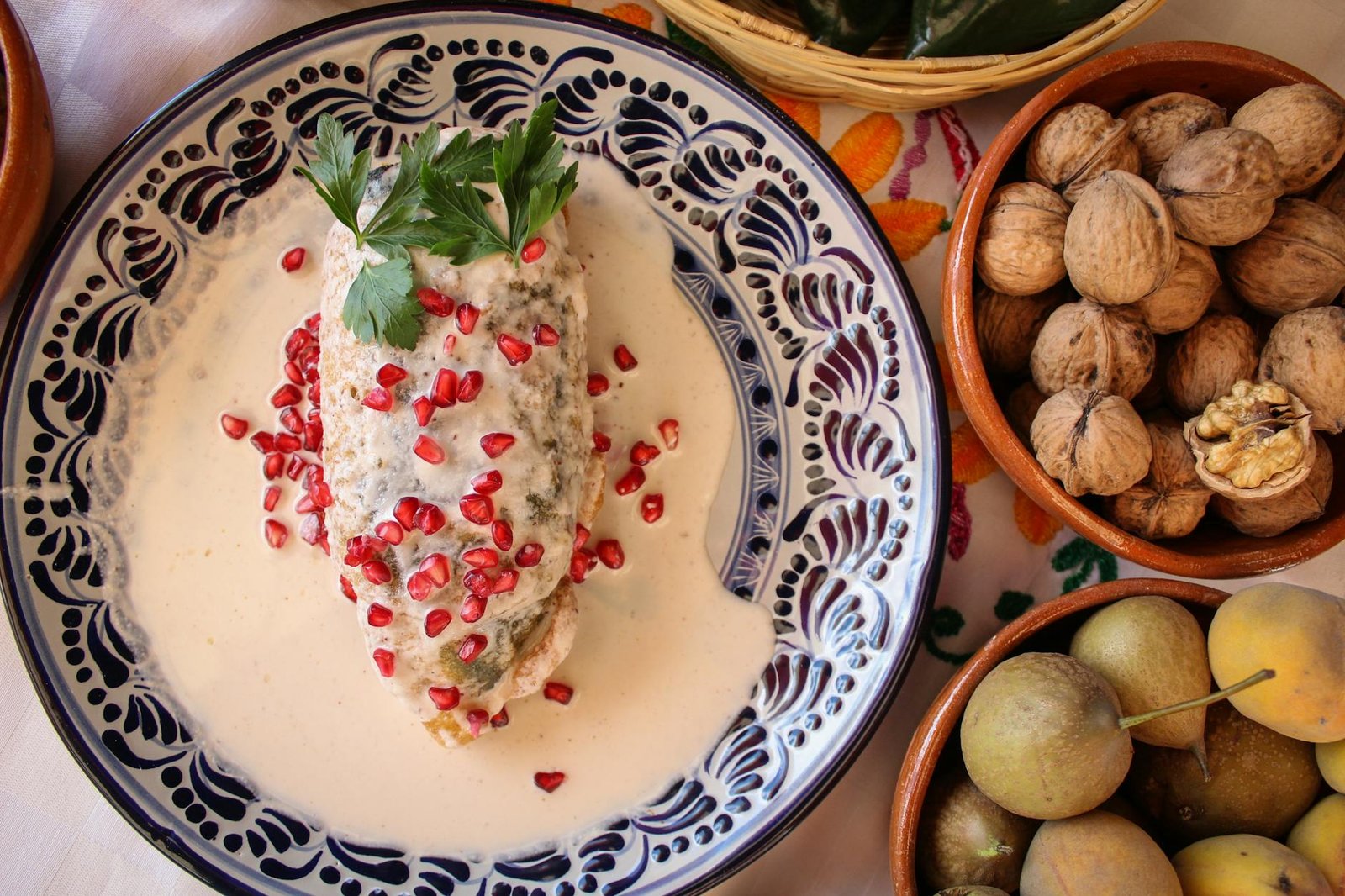
For an authentic mole experience, visit Fonda de Santa Clara in the historic center, a family restaurant since 1965 in a restored colonial building near Santo Domingo, or head to the smaller, family-run establishments in neighborhoods like Xanenetla, where residents still prepare mole using recipes that have been perfected over generations. Chiles en Nogada, another iconic Poblano dish made with poblano peppers, cream sauce, and pomegranate seeds, is the patriotic dish of Mexico and originated right here in Puebla. This dish is typically seasonal, appearing primarily during August and September, making it a must-try if you visit during these months.
Exploring Puebla’s Historic Markets and Food Halls
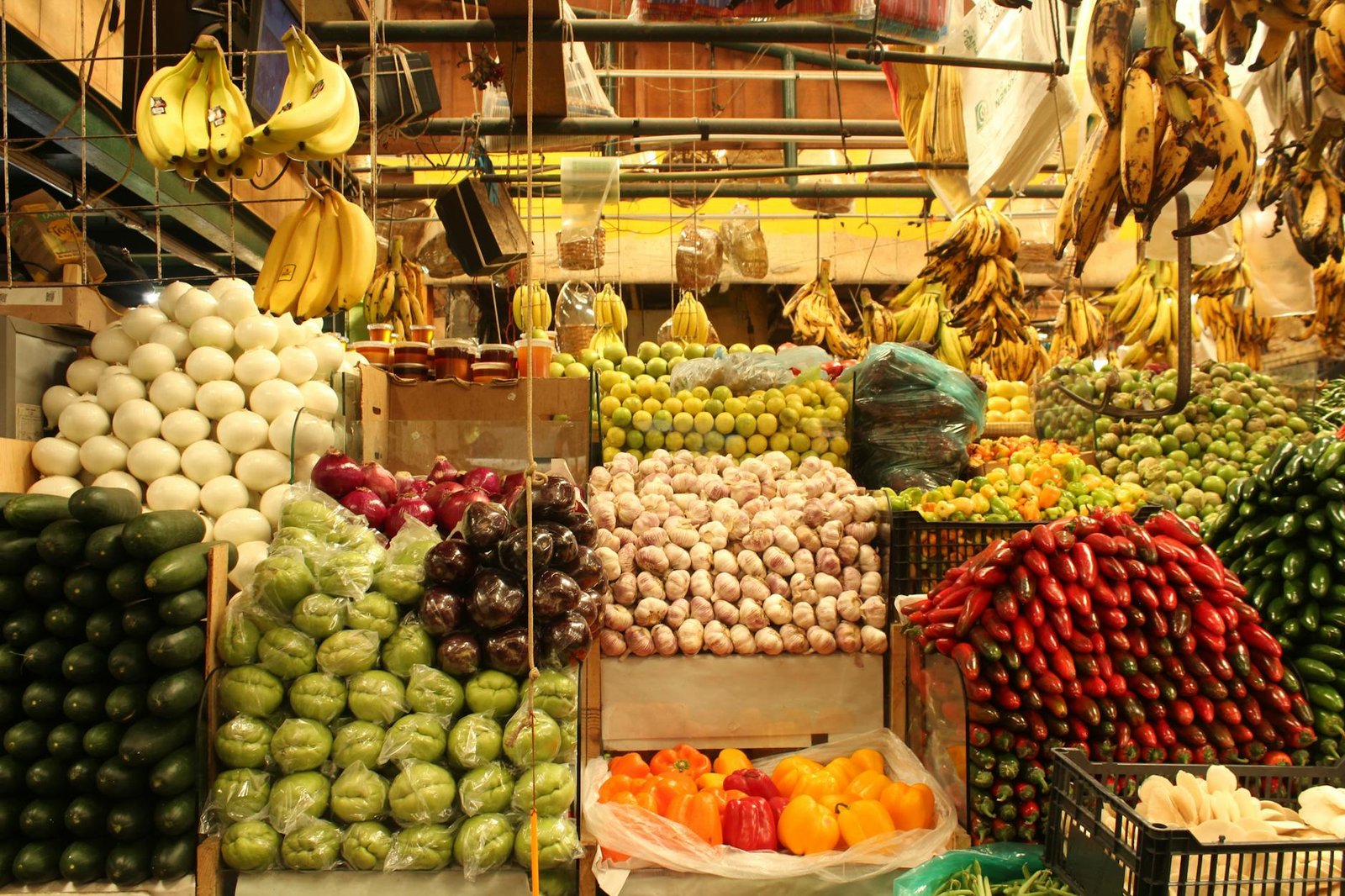
The Central de Abastos is Puebla’s largest and most vibrant food market, a sprawling maze of stalls overflowing with fresh produce, spices, meats, and prepared foods. Walking through this market is an assault on the senses in the best possible way—the aroma of fresh cilantro mingles with roasting chiles, while vendors call out their daily specials and locals haggle over prices. This is where real Poblanos shop, and it’s where you’ll find the freshest ingredients for traditional cooking. The market is organized into sections, from produce and meat to prepared foods and spices, making it easy to navigate despite its impressive size.
For a more curated market experience, visit the Mercado del Carmen or Mercado Hidalgo, which offer a slightly more tourist-friendly atmosphere while maintaining authentic local character. These markets are excellent places to sample fresh juices, buy local cheeses like queso Oaxaca and queso de bola, and pick up artisanal chocolate from vendors who have been selling the same brands for decades. The food stalls within these markets serve some of the most affordable and delicious prepared foods in the city, including tortas, tamales, and fresh aguas frescas.
Top Street Food and Local Specialties
Puebla’s street food scene is legendary, with vendors throughout the city selling everything from chalupas to cemitas. The cemita poblana is a crusty sandwich filled with breaded meat (typically milanesa), oaxaca cheese, avocado, papalo, onion, and chipotle mayo—it’s street food elevated to an art form. You’ll find excellent cemitas on the streets surrounding the Zócalo and in neighborhoods like Analco. Chalupas, small fried tortillas topped with shredded chicken, lettuce, cheese, and crema, are another Poblano specialty that you can find at nearly every street corner, especially in the early morning hours when vendors set up their temporary stands.
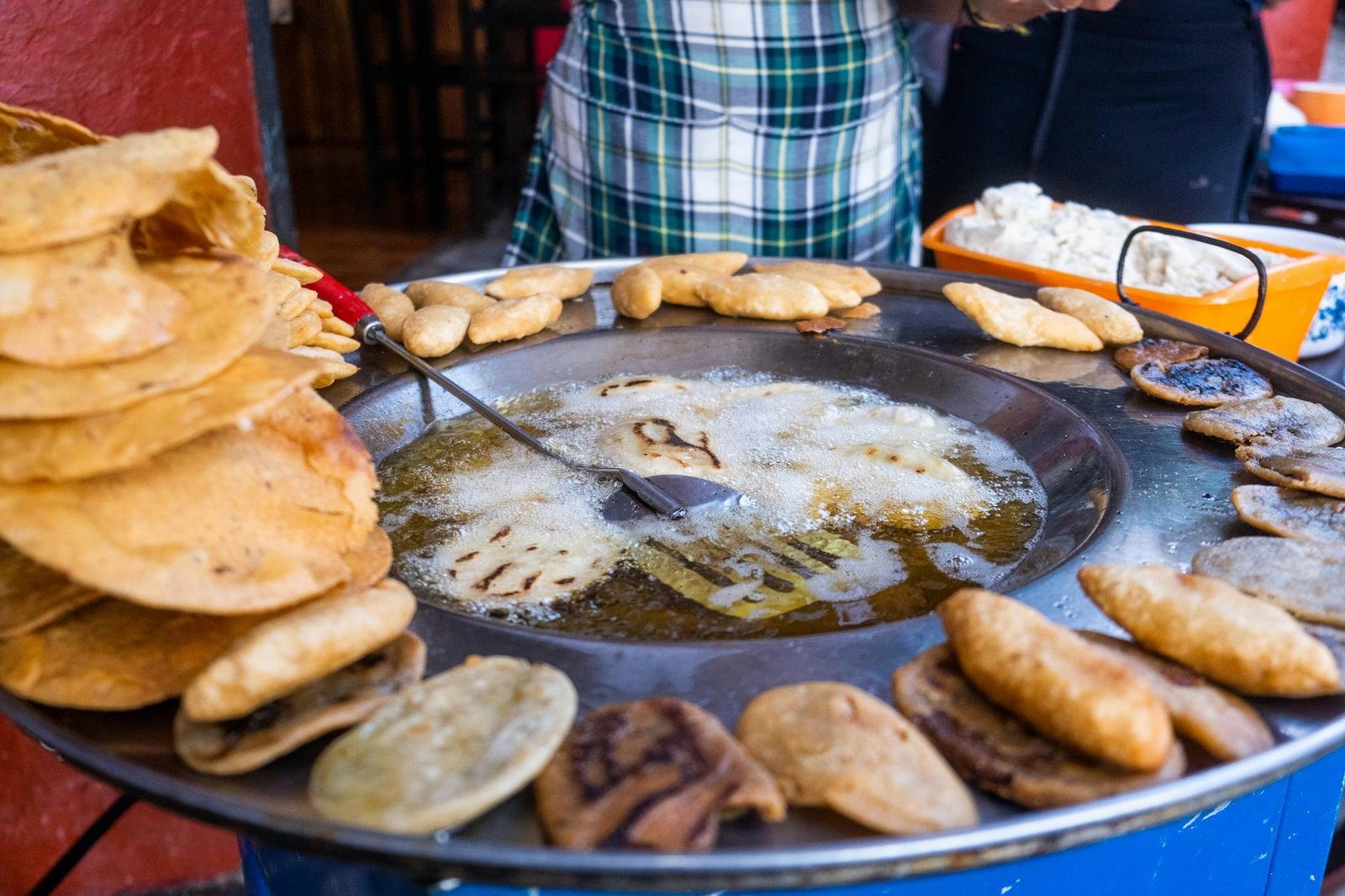
Don’t miss barbacoa de chivo (goat barbacue), a slow-cooked specialty traditionally made in underground pits and typically enjoyed on weekends. Seek out local barbacoa stands in the market areas or near residential neighborhoods where the scent of slow-roasted meat draws locals from blocks away. Also essential to try are mofongo (fried plantain), picadillo-filled empanadas, and gorditas stuffed with beans and cheese. These humble street foods represent the everyday eating culture of Puebla and offer some of the most memorable flavors you’ll experience in the city.
Best Restaurants for Fine Dining and Tradition
For an upscale dining experience rooted in Poblano tradition, Augurio offers innovative takes on regional classics in a beautifully restored colonial setting. This restaurant has gained recognition for its refined approach to traditional Poblano cuisine, offering dishes like mole negro and creative vegetable preparations. Another excellent choice is Terraza Quintal, which focuses on regional specialties in an elegant setting, perfect for a memorable dinner celebrating Poblano flavors with a contemporary twist.
For a more casual but equally authentic experience, Saborcito corazón 3 oriente serves home-style Poblano cooking that has earned a devoted local following. This family-run restaurant specializes in traditional recipes prepared daily, and the mole here is considered among the best in the city. Casa Bacuuza, located in a charming colonial building in the historic centre, offers excellent traditional Poblano dishes in an intimate setting. For breakfast, don’t miss local establishments that serve pan de muerto, pan dulce, and traditional hot chocolate—these bakeries and cafés are where locals gather each morning to start their day the Poblano way.
Artisanal Chocolate and Sweet Treats
Puebla has a centuries-old reputation for producing some of Mexico’s finest chocolate, a tradition that continues today. Visit Chocolate de Santa Clara, located in the historic center, to see how artisanal chocolate is still made using traditional grinding stones and methods. These chocolaterías offer hot chocolate (chocolate caliente) that is thick, rich, and served with churros or pan dulce—a breakfast or dessert combination that locals have enjoyed for generations. The chocolate here is made with local cacao and spices like cinnamon and chile, creating a complex flavor profile that goes far beyond ordinary hot chocolate.
Poblano pastries and sweets are equally impressive, with local specialties including tortitas de Santa Clara (almond pastries), pelonas (sweet meringue-covered cookies), and buñuelos (fried pastries served with piloncillo syrup). The city’s numerous panaderías (bakeries) are worth exploring, especially early in the morning when fresh breads and pastries are emerging from the ovens. Many of these bakeries have been family businesses for over a century, preserving recipes and techniques that make Poblano sweets instantly recognizable to anyone who grew up in the region.
Best Food Tours and Guided Experiences
To truly immerse yourself in Puebla’s food culture, consider booking a guided food tour. Viator offers several excellent options, including walking tours through the historic center that combine architectural exploration with tastings at local markets and traditional restaurants. GetYourGuide similarly provides comprehensive food tours led by knowledgeable local guides who can explain the history and cultural significance of each dish. These tours typically last 3-4 hours and include visits to markets, local restaurants, and family-run food stands, providing both education and authentic culinary experiences.
Many hotels in Puebla can also arrange cooking classes with local chefs who teach traditional recipes like mole poblano and chiles en nogada in their homes or commercial kitchens. These intimate experiences often include a visit to a local market for ingredients, followed by hands-on preparation and communal dining—an excellent way to take Puebla’s flavors home with you. Local guide companies also offer culinary-focused tours to nearby towns like Cuetzalan, known for organic coffee production, or Atlixco, famous for its produce and flower markets.
When to Visit for Food Celebrations and Seasonal Specialties
The best time to experience Puebla’s food culture depends on which specialties interest you most. August and September showcase chiles en nogada in all their patriotic glory, with restaurants and street vendors preparing this seasonal dish daily. September is also excellent for experiencing Puebla’s Independence Day celebrations, which include special food preparations and festival atmospheres throughout the city. During religious holidays like Corpus Christi and Day of the Dead, traditional food preparations reach their peak, with families and restaurants preparing special dishes that are otherwise seen only occasionally.
December brings holiday tamales and special breads to every bakery and market in the city, while January showcases Rosca de Reyes, a traditional cake served during Epiphany. Spring and fall offer mild weather perfect for exploring markets and street food vendors comfortably. Whenever you visit, you’ll find excellent food, but planning your trip around these seasonal specialties and celebrations allows you to experience Puebla’s culinary calendar in its fullest expression. The city’s food culture evolves with the seasons and religious calendar, making each visit unique and deeply connected to Mexican tradition.



Book a Food Experience in Puebla
Handpicked experiences — book with free cancellation and instant confirmation.
Explore More Food Tours
More food guides from Mexico:
- Mexico City Food Tour Guide
- Cancun Food Tour Guide
- Guadalajara Food Tour Guide
- Oaxaca Food Tour Guide
You might also enjoy:
- New Orleans Food Tour Guide (USA)
- New York Food Tour Guide (USA)
Featured in:
Frequently Asked Questions
What is the typical cost of a food tour in Puebla?
Most guided food tours in Puebla range from $40 to $80 USD per person, depending on the tour company and inclusions. Premium tours that include visits to local markets, cooking classes, or wine pairings can cost $100-150 USD, while budget street food tours may be available for $25-35 USD.
How long do typical food tours in Puebla last?
Standard food tours in Puebla usually last between 3 to 4 hours, covering multiple food stops and neighborhoods. Some tours offer extended 5-6 hour experiences that include cooking demonstrations or visits to colonial-era food markets like Central de Abastos.
What local Puebla foods should I expect to try on a food tour?
You can expect to sample iconic Puebla dishes including mole poblano (rich chocolate-chili sauce), chiles en nogada (poblano peppers with walnut cream), cemitas (tortas with sesame seeds), and traditional Oaxacan-style tlayudas. Sweet treats like buñuelos, pepitorias, and local candies made with milk and sugar are also common stops on these tours.
Which neighborhoods in Puebla are best for street food exploration?
The historic Centro (downtown) around the Zócalo offers excellent traditional street food and markets, while the Barrio del Artista (Artist Quarter) features casual eateries and food stalls. For authentic local experiences, visit the 5 de Mayo area and surrounding colonial streets where vendors sell fresh tamales, elotes, and regional specialties daily.
How can I handle dietary restrictions on a Puebla food tour?
Inform your tour operator in advance about vegetarian, vegan, gluten-free, or allergy concerns so they can adjust stops and prepare alternatives. Puebla offers many plant-based options like enfrijoladas, rajas con queso, and vegetable-based moles, though you should confirm ingredients with vendors since traditional dishes often contain meat broths or hidden allergens.