Milan Food Tour – Best Local Food & Restaurants
Milan Food Guide: A Culinary Journey Through Italy‘s Fashion Capital
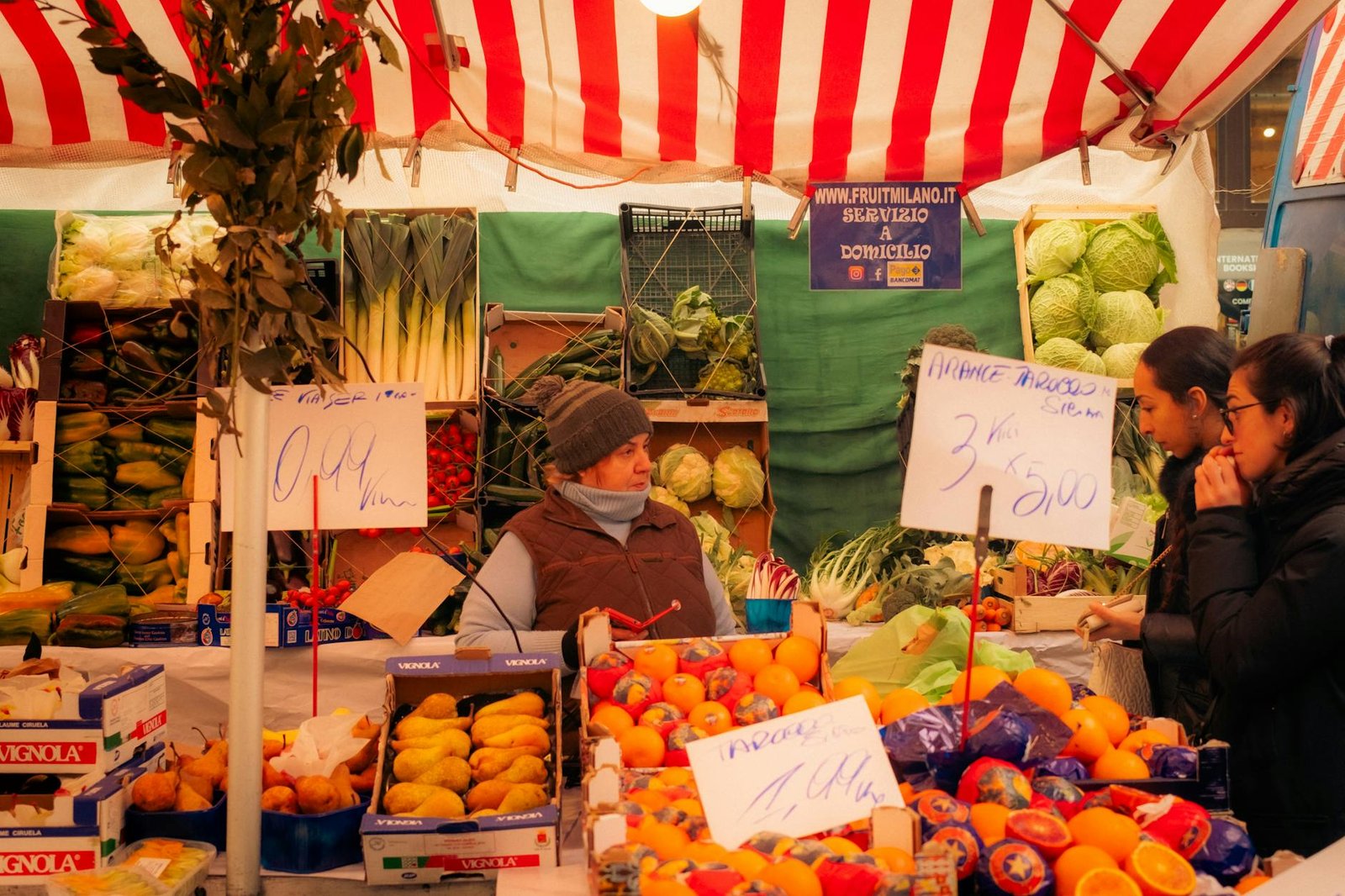
Most travelers arrive in Milan thinking about fashion week, the Galleria, maybe a pilgrimage to see The Last Supper. Fair enough. But spend a few days actually eating here and you start to realize the city has been hiding something. Beneath all that polished cosmopolitan energy is a food culture that runs genuinely deep — one that mixes centuries-old Lombard traditions with immigrant kitchens and a generation of chefs doing genuinely interesting things. Milan is one of Italy’s most underappreciated culinary destinations, and I’ll stand by that every time someone tries to argue Rome or Bologna has it beat.
The History of Milan’s Food Culture
Geography shaped everything. Milan sits in the Po Valley, which is about as agriculturally rich as European land gets — flat, well-watered, and endlessly productive. All that rice grown in the surrounding flatlands gave birth to the risotto tradition that still anchors Milanese cooking today. The dairy pastures did the rest, supplying the butter, cream, and aged cheeses that give Lombard cuisine its famously indulgent character and set it clearly apart from the olive-oil-driven cooking you find further south.
During the medieval period, Milan became one of the most powerful cities in Europe under the Visconti and Sforza families. Aristocratic banquets were basically theatrical productions — elaborate meat courses, game birds, early versions of what would eventually become the city’s signature saffron risotto. That saffron arrived via Spanish traders in the sixteenth century, when the Spanish Crown controlled the Duchy of Milan. It changed the local palate permanently and gave risotto alla Milanese its iconic golden color.
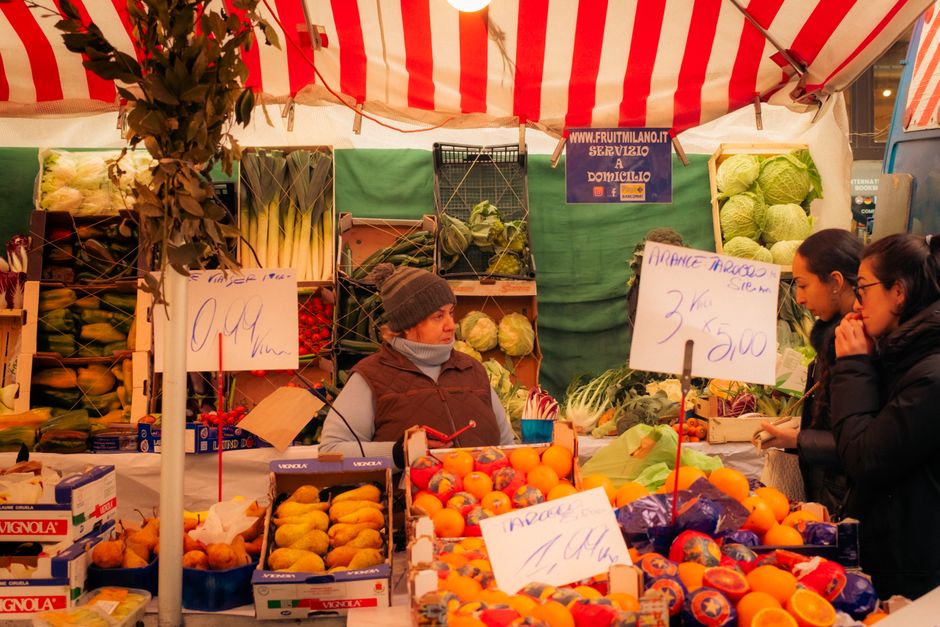
Then the industrial revolution happened. Milan became Italy’s economic engine, pulling in workers from the south, and later immigrants from North Africa, South Asia, and Latin America. Each wave brought its own flavors and quietly folded them into the city’s food culture. Today you can find outstanding Eritrean injera three blocks from a traditional Lombard trattoria serving braised veal shanks. That layering is exactly what makes eating in Milan so different from somewhere like Bologna, where the food culture is brilliant but far more singular.
The aperitivo tradition deserves its own mention. It was born in the nineteenth century, linked to vermouth production in neighboring Turin, and it became a Milanese social ritual that has never really faded. The early evening gathering for drinks with complimentary food isn’t just a habit — it reflects something real about how the city thinks. Good food and drink aren’t a reward for finishing work. They’re just part of how a civilized day ends.
Must-Try Foods in Milan
1. Risotto alla Milanese
This is the dish. Don’t skip it, don’t order it at a tourist restaurant near the Duomo, and don’t rush it. A proper risotto alla Milanese is made with Carnaroli or Vialone Nano rice, coaxed slowly with white wine, beef bone marrow, and real saffron threads — not powder — until it reaches a consistency that moves like a slow wave when you shake the plate. The final step, the mantecatura, is where cold butter and aged Parmigiano-Reggiano get worked in off the heat, giving the whole thing that silky, glossy finish. It’s simultaneously humble and extravagant. Head to the Navigli district and find an old-school trattoria where they’ve been making it the same way for decades. That’s where you want to eat this.
2. Cotoletta alla Milanese
Milanese chefs get genuinely irritated when people compare the cotoletta to a Wiener Schnitzel. I’ve witnessed this reaction firsthand and it is not mild. The difference matters: the cotoletta is cut bone-in with the rib attached, pounded gently rather than aggressively thin, and fried in clarified butter — not oil — until the exterior turns deeply golden and shatters at the first cut. Inside, the veal stays tender and juicy. It arrives with a lemon wedge. That’s it. No sauce, no garnish beyond maybe a light salad, because nothing else is needed. Trattoria del Nuovo Macello and Trattoria Masuelli San Marco are both worth seeking out specifically for this dish.
3. Ossobuco con Gremolata
Ossobuco translates literally as “bone with a hole,” which tells you exactly where the best part is. Cross-cut veal shanks get braised low and slow in white wine, broth, onion, carrot, and celery until the meat is falling-off-the-bone tender. Then you dig out the marrow from inside that hollow bone with a small spoon and spread it across bread, which is one of those moments where you briefly forget about everything else. What makes the Milanese version exceptional is the gremolata stirred in right at the end — finely chopped lemon zest, fresh parsley, and raw garlic that cuts through all that braised richness with real precision. Traditionally it comes alongside risotto alla Milanese. Order them together. It’s one of the great pairings in Italian cooking.
4. Panzerotti
There’s almost always a line outside Luini, a short walk from the Duomo, and it moves faster than you’d expect. They’ve been frying panzerotti here since 1888 and the formula hasn’t changed much: half-moon pockets of light, airy dough filled with molten mozzarella and tomato sauce, dropped into hot oil until the shell turns crisp and golden. Bite in and you get a rush of steam, then melted cheese. They cost a couple of euros. You will almost certainly want two. Beyond the classic filling there’s spinach and ricotta, ham and cheese, and seasonal options. Eat yours standing on the street outside — that’s genuinely the right way to do it.
5. Cassoeula
This is the dish that shows you Milan’s farmhouse soul under all the designer polish. Cassoeula is a winter stew — ribs, sausages, ears, and snout all braised together with Savoy cabbage in a broth that’s been going for hours. The result is sticky, collagen-rich, intensely porky, and the kind of deeply comforting that only happens when a dish has been refined by necessity over generations. It’s traditionally eaten in January and February, when Savoy cabbage sweetens after the first hard frosts and fresh pork is available. If you see cassoeula on a menu, take it as a good sign about the restaurant. Pair it with polenta and a glass of Franciacorta red.
6. Aperitivo Spread
Between roughly six and eight in the evening, Milan shifts gears entirely. Order a Campari Spritz, a Negroni, or an Aperol Spritz at any serious aperitivo bar and you’ll be waved toward a spread of complimentary food that, depending on the place, can include bruschetta, cured meats, olives, risotto bites, pasta salads, fried vegetables, and small sandwiches. It functions as a full meal if you approach it that way, which budget-conscious travelers figure out quickly. The Navigli district and Brera neighborhood are the best areas for this — both have that golden-hour street energy where everyone seems to spill outside at the same moment. It’s one of the better things about this city.
Best Neighborhoods for Food in Milan
Navigli: The Bohemian Canal District
Milan had canals before it had a cathedral to speak of. The Naviglio Grande was finished in 1272, dug partly by monks from the abbeys at Chiaravalle and Morimondo, and it is how the marble for the Duomo arrived — barged in from Lake Maggiore, up to a dock that no longer exists. Leonardo’s name is attached to the locks. Most of the network was paved over in the 1930s; what is left is two canals and the streets along them, which is where the city goes at night.

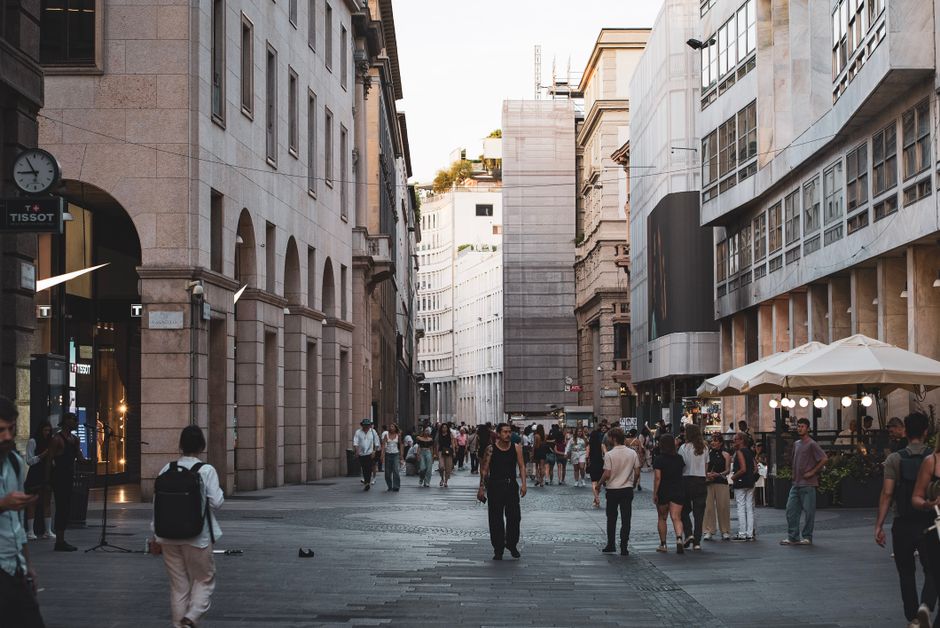
Walk the Ripa di Porta Ticinese at lunchtime, when the shutters go up on the trattorias, rather than at nine at night when the same stretch is three deep at every bar. Trattoria Madonnina is the one to know for proper Milanese cooking at a price that has not been adjusted for the view. Off the towpath, Vicolo dei Lavandai still has the washing stones where women scrubbed laundry in the canal; it is bars now, but the wooden roof and the water are exactly where they were.
Aperitivo is the reason most people come. Between six and nine you pay for a drink — usually eight to fifteen euros — and the food that comes with it is included. Done well it is a genuine bargain and a proper Milanese ritual; done badly it is a tray of crisps and cold pizza squares. The difference is visible from the street, so walk past two or three before committing.
Book a Food Tour in Milan
Join a small-group food tour and taste the best of Milan with a local guide. Skip the tourist traps — discover the hidden spots only locals know.
Book a Food Experience in Milan
Handpicked experiences — book with free cancellation and instant confirmation.
Explore More Food Tours
More food guides from Italy:
You might also enjoy:
- Rovinj Food Tour Guide (Croatia)
- Split Food Tour Guide (Croatia)
Featured in:
Frequently Asked Questions
How much does a food tour in Milan cost?
Food tours in Milan typically range from €25 to €80 per person for a guided group tour. Private tours and premium culinary experiences can cost more, while self-guided food walks are often free or low-cost.
How long do food tours in Milan last?
Most guided food tours in Milan last between 2 and 4 hours and include multiple tasting stops. Walking food tours tend to run around 3 hours, while sit-down dining experiences may last longer.
What local dishes should I try on a Milan food tour?
A food tour in Milan is the best way to discover authentic local specialties. Your guide will take you to street food markets, traditional restaurants, and neighbourhood gems that locals love — dishes you would never find on your own.
What is the best area for street food in Milan?
The best areas for street food and local cuisine in Milan are usually found in the old town, central food markets, and traditional neighbourhoods away from the main tourist hotspots. A local food guide will show you exactly where to go.
Are food tours in Milan suitable for people with dietary restrictions?
Most food tour operators in Milan can accommodate vegetarian, vegan, halal, and gluten-free diets with advance notice. Always inform your guide of any dietary requirements when booking so they can plan the best route for you.